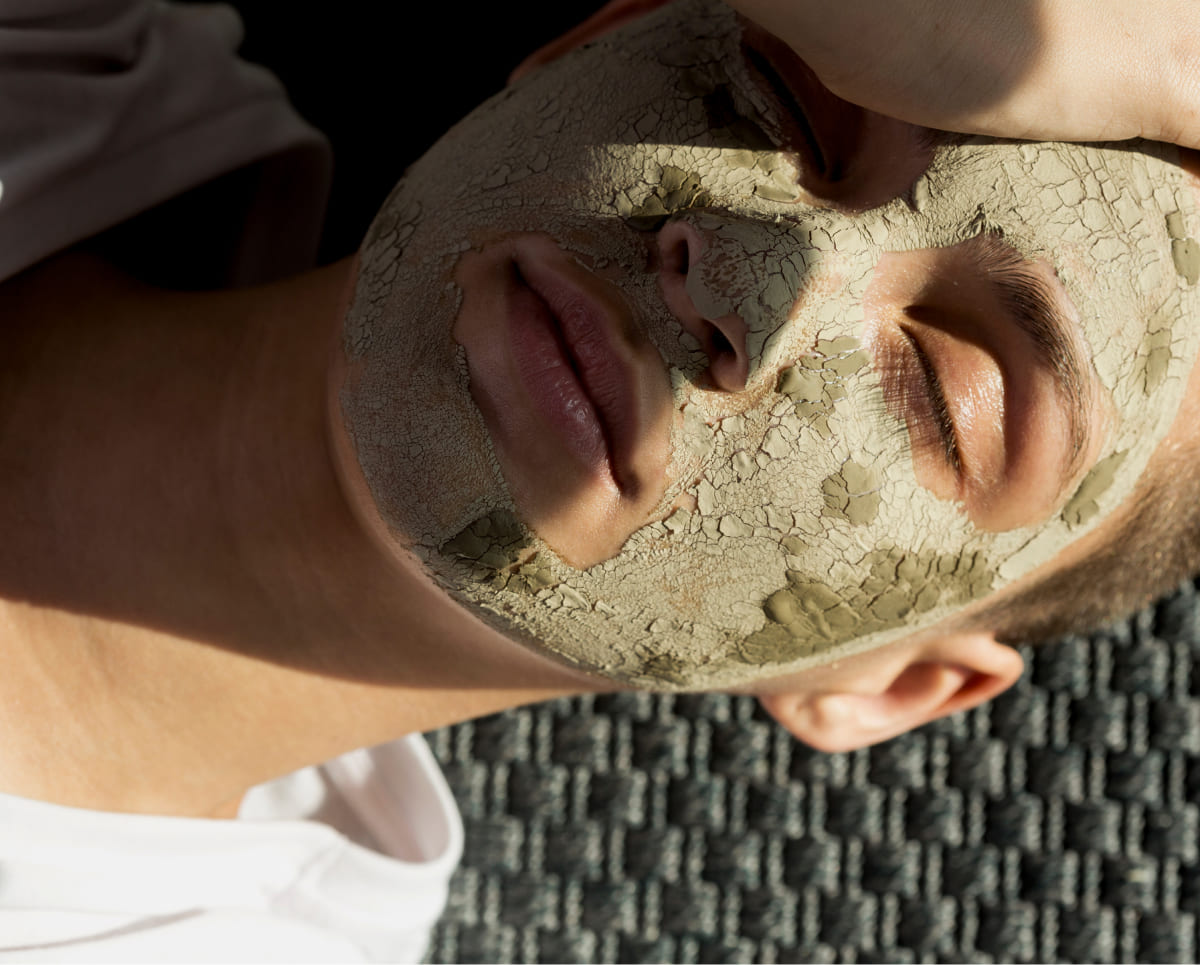
Gua Sha : What is Gua Sha?
Gua Sha has become one of the most talked-about skincare and beauty techniques in recent years. Once considered a traditional wellness practice, it has now evolved into a mainstream beauty ritual embraced by skincare enthusiasts, beauty influencers, estheticians, and wellness professionals worldwide. From reducing facial puffiness to enhancing skincare absorption, Gua Sha is increasingly viewed as a holistic beauty tool that supports both skin appearance and self-care routines.
As consumers continue seeking non-invasive beauty treatments and natural skincare solutions, Gua Sha has secured its place in the modern beauty industry. This comprehensive guide explores what Gua Sha is, how it works, its benefits, best practices, common mistakes, and why it continues to gain popularity among skincare-conscious individuals.
What Is Gua Sha?
Gua Sha is a traditional East Asian therapeutic technique that involves gently scraping the skin with a smooth-edged tool. Historically, it was used on the body to promote circulation and support overall wellness. In the beauty industry, however, facial Gua Sha has become a specialized skincare practice focused on improving skin appearance and supporting facial contours.
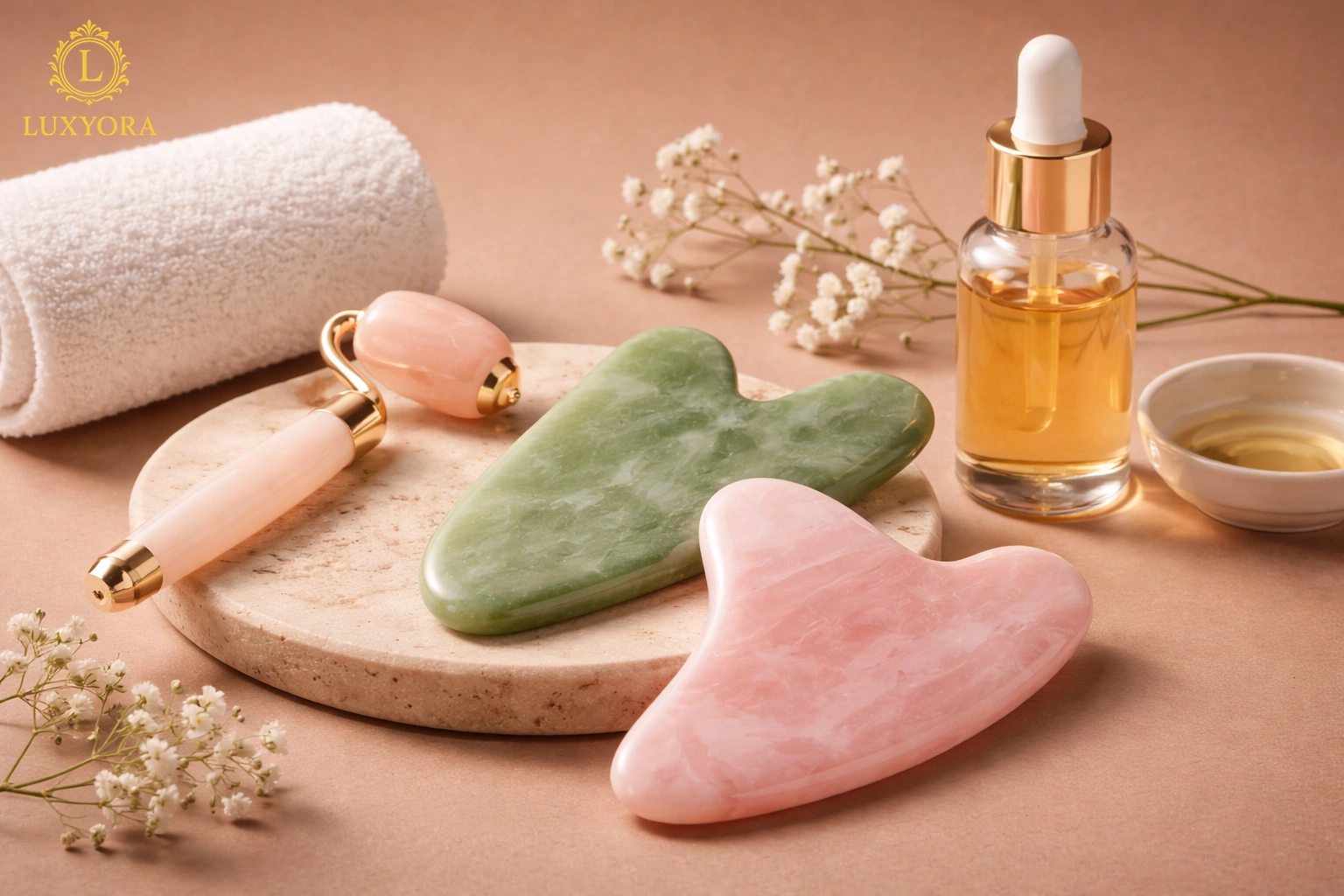
Modern facial Gua Sha tools are commonly made from materials such as:
- Rose quartz
- Jade
- Stainless steel
- Bian stone
- Amethyst
- Obsidian
These tools feature curved edges specifically designed to glide along facial contours, allowing users to perform targeted massage techniques on the cheeks, jawline, forehead, neck, and under-eye area.
Why Gua Sha Has Become a Beauty Industry Favorite
The beauty industry constantly evolves toward treatments that offer visible results without invasive procedures. Gua Sha aligns perfectly with this trend because it is:
- Non-invasive
- Affordable
- Easy to perform at home
- Compatible with most skincare routines
- Supportive of wellness and self-care practices
Unlike expensive cosmetic treatments, facial Gua Sha requires minimal equipment and can be integrated into a daily or weekly skincare regimen.
Consumers increasingly seek beauty rituals that combine skincare effectiveness with relaxation. Gua Sha fulfills both needs, making it highly appealing across multiple age groups.
How Gua Sha Works
Facial Gua Sha involves using a smooth stone or metal tool to perform gentle strokes across the face and neck.
The technique is believed to support:
- Microcirculation
- Lymphatic drainage
- Muscle relaxation
- Skin rejuvenation
- Facial tension release
When performed correctly, the tool glides across the skin using light to moderate pressure. This movement may help reduce fluid retention while promoting a more refreshed, sculpted appearance.
The process typically begins at the neck, then moves upward toward the jawline, cheeks, and forehead.
Top Benefits of Gua Sha for Skin
1. Reduces Facial Puffiness
One of the most immediate benefits users notice is reduced puffiness.
Morning swelling around the eyes and cheeks often results from fluid retention. Gua Sha massage techniques encourage lymphatic movement, which may help minimize this temporary puffiness.
Many users report a fresher and more awake appearance after only a few minutes of use.
2. Promotes a Sculpted Facial Appearance
Facial contouring is one of the primary reasons people incorporate Gua Sha into their beauty routine.
Regular practice may temporarily enhance the appearance of:
- Jawline definition
- Cheekbone prominence
- Facial symmetry
- Neck contours
While Gua Sha does not permanently alter facial structure, it can contribute to a more toned and sculpted look.
3. Supports Better Circulation
Massage techniques used during Gua Sha may increase blood flow to the skin.
Improved circulation can contribute to:
- Healthy-looking skin
- Natural radiance
- Temporary glow
- Enhanced skin vitality
This boost in circulation is one reason many people notice brighter skin immediately after treatment.
4. Relieves Facial Tension
Many individuals unknowingly hold tension in the:
This tension may be linked to stress, prolonged screen time, or teeth grinding.
Gua Sha provides a relaxing massage experience that can help ease muscle tightness and promote overall comfort.
5. Enhances Skincare Product Application
Using facial oils or serums during Gua Sha allows the tool to glide smoothly across the skin.
This process may help distribute products more evenly and improve the overall skincare experience.
Popular pairings include:
- Hyaluronic acid serums
- Facial oils
- Hydrating essences
- Anti-aging treatments
The Difference Between Gua Sha and Jade Rolling
Gua Sha and jade rollers are often confused, but they serve different purposes.
Gua Sha
- Uses sculpted scraping motions
- Targets muscle tension
- Provides deeper massage
- Offers more contouring effects
Jade Roller
- Uses rolling movements
- Primarily reduces puffiness
- Easier for beginners
- Provides lighter stimulation
Many skincare enthusiasts incorporate both tools into their beauty routines for complementary benefits.
How to Use Gua Sha Correctly
Following proper technique is essential for achieving the best results.
Step 1: Cleanse the Skin
Always begin with clean skin to avoid spreading dirt, oil, or bacteria.
Step 2: Apply Facial Oil
Never use a Gua Sha tool on dry skin.
Apply:
- Facial oil
- Serum
- Moisturizer
This reduces friction and prevents irritation.
Step 3: Start at the Neck
Use upward and outward strokes along the neck.
This prepares the lymphatic pathways before working on the face.
Step 4: Move to the Jawline
Glide the tool from the chin toward the ear.
Repeat several times on each side.
Step 5: Sculpt the Cheeks
Move from the side of the nose toward the ear using gentle pressure.
Step 6: Treat the Under-Eye Area
Use very light pressure due to the delicate skin.
Step 7: Finish with the Forehead
Stroke upward from the eyebrows toward the hairline.
Common Gua Sha Mistakes to Avoid
Many beginners unintentionally make errors that reduce effectiveness.
Using Too Much Pressure
Facial Gua Sha should feel gentle and relaxing.
Excessive pressure can cause irritation and redness.
Skipping Lubrication
Dry skin creates friction that may lead to discomfort.
Always use a suitable facial oil or serum.
Inconsistent Practice
Occasional use may provide temporary benefits, but consistency generally produces better visible results.
Poor Tool Hygiene
Failure to clean tools regularly can introduce bacteria to the skin.
Wash tools after each use and store them properly.
Best Gua Sha Materials for Different Skin Types
Rose Quartz
Ideal for:
- Sensitive skin
- Dry skin
- Daily use
Known for remaining cool and smooth.
Jade
Suitable for:
- Combination skin
- Oily skin
- Regular skincare routines
Popular due to its durability.
Stainless Steel
Ideal for:
- Professional environments
- Hygiene-conscious users
- Frequent cleaning
Bian Stone
Often preferred by advanced users familiar with traditional Gua Sha practices.
Example Beauty Scenarios Where Gua Sha Can Help
Scenario 1: Puffy Morning Face
A professional has an important morning meeting and wakes up with noticeable facial puffiness.
A 5–10 minute Gua Sha session focusing on lymphatic drainage can help create a fresher appearance before applying makeup.
Scenario 2: Stress-Induced Jaw Tension
An individual working long hours at a computer experiences jaw tightness and headaches.
Regular Gua Sha sessions may help relax facial muscles and support comfort.
Scenario 3: Pre-Event Skincare Preparation
Before weddings, photoshoots, or special occasions, many beauty professionals use facial massage techniques, including Gua Sha, to promote a radiant complexion.
Gua Sha and Anti-Aging Skincare
Although Gua Sha is not a replacement for clinical anti-aging treatments, it can complement an anti-aging skincare regimen.
Benefits may include:
- Temporary skin plumping
- Reduced appearance of fatigue
- Enhanced glow
- Relaxed facial muscles
When combined with quality skincare products and sun protection, Gua Sha can contribute to a healthier-looking complexion.
Professional Gua Sha Treatments in the Beauty Industry
Many spas, facial studios, and wellness clinics now offer specialized Gua Sha facials.
Professional treatments often combine:
- Facial massage
- Lymphatic drainage
- Hydration therapies
- LED treatments
- Advanced skincare products
These services have become increasingly popular as consumers seek natural beauty solutions that support relaxation and skin health.
Is Gua Sha Suitable for Everyone?
Most healthy individuals can safely enjoy facial Gua Sha.
However, people with the following conditions should consult a qualified healthcare professional before use:
- Active skin infections
- Severe acne flare-ups
- Open wounds
- Recent cosmetic procedures
- Certain skin disorders
Using appropriate pressure and technique is essential for safety and effectiveness.
The Future of Gua Sha in the Beauty Industry
The rise of holistic beauty trends suggests that Gua Sha will remain a significant part of modern skincare culture.
Consumers increasingly value:
- Natural beauty practices
- Self-care rituals
- Wellness-focused skincare
- Non-invasive facial treatments
As beauty brands continue innovating with new tools, educational resources, and professional treatments, Gua Sha is expected to remain a prominent feature of contemporary skincare routines.
Conclusion
Gua Sha has evolved from an ancient wellness practice into one of the most influential beauty industry trends of the modern era. Its ability to support facial massage, reduce puffiness, enhance relaxation, and complement skincare routines has made it a favorite among beauty professionals and consumers alike.
While it is not a miracle cure or substitute for medical treatments, consistent and proper use of Gua Sha can contribute to a refreshed, sculpted, and radiant appearance. Whether incorporated into a daily skincare ritual or enjoyed as part of a professional facial treatment, Gua Sha represents a powerful blend of traditional wisdom and modern beauty innovation.
References
Lad, V., & Durve, V. (2020). The complete book of Ayurvedic home remedies. Harmony Books.
Nestor, M. S., Ablon, G., & Stillman, M. A. (2021). Emerging trends in non-invasive facial rejuvenation and aesthetic treatments. Journal of Cosmetic Dermatology, 20(8), 2334–2342.
Sivamani, R. K., Jagdeo, J. R., & Elsner, P. (2019). Cosmetic dermatology: Products and procedures (3rd ed.). Wiley-Blackwell.
Thiyagarajan, M. (2021). Traditional East Asian beauty practices and their integration into modern skincare. International Journal of Cosmetic Science, 43(6), 593–602.
Wang, J., Xiong, X., & Feng, B. (2019). Effect of traditional Chinese therapeutic techniques on circulation and tissue health: A review. Evidence-Based Complementary and Alternative Medicine, 2019, 1–11.
Yoo, J., Kim, H., & Lee, S. (2022). Facial massage interventions and their impact on skin appearance and wellness outcomes. Journal of Cosmetic and Laser Therapy, 24(4), 175–183.
Zhang, Q., Li, X., & Chen, Y. (2023). Consumer adoption of holistic beauty treatments in the global skincare industry. Beauty and Wellness Research Review, 11(2), 45–59.