Blush
Blush is one of the most transformative products in the beauty industry. A few sweeps of the right shade can instantly brighten the complexion, create dimension, add warmth, and give the skin a youthful, healthy glow. While makeup trends come and go, blush remains a timeless cosmetic essential that continues to evolve with new formulas, application techniques, and color innovations.
In today’s beauty landscape, blush is no longer just a finishing touch. It has become a focal point in modern makeup artistry, influencing everything from natural “no-makeup” looks to editorial runway trends. Understanding how blush works, the different formulations available, and how to choose the perfect shade can help consumers make informed beauty decisions and achieve professional-looking results.
The modern beauty industry has transformed lipstick into a sophisticated product category with a range of finishes, formulations, ingredients, and benefits. Whether someone prefers a subtle nude shade for daily wear or a vibrant red for special occasions, there is a lipstick designed to meet every need and preference.
This comprehensive guide explores everything about lipstick, including its history, types, ingredients, benefits, selection tips, application techniques, emerging trends, and practical examples that help consumers make informed purchasing decisions.
What Is Blush?
Blush is a cosmetic product applied primarily to the cheeks to add color, warmth, and dimension to the face. It mimics the natural flush that occurs when blood flow increases beneath the skin, creating a healthy and vibrant appearance.
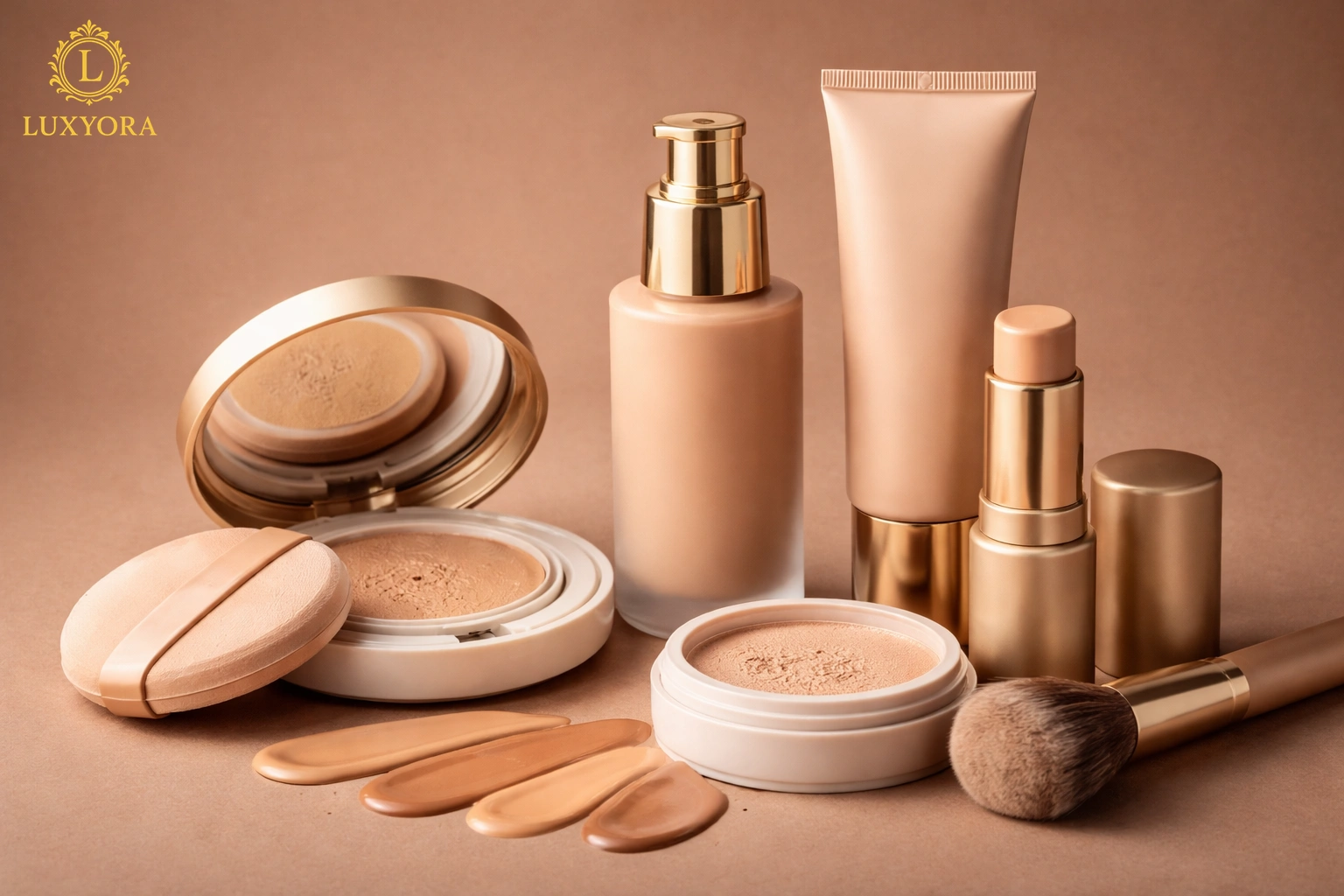
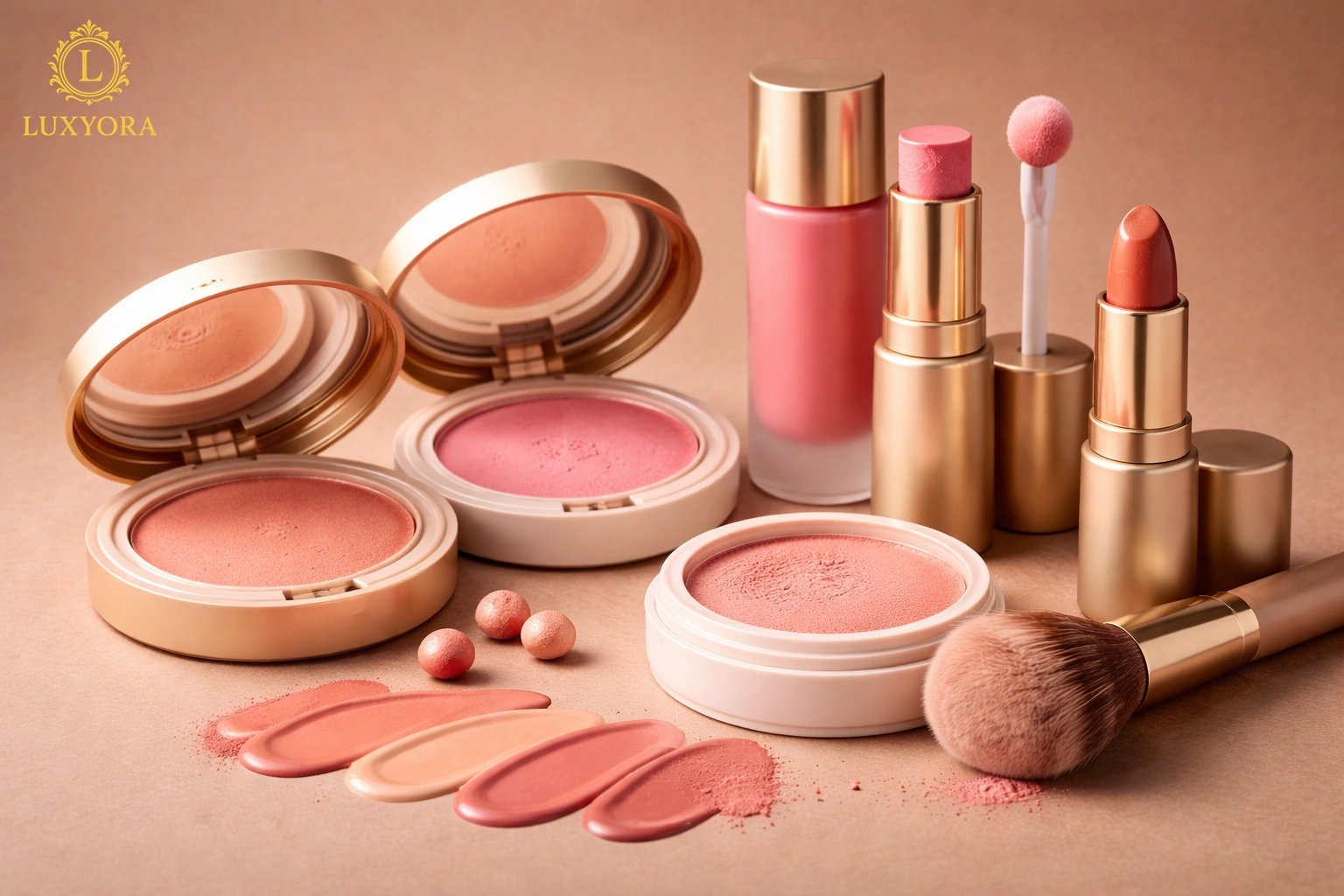
Available in various formulations such as powder, cream, liquid, gel, and stick formats, blush has become an essential part of many makeup routines. It is designed to complement skin tone, enhance facial structure, and bring balance to an overall makeup look.
In the modern beauty industry, blush is often used not only on the cheeks but also across the nose, temples, eyelids, and even lips to create cohesive monochromatic makeup looks.
The History of Blush in Beauty
Blush has a rich history dating back thousands of years. Ancient Egyptians used natural pigments to add color to their cheeks and lips. During the Renaissance period, rosy cheeks became a symbol of wealth and status. By the 20th century, commercial blush products became widely available, transforming the product into a mainstream beauty staple.
Today, advancements in cosmetic science have introduced skin-friendly formulas infused with skincare ingredients, allowing blush to deliver both aesthetic and skincare benefits.
Why Blush Is Important in Makeup
Many makeup enthusiasts focus heavily on foundation, concealer, and contour products. However, blush plays a critical role in restoring life and dimension to the face.
Adds Natural Warmth
Foundation and powder products can sometimes flatten the complexion. Blush reintroduces warmth and creates a naturally healthy appearance.
Enhances Facial Features
Strategic blush placement can help define cheekbones, soften facial contours, and improve facial balance.
Creates a Youthful Appearance
A subtle flush often conveys youthfulness and vitality. Properly applied blush can make the skin appear fresher and more radiant.
Completes the Makeup Look
Without blush, even expertly applied makeup can appear unfinished. It serves as the bridge between complexion products and eye makeup.
Types of Blush Products
The beauty industry offers multiple blush formulations, each designed for different skin types, preferences, and finishes.
Powder Blush
Powder blush remains one of the most popular options due to its ease of use and versatility.
Benefits include:
- Long-lasting wear
- Suitable for oily and combination skin
- Easy blending
- Wide shade availability
Powder blush works best when applied using a fluffy blush brush and layered gradually.
Cream Blush
Cream blush has gained significant popularity due to the rise of natural and dewy makeup trends.
Benefits include:
- Skin-like finish
- Hydrating feel
- Easy blending
- Ideal for dry and mature skin
Cream formulas can be applied using fingertips, brushes, or makeup sponges.
Liquid Blush
Liquid blush offers intense pigmentation and a highly natural finish.
Benefits include:
- Long wear time
- Buildable coverage
- Lightweight texture
- Excellent for modern glowing makeup looks
Many beauty professionals favor liquid blush for editorial and bridal makeup applications.
Stick Blush
Stick blush combines convenience with portability.
Benefits include:
- Travel-friendly
- Quick application
- Suitable for touch-ups
- Multi-purpose functionality
These products are often used on cheeks, lips, and eyelids.
Gel Blush
Gel blush creates a sheer, natural flush that closely resembles real skin coloration.
Benefits include:
- Lightweight texture
- Natural appearance
- Ideal for minimal makeup looks
- Comfortable wear
How to Choose the Right Blush Shade
Selecting the right blush color is one of the most important aspects of achieving a flattering result.
Fair Skin Tones
Suitable shades include:
- Soft pink
- Baby pink
- Peach pink
- Light coral
These colors create a natural-looking flush without overwhelming the complexion.
Medium Skin Tones
Suitable shades include:
- Rose
- Warm peach
- Apricot
- Mauve
Medium skin tones often have flexibility across a wide range of blush colors.
Olive Skin Tones
Suitable shades include:
- Terracotta
- Warm coral
- Deep peach
- Burnt rose
These shades complement the natural undertones commonly found in olive complexions.
Deep Skin Tones
Suitable shades include:
- Berry
- Rich plum
- Brick red
- Deep coral
Highly pigmented shades provide beautiful color payoff without appearing ashy.
Understanding Blush Undertones
Beyond skin depth, undertones play an important role in shade selection.
Warm Undertones
Individuals with warm undertones often look best in:
- Peach
- Coral
- Apricot
- Terracotta
Cool Undertones
Individuals with cool undertones generally suit:
Neutral Undertones
Neutral undertones can typically wear both warm and cool blush shades successfully.
Blush Placement Techniques for Different Face Shapes
The placement of blush can dramatically affect the appearance of facial structure.
Round Face
Apply blush slightly above the apples of the cheeks and blend upward toward the temples.
This creates a lifting effect and helps elongate the face.
Oval Face
Apply blush directly on the apples of the cheeks and blend outward.
Oval faces are naturally balanced and can accommodate most placement styles.
Square Face
Apply blush in circular motions around the apples of the cheeks to soften angular features.
Heart-Shaped Face
Concentrate blush slightly below the cheekbones and blend outward for balance.
Long Face
Apply blush horizontally across the cheeks rather than upward to create the illusion of width.
Current Blush Trends in the Beauty Industry
The beauty industry continually introduces new blush trends driven by social media, celebrity makeup artists, and runway shows.
Draping
Draping uses blush instead of contour to sculpt the face. The product extends from the cheeks to the temples for a lifted appearance.
Sunburn Blush
This trend places blush across the cheeks and nose bridge to mimic a natural sun-kissed glow.
Monochromatic Makeup
Many consumers use the same blush shade on cheeks, eyes, and lips to create a cohesive makeup look.
Blush Layering
Combining cream and powder blush products improves longevity while creating dimension and depth.
Blurred Blush
Soft-focus application techniques create a diffused appearance that resembles naturally flushed skin.
Common Blush Mistakes and How to Avoid Them
Even experienced makeup users occasionally encounter challenges with blush application.
Applying Too Much Product
Overapplication can make the makeup appear unnatural.
Solution:
Build color gradually and blend thoroughly.
Choosing the Wrong Shade
An unsuitable shade may clash with skin undertones.
Solution:
Test blush in natural lighting whenever possible.
Incorrect Placement
Poor placement may distort facial proportions.
Solution:
Consider face shape before applying product.
Skipping Blending
Harsh blush lines can appear obvious and unprofessional.
Solution:
Use clean brushes or sponges to diffuse edges.
Blush for Different Occasions
Everyday Makeup
Choose soft, natural shades with light application for a fresh appearance.
Professional Settings
Neutral rose and peach tones provide polish without appearing overly dramatic.
Weddings
Long-wearing cream-and-powder combinations ensure lasting color throughout the event.
Evening Events
Richer shades with satin finishes photograph beautifully and complement stronger makeup looks.
How the Beauty Industry Is Innovating Blush Products
Recent developments in cosmetic technology have significantly transformed blush products.
Skincare-Infused Formulas
Many modern blushes contain:
- Hyaluronic acid
- Vitamin E
- Plant extracts
- Antioxidants
These ingredients provide hydration and support skin health.
Sustainable Packaging
Beauty brands increasingly focus on recyclable materials and refillable packaging systems.
Inclusive Shade Ranges
Leading cosmetic companies now develop blush collections designed to flatter a wider variety of skin tones.
Multi-Functional Products
Consumers increasingly prefer products that function as blush, lip color, and eyeshadow simultaneously.
Practical Blush Scenarios and Examples
Scenario 1: Office Makeup
A marketing executive wants a polished look for client meetings.
Recommended approach:
A soft peach powder blush applied lightly to the cheeks creates a healthy and professional appearance.
Scenario 2: Bridal Makeup
A bride needs makeup that lasts throughout a 12-hour event.
Recommended approach:
Apply cream blush beneath powder blush in matching shades for enhanced longevity.
Scenario 3: Mature Skin
An individual with dry, mature skin wants a youthful glow.
Recommended approach:
Use a hydrating cream blush and avoid overly matte formulas.
Scenario 4: Minimalist Makeup Routine
A busy professional prefers quick makeup application.
Recommended approach:
Use a cream stick blush that doubles as lip color for a streamlined beauty routine.
Tips for Long-Lasting Blush
To maximize wear time:
- Start with properly moisturized skin.
- Apply makeup primer when necessary.
- Layer cream and powder formulas.
- Set makeup with setting spray.
- Avoid excessive touching of the face.
- Use products suitable for your skin type.
The Future of Blush in the Beauty Industry
Blush continues to evolve as consumer preferences shift toward natural beauty, multifunctional products, and skin-enhancing cosmetics. Future innovations will likely focus on personalized color technology, AI-driven shade matching, sustainable formulations, and skincare-makeup hybrids.
As beauty trends continue to embrace individuality and healthy-looking skin, blush remains one of the most versatile and impactful products in the cosmetic industry. Whether used to create a subtle daytime glow or a dramatic editorial statement, the right blush can elevate an entire makeup look while enhancing natural beauty.
Conclusion
Blush is far more than a simple cheek color. It is a powerful cosmetic tool that adds warmth, dimension, radiance, and personality to makeup looks. Understanding formulations, shade selection, placement techniques, and emerging trends enables consumers to achieve more flattering and professional results.
As the beauty industry continues to innovate, blush remains a cornerstone product that bridges artistry, self-expression, and skincare benefits. By selecting the right formula and applying it strategically, anyone can enhance their natural features and achieve a healthy, luminous complexion.
References
Agarwal, P., & Sharma, R. (2022). Cosmetic science and beauty innovations. Springer.
Barel, A. O., Paye, M., & Maibach, H. I. (2023). Handbook of cosmetic science and technology (5th ed.). CRC Press.
Draelos, Z. D. (2021). Cosmetic dermatology: Products and procedures (4th ed.). Wiley-Blackwell.
Euromonitor International. (2024). Beauty and personal care global industry report. Euromonitor International.
Grand View Research. (2024). Color cosmetics market size, share & trends analysis report. Grand View Research.
Mintel Group Ltd. (2023). Global makeup and color cosmetics trends report. Mintel.
Statista. (2024). Color cosmetics market revenue worldwide. Statista Research Department.
Tungate, M. (2021). Cosmetics: The history of beauty culture. Kogan Page.
Woodruff, A. (2022). Modern makeup artistry and cosmetic application techniques. Routledge.
Yazdanparast, A., & Spears, N. (2020). Consumer perceptions of cosmetic products and beauty trends. Journal of Global Fashion Marketing, 11(4), 321–337.