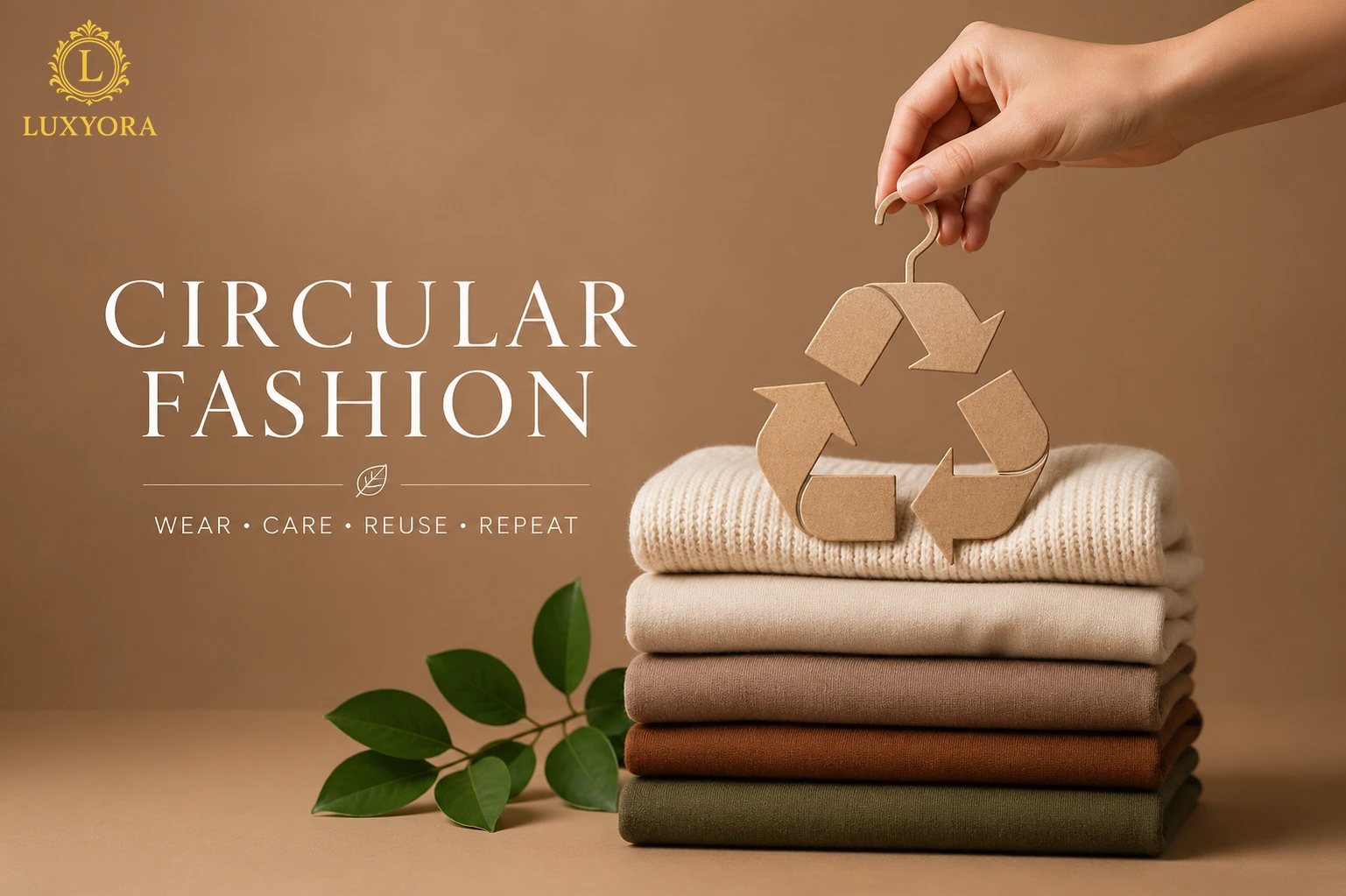
Circular Fashion: What is Circular Fashion
Circular fashion is more than just a trending term; it represents a transformational approach that changes the way we design, manufacture, wear, and dispose of clothing. As the global fashion sector faces growing concerns over its environmental and social effects, circular fashion provides a realistic, innovative solution grounded in sustainability, creativity, and accountability.
In this detailed guide, we’ll break down what circular fashion really means, why it matters, how it works in real life, and how individuals and businesses can adopt it. Whether you’re a fashion enthusiast, a brand owner, or simply someone trying to shop more consciously, this article will give you a clear, actionable understanding of the circular fashion movement.
What Is Circular Fashion?
Circular fashion describes a system where clothing is created, used, and disposed of with minimal waste and optimal resource use. It shifts away from the conventional “take-make-dispose” linear approach and instead focuses on reuse, recycling, repairs, and regeneration.
Key Principles of Circular Fashion
- Design for longevity: Clothes are made to last longer, both in quality and style
- Use of sustainable materials: Organic, recycled, or biodegradable fabrics
- Closed-loop systems: Products are reused or recycled into new garments
- Waste reduction: Minimizing textile waste at every stage
- Regeneration: Supporting ecosystems rather than depleting them
This approach aligns with the broader concept of a circular economy, where resources are kept in use for as long as possible.
Why Circular Fashion Matters Today
The fashion industry is one of the largest polluters globally. From excessive water usage to textile waste and carbon emissions, the environmental footprint is significant.
Environmental Impact
- The industry contributes heavily to global carbon emissions
- Massive amounts of water are used in cotton production
- Millions of tons of clothing end up in landfills each year
Circular fashion addresses these issues by extending product life cycles and reducing the need for virgin resources.
Social and Economic Benefits
- Promotes ethical labor practices
- Encourages local production and repair economies
- Creates new business models like resale and rental
Circular Fashion vs Fast Fashion
Understanding the difference between circular fashion and fast fashion helps clarify why this shift is so important.
Fast Fashion
- Rapid production cycles
- Low-cost, disposable clothing
- High environmental and ethical costs
Circular Fashion
- Slower, more intentional production
- High-quality, durable garments
- Focus on reuse and sustainability
Example Scenario:
A fast fashion shopper buys a trendy shirt for a single season and discards it. A circular fashion consumer, however, invests in a versatile piece that can be styled in multiple ways, repaired if damaged, or resold when no longer needed.
How Circular Fashion Works in Practice
Circular fashion isn’t just a theory; it’s already being implemented in various ways across the industry.
1. Sustainable Design
Designers are creating garments that are easier to recycle or biodegrade. This includes:
- Using mono-material fabrics
- Avoiding toxic dyes
- Designing for disassembly
2. Clothing Rental and Sharing
Rental platforms allow consumers to wear high-quality garments without owning them.
Example:
A customer rents a designer outfit for a wedding instead of buying something they’ll only wear once.
3. Resale and Second-Hand Markets
The resale market is booming, with platforms enabling users to buy and sell pre-owned clothing.
Practical Tip:
Start by selling clothes you no longer wear. This not only declutters your wardrobe but also extends the life of garments.
4. Repair and Upcycling
Instead of discarding damaged clothing, consumers can repair or creatively transform it.
Example Scenario:
A torn pair of jeans is turned into stylish shorts or patched for a unique look.
5. Recycling and Take-Back Programs
Brands are introducing programs that allow customers to return old clothes for recycling.
Materials Used in Circular Fashion
The choice of materials plays a critical role in a circular fashion.
Common Sustainable Materials
- Organic cotton
- Recycled polyester
- Tencel (lyocell)
- Hemp
- Bamboo fibers
Innovative Materials
- Bio-fabricated leather alternatives
- Regenerated fibers from textile waste
- Compostable fabrics
These materials reduce dependency on non-renewable resources and minimize environmental harm.
Challenges in Circular Fashion
While promising, circular fashion faces several obstacles.
1. High Production Costs
Sustainable materials and ethical labor practices often increase costs.
2. Consumer Awareness
Many consumers are still unaware of circular fashion principles.
3. Infrastructure Limitations
Recycling systems and supply chains are not yet fully optimized.
4. Greenwashing
Some brands falsely claim to be sustainable, making it harder for consumers to trust them.
Practical Tip:
Look for transparency in brand practices rather than just marketing claims.
How Consumers Can Embrace Circular Fashion
You don’t need to overhaul your lifestyle to support circular fashion. Small changes can make a big difference.
1. Buy Less, Choose Better
Invest in high-quality, timeless pieces
2. Care for Your Clothes
- Wash less frequently
- Use cold water
- Air dry instead of using a dryer
3. Repair Instead of Replace
Learn basic sewing skills or visit a local tailor.
4. Participate in Resale
Buy second-hand or sell unused clothing.
5. Support Sustainable Brands
Choose brands that prioritize circular practices.
Circular Fashion for Businesses
Brands and retailers play a crucial role in driving circular fashion.
Strategies for Brands
- Implement take-back programs
- Use recyclable packaging
- Design modular clothing
- Offer repair services
Business Model Innovation
- Subscription-based clothing
- Rental services
- Digital fashion and virtual clothing
Example Scenario:
A brand launches a subscription service in which customers receive seasonal clothing and return it after use for cleaning and redistribution.
The Future of Circular Fashion
Circular fashion is expected to grow rapidly as technology and awareness improve.
Trends to Watch
- AI-driven design for minimal waste
- Blockchain for supply chain transparency
- Advanced textile recycling technologies
- Growth of digital wardrobes
Policy and Regulation
Governments are introducing policies to encourage sustainable practices, such as extended producer responsibility (EPR).
Real-Life Example of Circular Fashion in Action
Imagine a young professional building a work wardrobe:
- They purchase high-quality basics
- Rent statement pieces for events
- Repair worn items instead of discarding them
- Sell clothes they no longer need
This approach not only saves money over time but also significantly reduces environmental impact.
Final Thoughts
Circular fashion represents a powerful shift toward a more sustainable and responsible fashion industry. By rethinking how we produce, consume, and dispose of clothing, we can reduce waste, conserve resources, and create a system that benefits both people and the planet.
Adopting circular fashion doesn’t require perfection; it starts with awareness and small, consistent choices. As consumers and businesses continue to embrace this model, the future of fashion looks not only stylish but sustainable.
References
Ellen MacArthur Foundation. (2019). A new textiles economy: Redesigning fashion’s future.
Fletcher, K. (2018). Sustainable fashion and textiles: Design journeys (2nd ed.). Routledge.
Niinimäki, K. (2020). Sustainable fashion in a circular economy. Aalto University.
Bocken, N. M. P., de Pauw, I., Bakker, C., & van der Grinten, B. (2018). Product design and business model strategies for a circular economy. Journal of Industrial and Production Engineering, 33(5), 308–320.
Global Fashion Agenda. (2021). Fashion on Climate Report.
Kirchherr, J., Reike, D., & Hekkert, M. (2018). Conceptualizing the circular economy. Resources, Conservation and Recycling, 127, 221–232.
McKinsey & Company. (2022). The State of Fashion Report.