Royal Jewellery
Royal jewellery has always fascinated people across cultures and generations. From glittering crowns to symbolic rings and ceremonial necklaces, these exquisite pieces are more than just accessories; they are embodiments of power, heritage, and artistry. Whether worn during coronations or displayed in museums, royal jewellery reflects centuries of tradition, craftsmanship, and political significance.
In this detailed guide, we’ll explore what royal jewellery really means, its historical roots, the symbolism behind iconic pieces, how it influences modern luxury markets, and practical insights for collectors and enthusiasts.
What is Royal Jewellery?
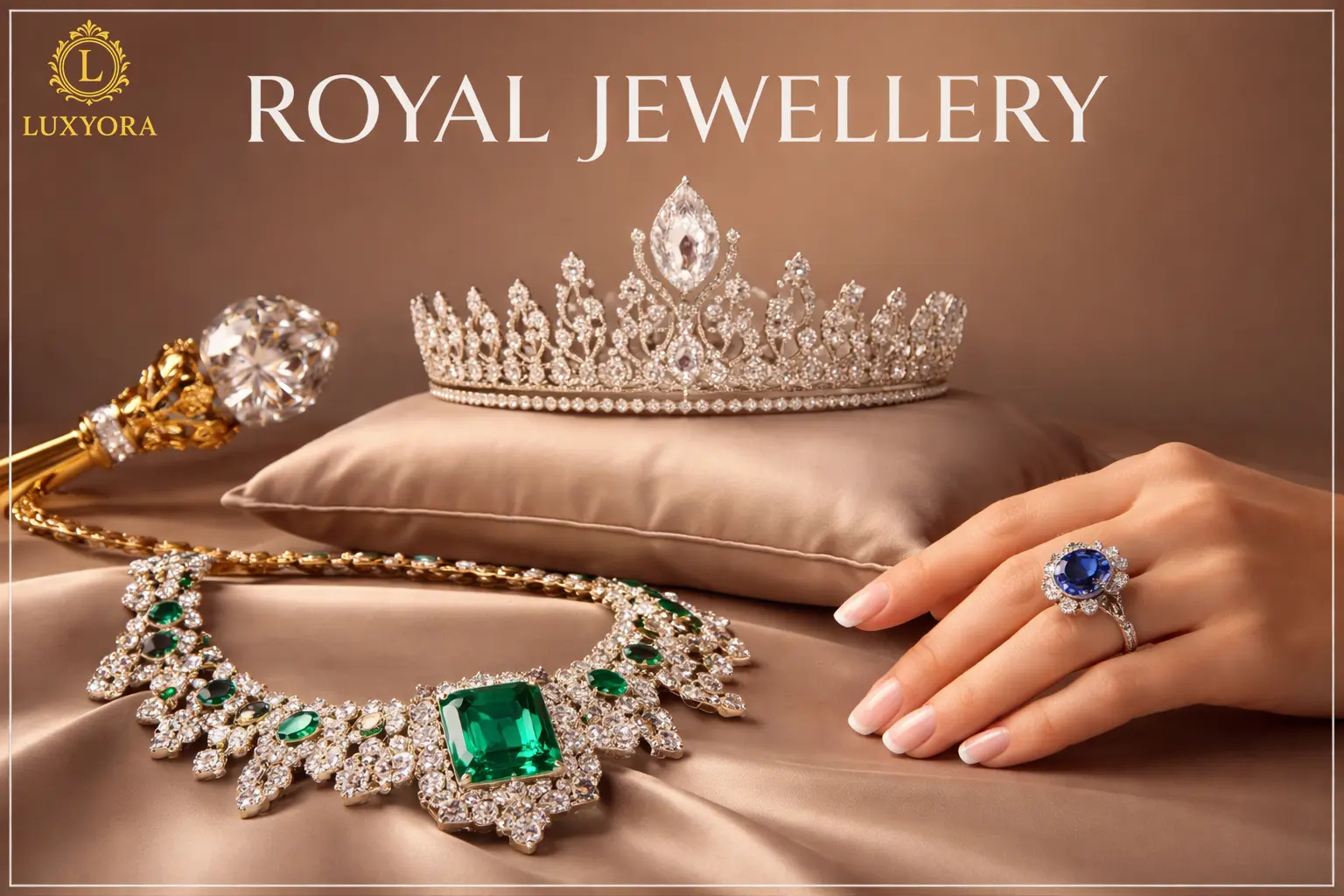
Royal jewellery refers to the collection of precious ornaments owned, worn, or commissioned by royal families. These pieces often include crowns, tiaras, necklaces, brooches, rings, and ceremonial regalia crafted with rare gemstones and precious metals.
Unlike ordinary jewellery, royal pieces are:
- Historically significant
- Passed down through generations
- Often tied to political or cultural events
- Crafted by master artisans
Royal jewellery is not just about luxury, it’s about legacy.
The Historical Evolution of Royal Jewellery
Ancient Civilizations
Royal jewellery dates back thousands of years. In ancient Egypt, pharaohs wore elaborate gold jewellery embedded with lapis lazuli and turquoise, symbolizing divine power. Similarly, rulers in Mesopotamia and India adorned themselves with gemstones believed to hold spiritual energy.
Medieval and Renaissance Europe
During the medieval era, crowns and scepters became symbols of monarchy. Jewellery was used to demonstrate wealth and divine right to rule. By the Renaissance period, craftsmanship improved significantly, introducing intricate gemstone cuts and enamel work.
Colonial and Modern Era
As empires grew, royal families obtained rare gems like diamonds from India, emeralds from Colombia, and sapphires from Sri Lanka. Today, these historically sourced stones remain a part of many royal collections.
Symbolism Behind Royal Jewellery
Every piece of royal jewellery carries meaning beyond aesthetics.
Crowns and Tiaras
These represent sovereignty and authority. The design often includes national symbols like crosses, fleurs-de-lis, or floral motifs.
Rings
Royal rings, especially coronation rings, symbolize commitment to the nation.
Necklaces and Brooches
These often commemorate alliances, marriages, or diplomatic relationships.
Gemstones and Their Meanings
- Diamonds: Strength and eternity
- Rubies: Passion and power
- Emeralds: Renewal and prosperity
- Sapphires: Wisdom and loyalty
Understanding these meanings adds depth to appreciating royal jewellery.
Iconic Royal Jewellery Pieces Around the World
British Royal Collection
The British royal family possesses one of the most famous jewellery collections, including crowns, tiaras, and ceremonial swords. Pieces are often reused across generations, maintaining continuity.
Indian Royal Jewellery
Indian maharajas were known for their extravagant jewellery collections. These include elaborate necklaces, turban ornaments (sarpech), and gemstone-studded belts.
Middle Eastern Royal Jewellery
Royal families in the Middle East are known for their preference for large diamonds and modern luxury designs, blending tradition with contemporary aesthetics.
European Royal Houses
Countries like Spain, Sweden, and Denmark maintain historic collections featuring heirloom tiaras and brooches worn during state occasions.
Craftsmanship and Materials in Royal Jewellery
Royal jewellery is a testament to exceptional craftsmanship.
Precious Metals
- Gold (yellow, white, rose)
- Platinum
- Silver (historically used in older pieces)
Gemstones
High-quality, rare gemstones are a defining feature:
- Flawless diamonds
- Deep-colored sapphires
- Untreated emeralds
Techniques Used
- Hand engraving
- Filigree work
- Stone setting (prong, bezel, pavé)
- Enameling
These techniques require years of expertise and are often passed down through generations of artisans.
Royal Jewellery in Modern Fashion
Royal jewellery continues to influence modern luxury and fashion trends.
Celebrity and Bridal Influence
Modern brides often choose tiaras or vintage-inspired jewellery influenced by royal designs. Celebrities also emulate royal styles at red carpet events.
Luxury Brands and Royal Inspiration
Many high-end jewellery brands create collections inspired by royal aesthetics, including vintage cuts, bold gemstones, and regal motifs.
Minimalism Meets Royalty
Interestingly, modern royal figures often opt for simpler pieces, blending tradition with contemporary minimalism.
Investment Value of Royal Jewellery
Royal jewellery is not just beautiful; it can also be a strong investment.
Why It Holds Value
- Historical significance
- Rare materials
- Provenance (ownership history)
Auction Market Trends
Royal jewellery pieces often fetch record-breaking prices at auctions, especially if linked to well-known monarchs.
Example Scenario:
A vintage brooch once owned by a royal family member can sell for millions due to its historical importance and rarity, even if its material value is lower.
Practical Tips for Collectors and Enthusiasts
If you’re inspired by royal jewellery and want to explore this niche, here are some practical tips:
1. Focus on Provenance
Always verify the history and authenticity of a piece. Documentation significantly increases value.
2. Understand Gem Quality
Learn about the 4Cs (cut, color, clarity, carat) for diamonds and equivalent standards for other gemstones.
3. Choose Timeless Designs
Pieces inspired by royal jewellery often have enduring appeal, making them safer investments.
4. Work with Trusted Dealers
Purchase from reputable auction houses or certified jewellers to avoid counterfeit items.
5. Consider Custom Designs
You can commission jewellery inspired by royal aesthetics without spending millions.
Example Situation:
A buyer interested in a royal-style engagement ring might choose a sapphire center stone with diamond accents mirroring iconic royal engagement rings while staying within budget.
Ethical Considerations in Royal Jewellery
In recent years, there has been growing awareness about ethical sourcing.
Conflict-Free Diamonds
Modern consumers prefer diamonds sourced without funding conflicts.
Sustainable Mining
Eco-friendly mining practices are becoming increasingly important.
Transparency
Brands and collectors now prioritize transparency in sourcing and production.
The Future of Royal Jewellery
Royal jewellery continues to evolve while preserving its heritage.
Digital Archiving
Many royal collections are being digitized for public viewing and preservation.
Modern Redesigns
Older pieces are often redesigned to suit contemporary tastes while maintaining their historical essence.
Cultural Preservation
Royal jewellery remains a vital part of national identity and cultural storytelling.
Conclusion
Royal jewellery is far more than a display of wealth; it is a living record of history, culture, and craftsmanship. From ancient civilizations to modern royal families, these pieces have symbolized power, love, and legacy.
Whether you’re a collector, a fashion enthusiast, or simply curious, understanding royal jewellery opens the door to a fascinating world where art meets history. As trends evolve and ethical considerations grow, the essence of royal jewellery remains timeless and an enduring symbol of elegance and heritage.
References
Cartier, Inc. (2019). Cartier: The King of Jewellers. Thames & Hudson.
Scarisbrick, D. (2020). Jewellery in Britain 1066–1837: A Documentary, Social, Literary and Artistic Survey. Boydell Press.
Pointon, M. (2021). Brilliant Effects: A Cultural History of Gem Stones and Jewellery. Yale University Press.
Vever, H. (2018). French Jewelry of the Nineteenth Century. Thames & Hudson.
Royal Collection Trust. (2022). The Crown Jewels: Official Guidebook. Royal Collection Publications.
The Victoria and Albert Museum. (2021). Jewellery Collection Highlights. V&A Publishing.
Christie’s Auction House. (2023). Magnificent Jewels Auction Reports. Christie’s Publications.