Rahul Mishra And Vaishali Shadangule Set Out India’s Fashion Export Ambitions At Bharat Tex 2026
Editor’s Note: LUXYORA is proud to be an official media partner of Bharat Tex 2026. This article forms part of our independent editorial coverage of the event, with no payment exchanged for publication.
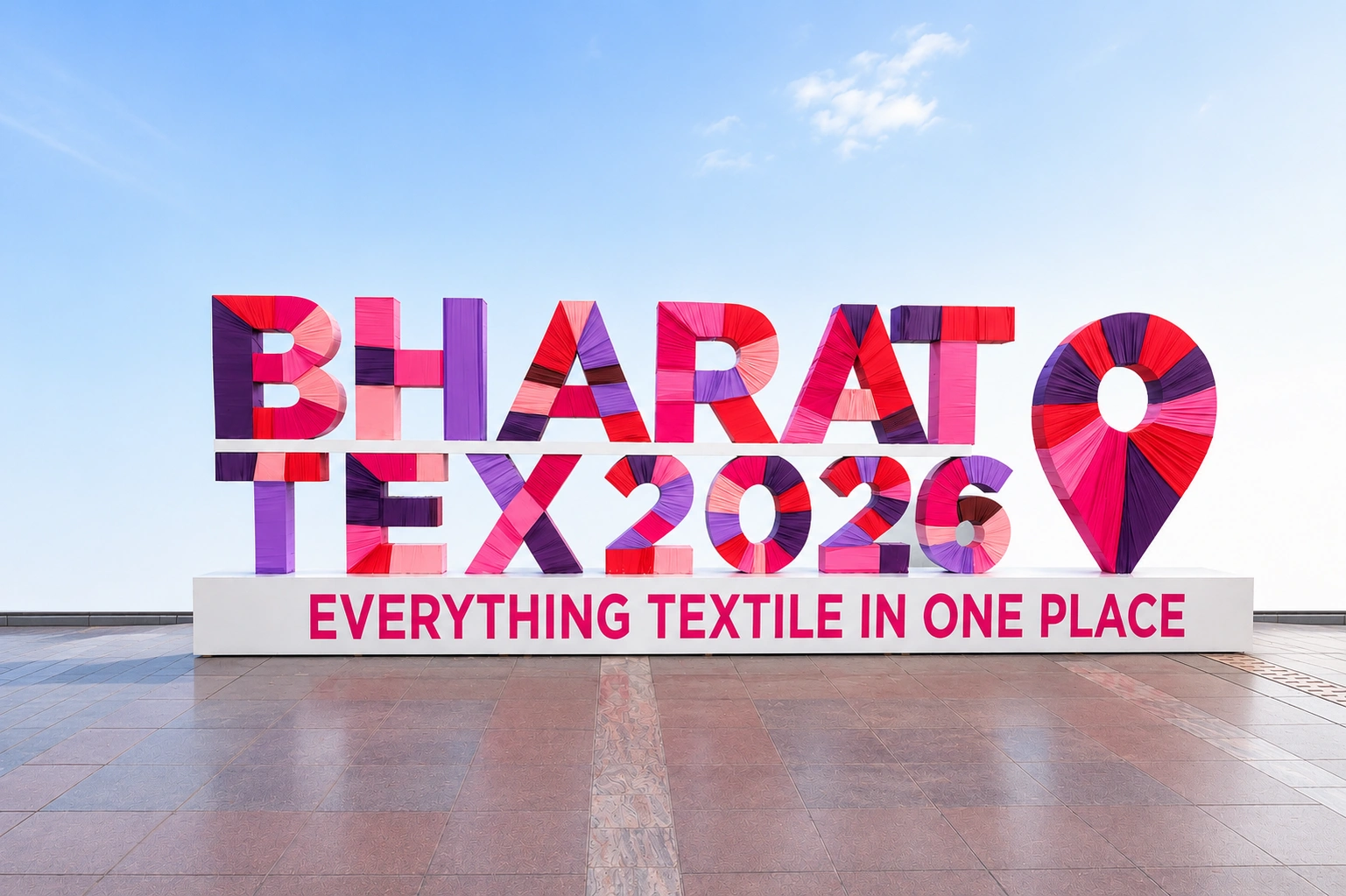
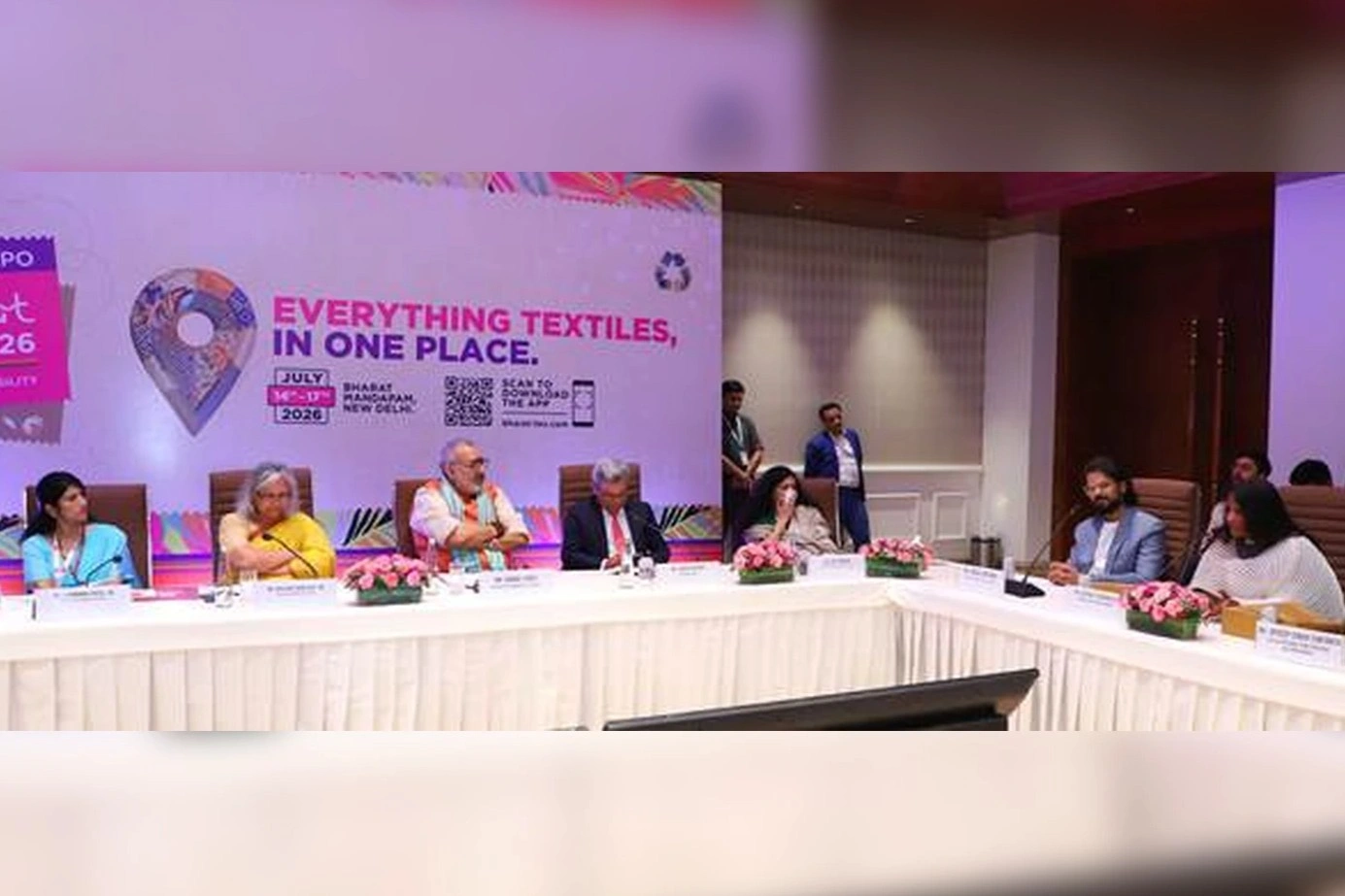
More than twenty panellists gathered at Bharat Mandapam in New Delhi on 16 July for a Bharat Tex 2026 session on turning India’s manufacturing scale into recognised, exportable fashion brands. Giriraj Singh, India’s Union Minister of Textiles, addressed the panel, titled “Indian Brands, Global Ambitions: Redefining Retail Growth Beyond Borders,” alongside designers Rahul Mishra and Vaishali Shadangule and representatives from ExpoBazaar, Welspun World, PDS, Pashmina.com, Trident and Neytt Homes. India’s textile and apparel exports reached roughly £24.5 billion in the 2025-26 financial year, with a government target of close to £70 billion by 2030.
Why UK Buyers Should Watch Bharat Tex 2026
The session took place a day after the India-UK Comprehensive Economic and Trade Agreement came into force, removing the 12 per cent duty the UK previously charged on Indian textile and apparel exports. For UK retailers and buyers already sourcing from India, that change lands directly on the products this panel was built to discuss.
Minister Giriraj Singh on Artisans As India's Wealth
The minister told the gathering that Indian artisans, designers and small manufacturers have the opportunity to build globally trusted brands without losing the craftsmanship that built the sector in the first place, with quality now mattering as much as export volume, alongside sustainability and traceability. “Artisans Bharat ki punji hain” [artisans are India’s true wealth], he said, pointing to Bharat Tex itself as evidence: a fair that connects artisans directly with international buyers and opens new routes to sustainable livelihoods.
Vaishali Shadangule's Case for Indian Weaves
Vaishali Shadangule, who became the first Indian woman designer to show on the official calendar of Paris Haute Couture Week in 2021 and has continued presenting there since, started her label with just four weaving families. That workshop has since grown into one where young women make up more than 90 per cent of the weavers, and she also named a broader goal of bringing back 100 traditional weaving techniques that had nearly disappeared. Capturing the global market, she said, means learning to “showcase the strengths of Indian weaves.”
Rahul Mishra on Craft, Couture and Authenticity
Rahul Mishra, on the Paris Haute Couture Week calendar since 2020 as the first Indian designer to show there officially, opened this July’s edition of the event with a collection titled Devi: The Eternal Muse, presented on 6 July, ten days before he joined this panel. Drawing on stone carvings from South Indian temples, the collection put his craft-first approach to Indian design in front of the same Paris audience he referenced at Bharat Tex. “Focus on remaining true to Indian craftsmanship rather than altering designs to suit every geography,” he remarked, framing authenticity itself as a point of difference. He cast handmade crafts and handlooms as holding the soul of India, saying this mattered even more as artificial intelligence becomes part of design and manufacturing.
Storytelling As Strategy
Nand Kishore Chaudhary, founder of Jaipur Rugs, made a similar point about storytelling, arguing that a brand rooted firmly in its own history becomes much harder for a rival to imitate.
Amazon Makes Its Case
E-commerce leaders positioned marketplaces and omnichannel strategies as central to reaching international buyers, noting that scaling takes time but builds lasting reach once it happens. Srinidhi Kalvapudi, country head at Amazon Global Selling, opened with the numbers: more than two lakh sellers now use the platform, including artisans from tier-two and tier-three Indian cities. “India should not only export more but also be remembered more,” she said, and described brand-building as essential to Indian exporters’ ability to compete globally. Amazon Global Selling operates in more than eighteen international markets, and the UK sits alongside the US, UAE and Canada among the destinations already carrying Indian-made goods.
Manufacturers And Officials Weigh In
Larger manufacturers pushed a different angle. Anil Rajvanshi of Reliance Industries welcomed government cluster development schemes, saying integrated manufacturing ecosystems give Indian brands the scale to compete abroad. Venkatesalu Palaniswamy, Trent’s managing director, pushed for a recognisable global identity for Indian textiles, built on consistent quality and reliable delivery, backed by faster and more transparent supply chains.
On the government side, Jawed Ashraf of the India Trade Promotion Organisation contended that the ‘Made in India’ label should become shorthand for consistent, high-end craftsmanship as the country’s export volumes keep climbing, while Neelam Shami Rao of the Ministry of Textiles called for stronger designer houses and greater e-commerce visibility and said brand-building only pays off after years of consistent work.
What Happens Next
By the end of the session, the through-line was less about individual brands and more about infrastructure. Officials and panellists agreed that scaling India’s fashion exports depends on stronger storytelling, more developed manufacturing clusters and greater visibility for the craftsmanship behind the products. What that collaboration between government and industry will actually look like was left open, since the session ended without any new policy or funding commitments attached.