Chemical Exfoliation
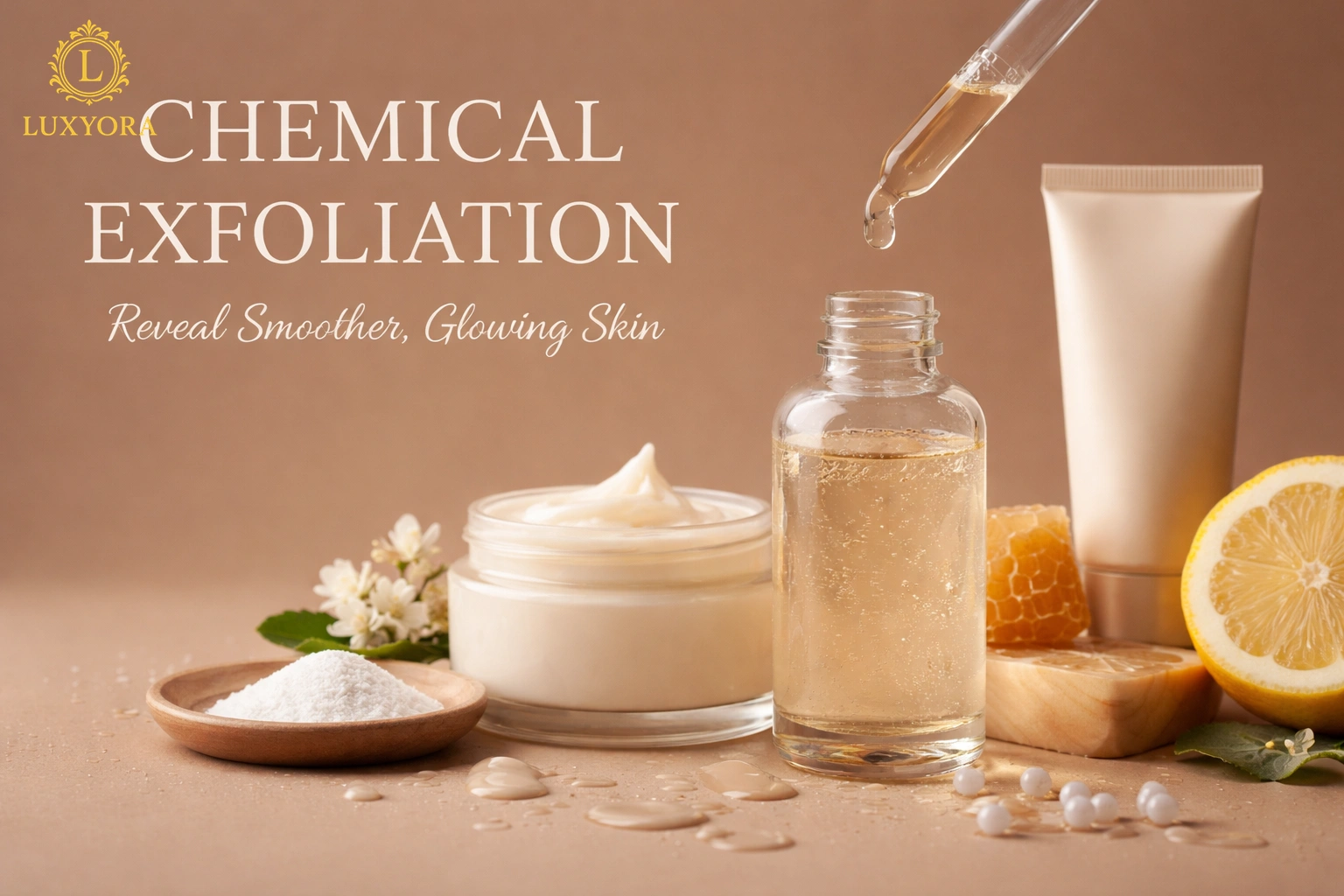
Chemical exfoliation has become one of the most talked-about skincare practices in recent years, and for good reason. From dermatology clinics to everyday skincare routines, this method is widely recognized for transforming dull, uneven skin into a radiant, smooth complexion. But what exactly is chemical exfoliation, and how does it work?
In this comprehensive guide, we’ll break down everything you need to know from the basics of exfoliation to advanced insights into acids, benefits, risks, and practical usage tips. Whether you’re a beginner or a skincare enthusiast, this article will help you understand chemical exfoliation in a clear, actionable way.
What Is Exfoliation?
Exfoliation is the process of removing dead skin cells from the outermost layer of the skin (the stratum corneum). Our skin naturally sheds these cells every 28-40 days, but factors like aging, pollution, and improper skincare can slow this process.
When dead skin cells accumulate, they can cause:
- Dull and uneven skin tone
- Clogged pores and acne
- Rough texture
- Reduced absorption of skincare products
Exfoliation helps accelerate cell turnover, revealing fresher, healthier skin underneath.
Physical vs Chemical Exfoliation
Understanding the difference between physical and chemical exfoliation is essential before diving deeper.
Physical Exfoliation
Physical exfoliation involves manually scrubbing the skin using abrasive particles or tools such as:
- Face scrubs
- Brushes
- Sponges
Pros:
- Instant smoothness
- Easy to use
Cons:
- Can cause micro-tears
- May irritate sensitive or acne-prone skin
Chemical Exfoliation
Chemical exfoliation uses acids or enzymes to dissolve the bonds holding dead skin cells together.
Pros:
- More even and controlled exfoliation
- Suitable for various skin concerns
- Less abrasive
Cons:
- Requires proper knowledge and usage
Risk of irritation if misused
Why Exfoliation Is Important in Skincare
Exfoliation plays a critical role in maintaining healthy skin. Here’s why:
Removes Dead Skin Cells
Dead skin buildup can make your complexion look dull and tired. Exfoliation clears this layer, revealing brighter skin.
Improves Skin Renewal
By encouraging faster cell turnover, exfoliation helps maintain youthful skin and reduces signs of aging.
Prevents Acne and Clogged Pores
Exfoliation helps remove debris and excess oil that can block pores, reducing breakouts.
Enhances Product Absorption
When dead skin is removed, serums and moisturizers penetrate deeper and work more effectively.
Types of Chemical Exfoliants
Chemical exfoliants are categorized based on their molecular structure and function.
Alpha Hydroxy Acids (AHAs)
AHAs are water-soluble acids derived from natural sources like fruits and milk. They work on the skin’s surface.
Common AHAs:
- Glycolic acid
- Lactic acid
- Mandelic acid
Best for:
- Dry skin
- Uneven texture
- Fine lines
Benefits:
- Brightens skin tone
- Improves hydration
- Smooths texture
Beta Hydroxy Acids (BHAs)
BHAs are oil-soluble acids, making them ideal for penetrating deeper into pores.
Common BHA:
Best for:
- Oily and acne-prone skin
- Blackheads and whiteheads
Benefits:
- Clears clogged pores
- Reduces inflammation
Controls oil production
Polyhydroxy Acids (PHAs)
PHAs are newer, gentler acids with larger molecules that penetrate slowly.
Common PHAs:
- Gluconolactone
- Lactobionic acid
Best for:
Benefits:
- Gentle exfoliation
- Hydration
- Antioxidant properties
Enzyme-Based Exfoliants
Derived from fruits like papaya and pineapple, these exfoliants break down dead skin proteins.
Best for:
- Sensitive or reactive skin
How Chemical Exfoliation Works
Chemical exfoliants work by loosening the “glue” (desmosomes) that binds dead skin cells together. Once these bonds are broken, the dead cells shed more easily.
Key mechanisms include:
- Dissolving intercellular bonds
- Stimulating collagen production
- Increasing skin cell turnover
Over time, this leads to smoother, brighter, and healthier-looking skin.
Benefits of Chemical Exfoliation
Chemical exfoliation offers multiple skin benefits when used correctly:
Brighter Complexion
Removes dull surface layers, revealing radiant skin.
Reduced Fine Lines and Wrinkles
Encourages collagen production and improves skin elasticity.
Acne Control
Keeps pores clean and reduces breakouts.
Even Skin Tone
Helps fade hyperpigmentation and dark spots.
Improved Texture
Smooths rough patches and enhances softness.
Risks and Side Effects
While effective, chemical exfoliation must be used carefully.
Common Side Effects:
- Redness
- Irritation
- Dryness
- Peeling
Serious Risks:
- Chemical burns (from overuse)
- Increased sun sensitivity
- Skin barrier damage
Who Should Use or Avoid Chemical Exfoliation
Ideal Candidates
- People with acne or clogged pores
- Individuals with uneven skin tone
- Those experiencing dull or rough skin
Who Should Avoid It
- People with extremely sensitive skin
- Individuals with active skin infections
- Those using strong prescription treatments (unless advised)
Practical Tips for Safe Use
Start Slow
Begin with low concentrations and use once or twice a week.
Patch Test
Always test a small area before full application.
Use Sunscreen
Chemical exfoliation increases sun sensitivity daily SPF is essential.
Avoid Over-Exfoliation
More is not better. Overuse can damage your skin barrier.
Hydrate and Repair
Use moisturizers and barrier-repair ingredients like ceramides.
Example Situations and Scenarios
Scenario 1 – Acne-Prone Skin
A person struggling with frequent breakouts may benefit from a BHA, such as salicylic acid, to unclog pores and reduce inflammation.
Scenario 2 – Dry and Dull Skin
Someone with flaky, dull skin might prefer AHAs like lactic acid for gentle exfoliation and hydration.
Scenario 3 – Sensitive Skin Beginner
A beginner with sensitive skin could start with PHAs to minimize irritation while still gaining benefits.
Scenario 4 – Anti-Aging Routine
An individual targeting fine lines may incorporate glycolic acid to boost collagen and improve skin texture.
Chemical Exfoliation in the Skincare Industry
Chemical exfoliation has evolved significantly in the beauty industry. Modern formulations combine multiple acids with soothing ingredients, making them more accessible and safer for home use.
Key trends include:
- Multi-acid formulations
- Low-irritation blends
- At-home chemical peels
- Personalized skincare routines
The growing demand for effective, science-backed skincare has made chemical exfoliation a cornerstone of modern beauty regimens.
Final Thoughts
Chemical exfoliation is a powerful tool for achieving healthier, smoother, and more radiant skin. When used correctly, it can address a wide range of concerns from acne to aging.
However, the key lies in understanding your skin type, choosing the right exfoliant, and using it responsibly. With proper care and consistency, chemical exfoliation can significantly elevate your skincare routine.
Chemical exfoliation can transform your skincare routine, but understanding where to begin is the key to getting it right. Discover why in Beginner’s Guide to Chemical Exfoliation.
References
- Draelos, Z. D. (2018). Cosmetic Dermatology: Products and Procedures. Wiley-Blackwell.
- Mukherjee, S., Date, A., Patravale, V., et al. (2019). Retinoids in the treatment of skin aging: An overview of clinical efficacy and safety. Clinical Interventions in Aging, 14, 1521–1532.
- Tang, S. C., & Yang, J. H. (2018). Dual effects of alpha-hydroxy acids on the skin. Molecules, 23(4), 863.
- Kircik, L. H. (2020). Advances in chemical exfoliation. Journal of Clinical and Aesthetic Dermatology, 13(2), 20–25.
- Barel, A. O., Paye, M., & Maibach, H. I. (2021). Handbook of Cosmetic Science and Technology. CRC Press.
- Rawlings, A. V., & Harding, C. R. (2019). Moisturization and skin barrier function. Dermatologic Therapy, 32(3).
-
- Zeichner, J. A. (2020). Exfoliation and skin barrier balance. Dermatology Times, 41(6).