How to Fix Scuff Marks on Shoes | Luxyora
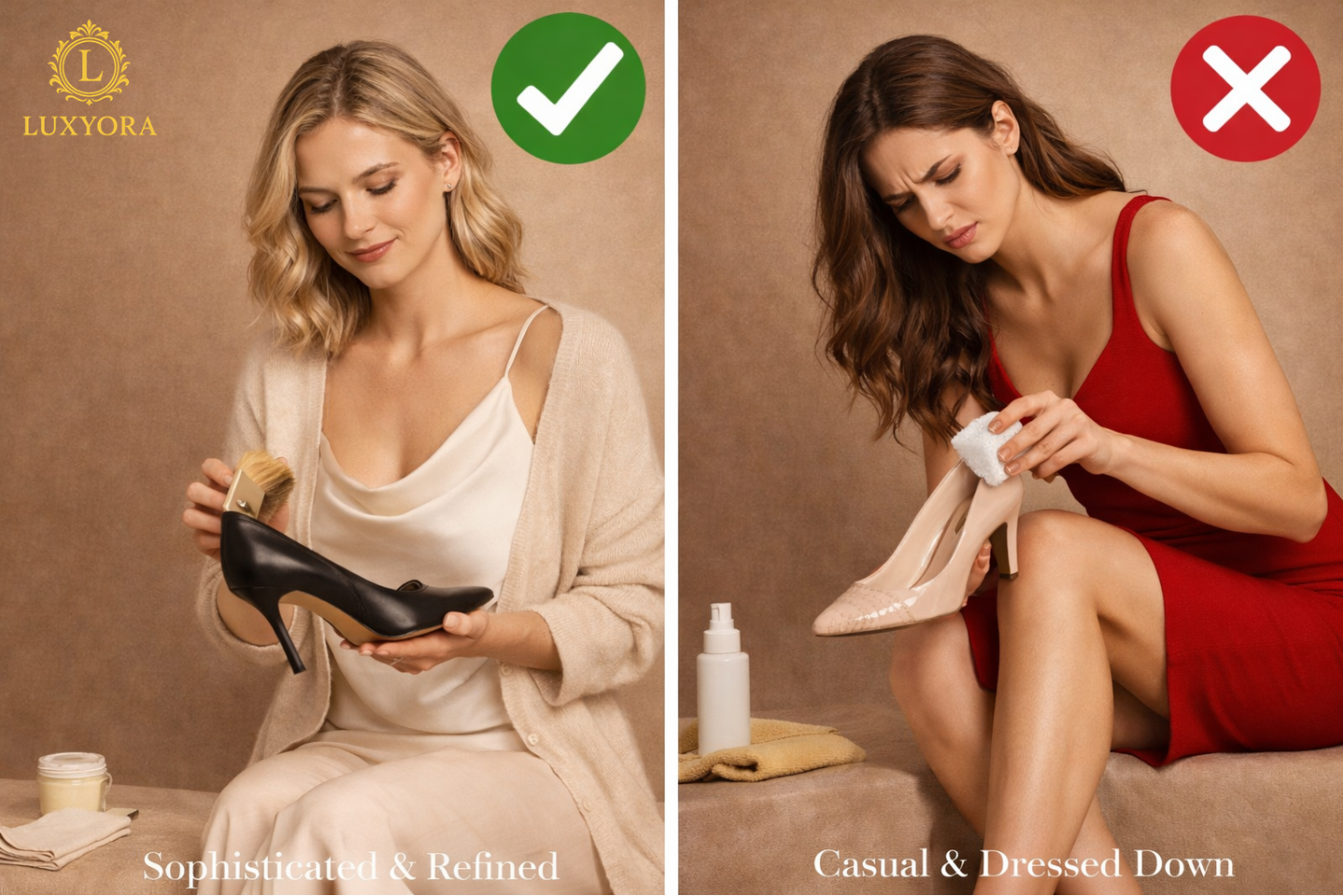
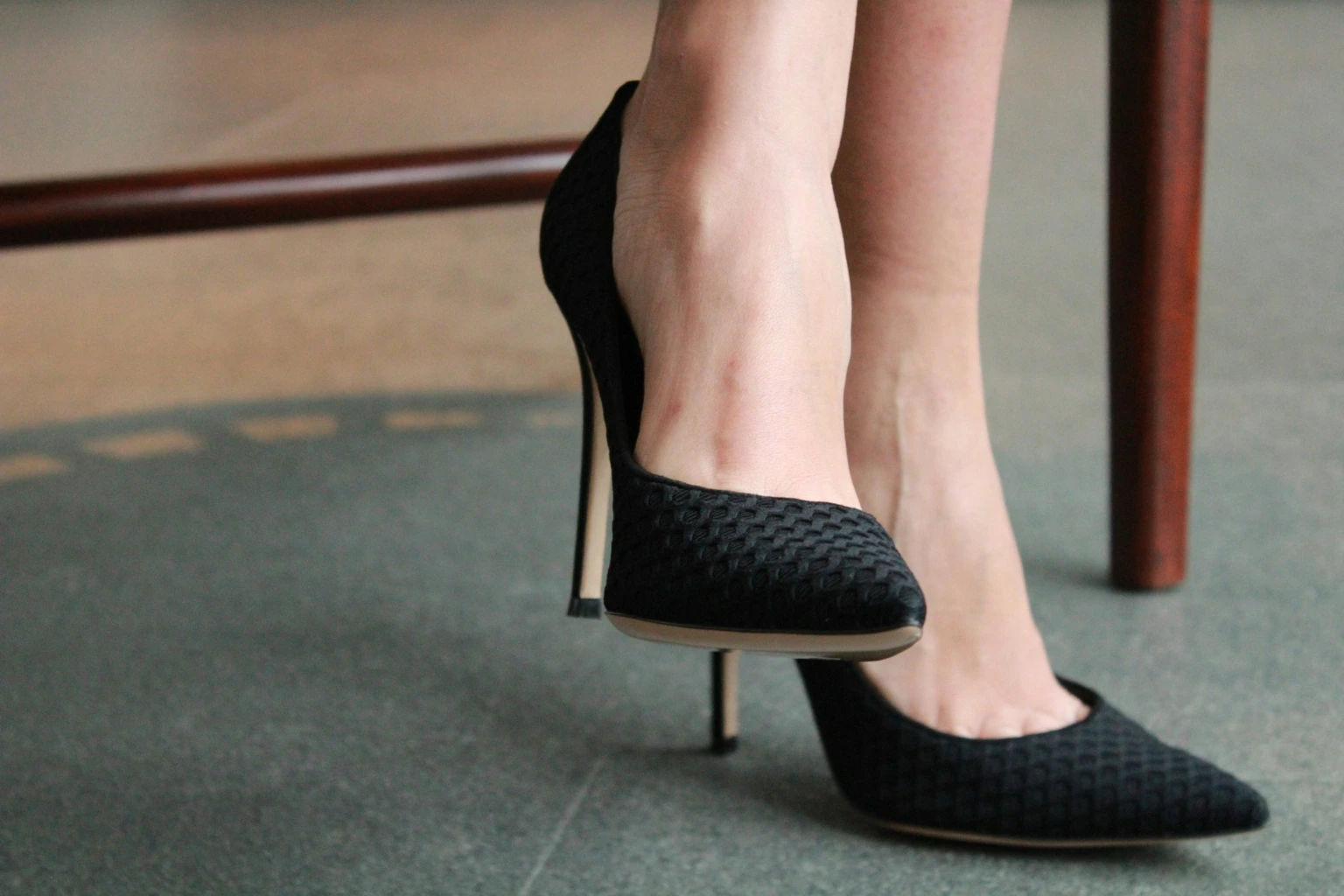
Scuff marks are the rude little interruptions of an otherwise impeccable day. One minute your shoes look pristine; the next, there’s a chalky scrape across the toe like your footwear brushed shoulders with a concrete wall and lost the conversation. The good news: most scuffs aren’t “damage” so much as surface transfer, a bit of rubber, paint, or abrasion sitting on top of the finish. With the right approach (and a touch of restraint), you can make shoes look freshly unboxed again without turning your living room into a chemistry lab.
Below is a practical, luxury-friendly guide to removing scuffs by material, plus the exact “do this, not that” steps that keep premium leather and suede looking expensive for longer.
First: Identify the Material (Because One Wrong Move Can Make It Worse)
Before you touch the scuff, check what you’re working with:
- Smooth leather: classic dress shoes, many boots, some sneakers
- Suede or nubuck: velvety or brushed texture
- Patent leather: glossy, mirror-like finish
- Coated leather / faux leather: often looks uniform, slightly plastic-y
- Canvas: fabric uppers (sneakers, espadrilles)
- Rubber soles & midsoles: white sneaker edges and bottom layers
If you’re unsure, treat it like suede first (dry methods only). “Gentle” is always the most luxurious first step.
Your Minimal, High-Impact Scuff Kit
You don’t need a hundred products, just the right few:
- Soft microfiber cloths (two: one damp, one dry)
- Soft brush (horsehair for leather, suede brush for suede)
- Neutral leather cleaner or mild soap
- Leather conditioner (for smooth leather)
- Cream polish (color-matched if needed)
- Suede eraser (or clean white pencil eraser)
- White vinegar or rubbing alcohol (spot-use only, on suede stains sparingly)
- Cotton swabs (precision work)
- Optional: melamine foam (“magic eraser”) for rubber midsoles only
Smooth Leather: The Most Forgiving (If You Rehydrate After)
Best approach: clean → buff → condition → polish.
1. Wipe first (no drama).
Use a slightly damp microfiber cloth to remove dust and surface transfer. Many scuffs lift right here.
2. Use a small amount of leather cleaner.
Apply cleaner to the cloth (not directly to the shoe) and work in tiny circles. Don’t scrub pressure aggressively; it’s the fastest route to dull patches.
3. Buff dry.
A clean, dry cloth or soft brush restores the sheen and shows what’s left of the scuff.
4. Condition (non-negotiable for luxury leather).
If you used cleaner or if the leather looks thirsty, apply a small amount of conditioner to keep the finish supple and prevent cracking.
5. Blend with cream polish.
If the scuff removed color (common on toes), a color-matched cream polish evens it out beautifully. Apply lightly, let it set, then buff.
A quick fix can improve the appearance of a shoe, but restoring its original character takes a more thoughtful approach. The difference often reveals itself in the care rituals that follow. Continue reading in Shoe Care 101: Polishing and Conditioning Leather.
If the scuff is actually a scratch (you can feel a groove): You can often soften the look with conditioner and polish, but deep scratches may need recoloring or professional refinishing.
Suede & Nubuck: Stay Dry, Stay Calm
Suede is glamorous but sensitive, think cashmere for your feet. Water and over-rubbing can create permanent dark patches or flatten the nap.
1. Let the shoe dry fully.
Never treat wet suede. Air dry away from heat.
2. Brush with the nap.
Use a suede brush in one direction first, then gently back and forth only where the scuff is.
3. Eraser method for scuffs.
A suede eraser (or white pencil eraser) is ideal. Light pressure. Short strokes. Then brush again.
4. For stubborn marks: spot-dab only.
A tiny amount of white vinegar or rubbing alcohol on a cloth can lift marks because it evaporates quickly. Dab don’t soak, let dry, then brush to restore texture.
5. Finish with protection.
Once clean and dry, a suede protector spray helps prevent the next scuff from sinking in.
A mark on your shoes doesn’t always mean damage but the way you respond to it matters. Certain finishes require a lighter touch and a completely different approach than most people expect. Explore the details in How to Clean Suede Shoes.
Patent Leather: Clean the Surface, Don’t “Sand” the Shine
Patent leather scuffs often look dramatic because the finish is glossy any disturbance shows.
1. Warm, gentle wipe.
Use a damp cloth with a tiny bit of mild soap to remove transfer.
2. Buff with microfiber.
Sometimes the scuff is just residue sitting on the coating.
3. Spot precision.
If a mark remains, try a very small amount of non-oily cleaner on a cloth first. Avoid harsh solvents: the patent coating can cloud or peel.
If the patent surface has actually cracked or lifted, stop. This is cobbler territory.
Rubber Soles & White Sneaker Midsoles: The Magic Eraser Zone
Those gray scuffs on white midsoles? Usually, the rubber transfer is totally fixable.
1. Soap and water first.
Use mild soap with a cloth. If it lifts, you’re done.
2. Melamine foam (carefully).
Dampen the foam and rub only the rubber midsole, not the leather uppers. It’s mildly abrasive, so keep it controlled and minimal.
3. Wipe clean.
Remove the residue with a clean, damp cloth, then dry.
Canvas & Fabric Uppers: Blot, Don’t Bleach
Canvas scuffs are often dirt or rubber transfer.
1. Dry brush first.
Remove surface dirt before adding moisture.
2. Spot clean with mild soap.
Use a soft cloth or toothbrush with diluted soap. Work gently.
3. Rinse carefully.
Use a clean, damp cloth to wipe away soap residue, then air-dry.
Avoid soaking and skip harsh whitening hacks, as over time they can yellow fabric or weaken fibers.
When to Stop DIY and See a Cobbler
Luxury is also knowing when to outsource. Consider professional help if:
- The scuff removed a noticeable layer of color or finish
- You see cracking, peeling, or deep gouges
- The shoe is exotic leather (croc, python) or has delicate designer finishes
- The toe structure is dented, or the surface feels “brittle.”
A good cobbler can recolor, refinish, and restore without leaving that “patched” look.
The Golden Rules of Scuff Prevention
- Rotate shoes (they need recovery time)
- Use shoe trees for leather styles
- Store in dust bags or boxes, especially suede and patent
- Apply a protectant appropriate to the material
- Don’t “over-clean” frequent harsh cleaning ages shoes faster than normal wear
Luxyora Philosophy: A polished life is built on small rituals, care for what carries you, and it will return the favor in every confident step.
References: