Investment Handbag : What is Investment Handbag
The concept of an Investment Handbag has transformed the luxury fashion industry over the past decade. While handbags were traditionally viewed as fashion accessories, certain luxury bags have evolved into alternative investment assets that can appreciate in value over time. Today, collectors, fashion enthusiasts, and investors alike are exploring the potential of luxury handbags as part of a diversified portfolio.
The investment handbag market is driven by exclusivity, craftsmanship, brand heritage, limited production, and strong demand from global consumers. Some luxury handbags have demonstrated remarkable resale performance, outperforming traditional assets during specific market periods. As a result, understanding the investment handbag industry has become increasingly important for anyone interested in luxury goods, fashion economics, and alternative investments.
This guide explores everything you need to know about investment handbags, including how they work, what makes a handbag valuable, practical buying strategies, resale considerations, and real-world scenarios that illustrate how luxury bags can become profitable assets.
What Is an Investment Handbag?
An investment handbag is a luxury handbag purchased not only for personal use but also for its potential to retain or increase in value over time. Unlike ordinary fashion accessories that depreciate after purchase, certain high-end bags can appreciate due to scarcity, brand prestige, and collector demand.
Luxury brands such as Hermès, Chanel, and Louis Vuitton have created iconic handbag models that consistently attract buyers in both primary and secondary markets. Limited availability, waiting lists, and periodic retail price increases contribute to their investment appeal.
An investment handbag generally possesses several key characteristics:
- Exceptional craftsmanship
- Strong brand reputation
- Limited production numbers
- High resale demand
- Timeless design
- Durable materials
- Historical market performance
These attributes help distinguish investment-grade handbags from ordinary luxury purchases.
Why Investment Handbags Have Become Popular
The growing popularity of investment handbags is closely linked to changes in consumer behavior and the rise of the luxury resale market.
Several factors have contributed to this trend:
Increasing Luxury Resale Demand
The pre-owned luxury market has expanded significantly as consumers seek sustainable purchasing options and access to rare items. Online resale platforms have made it easier than ever to buy and sell luxury handbags globally.
Alternative Asset Diversification
Investors increasingly look beyond traditional investments such as stocks, bonds, and real estate. Tangible luxury assets offer a unique diversification opportunity.
Scarcity Creates Value
Luxury brands intentionally limit production of their most iconic handbags. Scarcity often fuels demand, creating favorable conditions for long-term value appreciation.
Strong Global Luxury Consumption
The continued growth of affluent consumers across Asia, the Middle East, Europe, and North America has increased demand for premium luxury accessories.
Key Factors That Determine an Investment Handbag's Value
Not every designer handbag qualifies as a worthwhile investment. Understanding valuation drivers is essential before making a purchase.
Brand Reputation
The strongest investment handbags typically come from globally recognized luxury houses with decades or even centuries of heritage.
Examples include:
- Hermès
- Chanel
- Louis Vuitton
- Dior
- Gucci (select models)
- Fendi (select models)
Brand prestige significantly impacts resale demand and price stability.
Model Popularity
Certain handbag models become icons within the fashion industry.
Examples include:
- Hermès Birkin
- Hermès Kelly
- Chanel Classic Flap
- Chanel Boy Bag
- Louis Vuitton Capucines
- Dior Lady Dior
These models remain desirable over the long term because of their timeless design and cultural significance.
Limited Availability
Limited-edition handbags, discontinued styles, and rare colorways often command premium prices in secondary markets.
Collectors frequently compete for rare pieces, pushing values upward.
Material Quality
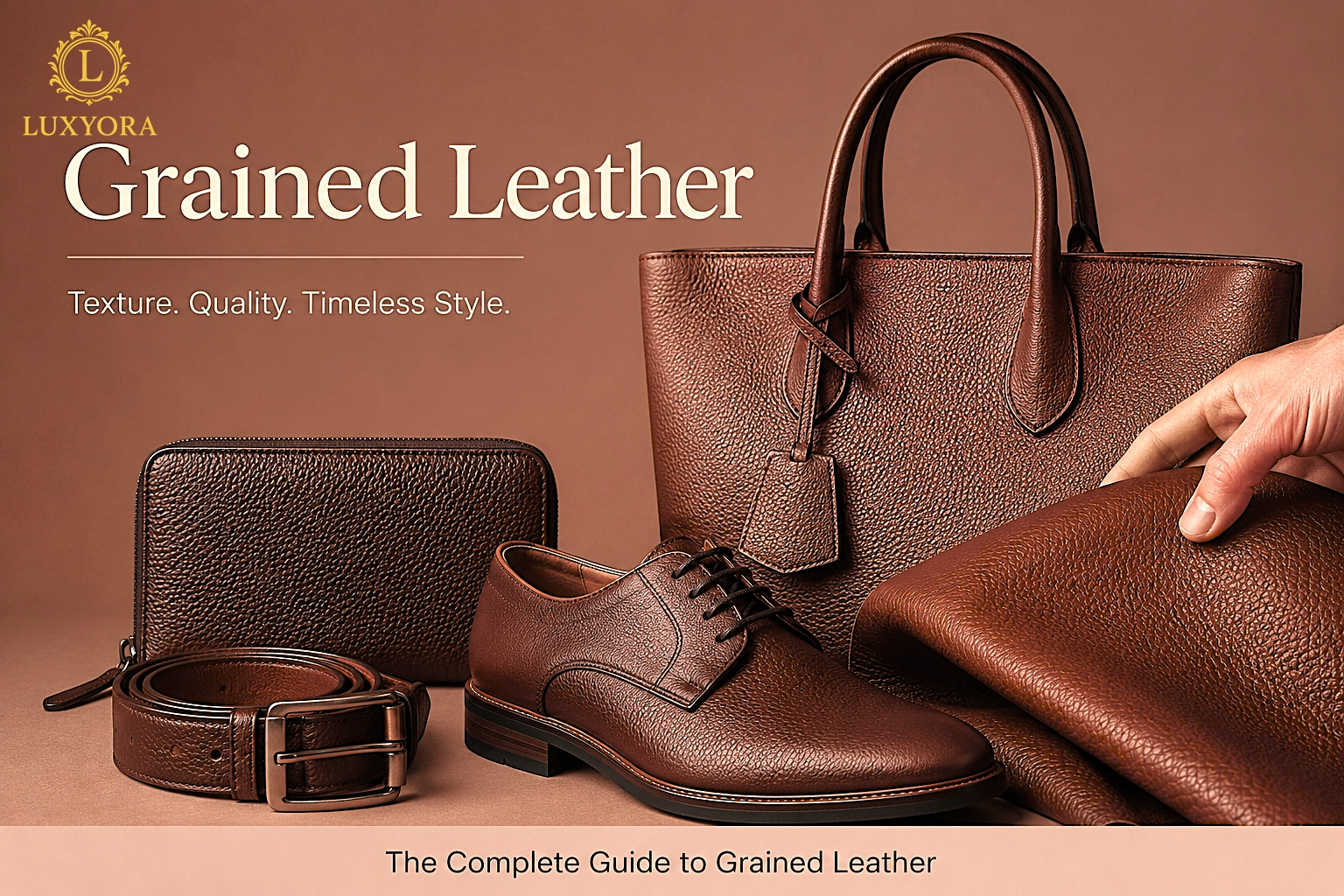
Luxury handbags made from premium leather, exotic skins, handcrafted hardware, and exceptional craftsmanship tend to retain value better than mass-produced alternatives.
Condition
Condition remains one of the most important determinants of resale value.
Collectors prefer handbags that include:
- Original box
- Dust bag
- Authenticity cards
- Purchase receipts
- Protective packaging
Bags maintained in excellent condition generally command higher resale prices.
The Most Recognized Investment Handbag Categories
Heritage Luxury Bags
These are classic handbags with decades of proven market demand.
Examples include:
- Hermès Birkin
- Hermès Kelly
- Chanel Classic Flap
These bags often experience periodic retail price increases that support secondary market values.
Limited Edition Luxury Bags
Special collaborations, seasonal releases, and artist-designed collections can become highly sought-after collector items.
Examples may include:
- Artist collaborations
- Fashion week exclusives
- Anniversary editions
Rare Exotic Leather Bags
Vintage Luxury Handbags
Vintage pieces can appreciate when they represent iconic periods in a brand’s history.
Collectors often seek:
- Vintage Chanel bags
- Vintage Hermès pieces
- Early Louis Vuitton models
How the Luxury Handbag Market Works
The investment handbag market consists of two primary channels:
Primary Market
This refers to purchasing directly from authorized boutiques and luxury retailers.
Advantages include:
- Guaranteed authenticity
- New condition
- Official documentation
Challenges include:
- Long waiting lists
- Limited inventory
- Purchase restrictions
Secondary Market
This includes luxury resale platforms, auction houses, and authenticated marketplaces.
Benefits include:
- Access to discontinued models
- Availability of rare colors
- Potential value opportunities
Risks include:
- Counterfeit products
- Condition variability
- Authentication concerns
Practical Tips for Buying an Investment Handbag
Research Historical Performance
Before purchasing, review historical pricing trends for the specific model.
Questions to ask:
- Has the bag appreciated over time?
- How often does the brand increase retail prices?
- Is demand growing or declining?
Focus on Classic Designs
Timeless handbags generally outperform trend-driven designs.
Classic silhouettes remain desirable across generations and fashion cycles.
Prioritize Condition Preservation
Treat an investment handbag like any other valuable asset.
Storage recommendations:
- Keep in dust bags
- Avoid direct sunlight
- Use shape protectors
- Maintain humidity control
- Store upright when possible
Retain All Documentation
Always keep:
- Purchase receipts
- Authenticity certificates
- Original packaging
- Care instructions
These items can significantly enhance resale value.
Avoid Impulse Purchases
Not every luxury handbag will appreciate.
Evaluate each purchase using objective criteria rather than emotional appeal alone.
Example Scenarios in the Investment Handbag Market
Scenario 1 - The Classic Collector
Sarah purchases a classic luxury handbag for $8,000. She stores it carefully, retains all documentation, and uses it sparingly.
After several years of retail price increases and sustained market demand, the bag’s resale value has risen to $11,000.
In this case, the handbag functions similarly to a collectible asset.
Scenario 2 - The Limited Edition Opportunity
Michael acquires a limited-edition handbag released in small quantities.
Because production was restricted and demand exceeded supply, collectors later competed for the item on the resale market.
The bag appreciates significantly due to scarcity.
Scenario 3 - The Trend-Driven Purchase
Emma buys a fashionable handbag that gains popularity on social media.
However, trends shift quickly, and demand declines within two years.
The resale value falls below the original retail price.
This scenario highlights the importance of choosing timeless investment-grade handbags.
Common Risks Associated with Investment Handbags
While investment handbags can offer attractive returns, they are not risk-free.
Market Volatility
Luxury demand can fluctuate due to economic conditions, changing consumer preferences, and global events.
Counterfeit Products
Counterfeiting remains a major challenge in the luxury industry.
Always use reputable authentication services when purchasing pre-owned bags.
Storage and Maintenance Costs
Protecting valuable handbags may require:
- Professional cleaning
- Insurance
- Climate-controlled storage
These costs should be considered when calculating returns.
Liquidity Limitations
Unlike publicly traded securities, handbags cannot always be sold immediately.
Finding the right buyer may require time and patience.
Sustainability and the Investment Handbag Industry
Sustainability has become a significant driver in the luxury resale ecosystem.
Many consumers now prefer pre-owned luxury products because they:
- Extend product life cycles
- Reduce waste
- Support circular fashion
- Encourage responsible consumption
As environmental awareness grows, resale demand may continue to support investment handbag values.
Future Trends in Investment Handbags
Several trends are shaping the future of this industry.
Expansion of Luxury Resale Platforms
Digital marketplaces continue improving authentication, logistics, and international access.
Data-Driven Valuation Models
Technology increasingly enables investors to track pricing trends and evaluate handbag performance more accurately.
Younger Luxury Consumers
Millennials and Generation Z buyers are entering the luxury market with strong interest in collectible fashion assets.
Greater Transparency
Authentication technology, blockchain solutions, and digital ownership records may further strengthen confidence in luxury resale transactions.
Final Thoughts
The investment handbag sector represents a fascinating intersection of fashion, craftsmanship, luxury branding, and alternative asset investing. While not every designer handbag will generate financial returns, carefully selected luxury bags with strong brand heritage, limited availability, and enduring demand can preserve and potentially increase their value over time.
Successful investment handbag ownership requires research, patience, proper maintenance, and an understanding of market dynamics. Buyers who focus on iconic models, maintain excellent condition, and follow industry trends are often best positioned to benefit from this unique segment of the luxury goods market.
As luxury resale markets continue expanding and consumers increasingly view premium accessories as collectible assets, investment handbags are likely to remain an important and evolving category within the global luxury industry.
References
Bain & Company. (2024). Luxury goods worldwide market study: Fall–Winter 2024 update. Bain & Company.
Chadha, R., & Husband, P. (2019). The cult of the luxury brand: Inside Asia’s love affair with luxury (Updated ed.). Nicholas Brealey Publishing.
D’Arpizio, C., Levato, F., & Prete, F. (2023). Global personal luxury goods market report. Bain & Company.
Kapferer, J. N., & Bastien, V. (2020). The luxury strategy: Break the rules of marketing to build luxury brands (3rd ed.). Kogan Page.
Knight Frank. (2024). The wealth report 2024. Knight Frank Research.
McKinsey & Company. (2023). State of fashion luxury report 2023. McKinsey & Company.
Rebag. (2024). Clair report: The luxury resale market and handbag valuation. Rebag.
Statista. (2024). Luxury handbags market revenue and industry outlook. Statista Research Department.
The RealReal. (2024). Luxury resale report 2024. The RealReal.
Turunen, L. L. M., & Leipämaa-Leskinen, H. (2021). Pre-loved luxury: Selling and buying second-hand luxury. Palgrave Macmillan.