How to Avoid Impulse Clothing Purchases | Luxyora
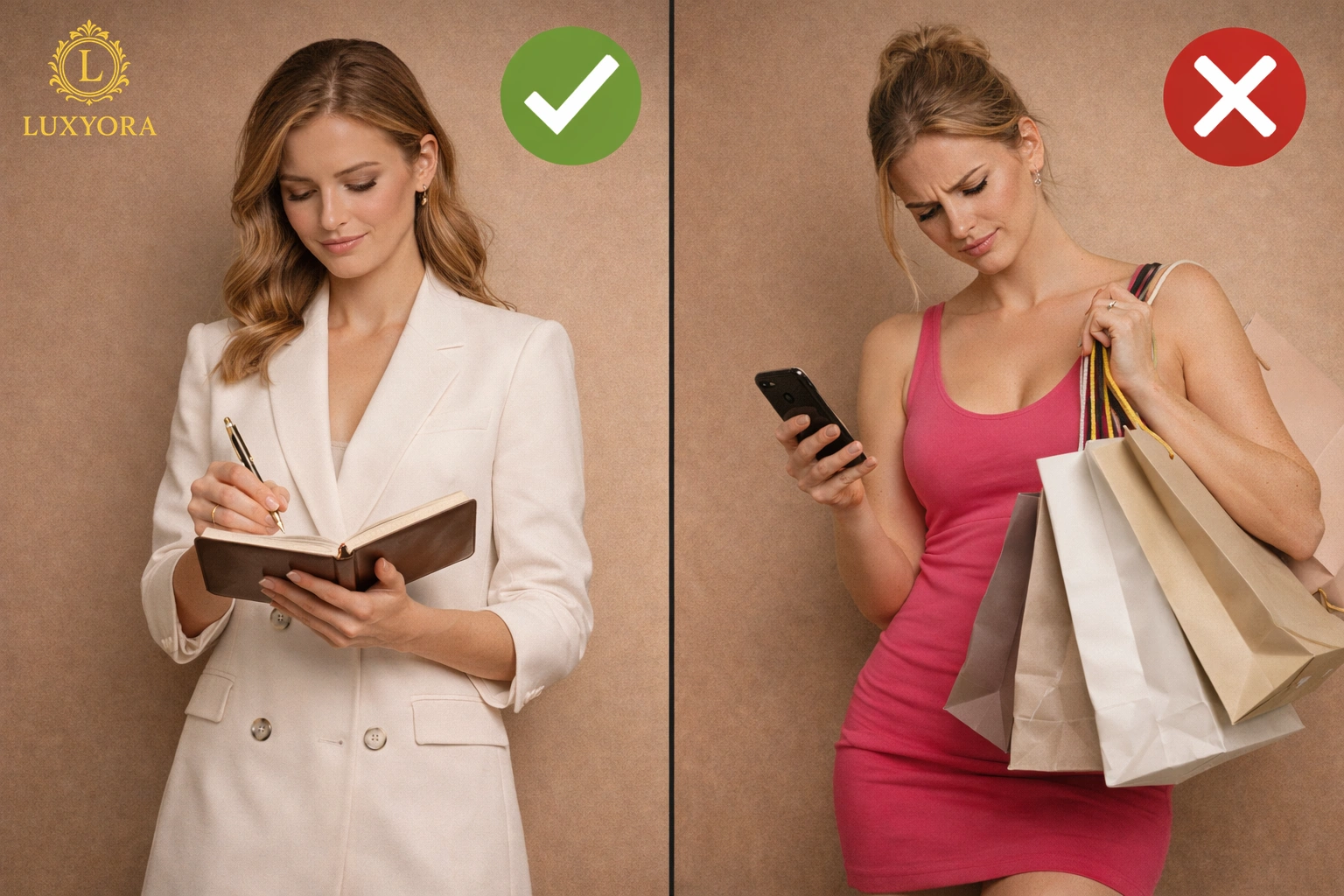
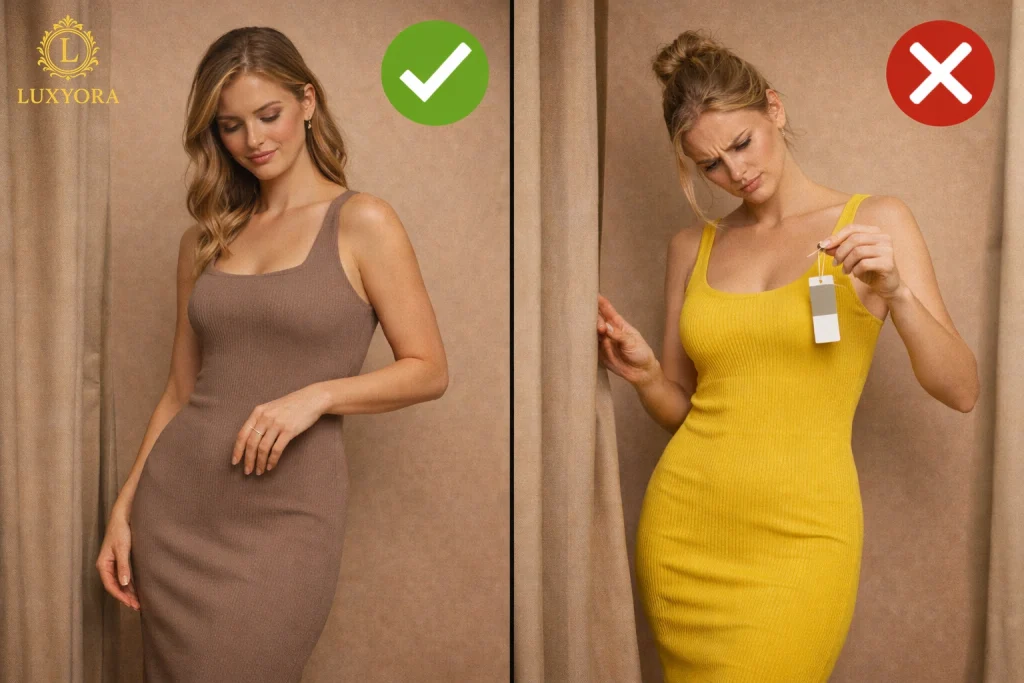
Impulse Clothing Purchases has a very specific aesthetic: a shiny bag on your arm, a dopamine sparkle in your eyes, and three days later, an outfit still wearing its tags like a tiny confession. We’ve all been there. Fashion is designed to seduce: the “limited drop,” the countdown timer, the influencer try-on haul that makes a cardigan feel like a personality upgrade. But the most chic wardrobe isn’t the biggest, it’s the one where every piece belongs.
Impulse clothing purchases don’t happen because you “lack willpower.” They happen because your brain is responding exactly as modern retail intends: urgency + emotion + ease. Research on impulse buying defines it as a sudden urge to buy immediately, often triggered by the moment rather than by a plan. So let’s make you harder to hack without killing the fun of fashion.
Step One: Identify Your “Impulse Triggers” (It’s Always a Pattern)
Impulse buys are rarely random. They’re usually predictable, personal, and repeatable. Your triggers might be:
- Mood shopping (stress, boredom, loneliness, reward)
- Scarcity marketing (“only 2 left,” “last chance,” “drops”)
- Social pressure (events, trend cycles, FOMO)
- Digital persuasion (scrolling late at night, frictionless checkout)
In online environments, impulse buying is heavily influenced by persuasion cues and self-control challenges. Basically, the internet is a beautifully dressed temptation machine (Nyrhinen et al., 2024). Your job isn’t to “never want things.” It’s to recognize the moment you’re most persuadable.
Try this: the next time you want to buy something, ask: What am I feeling right now? If the answer is anything other than “I’ve been looking for this and it fits my wardrobe plan,” pause.
The 24 - 48 Hour Rule: Make Time Your Best Accessory
If your cart feels urgent, that’s the first red flag. Urgency is often manufactured, especially in fast fashion, where promotions, limited-time deals, and discount codes are engineered to trigger frequent impulsive consumption.
So add a “cooling-off” ritual:
- In-store: take photos, note the price/size, walk out.
- Online: move it to a wishlist, close the tab, set a reminder.
If you still want it after 24 – 48 hours, you’re likely buying for intention, not adrenaline.
Build a “Signature Wishlist,” Not a Random Cart
A cart is chaotic. A wishlist can be strategic.
Create two lists:
- The Wardrobe Gaps List (items you genuinely need: a work blazer, a wedding guest dress, a good white shirt)
- The Style Spark List (pieces you love but don’t need immediately: a statement heel, a special bag)
This aligns with mindful shopping advice championed in sustainable fashion circles: define your tastes, buy fewer, and avoid constant replacing (Cline, 2019). When you shop from a list, you’re directing your style instead of letting the algorithm direct you.
Try the “3-Outfit Test” (The Most Effective Filter)
Before you buy, you must be able to style it three ways with pieces you already own.
If you can’t instantly imagine 3 outfits, it’s not a wardrobe piece; it’s a fantasy.
Bonus: This test quietly protects you from “single-use” purchases that look amazing online but then end up permanently on the chair in your bedroom.
Cost-Per-Wear: The Glamorous Math That Saves Your Wallet
The price tag is not the real cost. The real cost is:
Price ÷ number of times you’ll wear it.
A £300 blazer worn 50 times? That’s £6 per wear.
A £80 trendy top worn twice? £40 per wear and that’s before the guilt.
Impulse buys often hide in “small prices” that add up. A quality piece you wear repeatedly doesn’t just look better, it behaves better in your life.
Make Returns Slightly Annoying (Yes, On Purpose)
Friction is your friend.
Retail makes buying effortless. So you create tiny “speed bumps”:
- Remove saved card details from shopping apps.
- Turn off one-click checkout.
- Keep your cart empty and use a wishlist instead.
- Set a spending limit alert on your bank app.
These small barriers give your rational brain enough time to re-enter the conversation.
Curate Your Inputs: Unsubscribe Like It’s Self-Care
Your inbox is basically a runway of temptation: “EXTRA 20% OFF,” “New arrivals,” “Just dropped.” And your social feed? A highlight reel designed to make you feel one purchase away from a new identity.
Unfollow/ mute accounts that trigger you into “need it now.” Keep the inspiration, lose the pressure.
If you want a fashionable swap: follow creators who style repeats, talk about quality, and show outfit overhauls.
Create a “One In, One Out” Rule (But Make It Stylish)
This isn’t about minimalism. It’s about editing.
When you bring something in, choose something to:
- sell, donate, or tailor
- repair and rewear (instead of replacing)
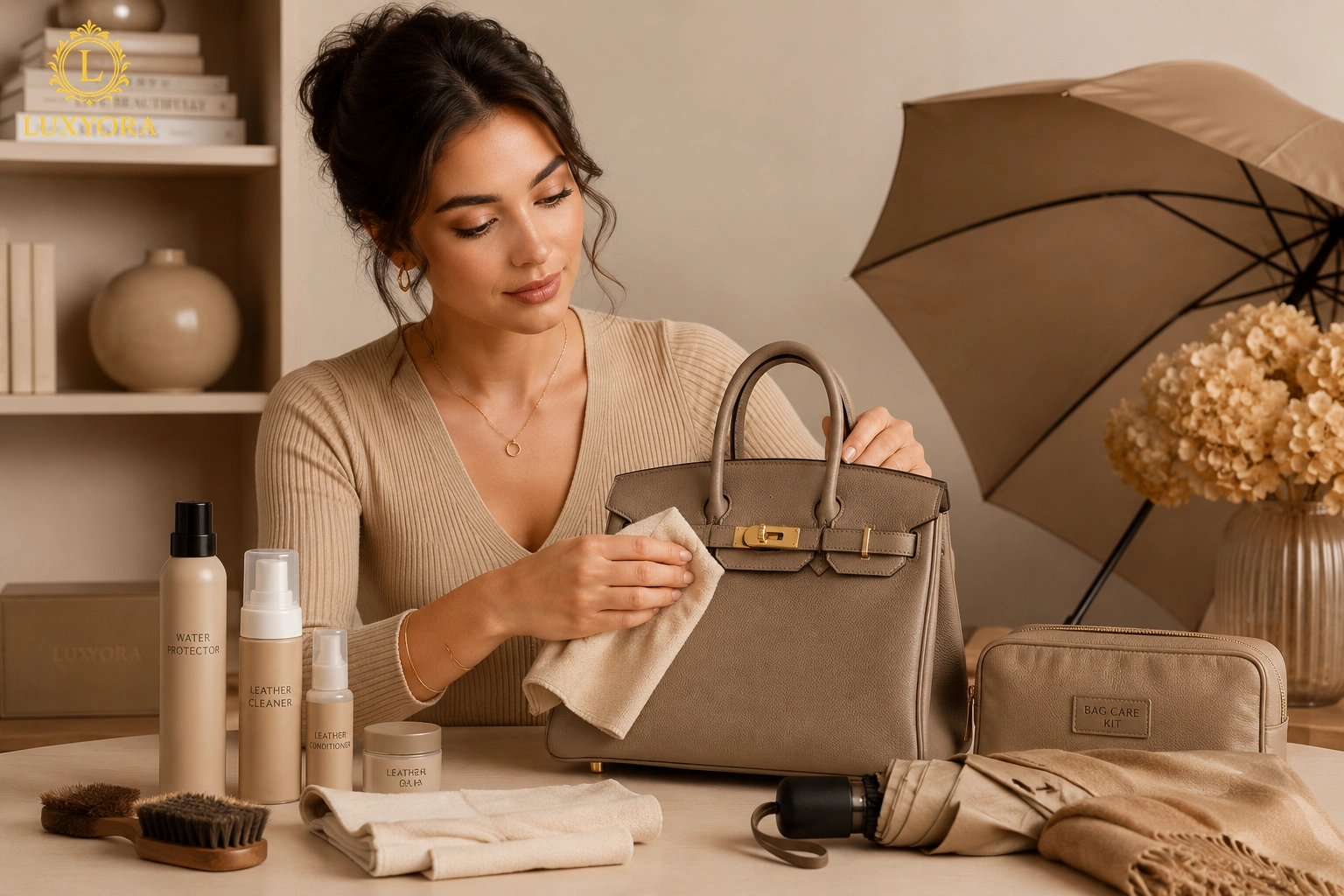
The broader industry shift toward repair and durability is increasingly framed as a practical sustainability move that extends garment life, reduces waste, and makes “new” less necessary. Translation: caring for what you have makes you less vulnerable to impulse replacement.
The easiest way to resist buying something on impulse may not be saying no, it may be learning to recognize what deserves a long-term place in your wardrobe. Explore How to buy clothes you’ll still wear years later.
The “Try-On Ritual” That Stops Bad Buys
When you’re in a fitting room (or trying at home), do this mini-check:
- Move test: sit, raise arms, walk, bend.
- Mirror test: does it fit your life, or just the lighting?
- Comfort test: would you wear this for 6 hours?
- Fabric/finish test: does it look good close-up? seams? lining? closure?
Impulse shopping thrives on imagination. Try-on rituals bring you back to reality politely, but firmly.
Before adding something new to your closet, it may be worth asking whether you love the idea of it or the way it actually fits into your life and onto your frame. Read more about How proper fit changes the way clothes look.
Shop for Your Actual Calendar, Not Your Ideal Personality
Many impulse purchases are really “aspirational costumes.” The nightclub dress when you mostly do brunch. The ultra-trendy piece that doesn’t match your lifestyle. The “office look” when your workday is jeans and a Zoom call.
A better question than “Do I love it?” is:
The easiest way to buy less randomly isn’t always stricter rules, it’s having a closet that already knows where you’re going, what you do, and how you dress. Explore How to build a wardrobe that matches your lifestyle.
“Where will I wear it in the next 30 days?”
If there’s no clear answer, it’s probably not a purchase; it’s a mood.
Luxyora Philosophy: The most luxurious wardrobe is the one you wear, love, and repeat with pride. When you shop with intention, your style stops being impulsive and starts being iconic.
References:
- Cline, E. L. (2019). The conscious closet: The revolutionary guide to looking good while doing good. Plume. (Random House)
- Iyer, G. R., Blut, M., Xiao, S. H., & Grewal, D. (2020). Impulse buying: A meta-analytic review. Journal of the Academy of Marketing Science. (Springer)
- Nyrhinen, J., Sundqvist, S., & Heinonen, K. (2024). Online antecedents for young consumers’ impulse buying behavior: Self-control and persuasion in online environments. Computers in Human Behavior. (ScienceDirect)
- Vogue Business. (2021, March 25). What happens when clothing falls apart? (Vogue)
- Weber, N. (2021). Fast fashion: Exploring the impact of impulse buying and marketing tactics (PDF). Glasgow Caledonian University repository. (Glasgow Caledonian University)
- de Castro, O. (2021). Loved clothes last: How the joy of rewearing and repairing your clothes can be a revolutionary act. Penguin. (Penguin)