How to Build Outfits Using Basic Wardrobe Staples | Luxyora
A truly great outfit doesn’t start with a “wow” piece; it starts with a reliable piece. The kind you can wear on a sleepy Monday, a big-meeting Tuesday, and an “I accidentally made plans” Friday night. Wardrobe staples are the quiet luxury of getting dressed: they don’t shout, but they always deliver.
The trick is knowing how to turn basics into outfits that look considered, not “I just grabbed whatever was clean.” Think of staples as your fashion grammar. Once you know the rules, you can write a thousand different sentences: minimal, dramatic, romantic, cool-girl without buying a thousand different things.
Here’s how to build outfits using basics in a way that feels modern, polished, and effortlessly stylish.
1) Start with a “hero basic,” not a blank slate
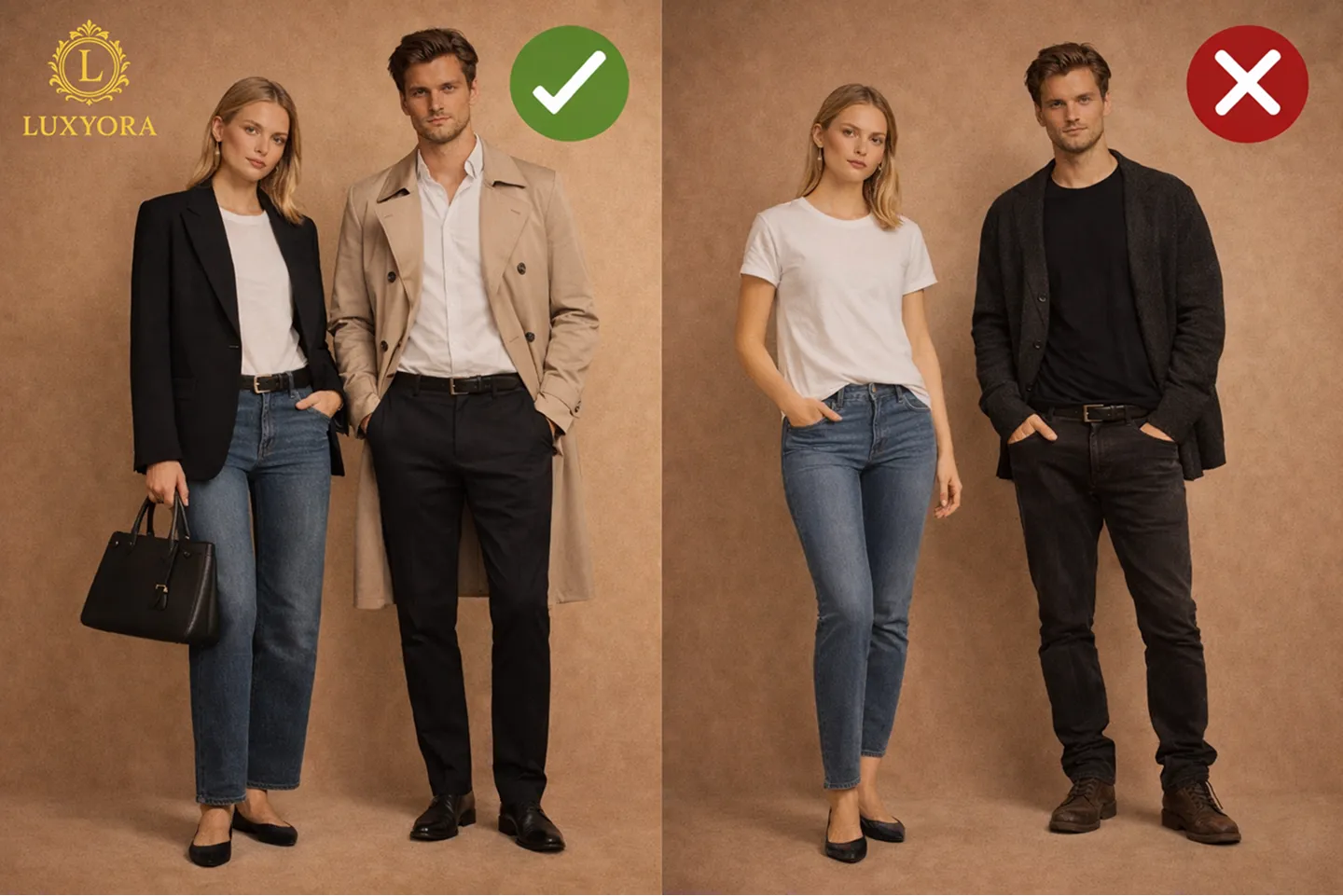
Basics don’t have to be boring; they just have to be versatile. A crisp white button-down. Straight-leg jeans. A black blazer. A trench. A knit dress. The staples editors return to again and again are classic because they’re easy to restyle (Shopping editors consistently highlight staples like trench coats, jeans, white tees, blazers, and tailored trousers as foundational pieces.)
Choose one hero basic as the anchor of the outfit, then build around it with two supporting players:
- Hero: blazer/trench / straight jeans/knit dress
- Support: top + bottom (or shoe + bag)
- Finish: one intentional detail (jewelry, belt, lipstick, hair)
When you pick a hero basic first, your outfit instantly has direction.
2) Build “outfit formulas” you can repeat on autopilot
Stylish people aren’t reinventing the wheel every morning. They’re repeating formulas with small variations. A capsule wardrobe approach, curating versatile pieces you love and can mix easily, leans heavily on this idea of repeatable combinations.
Try these foolproof staples-based formulas:
Formula A: The Polished Column
- fitted knit or tee + matching trousers (or dark denim) + long coat/trench
Why it works: clean vertical line = instantly elevated.
Formula B: The Shirt Sandwich
- tee/tank + white button-down + blazer + straight jeans
Why it works: light layers add interest without chaos.
Formula C: The One-and-Done
- simple dress + structured outerwear + sleek shoe
Why it works: minimal effort, maximum “put-together.”
Pick 3 formulas that fit your life, save them in your notes app, and rotate like a fashion editor on deadline.
The true potential of wardrobe staples is unlocked when every piece is chosen to work seamlessly with the next. Discover how in How to Create Capsule Wardrobes That Actually Work.
3) Use contrast to make basics look expensive
If your outfit is all the same “texture energy,” it can fall flat. The easiest way to make staples look luxe is contrast:
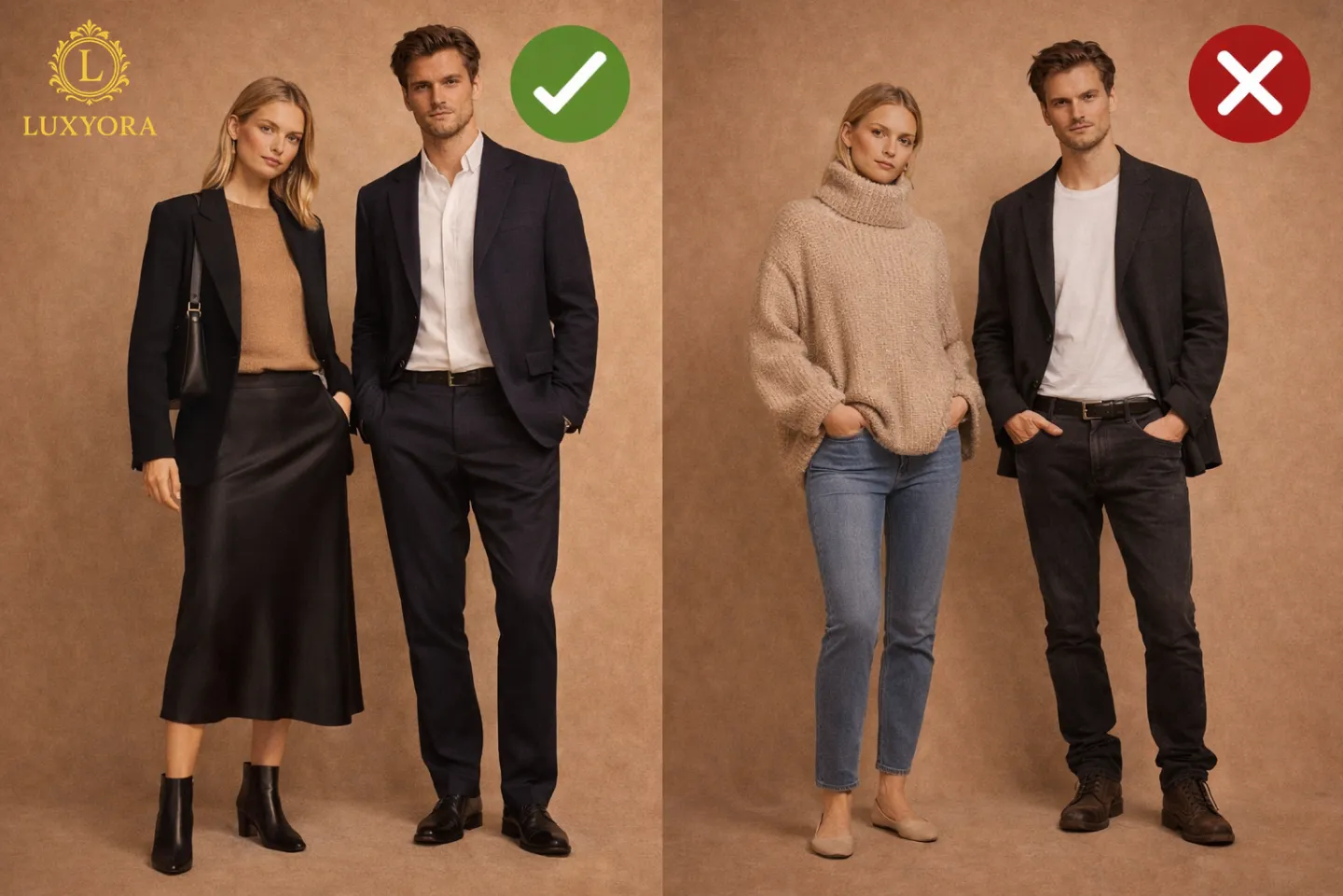
- Structured + soft: blazer + silky skirt
- Crisp + relaxed: button-down + wide-leg trousers
- Matte + shine: knit + satin slip skirt
- Classic + modern: trench + chunky sneaker
That “minimalist capsule” mindset works best when you layer in subtle interest, sleek silhouettes, great fabric, and intentional accessories.
Building stylish outfits starts with great staples, but making them look premium is a skill all its own. Learn the secrets in How to Make Affordable Clothes Look Expensive.
4) Master the neutral palette… then add one controlled “pop”
Neutrals are a staple wardrobe’s love language because they mix endlessly. Capsule wardrobe guides repeatedly emphasize versatility and neutral color palettes as the key to making basics work harder.
A simple styling strategy:
- 70% neutrals (black, white, cream, navy, camel, grey)
- 20% tonal variation (shades of the same family)
- 10% pop (one accent: red lip, emerald bag, metallic shoe)
This keeps you looking intentional, not over-styled.
5) Upgrade the “basics trio”: shoes, bag, belt
When staples feel too plain, it’s usually because the finishing pieces are an afterthought. Editors love the idea that basics become an outfit when the accessories are right, especially when you’re working within a limited, repeatable set of core pieces.
Your shortcuts:
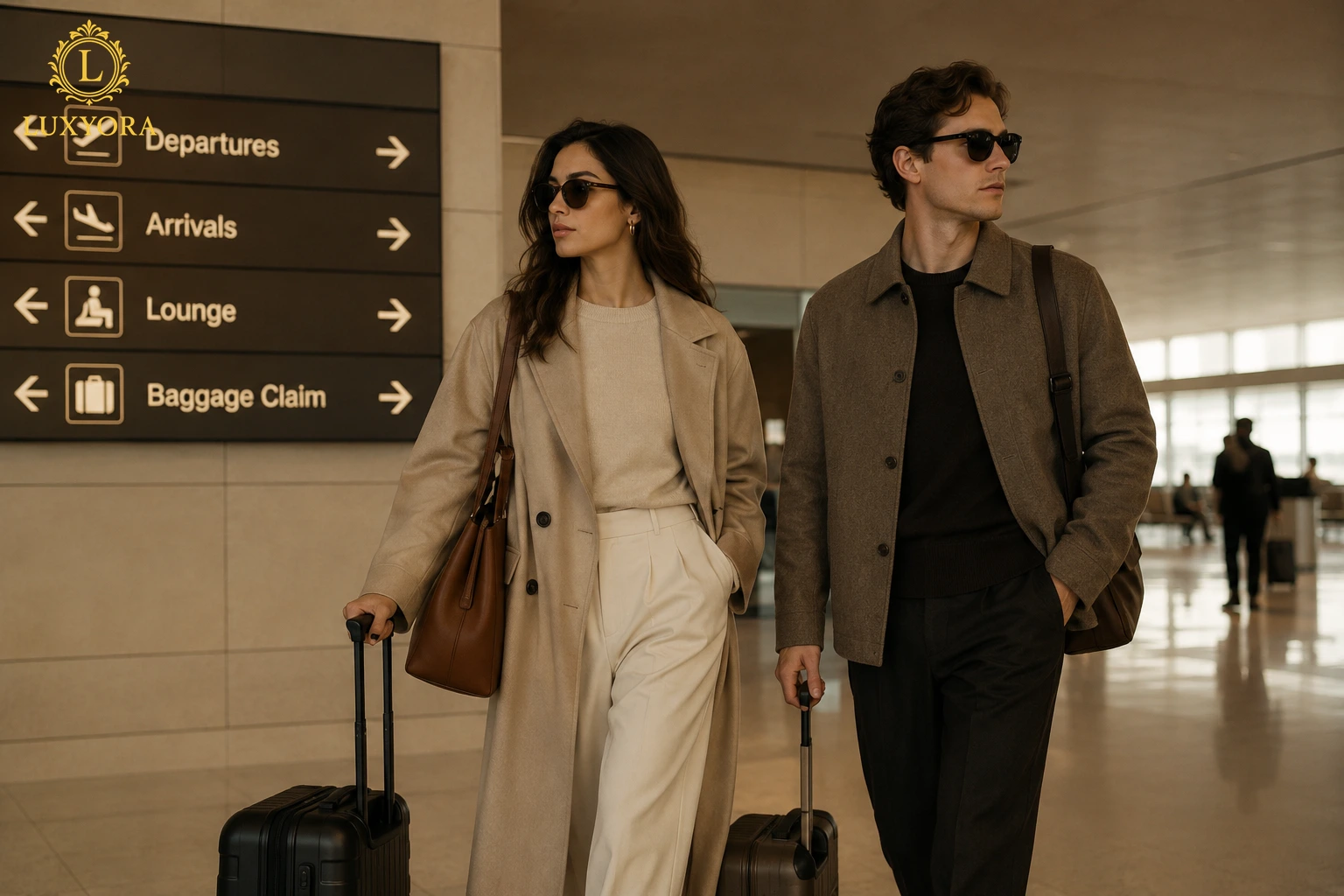
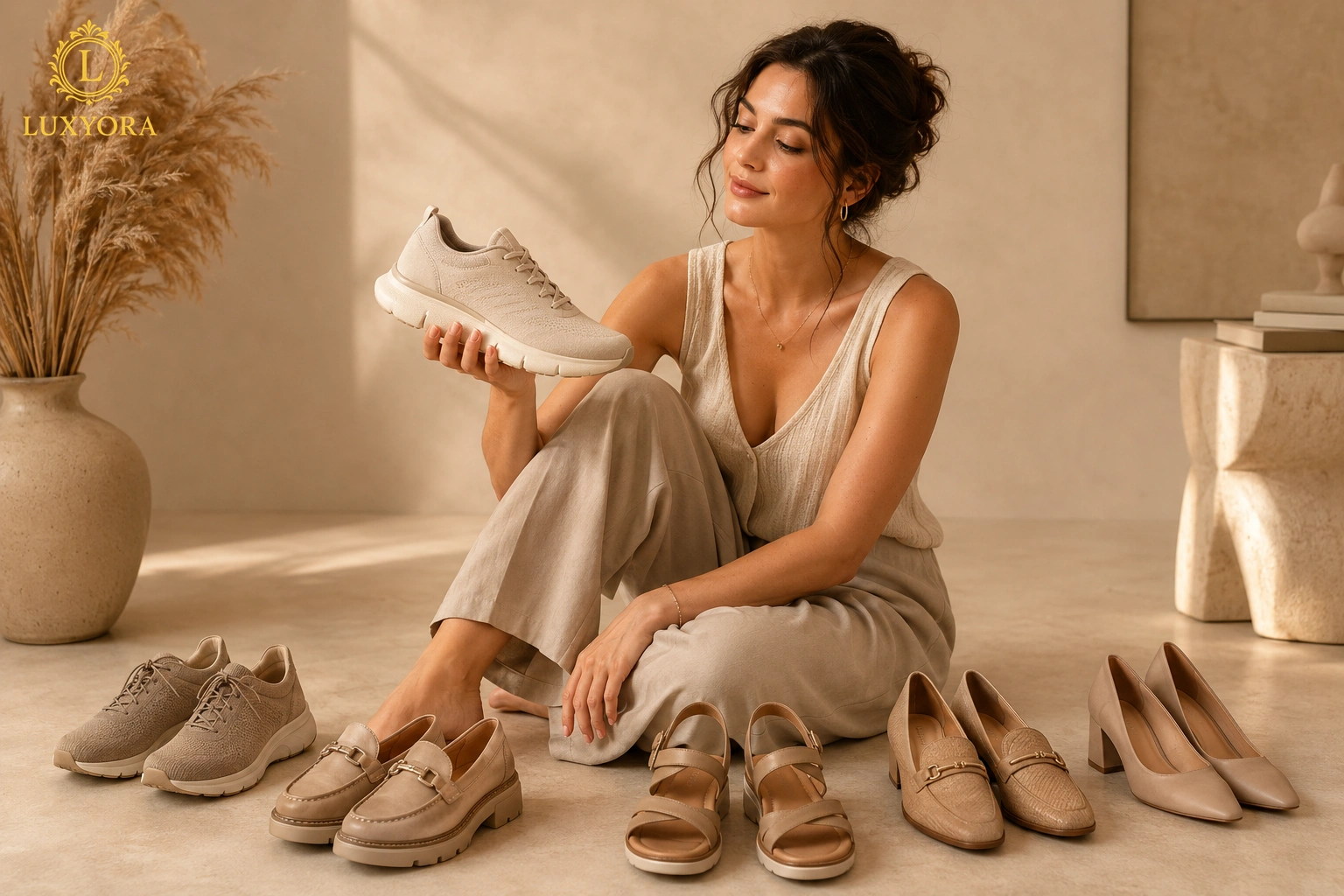
- Shoe switch: loafers → pointed flats → heeled boot (same outfit, new mood)
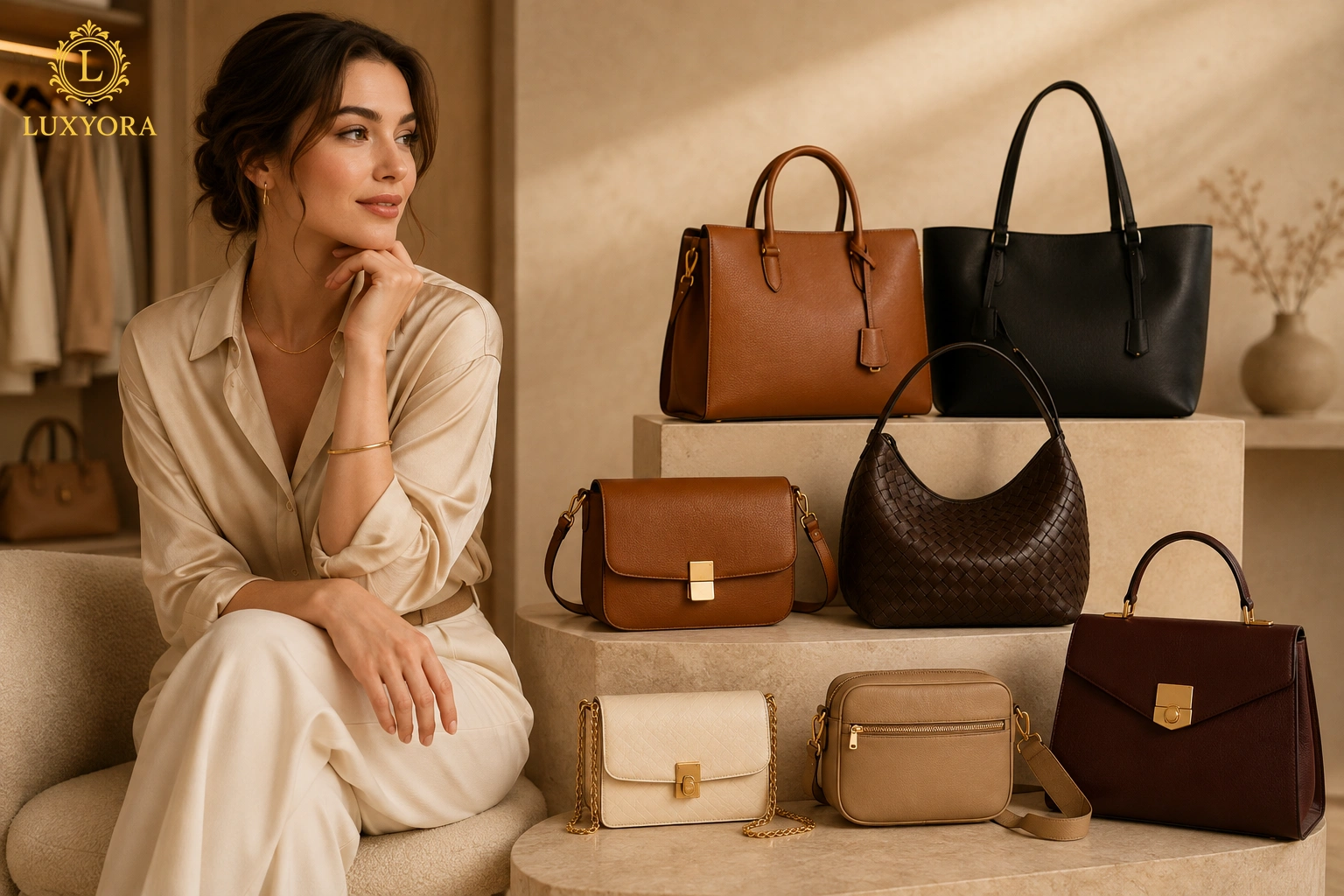
- Bag scale: tote for day, compact shoulder bag for night
- Belt move: a simple belt adds structure and makes denim/trousers look styled
One small accessory can “edit” the entire look.
6) Make sure staples actually fit your lifestyle (not a fantasy one)
This is where people go wrong: they buy “capsule” pieces that belong to a Pinterest life they don’t live. A workbook approach to defining personal style pushes you to identify what you wear most and build around that reality.
Ask yourself:
- Do you need office polish, or do you live in smart casual?
- Are you a dress person or a trousers person?
- What shoes do you really wear walking outside?
A wardrobe of staples should reduce decision fatigue, not create guilt.
Great outfits begin with timeless basics, but lasting style begins with understanding how your wardrobe should work for you. Find out how in How to Build a Wardrobe That Matches Your Lifestyle.
7) Use “one statement” to keep it editorial
Basics don’t mean you have to look basic. The secret is choosing one intentional statement:
- oversized blazer
- bold earring
- dramatic coat
- lipstick that means business
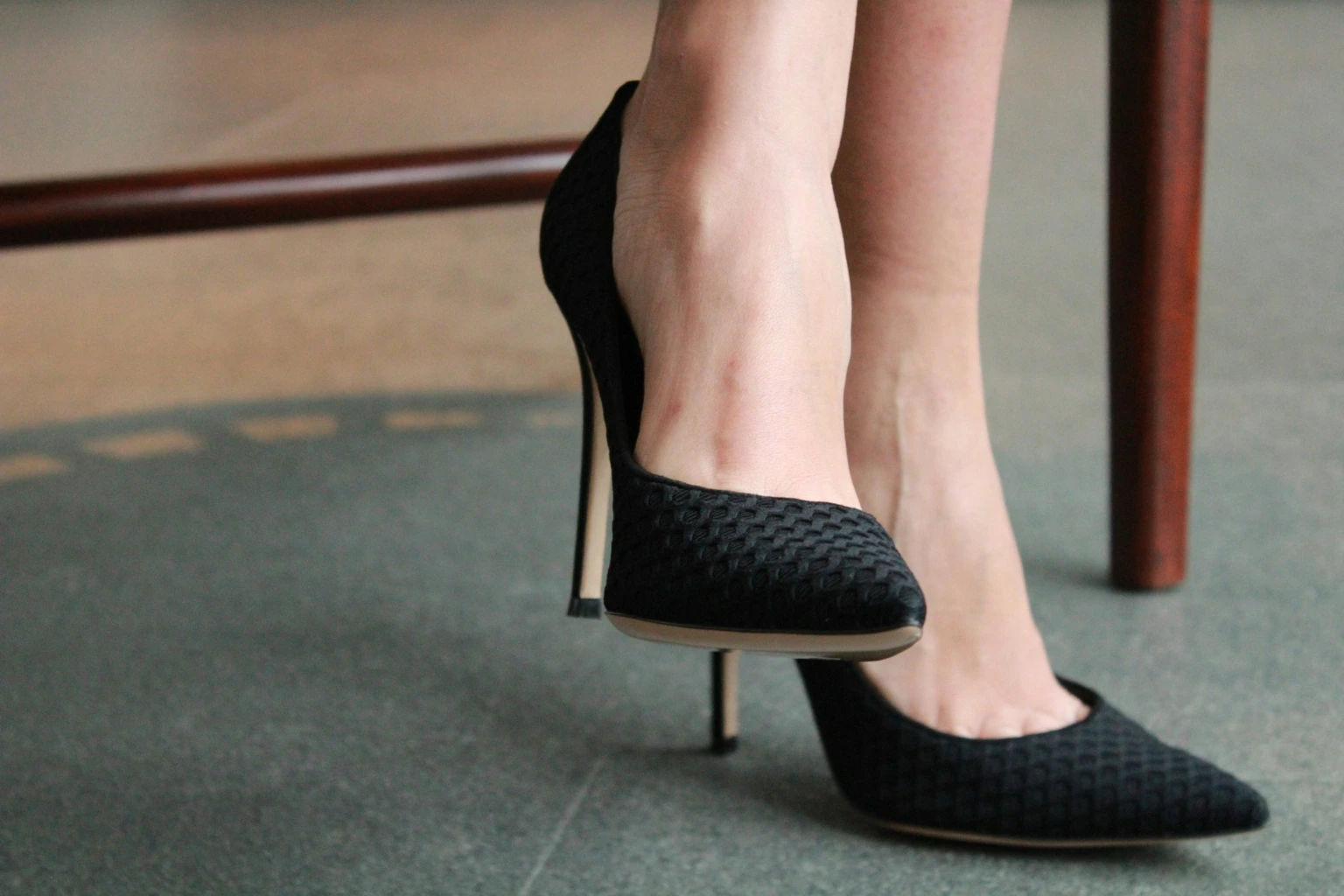
- sculptural heel
Celebrity stylist Law Roach frames style as confidence-led: the clothes matter, but the way you carry them is the real switch that makes a look iconic.
You’re not piling on trends. You’re choosing one “moment” and letting your staples support it.
The right wardrobe staples do more than complete an outfit, they quietly influence the way you move, stand, and present yourself. Discover how in How Apparel Shapes the Way You Carry Yourself.
8) Five staples-based outfits you can wear on repeat
Here are ready-to-go looks using classic building blocks cited across capsule/staples guides (trench, blazer, white shirt, jeans, trousers, simple dresses).
- White tee + straight jeans + blazer + loafers
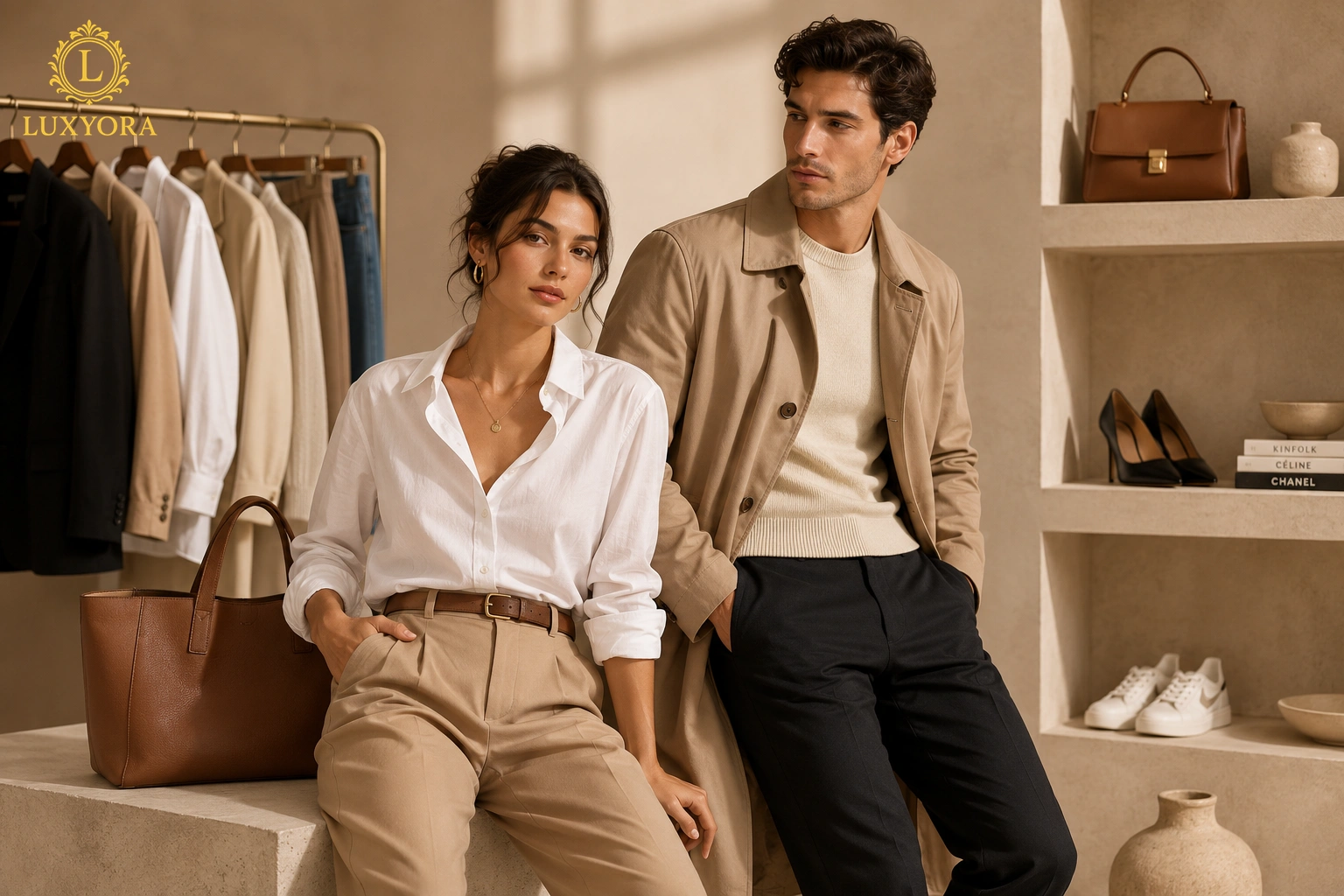
Add: gold hoops, sleek bun. - White button-down + tailored trousers + trench + pointed flats
Add: belt + minimalist bag. - Knit dress + long coat + heeled boots
Add: statement earring. - Tank + cardigan + denim + sneakers
Add: scarf or sunglasses for “off-duty” polish. - Slip skirt + fitted knit + blazer
Add: ankle boots for edge, or strappy heels for night.
Luxyora Philosophy: Luxury is not having more clothes; it’s having the right ones, styled with intention. When your staples fit your life, and your confidence leads the look, getting dressed becomes effortless.
References:
- Carver, C. (2020). Project 333: The minimalist fashion challenge that proves less really is so much more. Penguin Random House. (Amazon)
- Mair, C. (2018). The psychology of fashion. Routledge. (Google Books)
- Rees, A. (2018). The curated closet workbook: Discover your personal style and build your dream wardrobe. Clarkson Potter. (Amazon)
- Roach, L. (2024). How to build a fashion icon: Notes on confidence from the world’s only image architect. Abrams. (ABRAMS)
- Vogue Shopping Editors. (2026, January 7). The wardrobe essentials we’re wearing in 2026. Vogue. (Vogue)
- Holevas, C. (2025, July 16). The perfect capsule wardrobe—built around 6 nonnegiotables. Vogue. (Vogue)
- Jackson, L., & Holevas, C. (2025, August 7). 12 basics that make up the ultimate minimalist fall capsule. Vogue. (Vogue)
- Collings, K. (2025, July 25). The capsule wardrobe: How to reduce your closet to 30 pieces. Who What Wear. (Who What Wear)