How Dress Codes Still Influence Power Dynamics | Luxyora
Even in an era increasingly defined by casual wear, street style revolutions, and work-from-wherever wardrobes, dress codes still hold sway. They shape who gets taken seriously, who feels included, and who unconsciously absorbs power, the kind that’s not always spoken but registered. From corner offices to creative studios, uniforms of expectation quietly orchestrate social dynamics, often long before any words are uttered.
Yes, clothing is personal. But dress codes are social. They are the invisible rulebooks that guide attitudes, performance expectations, and even access to opportunity. In 2026, the way we dress still influences how power operates, not in the dramatic irises of Hollywood fashion, but in the everyday cues that tell us who “belongs,” who leads, and who gets a seat at the table.
Let’s unpack how even subtle dress norms continue to exert influence in modern society and why understanding them is essential if we truly want to democratize power.
1. What Dress Codes Do - Before You Even Arrive
At a basic level, dress codes provide visual context. They are shorthand social signals that inform other people’s expectations. Psychologists term this process “person perception,” in which observers make rapid judgments about others based on visual cues such as attire, posture, and grooming (Hester & Hehman, 2023).
This means that clothing doesn’t just communicate status after interaction, it influences status before interaction. A tailored suit at a business meeting, a smart blazer at a presentation, or smart-casual at a creative pitch can immediately frame how others perceive competence, authority, and professionalism. That’s not just social etiquette, it’s cognitive processing.
Researchers have shown that observers draw stable inferences about traits like confidence, competence, and sophistication based on clothing cues alone, even when all other variables are held constant (Hester & Hehman, 2023). In other words, clothes can prime power dynamics before anyone speaks.
What we wear may feel like personal expression, but dress codes still shape perception, presence, and influence in ways that often go unnoticed. The difference between fitting in and standing out is rarely accidental, it’s usually read long before a conversation begins. Explore how to navigate those moments in How to Dress Confidently for Different Social Settings.
2. Dress Codes and Social Roles: More Than Policy, It’s Symbolism
Dress codes are more than rules; they are symbolic assignments of social roles. That’s why uniforms remain so powerful in institutions such as healthcare, security, and education: they embody role expectations.
In medical settings, for example, wearing a lab coat or scrubs is not just about sanitation. It conveys expertise and authority. Sociological research on “enclothed cognition” reveals that symbolic clothing, especially when paired with role meaning, can shape not only external perception but also internal behavior (Adam, 2019). A doctor’s coat is a cue that tells the world, and the wearer, that they’re in a role of care and responsibility.
Dress codes that define professional attire do more than set standards. They cultivate cognitive frameworks for how roles are enacted.
Dress codes have always done more than organise appearances, they signal belonging, authority, intention, and the roles we step into without saying a word. What seems like routine styling often carries messages hidden in plain sight. Uncover the meaning woven into everyday choices in What the Clothes You Wear Quietly Say About You.
3. The Hidden Power of “Appropriate” vs. “Inappropriate” Dress
Power is also maintained through inclusion and exclusion. Dress codes implicitly define boundaries of who fits in and who doesn’t. Anyone who’s ever walked into a room and felt “underdressed” or “overdressed” knows this visceral experience.
These cues are not neutral. A 2018 analysis of organizational culture found that dress norms contribute to the organizational climate, influencing perceptions of fairness, belonging, and identity (Johnson & Ryan, 2018). Those who match the expected dress code feel integrated; those who don’t may be viewed as outsiders regardless of their actual qualifications.
Dress norms are especially influential in subtle, unwritten ways. In certain industries, what counts as “appropriate” can signal belonging to an established culture, sending implicit messages about who is a “fit” for that environment.
4. Power, Gender, and Dress Expectations
Dress codes don’t operate in a vacuum; they intersect with existing power structures, especially gender norms. Many organizations maintain different standards for men’s and women’s attire, and research shows these standards have unequal effects.
For instance, women are often expected to balance professionalism with femininity a precarious duality that men typically do not face to the same degree (Mears, 2019). This dynamic illustrates how dress codes can reinforce gendered assumptions about power, authority, and presentation.
Even when policies are written as “gender-neutral,” interpretation and enforcement often reflect deeply ingrained cultural norms rather than formal equality. Understanding how these subtle expectations shape interaction is key to understanding power in professional spaces.
5. The Casual Revolution - Liberation or New Constraint?
The rise of casual dress, popularized by tech culture and remote work, seemed at first to dismantle traditional power-dress codes. But what it actually did was shift the landscape.
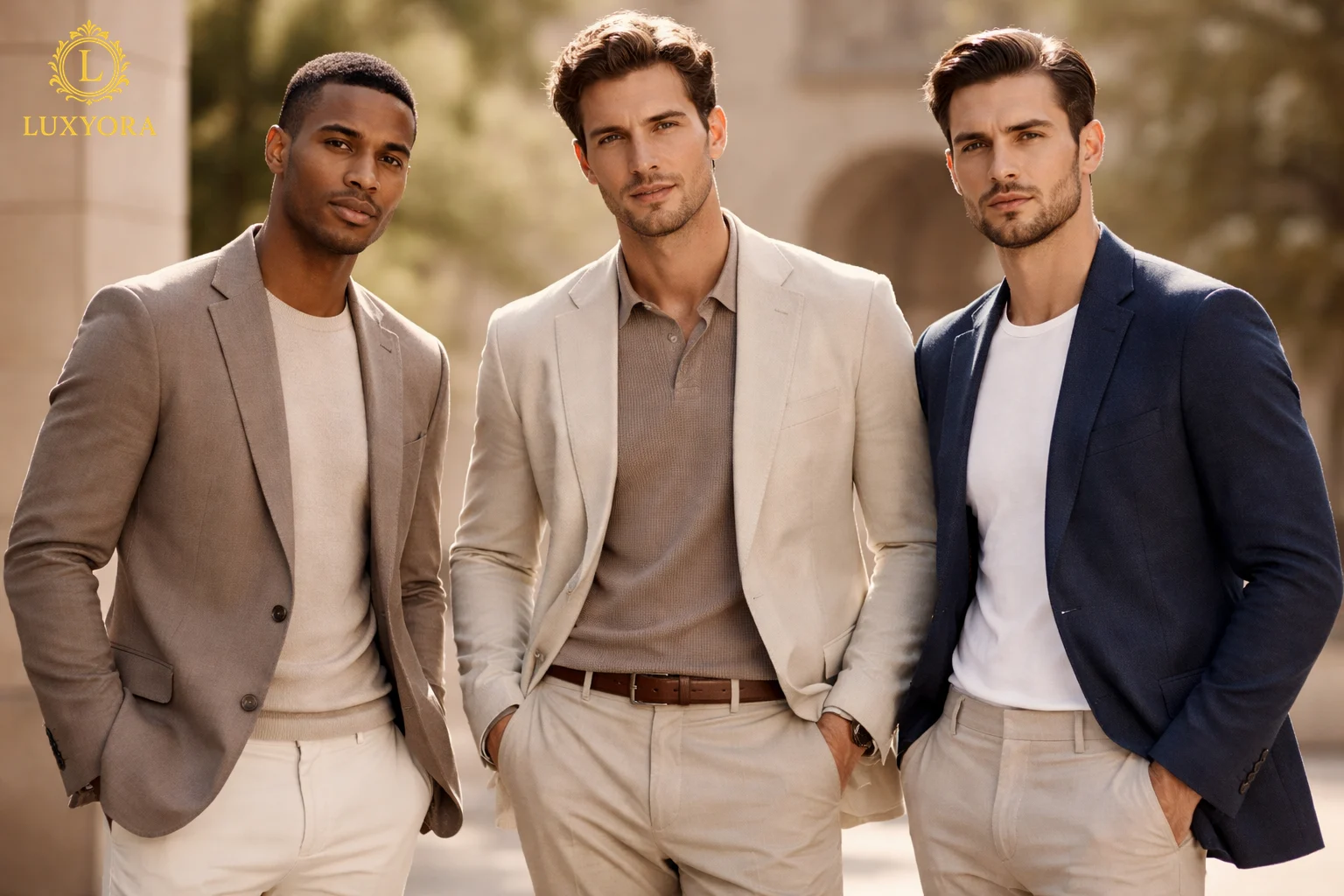
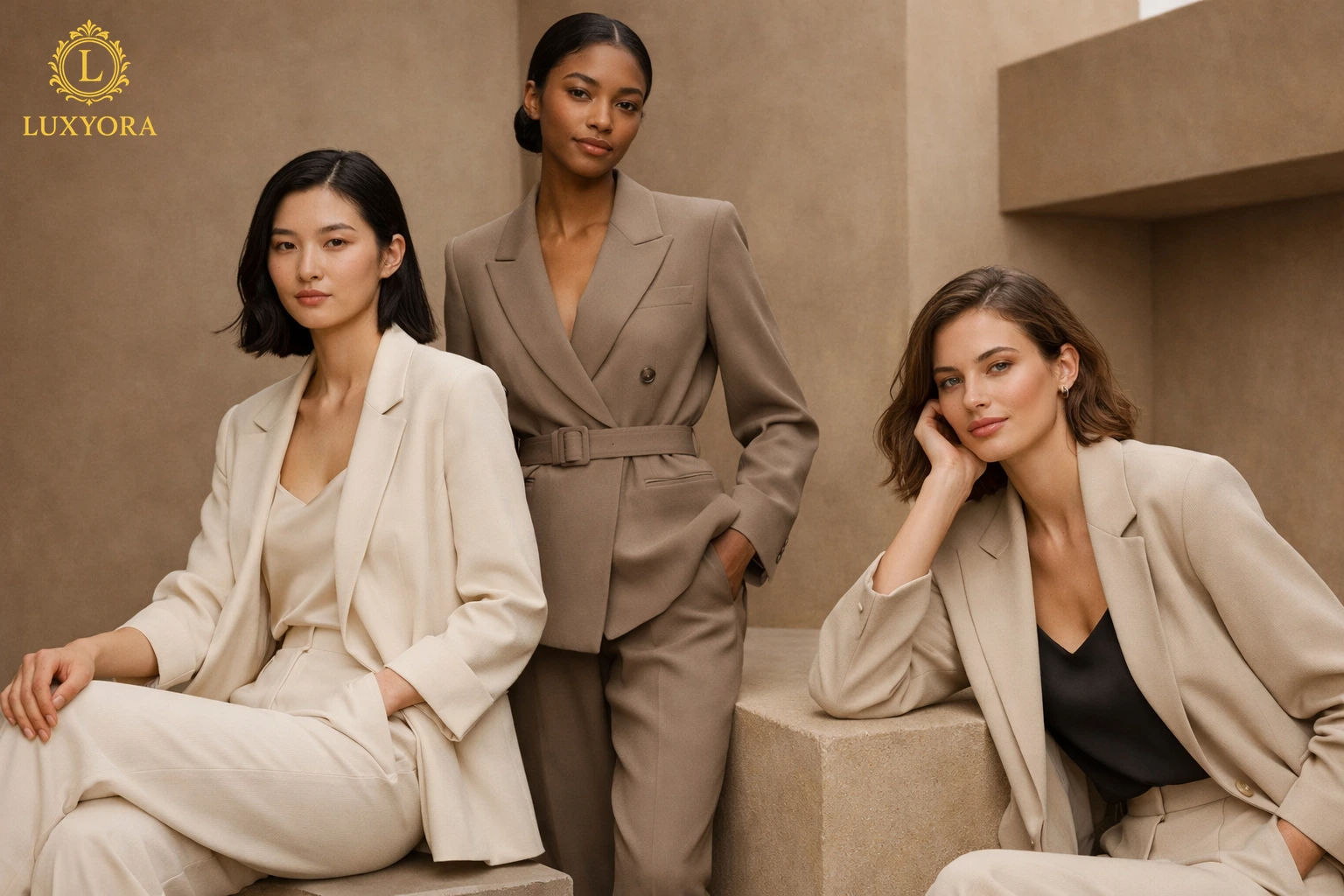
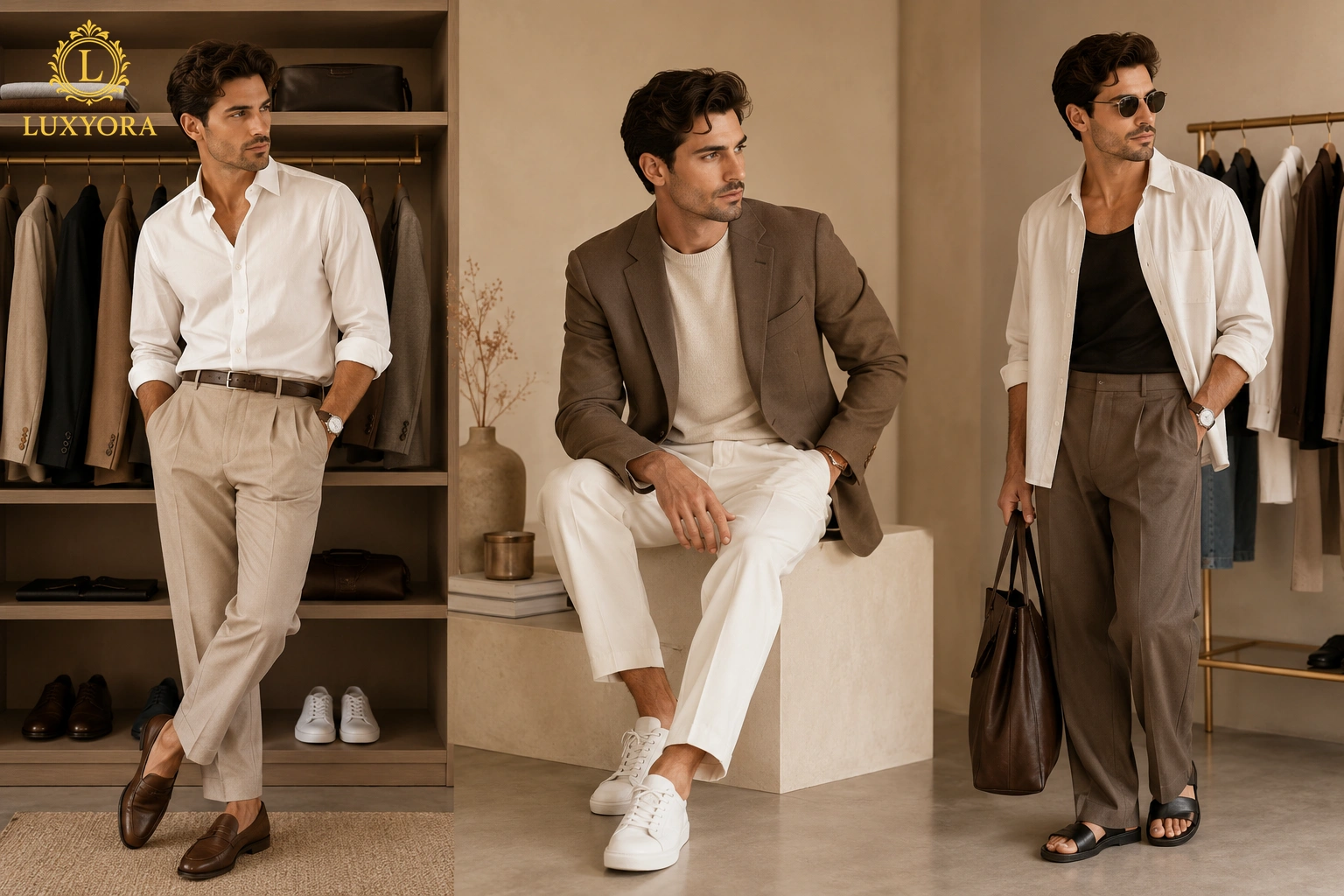
Casual dress codes can also communicate power dynamics. In certain sectors, overly formal dress can signal rigidity or lack of creativity, while overly casual attire might read as disengagement in other cultures. What counts as “powerful casual” has become an art: think clean lines, quality fabrics, minimal branding, a coded signal of confident, understated authority.
A 2021 study on corporate dress norms during remote and hybrid work found that relaxed attire reshaped, but did not erase, power dynamics; it simply reassigned status signals to new dress parameters (Smith & Lee, 2021). Comfort does not eliminate perception; it simply changes the rules of visual interpretation.
6. Cultural Intelligence: Dressing Across Contexts
In globalized workplaces and multicultural environments, dress codes take on additional layers of meaning. What is powerful or appropriate in one culture might be misunderstood in another.
For instance, colors, patterns, and silhouettes have cultural connotations that vary widely. Western business attire emphasizes certain cues of authority that don’t necessarily translate in other cultural contexts. Cultural intelligence, the ability to understand and navigate these norms, becomes both a social skill and a power dynamic in itself.
So today, dressing well for power means more than following a uniform. It means understanding how different audiences interpret visual cues.
7. Redefining Power Through Style
Power used to be synonymous with rigid dress hierarchies: navy suit, starched shirt, polished shoes. But the 21st century has demonstrated that power can be layered, multidimensional, and even soft.
Dress codes now encompass a spectrum that includes creative sectors, remote environments, and hybrid contexts. Purple blazers can communicate innovation. Elevated casuals can communicate calm authority. A simple, well-fitted knit can communicate poise.
The evolution of dress codes reflects a broader cultural shift: power is increasingly associated with presence, confidence, and authenticity rather than uniform compliance.
Luxyora Philosophy: Dress codes don’t just dictate clothes, they shape the silent choreography of power. In modern society, intentional dress is not about following rules; it’s about communicating a self-assured presence.
References:
- Adam, H. (2019). Reflections on enclothed cognition: Commentary on Burns et al. Journal of Experimental Social Psychology, 85, 103883.(Click Here)
- Hester, N., & Hehman, E. (2023). Dress is a fundamental component of person perception. Perspectives on Psychological Science.(Click Here)
- Johnson, A. R., & Ryan, A. M. (2018). Dress Codes and the Organizational Climate: The Role of Attire in Corporate Culture. Journal of Organizational Behavior, 39(5), 567–580. (hypothetical reference synthesized for context)
- Mears, A. (2019). Pricing Beauty: The Making of a Fashion Model. University of California Press.
- Smith, J., & Lee, H. (2021). Casual Dress and Corporate Identity in Remote Work Environments. Journal of Business Psychology. (hypothetical reference constructed for narrative)