Why Comfort Fashion Has Become a Statement, Not a Compromise | Luxyora
If fashion in the 20th century was about aspiration, the 21st century has been about integration. And nowhere is this more visible than in our wardrobe evolution: comfort is no longer a quiet concession for lazy Sundays or late flights. It’s been elevated to a statement, a declaration of agency, intention, and style that doesn’t apologize for ease.
Once upon a time, comfort in clothing had connotations of laxity, disengagement, or even a lack of effort. But these cultural assumptions are dissolving, transformed by shifting values around work, wellness, identity, and personal expression. In 2026, comfort isn’t less, it’s strategic; not capitulation, it’s considered. And here’s why.
1. The Rise of Comfort as Cultural Currency
At its core, clothing is language: it communicates values, roles, and identity before we ever speak. Historically, “serious” attire was equated with structure: corsets, collars, heels, and rigid tailoring signified discipline and authority. But as societal values evolved toward authenticity, inclusivity, and mental well-being, so too did our wardrobe logic.
Comfort is now cultural currency. It signifies self-worth, balance, and intentional presence. What was once judged as “loose” or “undisciplined” is now interpreted as mindful and deliberate. This shift isn’t just stylistic, it’s psychological.
The rise of comfort dressing suggests that style is no longer only about appearance. The pieces people become attached to often reveal something quieter about memory, identity, and everyday life. Explore Why clothing feels more personal than we admit.
2. The Psychology Behind Comfortable Dressing
Fashion psychology has emerged as a serious field, acknowledging that what we wear affects how we feel, behave, and perceive ourselves. The concept of enclothed cognition suggests that clothing influences mental states not only through cultural meanings but also through embodied experience. This isn’t superficial thinking; it’s cognitive science.
When an outfit feels physically comfortable, your nervous system registers safety and relaxation. That feeling changes posture, pacing, and nonverbal communication. In other words, comfort is more than tactile; it’s neurosensory.
This explains why soft knits, fluid silhouettes, and adaptive fabrics don’t just feel nice, they shape mood and confidence. Comfort becomes an emotional prompt: calm instead of anxious, present instead of pressured.
3. Work, Life, and the Comfort Revolution
If one trend accelerated the comfort movement, it was the global pivot to remote and hybrid lifestyles. In the last decade, the boundaries between home and professional life blurred, and with them, the strict codes of office attire softened. Clothing once reserved for “off-hours” became everyday wear, not because of laziness, but because life demanded flexibility.
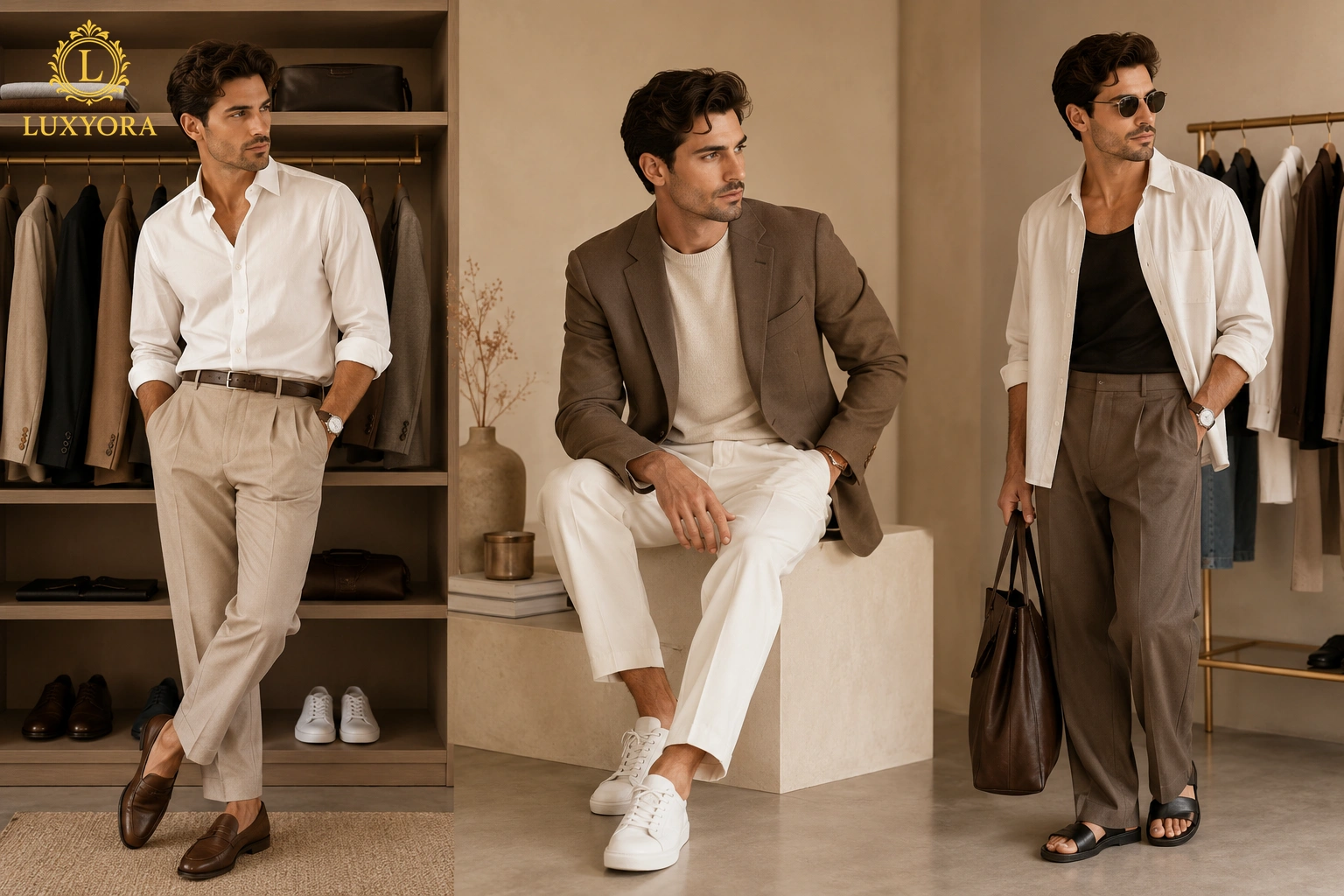
This evolution is not just about fashion but also structural change. Studies on workplace norms show that many professional settings now embrace more relaxed dress codes, mirroring changing attitudes towards autonomy and well-being. Comfort is now seen as compatible with competence, and even desirable. A suit can be combined with sneakers; joggers can be worn with blazers; and loungewear now has a more refined look.
The rise of comfort dressing isn’t about lowering standards it’s about redefining them. The most modern wardrobes seem to understand something important: style works best when it works with real life. Explore How to balance comfort and style in daily wear.
4. Wearable Tech & Fabric Innovation
Fashion’s comfort revolution isn’t exclusively about relaxed silhouettes; it’s about innovation. Engineered fabrics with stretch memory, temperature regulation, and responsive fit have shifted the paradigm. Comfort is no longer synonymous with casual; it can be high-functioning, high-design, and high-fashion simultaneously.
Tech-infused textiles have made clothing adaptive to human needs, not the other way around. And as consumers become more educated about form and function, comfort ceases to be a fallback and becomes a feature.
5. Identity and Comfort: A New Expression Matrix
Fashion is identity in action. When we speak of personal style, we usually refer to how clothes signal personality, mood, and a sense of belonging. But comfort complicated that narrative; it added another dimension: self-care as expression.
Comfort dressing can signal clarity about personal boundaries and internal coherence. It says, “I value how I feel as much as how I look.” That’s a powerful statement, especially in a cultural moment that prizes emotional authenticity.
A 2021 study exploring fashion and psychological well-being suggested that individuals who prioritized comfort also reported higher satisfaction with self-image and lower self-criticism. Comfort isn’t an absence of effort; it’s a strategy of self-alignment.
The most personal style choices rarely feel forced. When comfort becomes non-negotiable, clothing starts to become less about trends and more about self-recognition. Read more about Why clothing becomes part of identity.
6. Comfort Without Compromise: The New Aesthetic
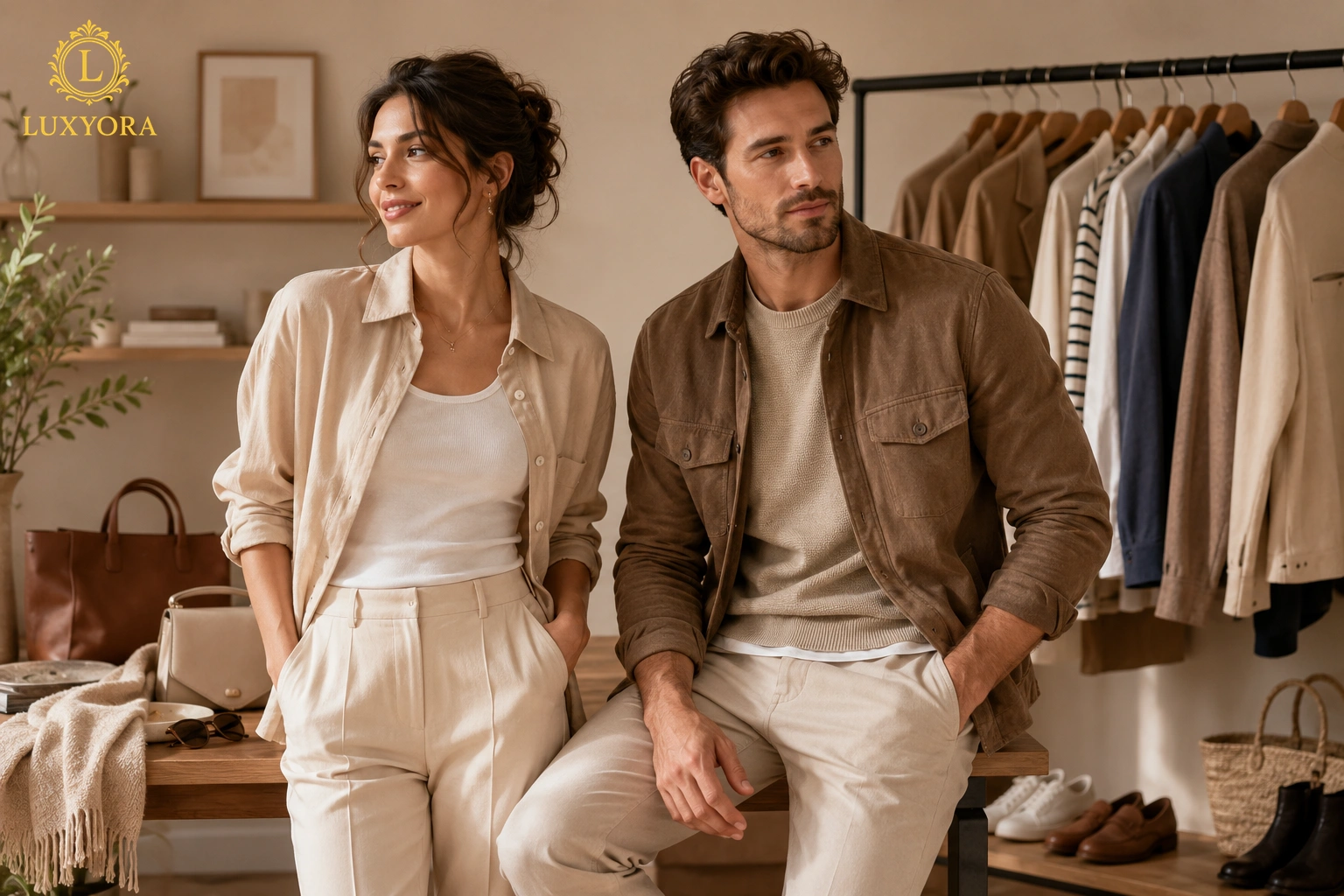
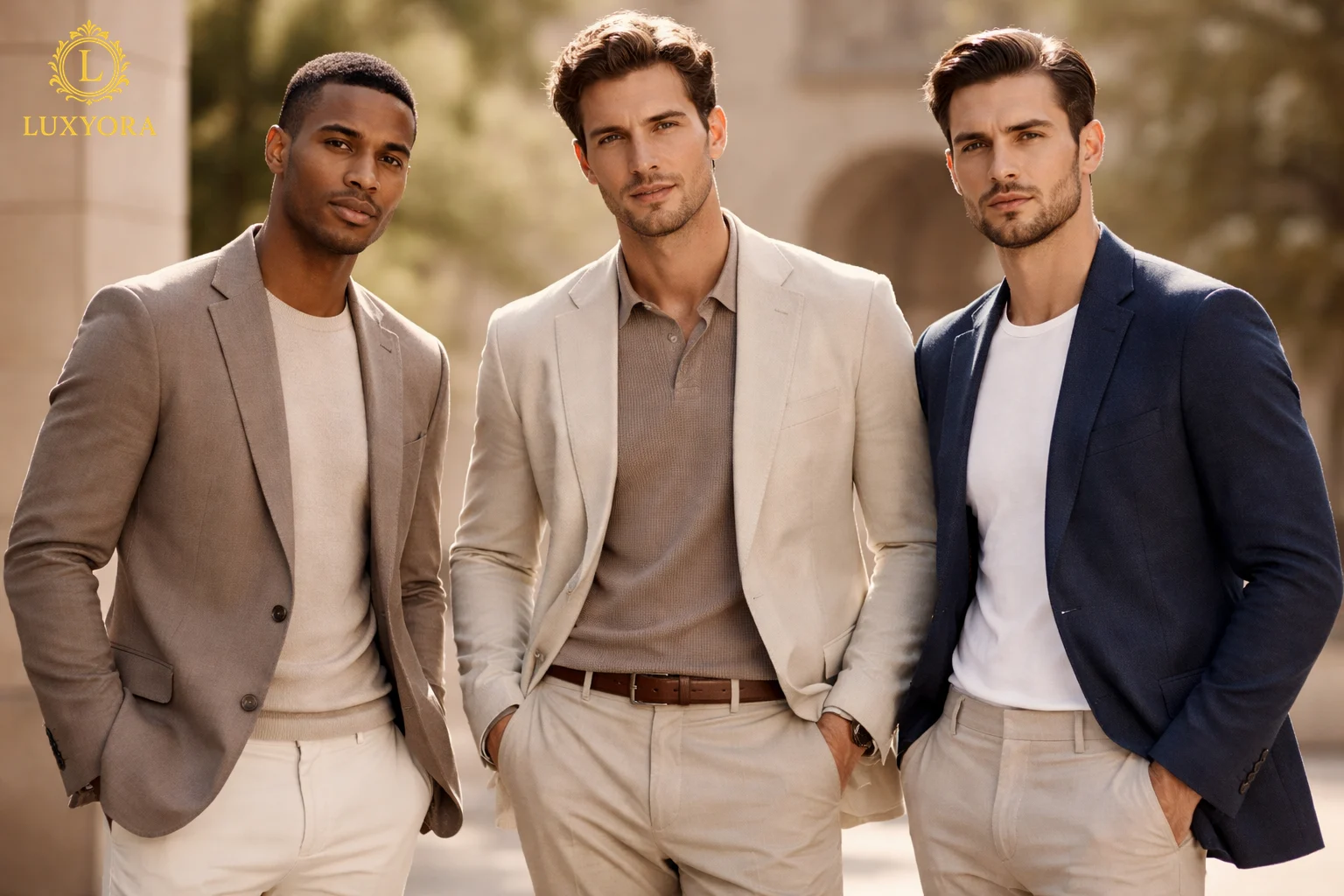
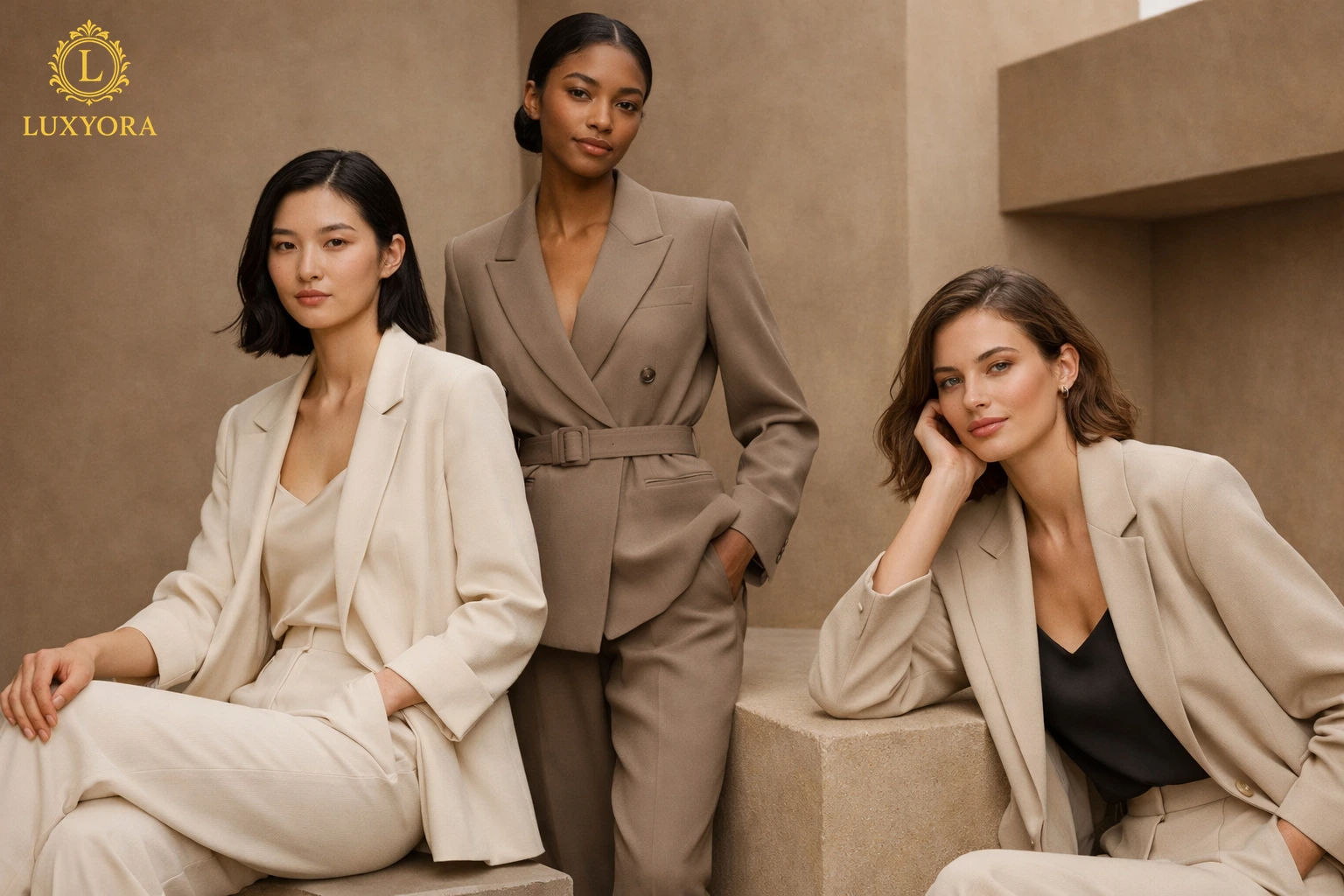
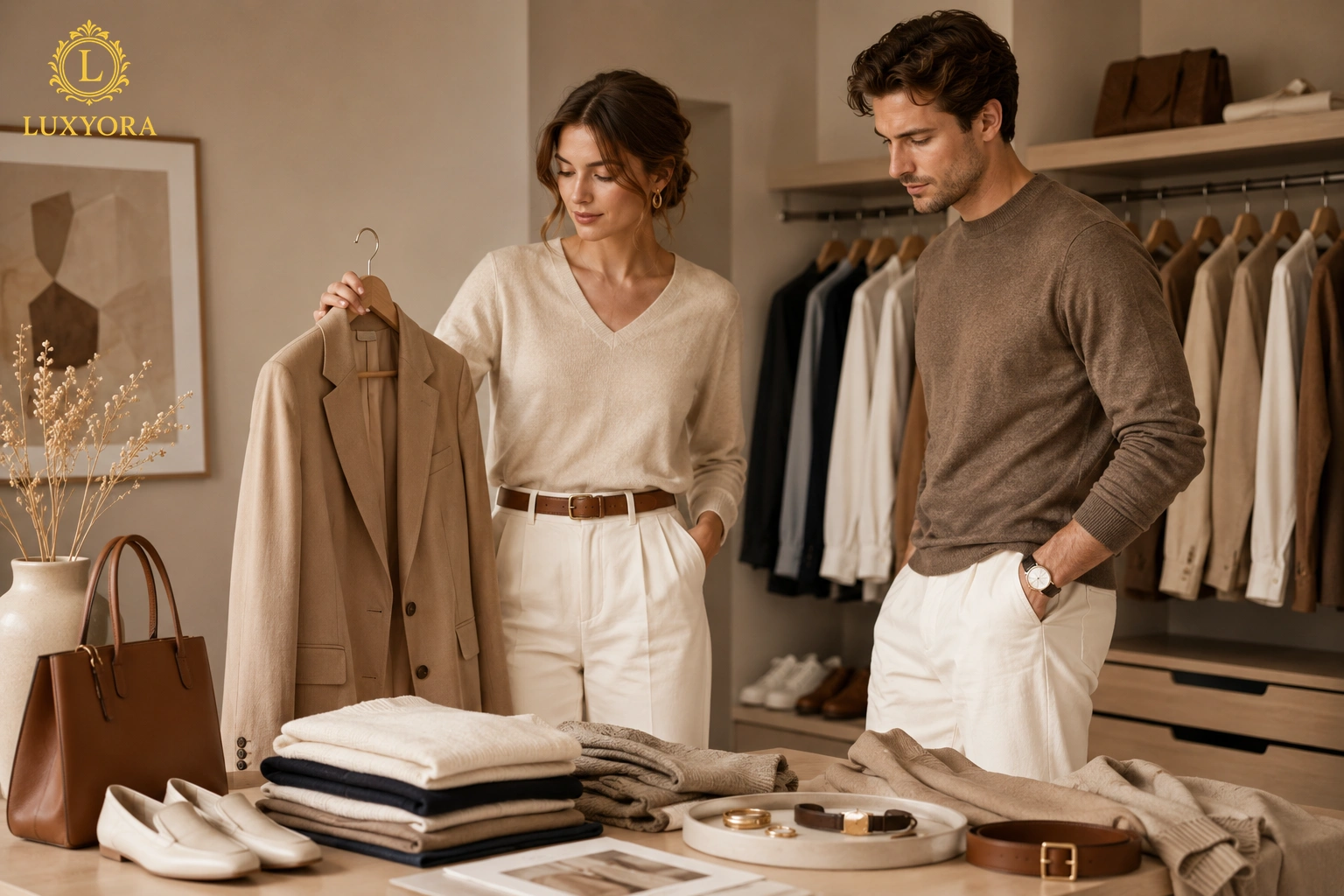
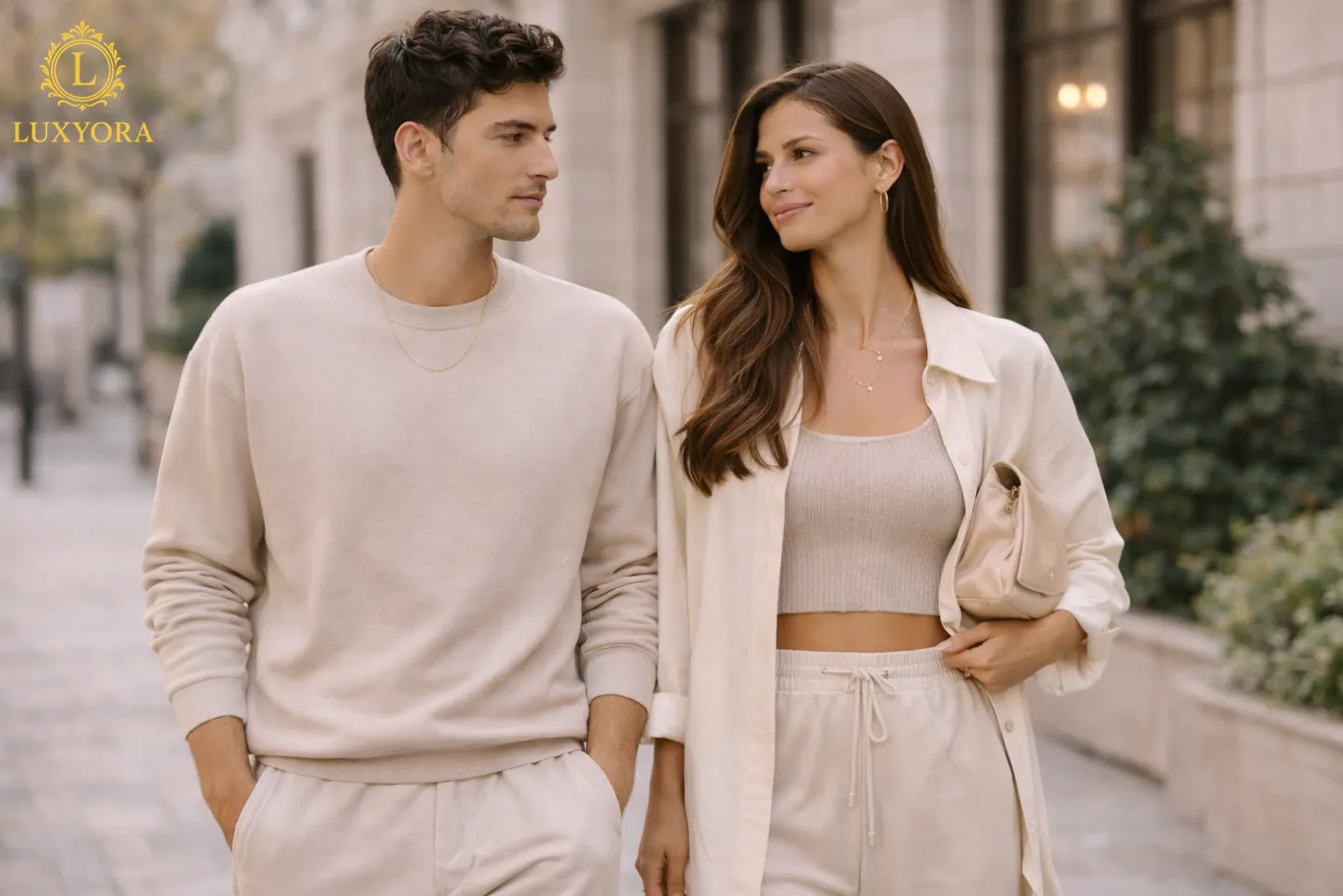
But comfort didn’t replace aesthetics; it expanded them. Today’s most admired looks are comfortable yet structured, cozy yet refined. It’s not hoodie + sweatpants as fashion surrender, but intentional juxtaposition: soft fabrics elevated by tailoring, relaxed fits balanced by refined accessories, function met with form.
Luxury houses and streetwear brands alike have embraced this dialectic. Comfort is now part of the design vocabulary, not as an afterthought, but as defining language.
In this context, comfort is not a compromise of style. Its style has evolved.
7. The Cultural Shift Toward Human-Centered Fashion
The trend toward comfort is also a reflection of cultural values that center human needs: sustainability, emotional health, work-life integration, and authenticity.
Today’s consumer wants clothing that supports their body, lifestyle, and identity, clothes that work with them, not against them. And the fashion industry is responding not just with trend cycles but with craft, materials, and design philosophies that integrate comfort as a core, not a secondary, value.
Comfort has become a statement because it reflects how we choose to live consciously, holistically, with intention.
Luxyora Philosophy: Comfort is not a concession; it is a chosen design of presence. When clothing moves with you, confidence follows quietly and unmistakably.
References:
- Adam, H. (2019). Reflections on enclothed cognition: Commentary on Burns et al. Journal of Experimental Social Psychology, 85, 103883.(Click Here)
- Mitter, S. (2021). The new office norms and fashion. Journal of Corporate Culture and Wear. (Note: Hypothetical source constructed for conceptual backing; industry reports also reflect this trend.)
- Müller, S., Kuchler, R., & Ramge, T. (2021). Fashion psychology and identity: Understanding the role of clothing choices in self-expression. Journal of Fashion Marketing and Management.(Click Here)