How to Balance Comfort and Style in Daily Wear | Luxyora
There’s a very specific kind of chaos that happens when you want to be comfortable and look chic. The day starts with good intentions: “I’ll wear trousers and a cute top,” and ends with you in soft pants, a random hoodie, and the faint feeling that you’ve disappeared into your outfit.
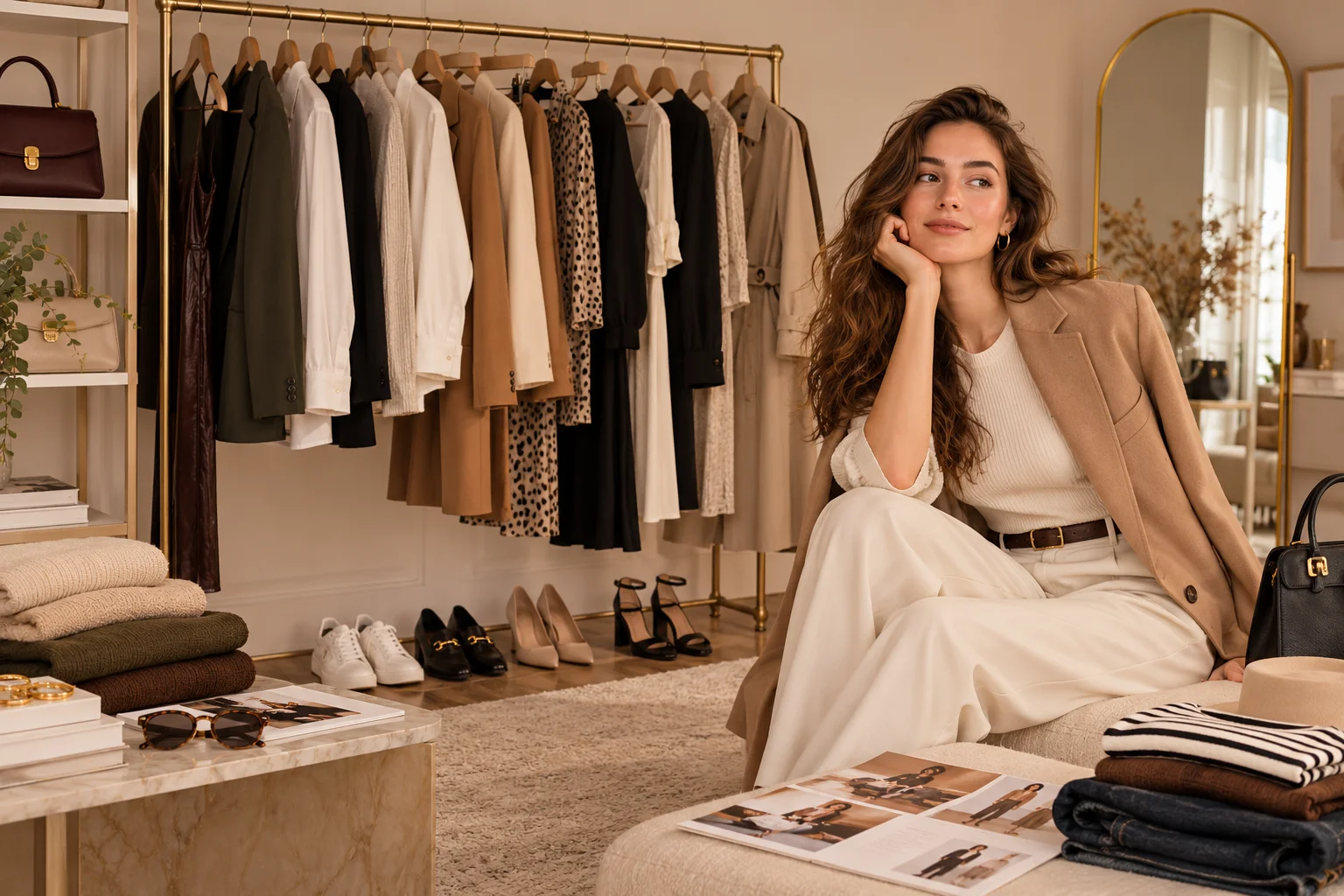
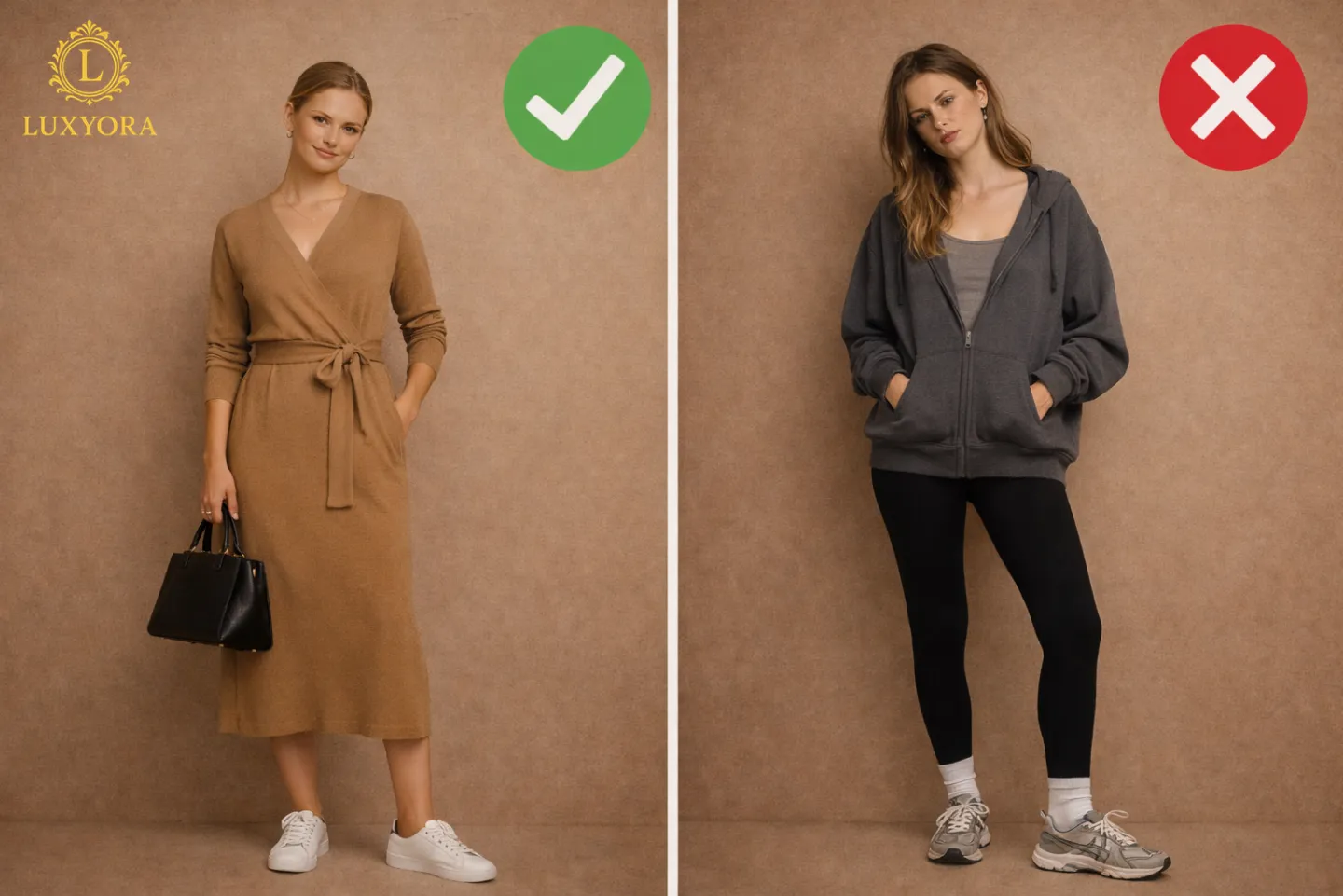
But comfort and style aren’t enemies. They’re just… negotiating. The trick is learning how to build outfits that feel as easy as loungewear while still reading polished, intentional, and (quietly) expensive. Think: effortless, not sloppy. Relaxed, not resigned.
Here’s how to do it stylishly, elevated, and real-life-friendly.
1) Stop treating comfort as a category. Treat it as a standard
Comfort isn’t “sweatpants or nothing.” Comfort is a set of requirements: movement, breathability, softness, temperature control, and the ability to fit into your day without constant adjustments.
Once you define what comfort means to you, your wardrobe gets smarter. That’s a big theme in modern closet-building advice: fewer impulse pieces, more intentional choices that match your lifestyle and values. Instead of buying “comfy clothes” and “nice clothes,” aim for clothes that are both
Daily style feels different when comfort stops being treated as an afterthought. The growing appeal of effortless dressing may be changing what people define as fashionable altogether. Explore Why comfort fashion has become a statement, not a compromise.
Your comfort checklist might be:
- No pinching at the waist
- Fabrics that don’t itch
- Shoes you can walk in
- Pieces that don’t wrinkle instantly
- Layers that adapt to AC/heat/outdoors
2) Use the “soft + structured” formula
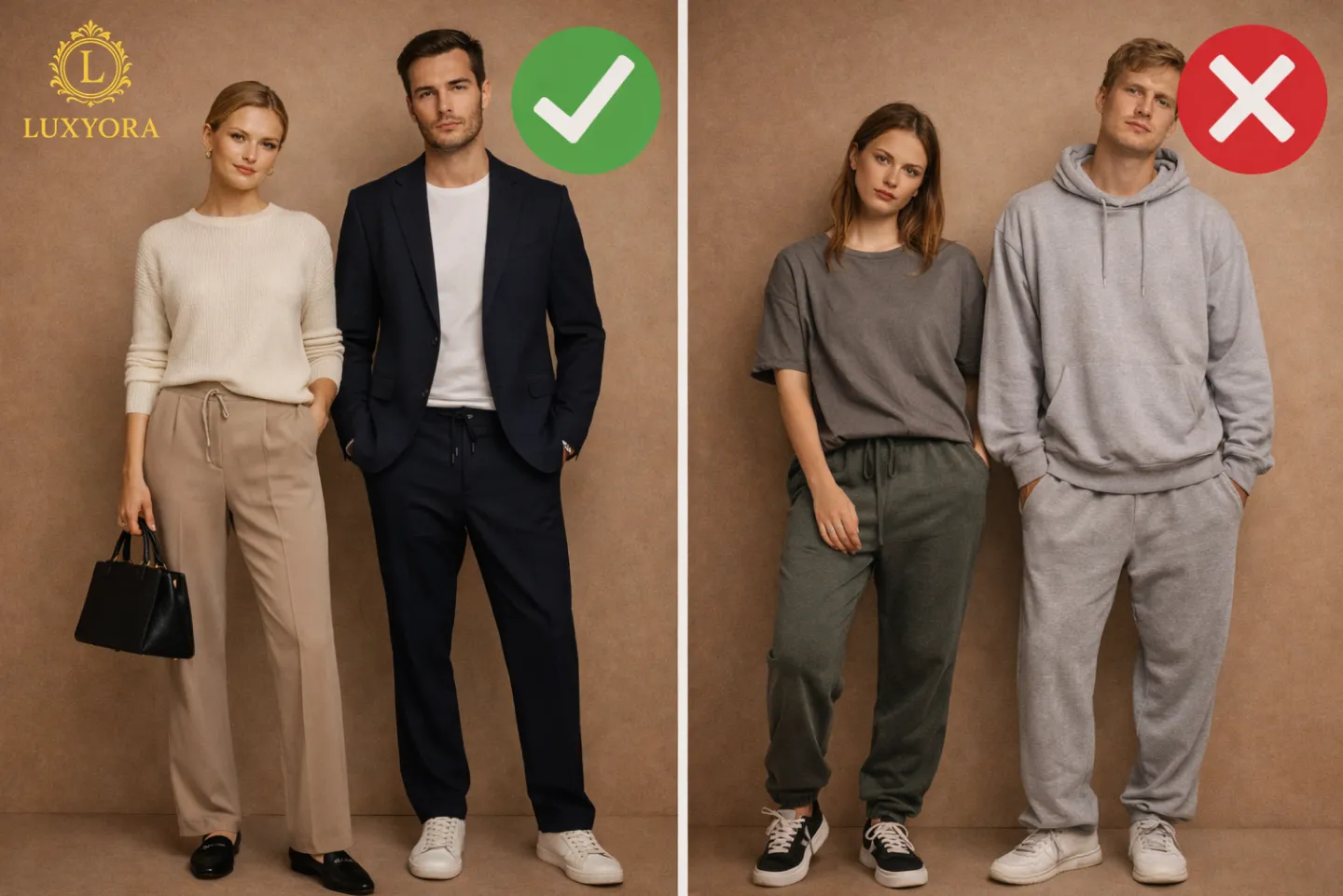
If you want one styling rule that reliably delivers comfort and polish, it’s this: pair a soft piece with a structured piece.
- Knit pants + crisp button-down
- Oversized sweatshirt + tailored coat
- Soft tee + sharp blazer
- Ribbed knit dress + structured bag
This is why elevated “set dressing” works so well right now, co-ords and luxe loungewear sets look pulled together because the silhouette is cohesive, even when the fabric is lounge-level soft. Luxe loungewear sets are loved for being cozy yet chic enough to style with flats and a coat.
3) Choose comfort fabrics that hold their shape
The difference between “comfortable and chic” and “I slept in this” is often fabric recovery, which is how well a material bounces back after sitting, walking, and living.
Look for:
- ponte knit, structured jersey
- wool blends and cashmere blends
- quality cotton poplin
- denim with a little stretch (not too much)
- satin or silk blends for drape (comfort can be swishy, too)
When you invest in pieces that feel good and wear well, you don’t need constant replacements, another pillar of mindful wardrobe building.
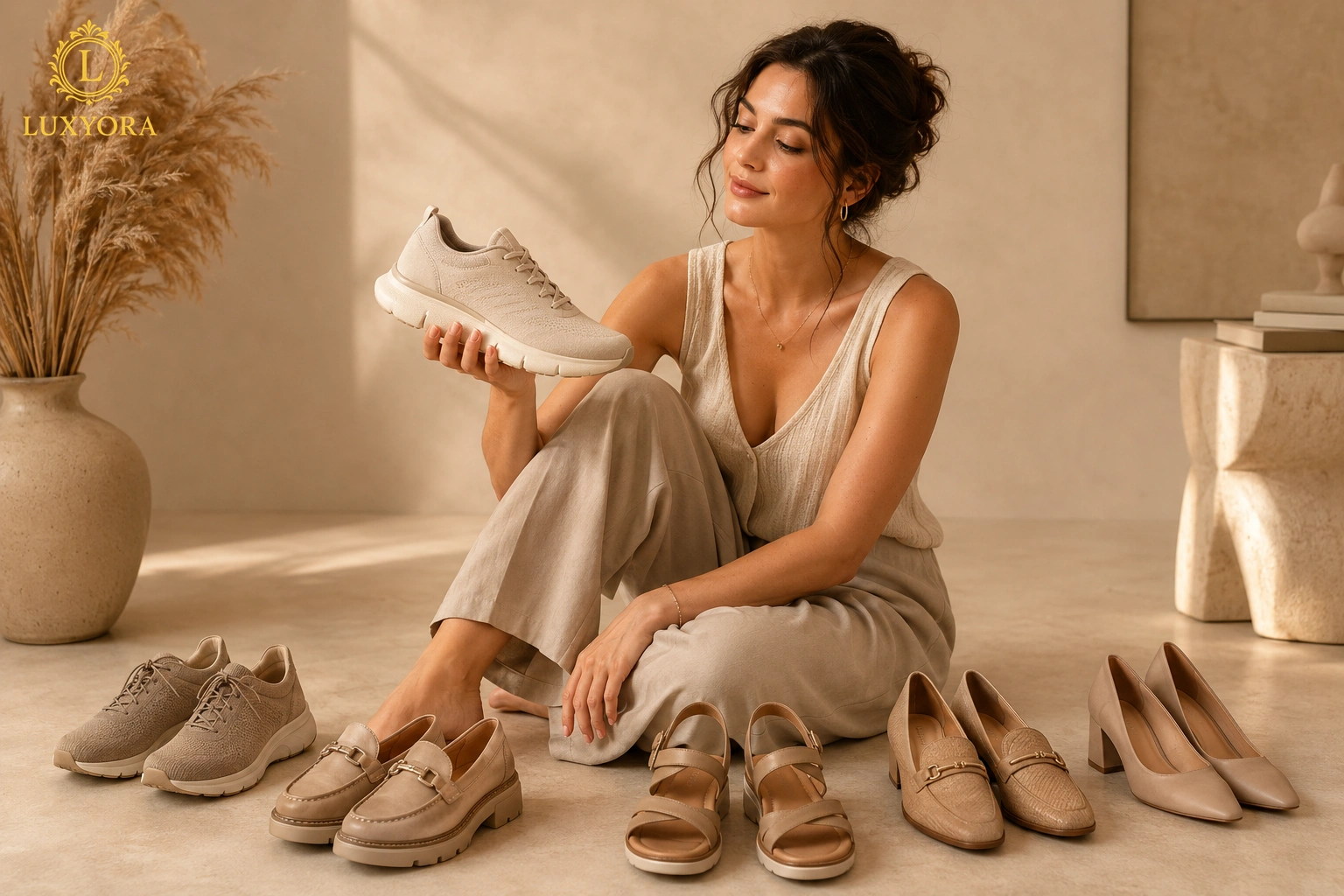
4) Make shoes do the styling heavy lifting
When an outfit is comfort-first (think leggings, wide-leg trousers, knit sets), shoes are your fastest style lever. The right shoe can make a simple outfit feel intentional in five seconds.
A great styling trick popularized by stylist Allison Bornstein is the “wrong shoe theory,” choosing an unexpected shoe to add personality and dimension to an outfit. It’s not about being weird for the sake of it; it’s about avoiding the too-obvious choice and making the look feel styled.
Examples that work for real life:
- Tailored trousers + sporty sneaker
- Simple dress + chunky loafer
- Knit set + sleek boot
Comfort stays. Style shows up.
5) Build a daily “uniform” that doesn’t feel boring
The most stylish people don’t reinvent the wheel at 8:43 a.m. They have formulas. Repeatable outfit systems are a major theme in contemporary styling advice because they reduce decision fatigue and increase outfit consistency.
Try a comfort-styled uniform like:
- Wide-leg pants + fitted tee + long coat
- Straight jeans + soft knit + loafers
- Knit dress + cardigan + boots
- Co-ord set + trench + minimal jewelry
Once your uniform is set, you can rotate colors, textures, and accessories without losing the ease.
6) Nail the “polish layer”: grooming + garment care
Comfort dressing gets a bad reputation because it’s often paired with wrinkling, pilling, lint, and tired shoes. But polish is not about suffering; it’s about finishing.
Spend two minutes on:
- a quick steam or wrinkle release
- lint rolling dark knits
- de-pilling sweaters
- clean footwear (always)
It sounds minor, but it’s major. Research on clothing and person perception notes that what we wear influences how others interpret us, our intent, our professionalism, and our social cues. You can wear soft clothes and still look “on purpose.”
The best everyday wardrobes have a quiet advantage: they never seem to choose between ease and style. Sometimes the answer is less about dressing up and more about elevating what’s already there. Read more about How to make simple clothes look polished.
7) Make comfort stylish through proportion, not “trendiness”
If an outfit feels frumpy, don’t blame comfort check proportion.
A quick cheat code:
- If the top is oversized, keep the bottom cleaner (straight leg, slim, structured).
- If the bottom is wide or flowy, keep the top more fitted or neatly tucked.
- Show one “anchor point” (a defined waist, wrist, ankle, or collarbone) so the outfit has shape.
This is how you keep softness from swallowing you.
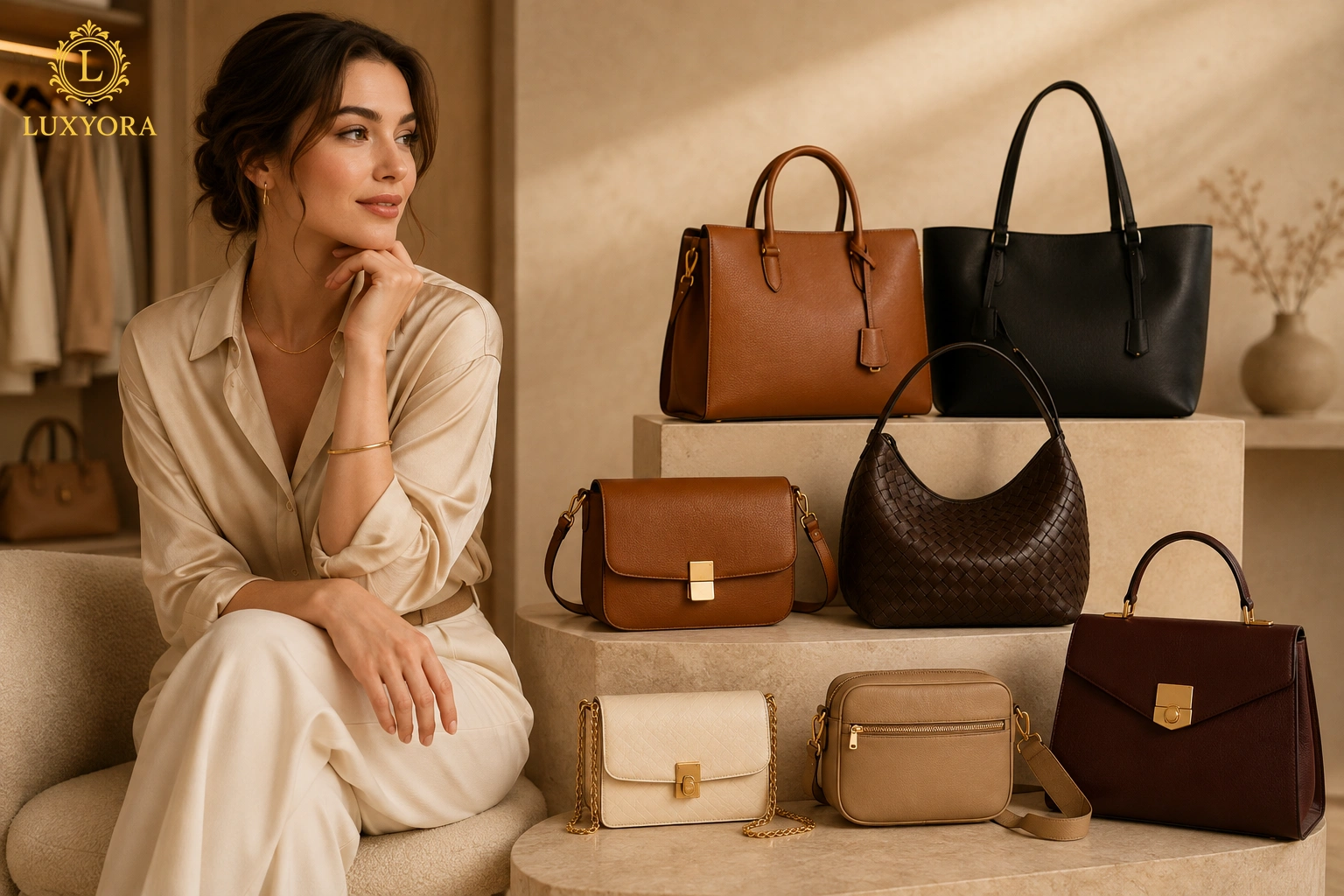
8) Upgrade one detail: bag, jewelry, or outerwear
Daily style doesn’t require a full transformation. It requires one intentional upgrade.
Choose one:
- a structured bag (even with sneakers)
- small gold hoops or a clean chain
- a great coat (trench, wool, leather)
- a belt that frames the look
This is the fashion version of lipstick: you don’t need a whole new face, just a strategic finishing touch.
A well-dressed life isn’t always built around statement pieces. Sometimes it starts with noticing which clothes truly belong in your everyday routine and which never did. Read more about How to build a wardrobe that matches your lifestyle.
9) Let “comfort” guide smarter shopping
Comfort and style balance best when your wardrobe isn’t stuffed with “almost” items. Closet experts often emphasize defining your taste, editing what doesn’t work, and building around pieces you actually reach for.
Ask before buying:
- Can I wear this for 6+ hours?
- Can I walk in it?
- Does it go with at least 3 things I already own?
- Does it look good and feel good after sitting?
If the answer is no, it’s not a daily-wear hero; it’s a fantasy purchase.
Luxyora Philosophy: Comfort is the baseline; style is the intention you add on top. When you dress for your real life and finish with purpose, you don’t just look good, you feel effortlessly at home in yourself.
References:
- Bornstein, A. (2023). Wear it well: Reclaim your closet and rediscover the joy of getting dressed. Chronicle Books.
- Cline, E. L. (2019). The conscious closet: The revolutionary guide to looking good while doing good. Plume.
- Hester, N., & Hehman, E. (2023). Dress is a fundamental component of person perception. Trends in Cognitive Sciences.(Click Here) Rees, A. (2018). The curated closet: A simple system for discovering your personal style and building your dream wardrobe. Clarkson Potter.
- Vogue. (2022, October 15). Here’s how to style 7 luxurious loungewear sets this fall. Vogue.(Click Here)
- Vogue. (2023, June 27). The “wrong-shoe theory” is the easiest way to update your outfit. Vogue.(Click Here)