Can Handbags Ever Be Truly Sustainable? | Luxyora
In a world where sustainability has shifted from buzzword to buying criterion, even handbags, those coveted symbols of personal style, are in the spotlight. The question isn’t just whether handbags can be sustainable. Can they be truly sustainable from raw materials to end-of-life considerations without compromising craftsmanship, luxury appeal, or longevity? As the luxury industry grapples with environmental and ethical scrutiny, the answer is not a simple yes or no but a nuanced evolution.
What “Sustainability” Really Means in Fashion
Sustainability in handbags, like in all fashion, is more than recycled packaging or a green logo on a tag. True sustainability encompasses the entire lifecycle of a product, including how materials are sourced, how labor is treated, how production impacts the environment, how long the product lasts, and what happens when it’s finally retired. Sustainability is a system, not a single initiative.
Fashion’s impact is real: textile production alone accounts for an estimated 10% of global carbon emissions, and leather tanning and dyeing are chemical-intensive processes with significant ecological footprints when not managed carefully. So when we talk about a handbag being “sustainable,” we’re really asking: did someone think about every step from pasture to closet to landfill?
Materials Matter: Leather, Alternatives, and Their Trade-Offs
Leather has long been the hallmark of luxury handbags. It’s durable, develops patina, and offers sensory richness that synthetic materials struggle to replicate. But traditional leather production is resource-intensive and tied to livestock agriculture, which raises questions about emissions, land use, and animal welfare.
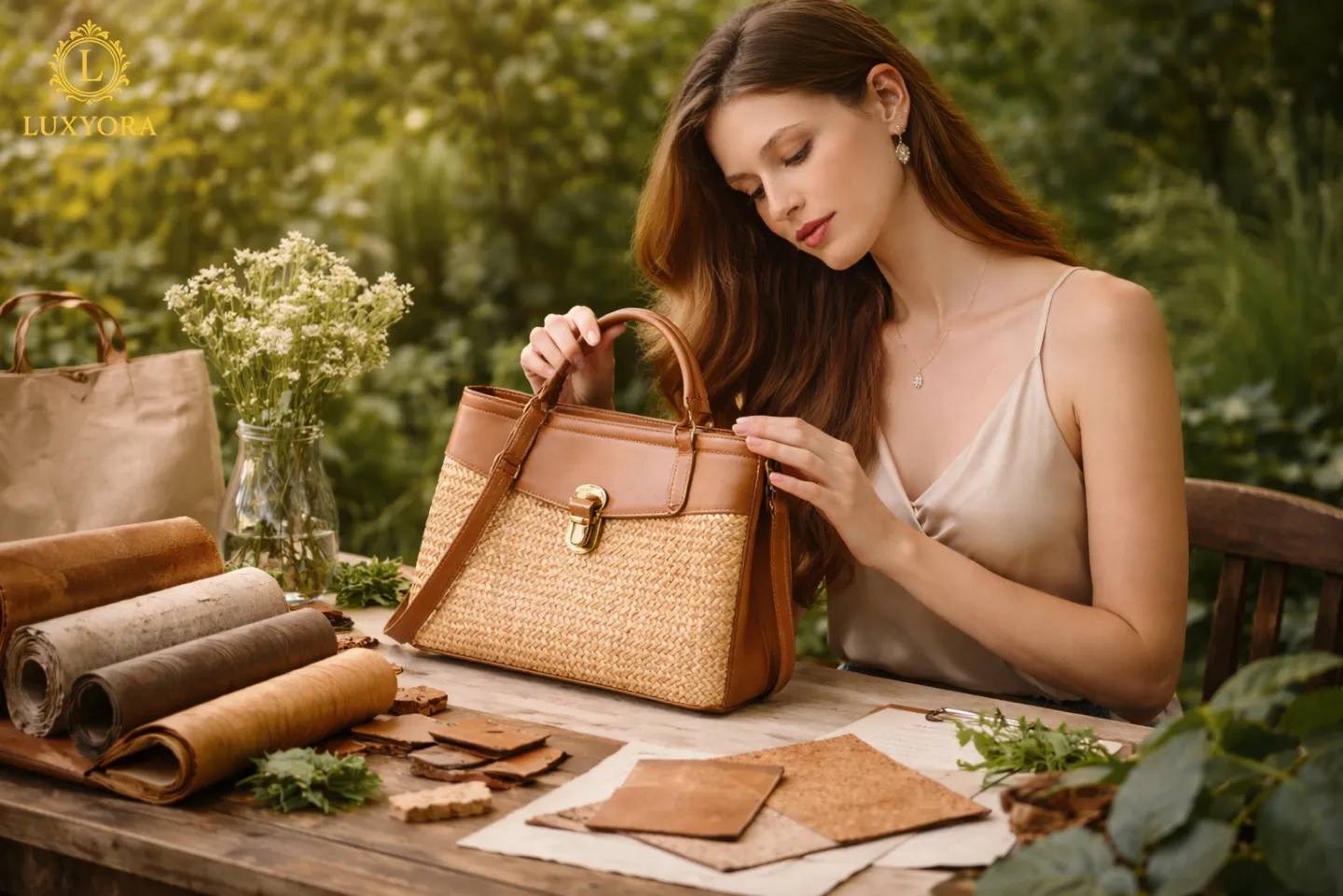
The industry’s response has been multifaceted. Some high-end brands prioritize certified sustainable hides with traceability standards that include reduced chemical use and wastewater control. Others explore bio-based leathers made from cactus, apple waste, or mushroom mycelium. These alternatives offer promising ecological profiles: less water use, no animal input, and a lower carbon footprint, yet they aren’t perfect. Some require chemical processing for durability, and their long-term aging and repairability are still under study.
What becomes clear is that no material is a silver bullet. Even plant-based alternatives need energy, transport, and processing. Sustainability, then, isn’t about replacing materials, but about choosing them intelligently in context.
Durability: The Hidden Sustainability Hero
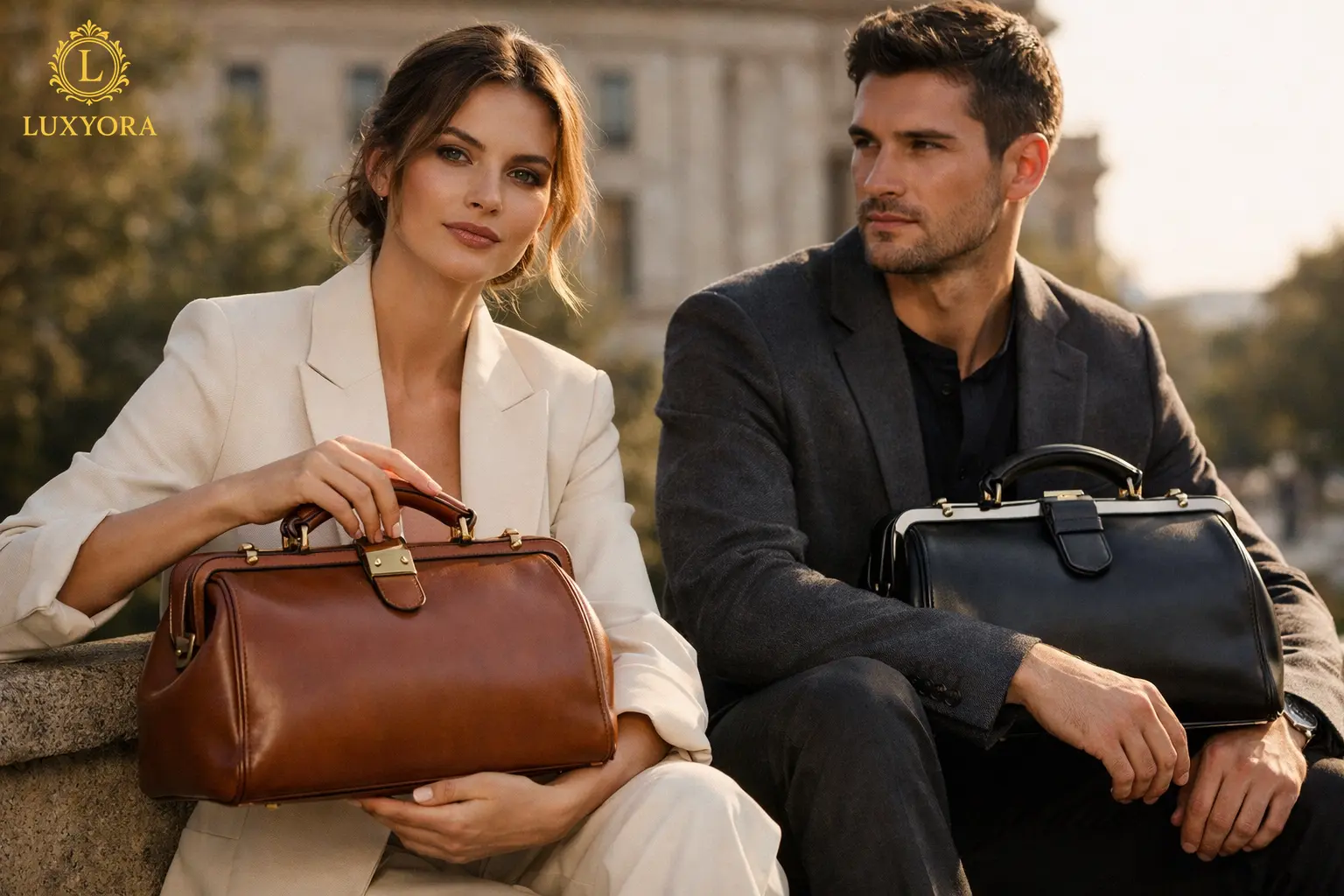
A truly sustainable handbag isn’t just made from vegan leather or recycled nylon. It lasts decades, not seasons. In fashion’s traditional lifecycle, frequent trend cycles encourage consumption and disposal. Luxury has a different rhythm: slow design, timeless shapes, and quality that invites repair and reuse. A classic bag that’s cherished for a lifetime is inherently more sustainable than five trendy bags that wear out in two seasons.
This is where luxury and sustainability naturally align: durability is elegance in motion. And when a bag can be repaired, refurbished, or passed to the next owner, its lifetime footprint decreases dramatically.
Manufacturing and Supply Chain Transparency
Where a handbag is made and how it is made matter deeply. Sustainable goals require not just materials but ethical labor practices, fair wages, safe conditions, and craft traditions preserved rather than outsourced to lowest-bidder factories.
Many luxury houses are now publishing supply chain transparency reports, detailing where and how their products are made, and even where their hides are sourced. This level of visibility turns sustainability from a marketing aspiration into a measurable impact. Transparency also creates accountability: brands that won’t publicly affirm their practices risk losing credibility with conscious consumers.
Luxury is built one stitch at a time, and the story behind each handbag is as captivating as the design itself in How Luxury Handbags Are Really Made.
Circularity: Rethinking End-of-Life
The sustainability conversation increasingly embraces circular economy principles, designing products to be reused, recycled, or remanufactured at the end of their life. For handbags, circularity means:
- Take-back programs where brands refurbish or recycle old handbags
- Modular design enabling easy repair
- Second-hand markets that extend product life
- Recycling pathways for materials that can’t be reused
Circularity reframes sustainability not as avoiding creation, but as optimizing lifecycle value. When a bag becomes a long-term companion, a collectible, or a refurbished heirloom, its ecological cost per wear plunges.
Consumer Behavior and the Sustainability Equation
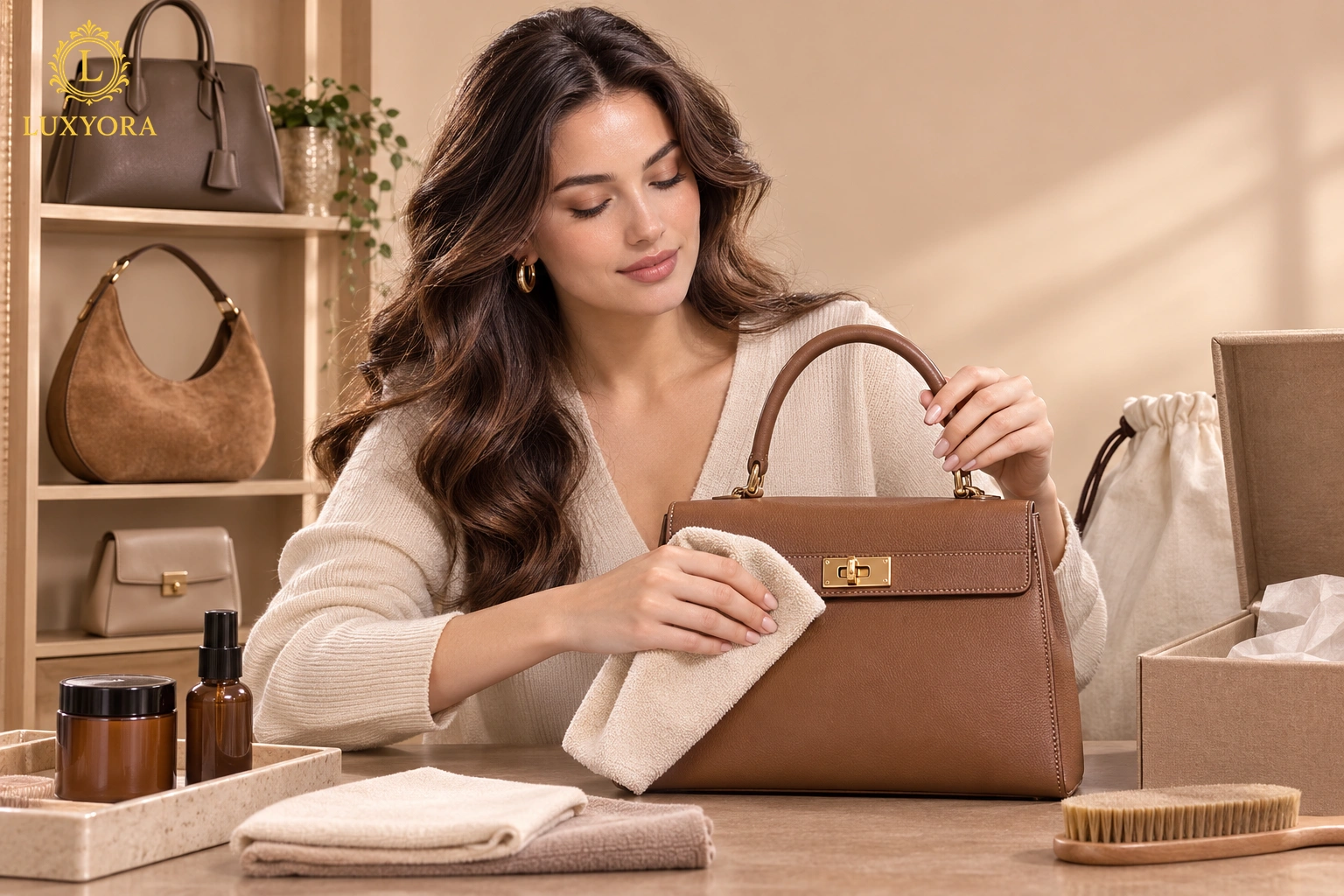
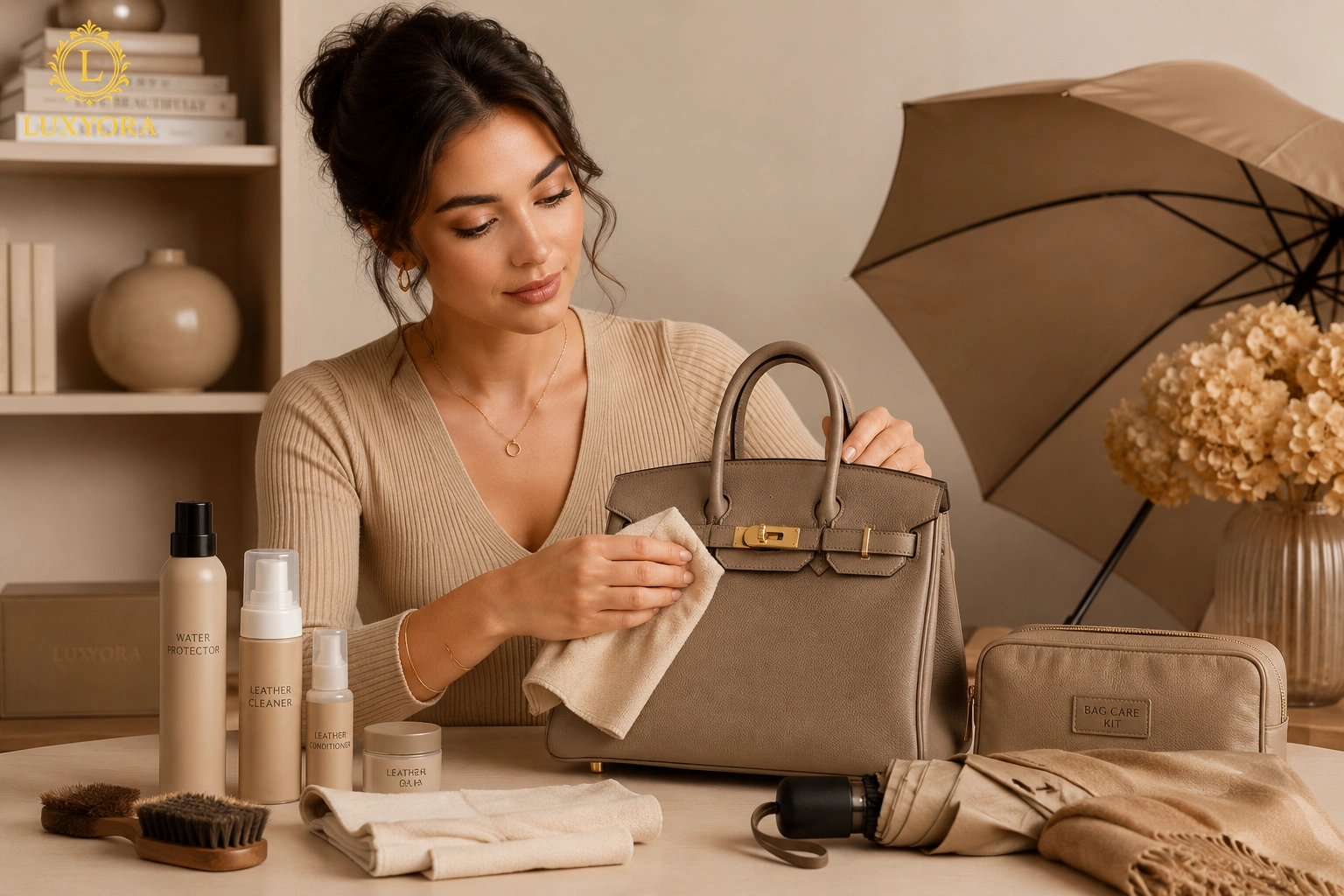
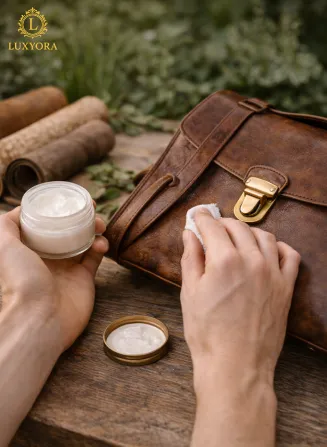
There’s another piece of the sustainability puzzle that luxury brands cannot control alone: consumer behavior. Even the most responsibly made handbag generates impact if it’s purchased in excess or discarded prematurely. A handbag becomes sustainable only when it is cared for, valued, and used.
Consumers now ask brands tough questions, forcing transparency and innovation. But sustainability isn’t just about what consumers buy, it’s about how long they keep it, how they repair it, and what happens when they decide to move on. The rise of secondhand luxury markets shows that consumers are already adopting more sustainable practices.
Challenges and Realities
Despite progress, there are limitations. Some sustainable materials remain costly or difficult to scale. Supply chains are complex, involving multiple countries and regulatory environments. Certification systems vary in rigor, and there’s no universal standard for sustainability in fashion.
Additionally, consumer expectations around newness and novelty continue to drive production. A handbag that is technically eco-friendly but replaced every season still carries environmental weight.
The challenge for the luxury industry is to push both product and culture toward sustainability: materials, yes, but also purchasing habits, repair culture, and appreciation of lifespan.
The Future of Sustainable Handbags
So can handbags ever be truly sustainable? Maybe not in an absolute sense, no complex product can be completely impact-free. But they can be meaningfully sustainable if:
- Materials are chosen with transparency and context
- Craftsmanship prioritizes durability and repairability
- Supply chains are ethical and traceable
- Product lifecycles are extended through reuse and resale
- Consumers are educated and empowered to value longevity
Sustainability becomes less of a checklist and more of a mindset, one that values quality over quantity, story over spectacle, and timelessness over trend.
Luxyora Philosophy: Sustainability isn’t a moment, it’s a mindset stitched into every choice from material to lifetime use.
References:
- Hyll, N., Billing, K., & Berg, A. (2021). Biobased and biodegradable polymeric materials for sustainable consumer products. Journal of Cleaner Production, 312, 127755.
- Niinimäki, K., Peters, G., Dahlbo, H., Perry, P., Rissanen, T., & Gwilt, A. (2020). The environmental price of fast fashion. Nature Reviews Earth & Environment, 1(4), 189–200.
- Fletcher, K., & Tham, M. (2019). Earth Logic Fashion Action Research Plan. The J. J. Charitable Trust.
- Ellen MacArthur Foundation. (2019). A new textiles economy: Redesigning fashion’s future.
- UNEP (United Nations Environment Programme). (2018). Single-use plastics: A roadmap for sustainability.