The role of shoes in professional credibility | Luxyora
If you’ve ever felt instantly more “together” the moment your shoes hit the pavement, you’ve already sensed how professional credibility can start from the ground up. Smooth leather, clean soles, a silhouette that means business, you already understand the quiet power of footwear. Shoes are the detail people claim not to notice, then somehow remember. They’re the punctuation at the end of your outfit-sentence: a period, an exclamation point, or, if we’re being honest, a question mark.
In professional settings, credibility often forms in seconds. Before you speak, your appearance is already doing a soft launch of your competence: how you approach standards, how you read the room, how much care you bring to the small things. Shoes sit at the centre of that story because they’re both symbolic and practical. They signal taste and attention, yes, but they also shape posture, movement, and comfort, which changes how you carry yourself when it matters.
Shoes are “detail credibility” in wearable form
Professional credibility is built from many small cues that add up to one big impression: reliable, polished, capable. Shoes are one of the most powerful of those cues because they’re oddly revealing. Not in a dramatic way, more like an executive whisper.
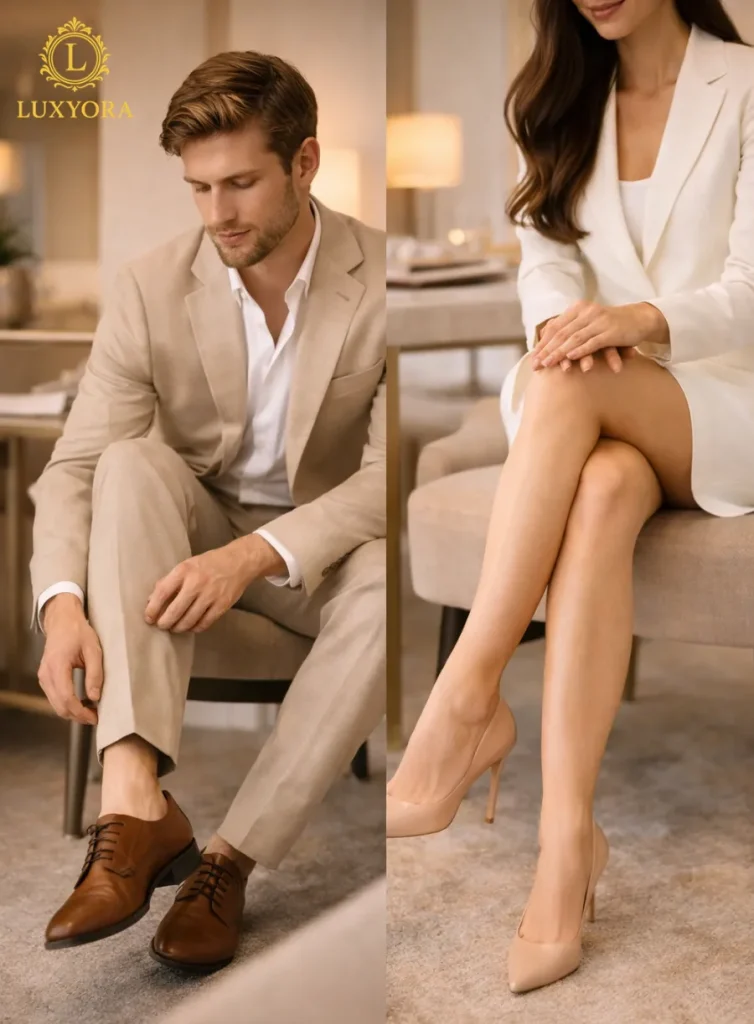
A sharply maintained pair communicates readiness. Clean lines suggest intention. Scuffed toes and collapsing heels don’t make someone “bad at their job.” Still, they can accidentally signal a sense of rush, depletion, or disengagement, especially in environments where presentation is part of the role (client-facing work, leadership, luxury, hospitality, finance, law). In those spaces, shoes function like a visual handshake. They tell people whether you came prepared for the meeting you say you’re prepared for.
The psychology behind why shoes matter
We don’t evaluate professionalism in a vacuum. We use shortcuts. The brain loves a quick, tidy story: this person looks organised, so they probably are organised. This is why clothing and dress cues can influence judgments of competence and trust. Shoes participate in that same perception system, especially because they’re associated with discipline (maintained leather, consistent style choices) and social rules (what’s “appropriate” where).
There’s another layer, too: what you wear can affect how you feel and behave. When your shoes align with the role you’re stepping into, presentation day, negotiation day, first-day-at-a-new-job day, it can subtly boost focus, presence, and confidence. Not because the shoe contains magic, but because it anchors identity. It’s easier to embody “I’ve got this” when your look supports the narrative.
Footwear codes: reading the room without saying a word
Every workplace has a shoe language, whether it admits it or not. Here’s the luxury reality: credibility is often about matching the context, not just being “formal.”
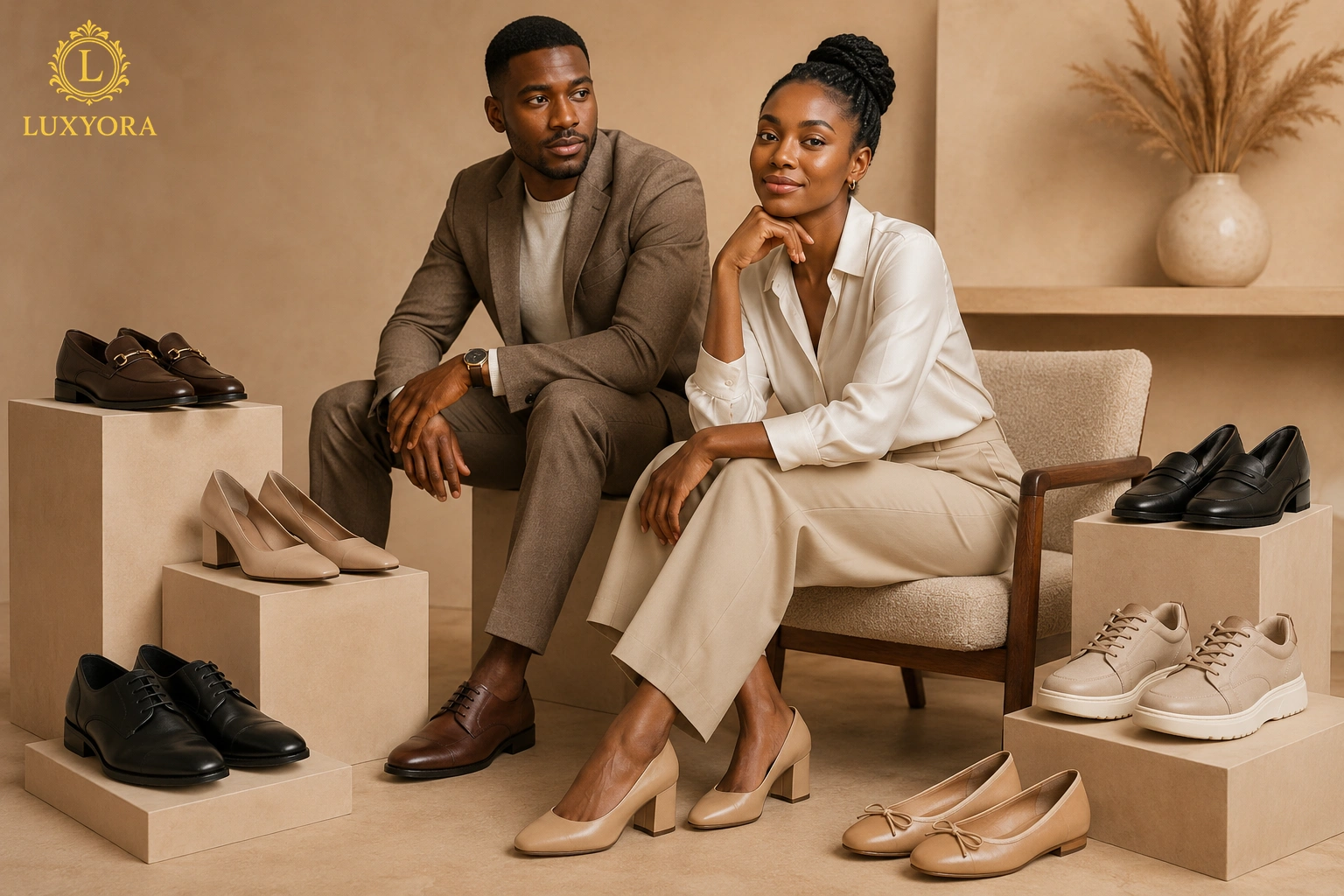
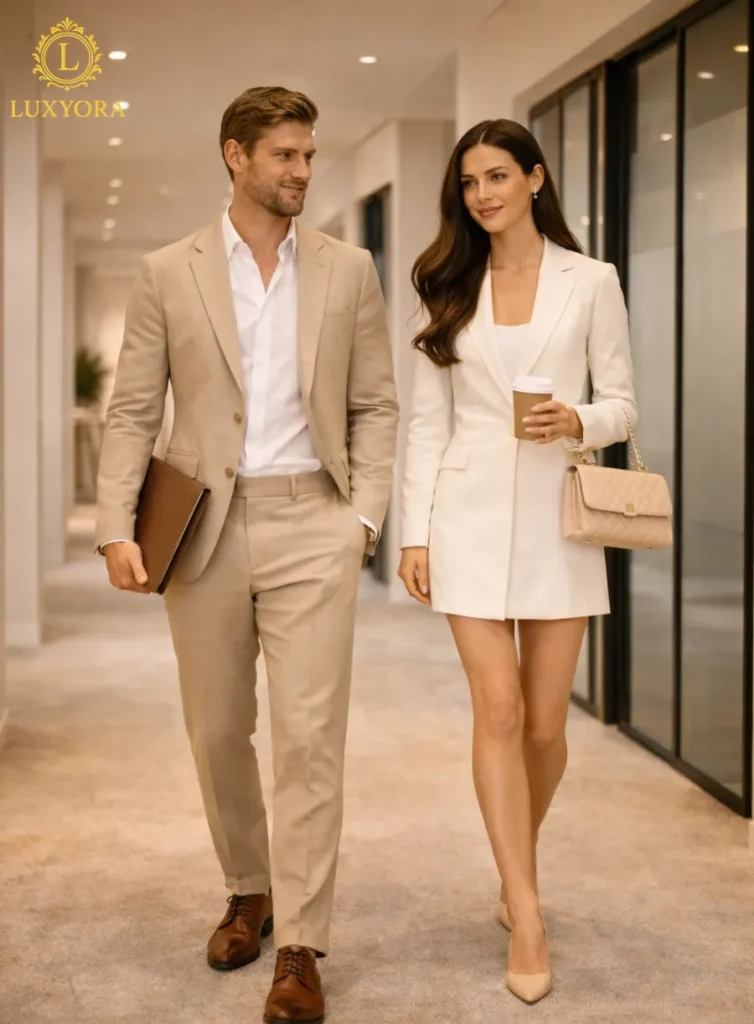
- Traditional corporate settings tend to reward shoes that look structured and intentional: classic pumps, refined loafers, sleek oxfords, and minimal boots with a polished finish.
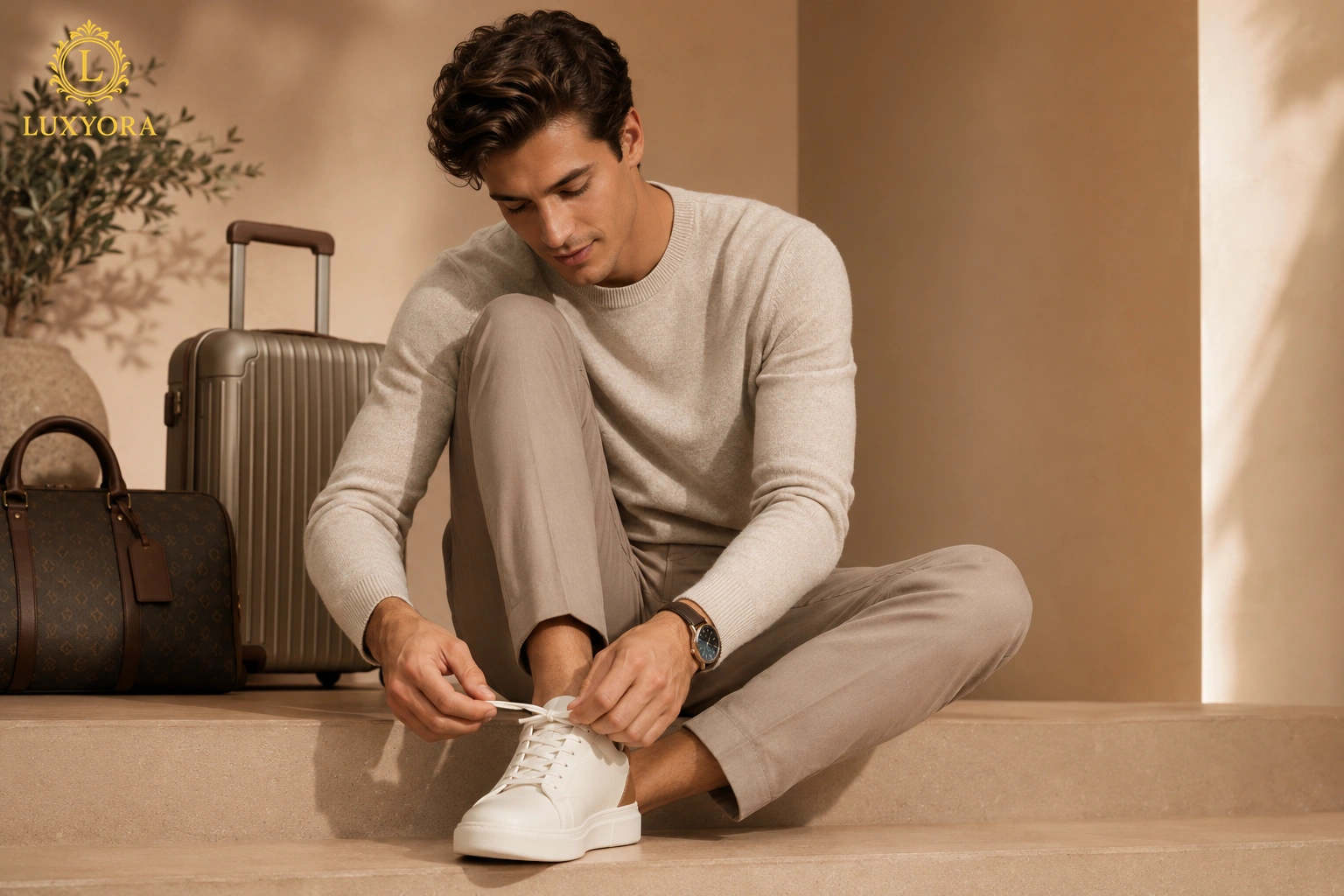
- Creative industries allow more personality, but they still read “care”: designer sneakers can be credible when they look pristine and intentional, not like you sprinted into the meeting.
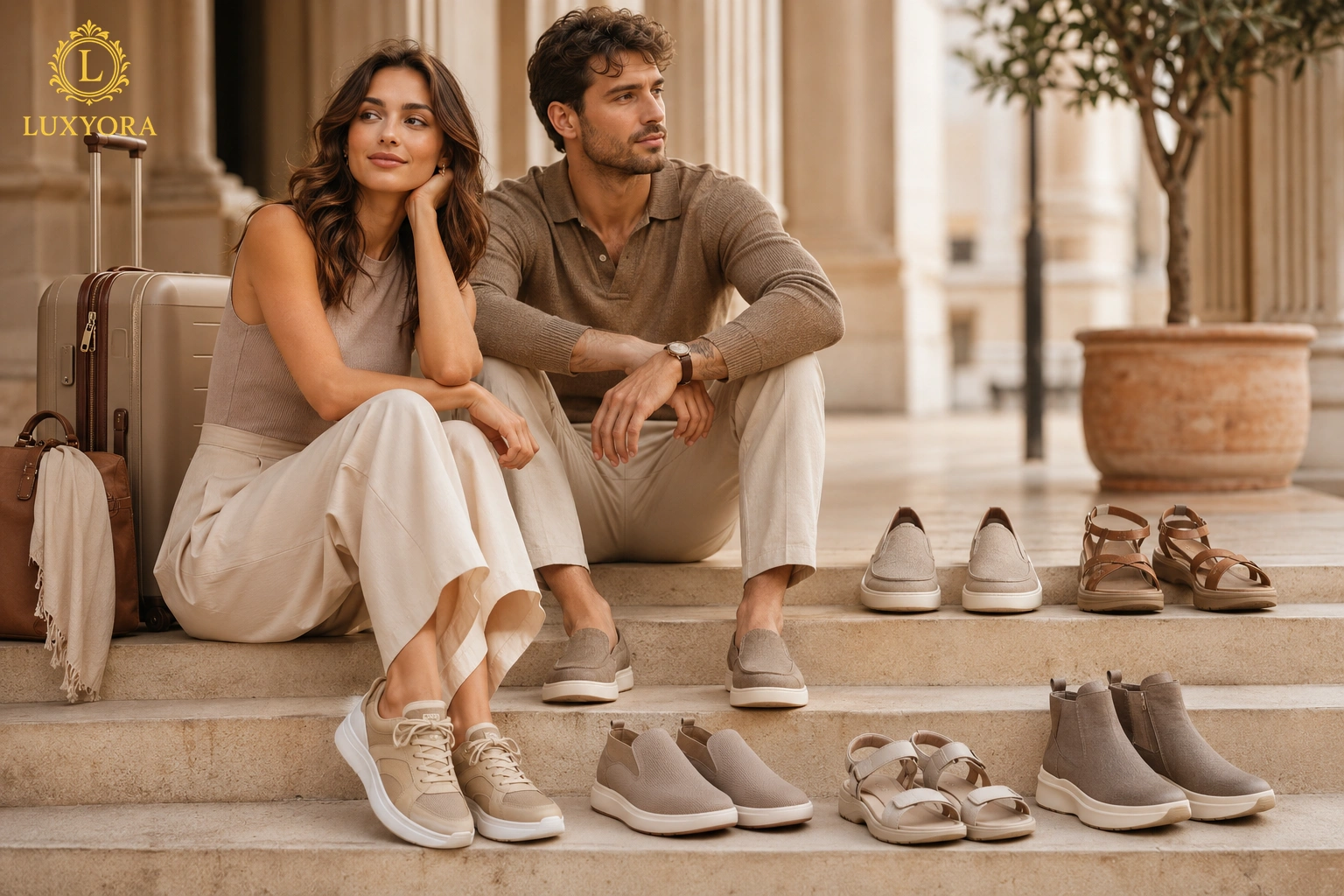
- Tech and hybrid workplaces often value ease, but a clean, elevated shoe still signals respect, especially when you’re pitching, interviewing, or leading.
The trick is balance. Too conservative can feel like a costume. Being too casual can feel like you didn’t take the moment seriously. The most credible shoe is usually the one that makes you look like you belong there, because you do.
Shoes and status: the subtle economics of polish
Let’s talk about the elephant in the entryway: shoes often signal resources. Not only wealth, but access to knowing which brands, which styles, which “quiet” details indicate quality. In luxury circles, footwear can serve as a kind of soft credential. The right shoe can tell you that you understand the codes without needing to announce them.
But credibility isn’t about price tags. It’s about coherence. A well-chosen mid-range shoe that’s immaculately maintained often reads more credible than an expensive pair that looks neglected. Care is a form of authority. It suggests you don’t just own things, you steward them.
The maintenance factor: credibility lives in condition
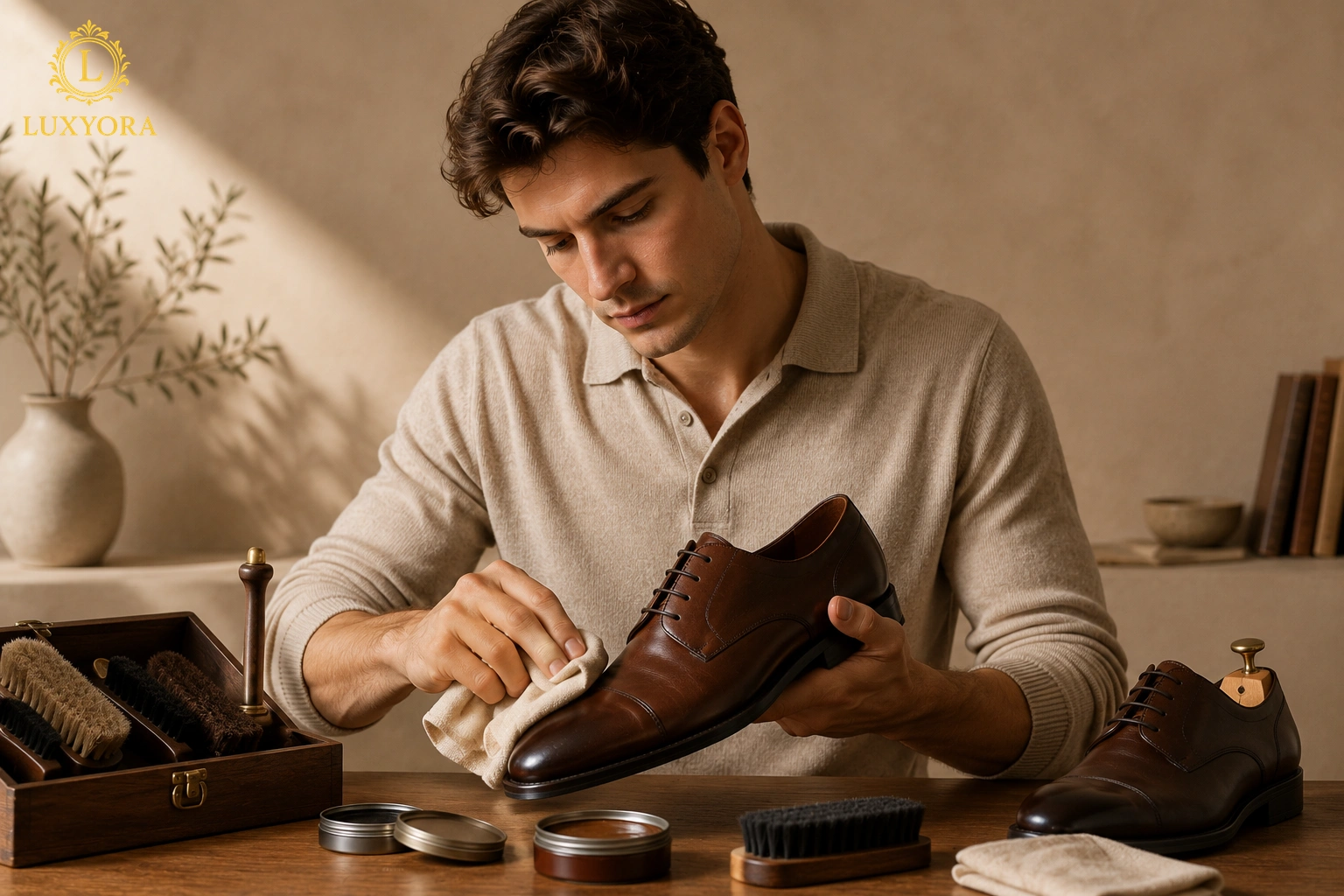
If you want the fastest upgrade to professional presence, it’s not always a new purchase; it’s maintenance.
- Keep shoes clean and conditioned.
- Replace worn heel tips and insoles before they become visible problems.
- Store properly to prevent creases and collapse.
- Rotate pairs so they don’t age prematurely.
These aren’t just “fashion tips.” They’re credibility rituals. When you take care of what supports you, it implies you’ll take care of what you’re responsible for.
In professional settings, credibility is often shaped by consistency rather than attention-grabbing choices. The footwear people remember tends to be the pairs that age well, hold their shape, and never seem overlooked. Continue reading in Shoe Care Secrets: How to Make Your Favorites Last Longer.
Comfort isn’t casual, it’s strategic
There’s a myth that professional shoes must be uncomfortable to be taken seriously. It’s outdated, and frankly, inefficient.
Comfort affects gait, posture, and facial expression. If your feet hurt, your body tightens. You fidget, you shift, you lose the stillness that reads as confidence. And if your shoes are distracting you, you are not fully available to the room.
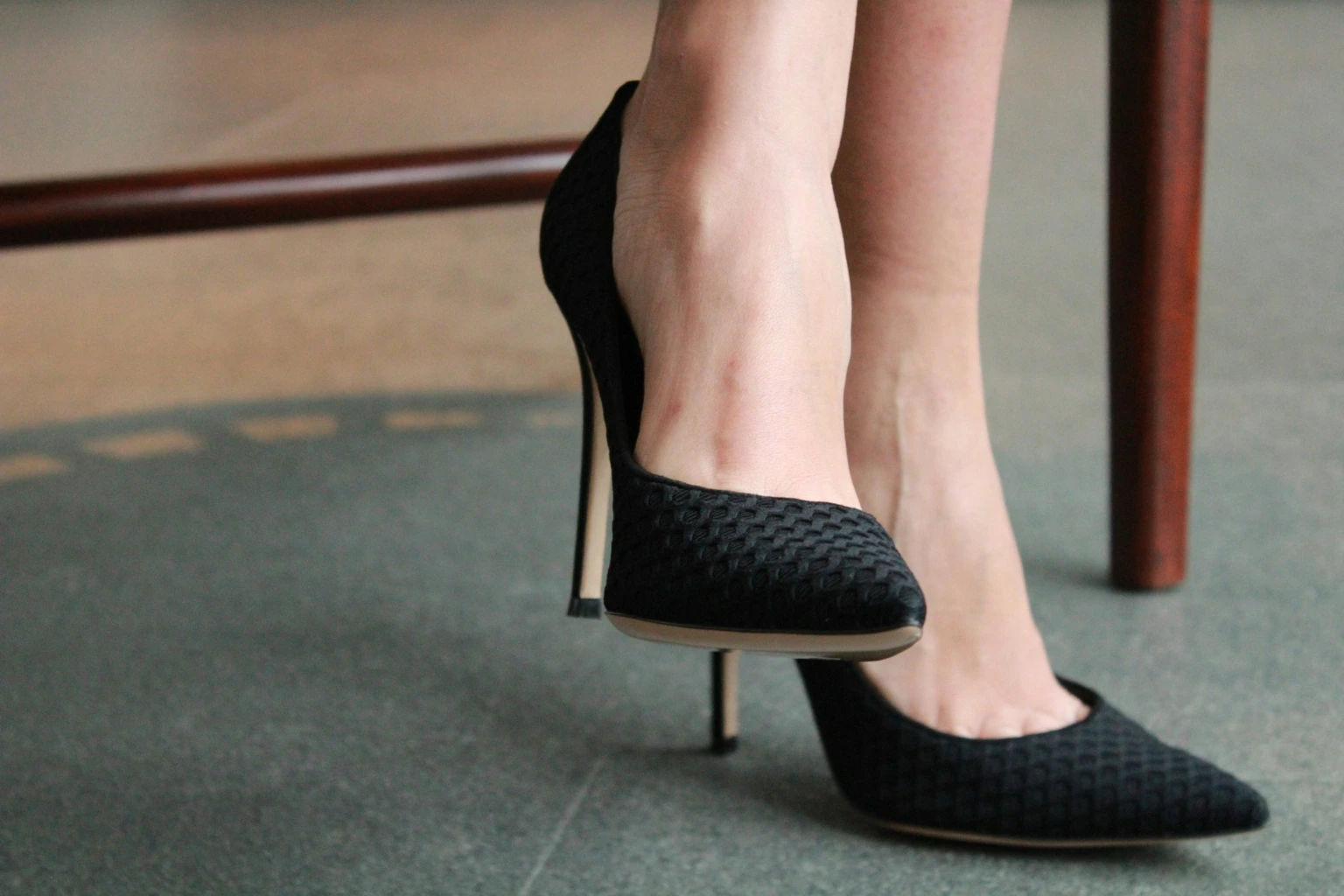
Modern professionalism has room for shoes that literally support you. The most compelling credibility is calm, not strained. Choose construction that helps you stand with ease: stable heels, supportive footbeds, a secure fit, and breathable materials. When your body feels steady, your voice tends to follow.
The gender factor: expectations are changing, but they’re not gone
Footwear expectations have historically been gendered: heels as “polished,” flats as “too casual,” certain styles as “serious” or “not serious.” Many workplaces are evolving, but bias can linger in subtle ways.
The best approach is to make your choice feel deliberate. If you wear heels, let them be stable and purposeful. If you choose flats or sneakers, elevate them through material, shape, and immaculate condition. The goal is not to conform, it’s to control the narrative: This is intentional. This is professional. This is me.
Remote and hybrid work: do shoes still matter?
Even in a world of video calls, shoes haven’t disappeared; they’ve become more situational. In-person days, conferences, client meetings, dinners, presentations: shoes still do the heavy lifting of “presence.” And when you do wear them, the contrast can be sharper because people aren’t seeing you in full look mode as often.
Think of shoes as your “switch.” They mark the moment you step into public credibility. When you choose them well, you arrive with a clearer edge.
The Luxyora Philosophy: Professional credibility is rarely about being louder; it’s about being unmistakably intentional. The right shoes don’t just complete the look; they steady the person wearing them.
References:
- Adam, H., & Galinsky, A. D. (2019). Reflections on enclothed cognition: Commentary on Burns et al. Journal of Experimental Social Psychology, 83, 157–159.(Reference)
- Hester, N., Park, H., & Gray, K. (2023). Dress is a fundamental component of person perception. Current Directions in Psychological Science. Advance online publication. (Reference)
- Lipton, B. (2021, October 8). Appearance at work: The future of workplace dress codes. Power to Persuade. (Reference)
- Mair, C. (2018). The psychology of fashion. Routledge.
- Oliver, S., Bennett, L., & Gough, J. (2022). Fitted: The impact of academics’ attire on students’ first impressions. Assessment & Evaluation in Higher Education, 47(7), 1068–1083. (Reference)
- Sotak, K. L., Westfall, R. S., & McNall, L. A. (2023). Perceptions of ethicality: The role of attire style, attire color, and gender. Behavioral Sciences, 13(2), 110. (Reference)
- Yaffe-Bellany, D., & Judge, T. A. (2022, September 7). The new rules of work clothes. Harvard Business Review. (Reference)