Handcrafted Women’s Loafers: Elevated Everyday Luxury Footwear | Luxyora
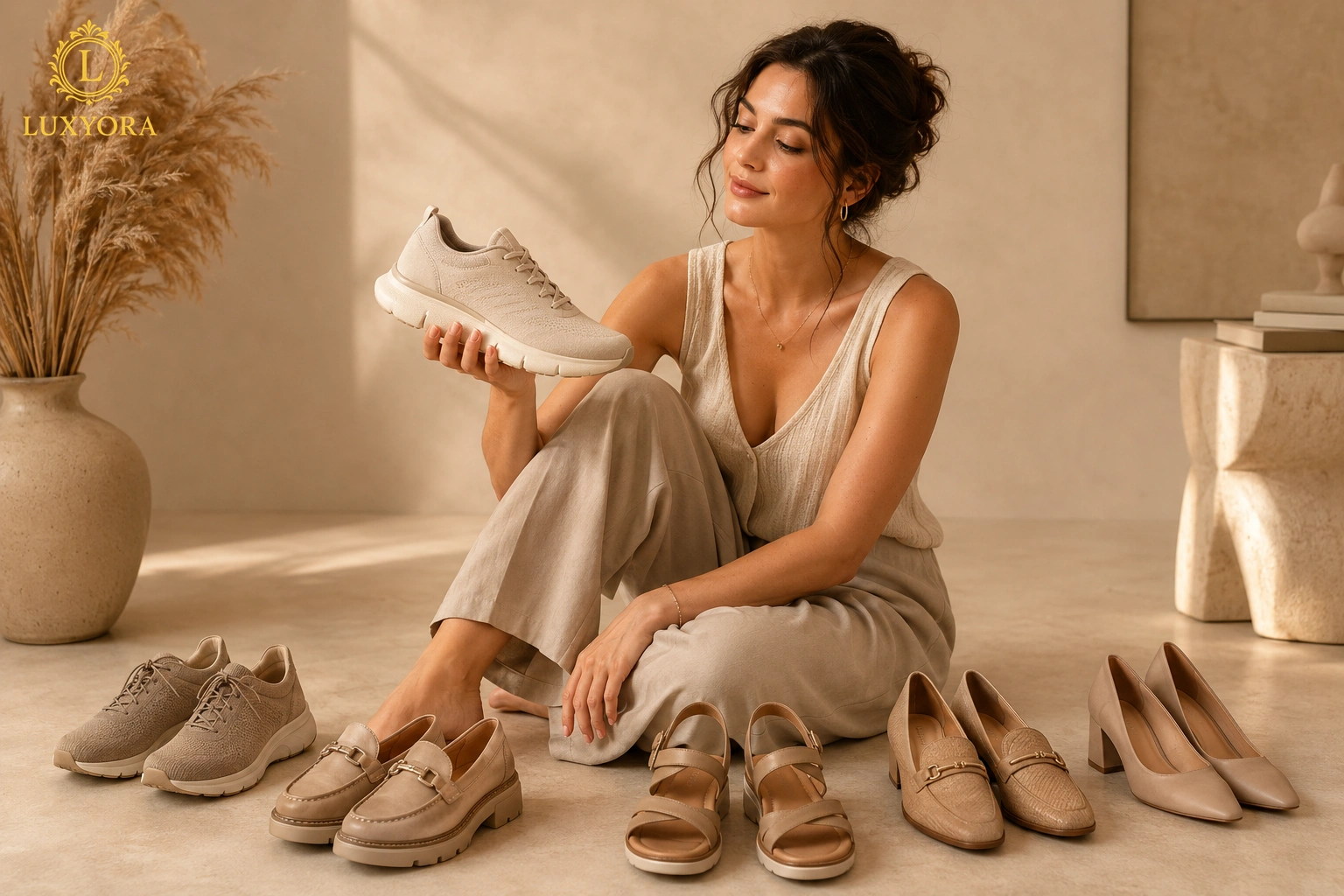
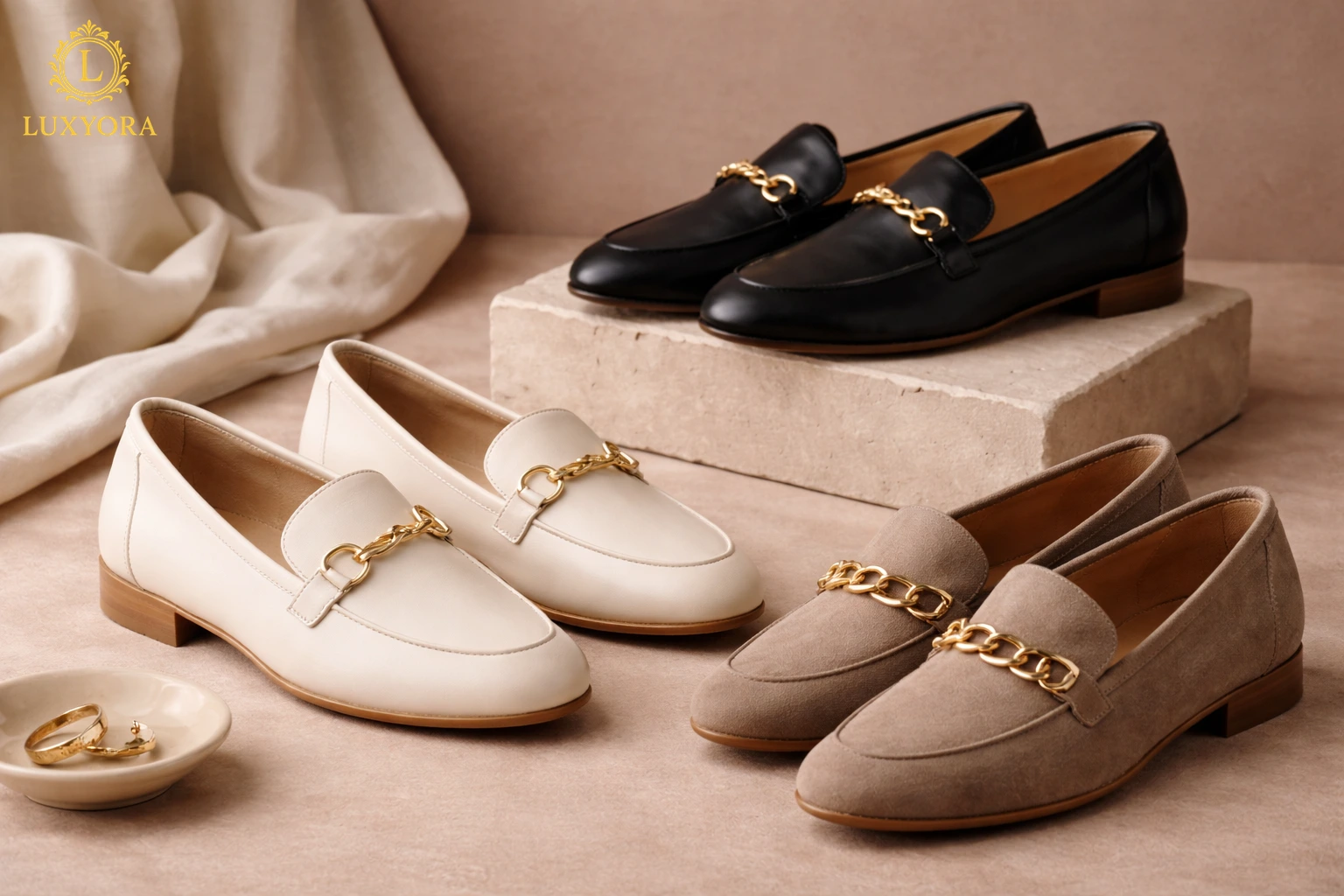
In the ever-evolving world of luxury fashion, few pieces balance elegance and practicality as effortlessly as handcrafted women’s loafers. Once seen primarily as classic wardrobe staples, these refined shoes have transformed into symbols of understated luxury, quietly confident, impeccably crafted, and endlessly versatile.
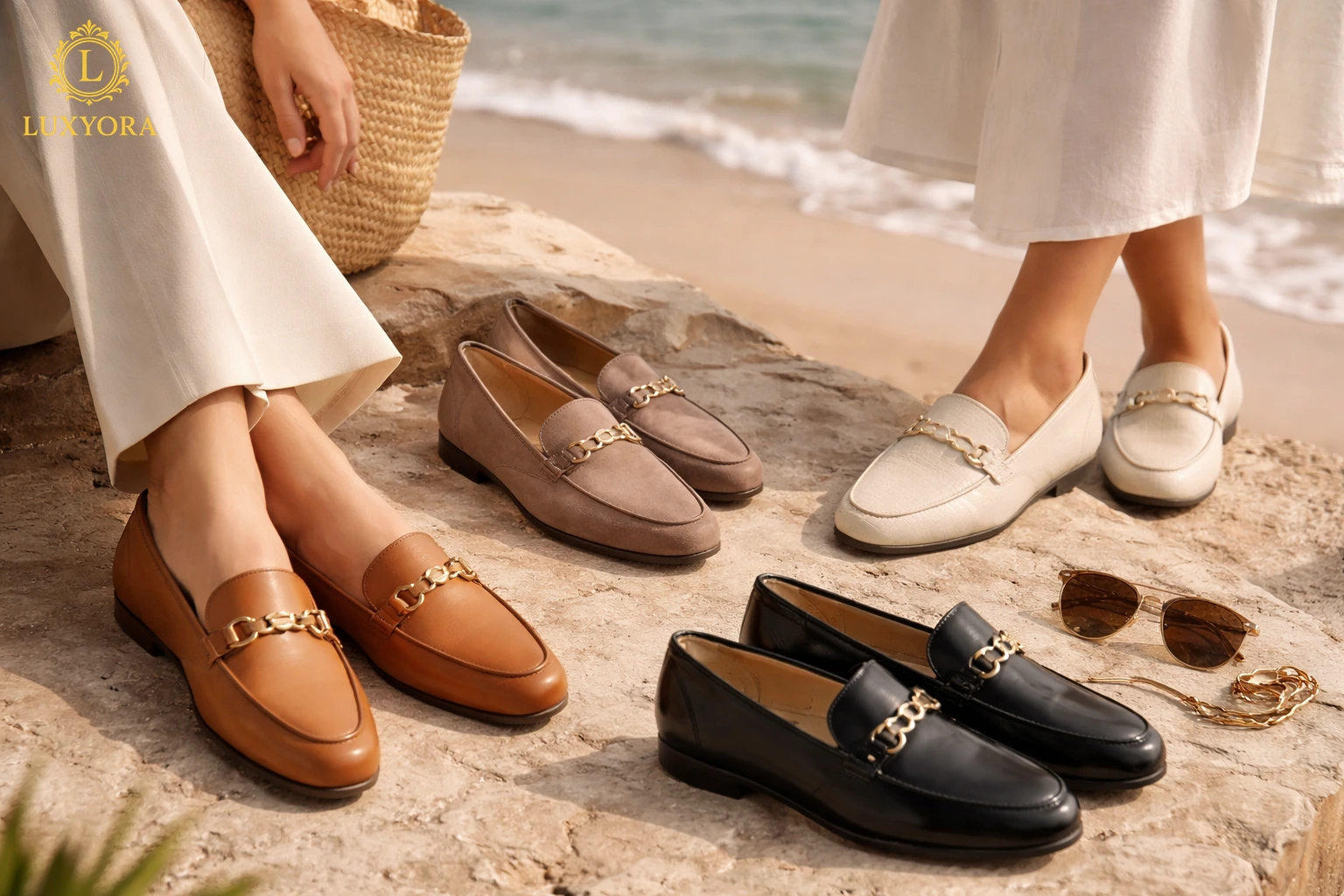
Today’s handcrafted loafers represent more than just comfortable footwear. They embody heritage craftsmanship, meticulous material selection, and the idea that true luxury lives in everyday objects designed with care. Slip them on with tailored trousers, flowing dresses, or relaxed denim, and they instantly elevate the entire look.
But what makes handcrafted women’s loafers so special? The answer lies in the intersection of artisanal techniques, material innovation, and a cultural shift toward thoughtful, enduring fashion.
The Quiet Rise of Everyday Luxury
Luxury fashion has experienced a profound transformation over the past decade. Rather than flashy logos or exaggerated silhouettes, modern consumers increasingly gravitate toward pieces that combine subtle sophistication with long-term usability.
Handcrafted women’s loafers sit perfectly within this philosophy. They are designed for everyday wear yet built with the same attention to detail as formal luxury footwear.
This shift toward refined essentials reflects broader consumer trends emphasizing:
- Longevity over fast fashion
- Craftsmanship over mass production
- Comfort paired with aesthetic refinement
- Sustainable materials and responsible sourcing
Loafers have evolved into an essential element of the modern wardrobe because they embody all these values simultaneously.
Understanding the Craft Behind Handcrafted Loafers
True craftsmanship in footwear begins long before the final polish. The creation of a pair of handcrafted women’s loafers involves multiple stages that require technical precision and artisanal expertise.
Unlike mass-produced shoes assembled quickly by automated systems, handcrafted loafers rely on human skill at nearly every step.
Pattern Engineering
Every loafer begins with a carefully drafted pattern. Footwear designers study foot anatomy, weight distribution, and walking dynamics to create a shape that balances structure and flexibility.
Even minor adjustments, such as the curvature of the vamp or the angle of the heel seat, can dramatically affect comfort and silhouette.
Last Construction
The last is the three-dimensional form around which a shoe is shaped. For luxury loafers, lasts are engineered to create a sleek yet ergonomic profile.
An expertly designed last ensures:
- Natural arch alignment
- Proper toe box space
- Balanced weight distribution
This stage determines whether a loafer feels merely wearable or exceptionally comfortable.
Leather Selection
Material quality defines the character of handcrafted footwear. High-end loafers often use full-grain or top-grain leather for its durability, breathability, and ability to develop a beautiful patina over time.
Common materials include:
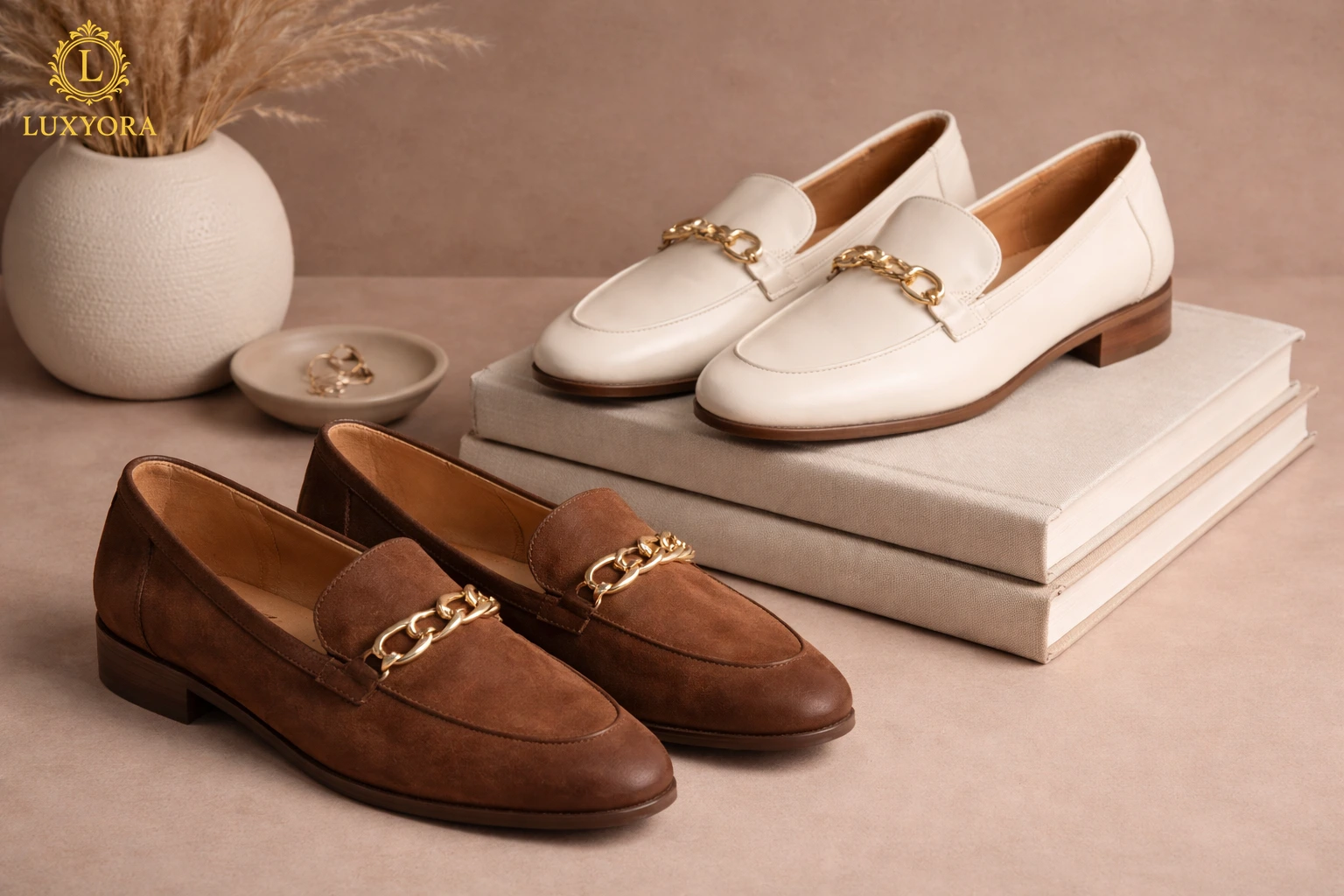
- Smooth calfskin for refined elegance
- Suede for soft texture and relaxed sophistication
- Pebbled leather for durability and subtle visual interest
- Vegetable-tanned leather for eco-conscious luxury
Leather is carefully inspected for grain consistency, elasticity, and thickness before being cut.
The beauty of a well-made loafer lies in the details you notice over time. A supple finish, a soft patina, or a rich texture can transform a simple silhouette into a lasting favorite. Explore A Guide to Shoe Materials: Leather, Suede, and More.
Hand Cutting and Skiving
Artisans cut each leather piece individually using precision tools. This ensures optimal placement along the hide’s natural grain, preventing future distortion or cracking.
Edges are then skived, a process that reduces leather thickness in specific areas to enable smooth folding and seamless stitching.
Stitching and Assembly
The assembly stage often includes hand stitching or slow mechanical stitching guided by skilled craftspeople.
Traditional techniques may involve:
- Blake stitching, which creates a slim, flexible sole construction
- Goodyear welt construction, known for durability and resoling capability
- Hand-lasted assembly, allowing greater shape refinement
Each technique offers a unique balance between flexibility, longevity, and structure.
Finishing
The finishing stage is where artistry truly shines. Edges are painted or burnished, soles are polished, and leather surfaces are conditioned.
A well-finished loafer reveals subtle details:
- Smooth transitions between upper and sole
- Even stitching lines
- Balanced proportions from every angle
These elements collectively transform footwear into a crafted object of beauty.
Why Loafers Are the Ultimate Modern Luxury Shoe
There is a reason loafers have remained relevant for nearly a century. Their design is both simple and adaptable, allowing endless reinterpretation without losing their essential identity.
Effortless Elegance
Slip-on footwear naturally conveys ease. Yet when executed with refined proportions and high-quality materials, loafers achieve a rare balance between relaxed comfort and polished sophistication.
They feel intentional without appearing overly styled.
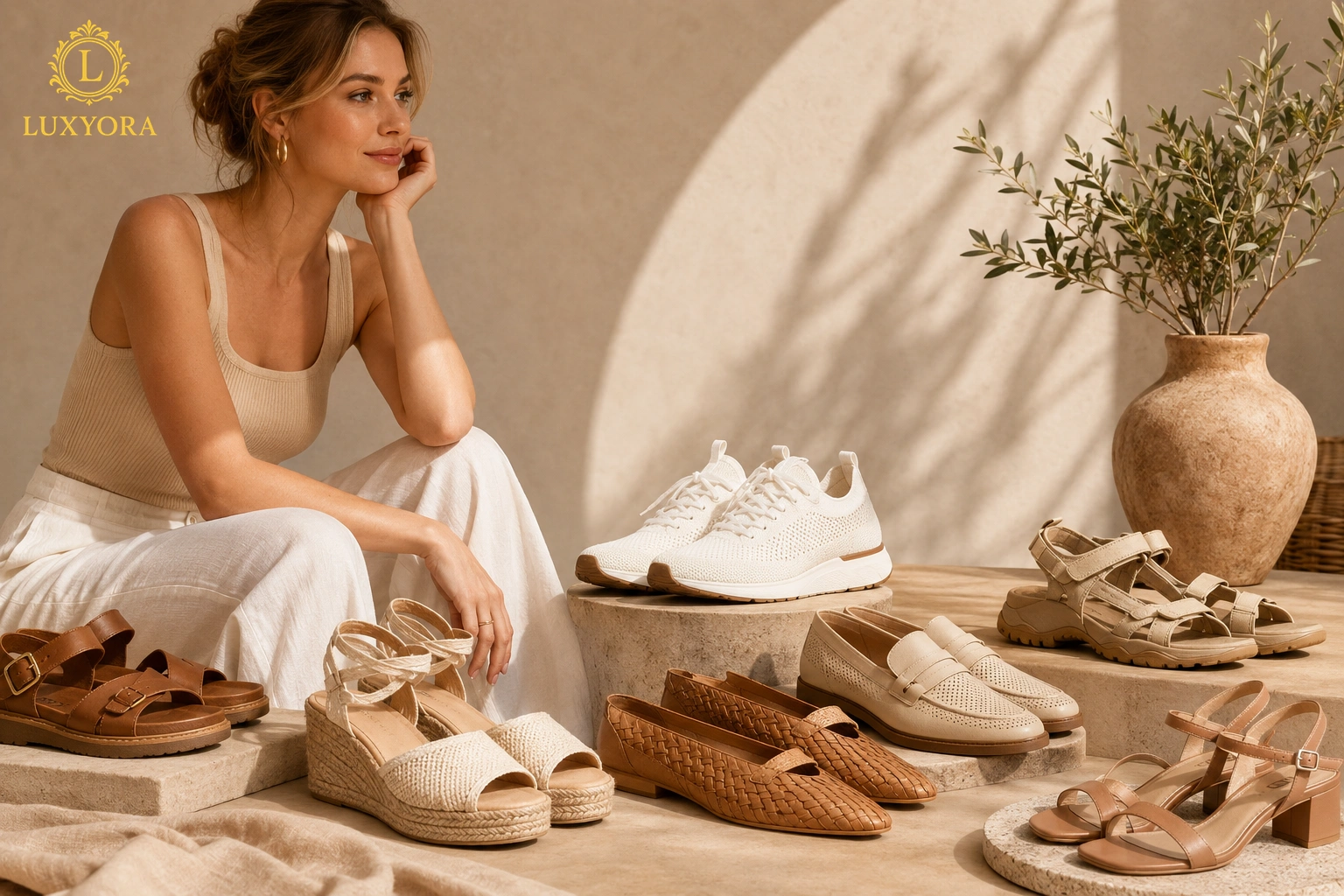
Versatility Across Wardrobes
Few luxury footwear styles transition as seamlessly between occasions as loafers.
They pair beautifully with:
- Tailored suits and office attire
- Casual weekend denim
- Minimalist dresses
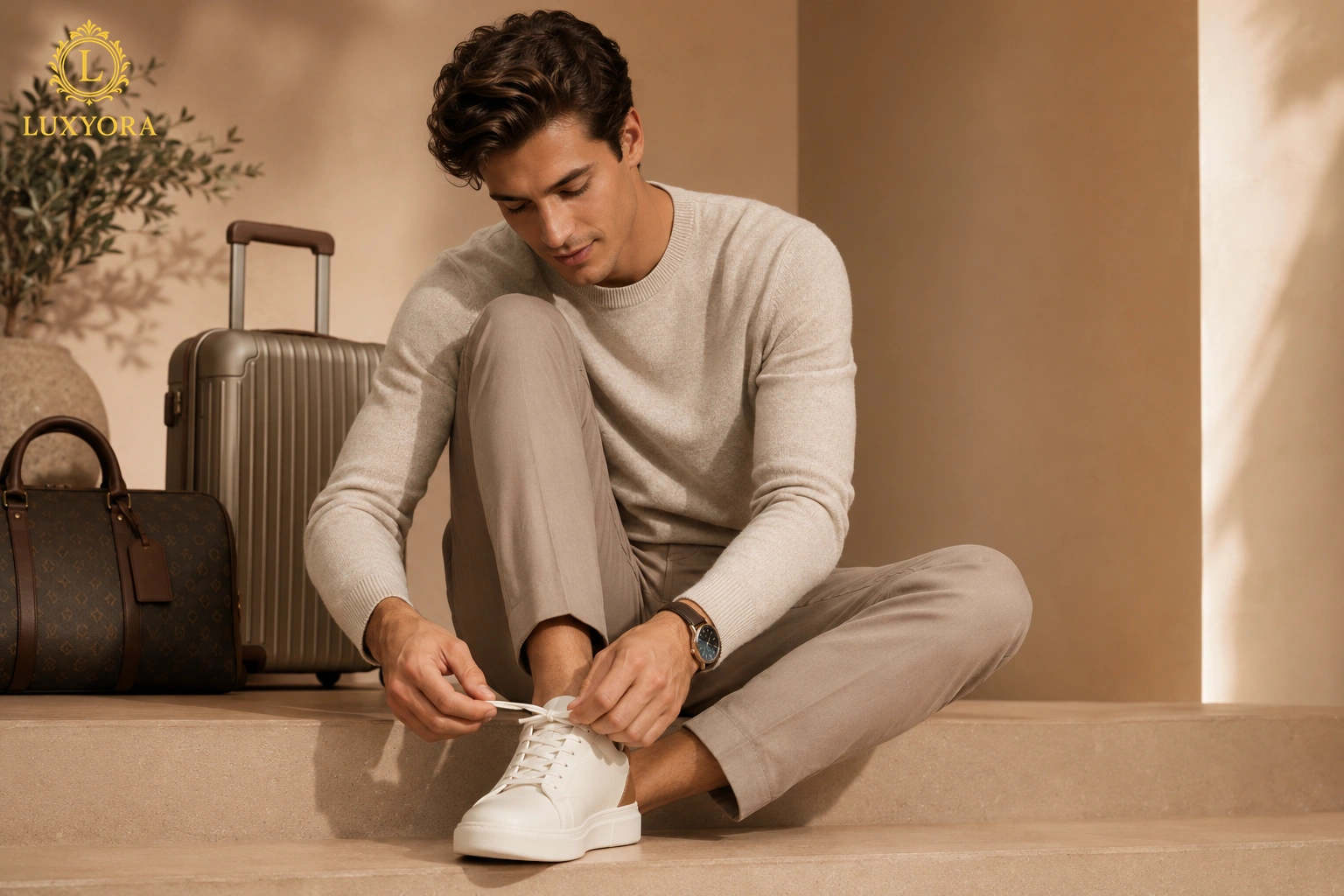
- Travel wardrobes built for comfort and style
This adaptability makes handcrafted loafers one of the smartest investments in a luxury shoe collection.
Timeless Appeal
Trends come and go, but the essential loafer silhouette remains remarkably stable. The combination of a low profile, structured vamp, and sleek sole continues to feel relevant decade after decade.
Timeless design reduces the need for constant replacement, reinforcing the sustainability of well-made footwear.
The Science of Comfort in Handcrafted Footwear
While aesthetic beauty draws attention, comfort ensures loyalty. Handcrafted women’s loafers often outperform mass-produced alternatives because they prioritize anatomical support.
Key comfort elements include:
Flexible construction: Traditional stitching techniques allow the shoe to move naturally with the foot.
Breathable materials: Natural leather regulates temperature and reduces moisture buildup.
Cushioned insoles: Modern luxury loafers often include padded footbeds or cork layers that mold to the wearer’s foot over time.
Balanced weight distribution: Carefully engineered lasts reduce pressure points during prolonged wear.
This attention to comfort transforms loafers into dependable daily companions rather than occasional statement pieces.
The Art of Styling Handcrafted Women’s Loafers
The beauty of loafers lies in their quiet adaptability. They complement a wide range of aesthetics while maintaining a refined presence.
Tailored Minimalism
Pair loafers with structured trousers and a crisp blouse for a clean, architectural look. Neutral tones emphasize sophistication and versatility.
Relaxed Modern Chic
Soft suede loafers with cropped jeans and an oversized knit create an effortless balance between comfort and style.
Elevated Workwear
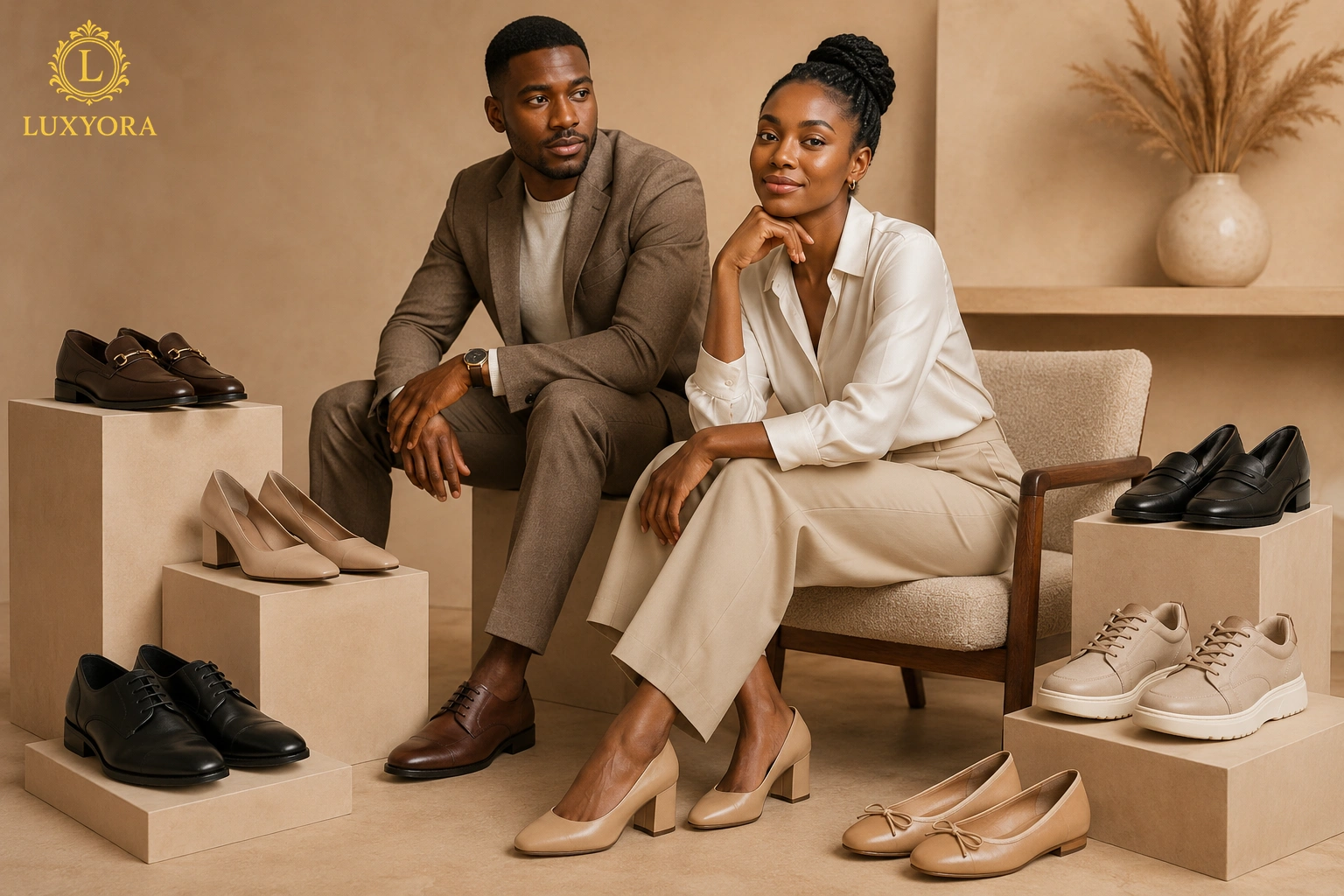
For professional settings, polished leather loafers offer a practical yet luxurious alternative to heels, maintaining elegance throughout long workdays.
Contemporary Feminine Style
Loafers styled with flowing dresses or pleated skirts introduce subtle contrast, balancing softness with structure.
These styling possibilities highlight why loafers continue to resonate across generations.
Sustainability and Responsible Craft
As the fashion industry increasingly addresses environmental concerns, handcrafted footwear offers meaningful advantages.
Small-batch production reduces excess inventory and waste. Durable materials extend product life cycles, decreasing the need for frequent replacements.
Responsible leather sourcing and vegetable tanning methods also contribute to more sustainable production practices.
Consumers are becoming more aware of these factors, choosing quality craftsmanship as a pathway toward more conscious fashion consumption.
The Emotional Value of Handcrafted Pieces
Luxury is often described in terms of price, but its deeper value lies in experience and connection.
A handcrafted pair of loafers carries the imprint of human skill, every stitch reflecting the work of artisans who have spent years refining their craft.
Over time, the leather softens, the sole adapts to the wearer’s stride, and the shoe develops a subtle character unique to its owner.
This evolving relationship transforms footwear into something personal rather than disposable.
The Future of Handcrafted Loafers
Looking ahead, handcrafted women’s loafers are likely to evolve through innovation while maintaining their classic foundation.
Emerging trends include:
- Lightweight hybrid soles combining durability and flexibility
- Plant-based leather alternatives
- Ergonomic footbeds designed with advanced biomechanical research
- Modular designs allowing easy repair and component replacement
These innovations demonstrate that craftsmanship and technology are not opposites; they can coexist beautifully when guided by thoughtful design.
A Symbol of Refined Simplicity
In an era defined by rapid trends and constant novelty, handcrafted women’s loafers represent something refreshing: permanence.
They remind us that true luxury does not shout. It whispers through careful construction, impeccable materials, and timeless design.
Slip into a pair, and you experience the quiet confidence that comes from wearing something genuinely well-made.
And sometimes, that is the most powerful style statement of all.
The beauty of an expertly crafted loafer lies not only in how it looks, but also in how it feels to wear. Sometimes the quiet confidence of great footwear begins with subtle changes in posture, movement, and presence. Explore How Footwear Shapes Physical Confidence.
Luxyora Philosophy: Luxury is not about excess; it is about intention. When craftsmanship meets simplicity, everyday objects become timeless companions.
References:
Achim, A. (2021). Luxury fashion branding and sustainability in the twenty-first century. Journal of Fashion Marketing and Management, 25(3), 451–468.
Fletcher, K., & Tham, M. (2019). Earth logic: Fashion action research plan. The J J Charitable Trust.
Gwilt, A. (2020). A practical guide to sustainable fashion. Bloomsbury Publishing.
Joy, A., Sherry, J., Venkatesh, A., Wang, J., & Chan, R. (2018). Fast fashion, sustainability, and the ethical appeal of luxury craftsmanship. Fashion Theory, 22(3), 273–296.
McKinsey & Company. (2023). The state of fashion 2023: Global fashion industry report.
Thomas, D. (2019). Deluxe: How luxury lost its luster. Penguin Books.