Bergamot : What is Bergamot
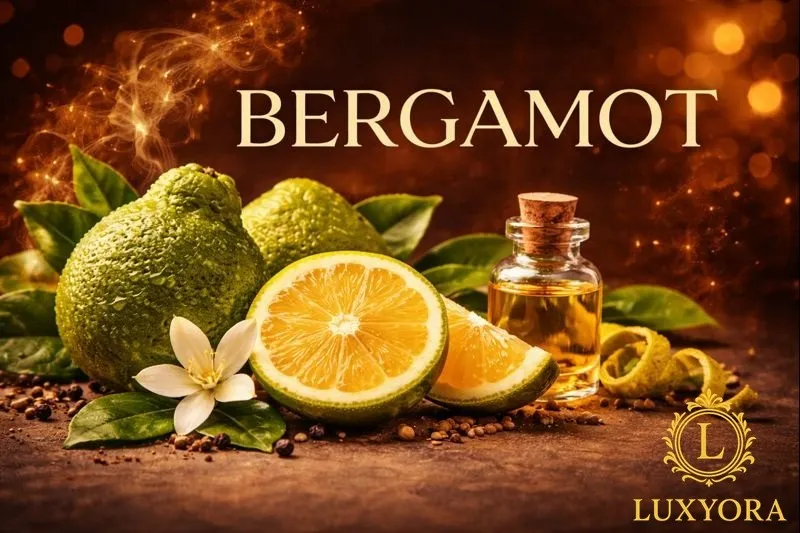
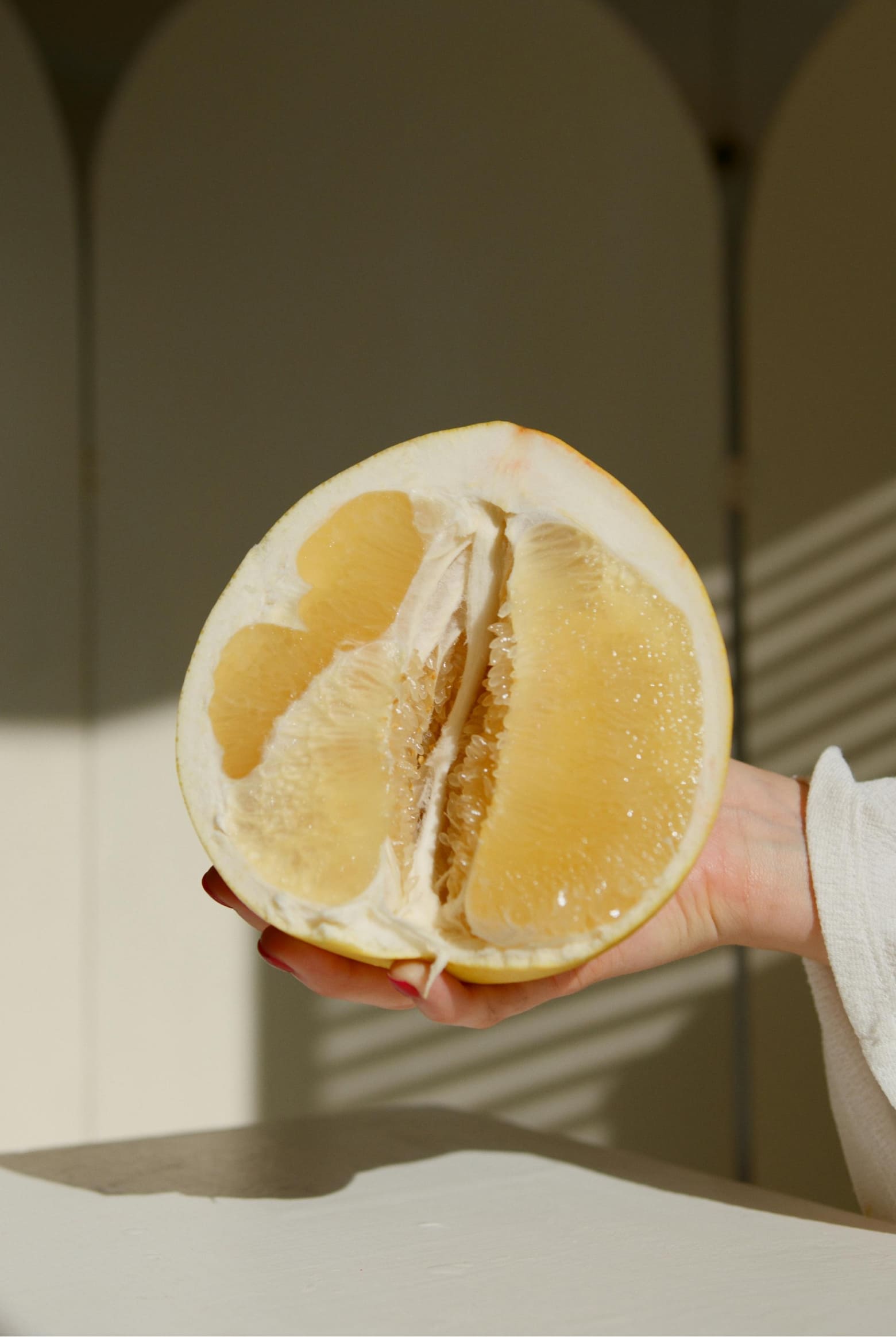
Bergamot is one of those fragrance ingredients that quietly steals the spotlight without ever demanding attention. Extracted from the rind of the bergamot orange, a citrus fruit cultivated primarily in Calabria, Italy, bergamot is prized for its fresh, zesty, slightly sweet aroma layered with a subtle floral and green nuance.
In perfumery, bergamot is most commonly found in top notes, meaning it’s often the very first impression a fragrance makes. That instant feeling of brightness, cleanliness, and optimism you get from the first spray of a perfume. More often than not, it’s bergamot.
The First Impression Maker
Bergamot acts as the opening spark of a fragrance. Its role is to energise the composition, lift the senses, and prepare the nose for the deeper notes that follow.
It’s frequently associated with scents that feel:
- Clean and polished
- Sunny and uplifting
- Fresh yet refined
This is why bergamot has long been a cornerstone of Eau de Cologne structures, as well as contemporary luxury and unisex fragrances. It delivers freshness without sharpness and elegance without heaviness.
Remarkable Versatility
What makes bergamot truly exceptional is its ability to adapt. It blends seamlessly across fragrance families, enhancing rather than overpowering other ingredients.
Bergamot pairs beautifully with:
- Florals (rose, jasmine, neroli) for softness and radiance
- Woods and spices (cedar, patchouli, pepper) to lighten depth
- Sweet accords (vanilla, tonka) to prevent heaviness
Because of this versatility, perfumers often use bergamot as a balancing note, smoothing transitions and creating harmony within complex compositions.
Emotional & Aromatherapeutic Influence
Beyond its olfactory appeal, bergamot has a long-recognised reputation for mood-lifting and calming. Research and aromatherapy traditions associate bergamot with
emotional clarity, stress reduction, and gentle mental stimulation.
This dual nature, energising yet calming, is one reason bergamot remains so beloved. It doesn’t overwhelm the senses; instead, it creates a sense of effortless well- being that feels both comforting and sophisticated.
Craftsmanship & Sustainability
In the fragrance industry, high-quality bergamot oil is typically cold-pressed from the fruit peel, a method that preserves its sparkling, volatile character. Calabria remains the gold standard for bergamot cultivation, with many farms maintaining generations-old harvesting traditions.
Today, many luxury fragrance houses emphasise:
- Sustainable sourcing
- Traceable supply chains
- Ethical partnerships with Calabrian growers
This ensures not only superior olfactory quality but also long-term environmental and cultural preservation.
Why Bergamot Endures
Bergamot has survived centuries of perfumery evolution because it does something few ingredients can: it connects freshness, elegance, and complexity in a single breath. It introduces a fragrance with confidence, grace, and light, never shouting, always inviting.
References
- Turin, L., & Sanchez, T. (2018). Perfumes: The A–Z Guide (Revised ed.). Penguin Books.
- Nez Éditions. (2020). The Big Book of Perfume: For an Olfactory Culture (J. Doré, Ed.). Nez Éditions.
- Ellena, J.-C. (2022). Perfume: The Alchemy of Scent. Arcade Publishing.
- Herz, R. S. (2019). Odor memory and emotional response. Psychonomic Bulletin& Review, 26(5), 1601–1618.
- Spence, C. (2021). The scent of attraction and the smell of success. Cognitive Research: Principles and Implications, 6(1), 46.
- Baser, K. H. C., & Buchbauer, G. (2020). Handbook of Essential Oils: Science, Technology, and Applications (2nd ed.). CRC Press.
- Britannica. (2024). Bergamot. Encyclopaedia Britannica.
- International Fragrance Association (IFRA). (2025). Natural ingredient sourcing and sustainability in perfumery. IFRA Publications.
- Grand View Research. (2026). Citrus essential oils market trends and applications. Grand View Research Report.
- Burr, C. (2010). The Perfect Scent: A Year Inside the Perfume Industry. Henry Holt & Co.
- Sell, C. (2014). The Chemistry of Fragrances. Royal Society of Chemistry.
- Turin, L., & Sanchez, T. (2018). Perfumes: The Guide. Profile Books.