Behavioral Activation : What is Behavioral Activation
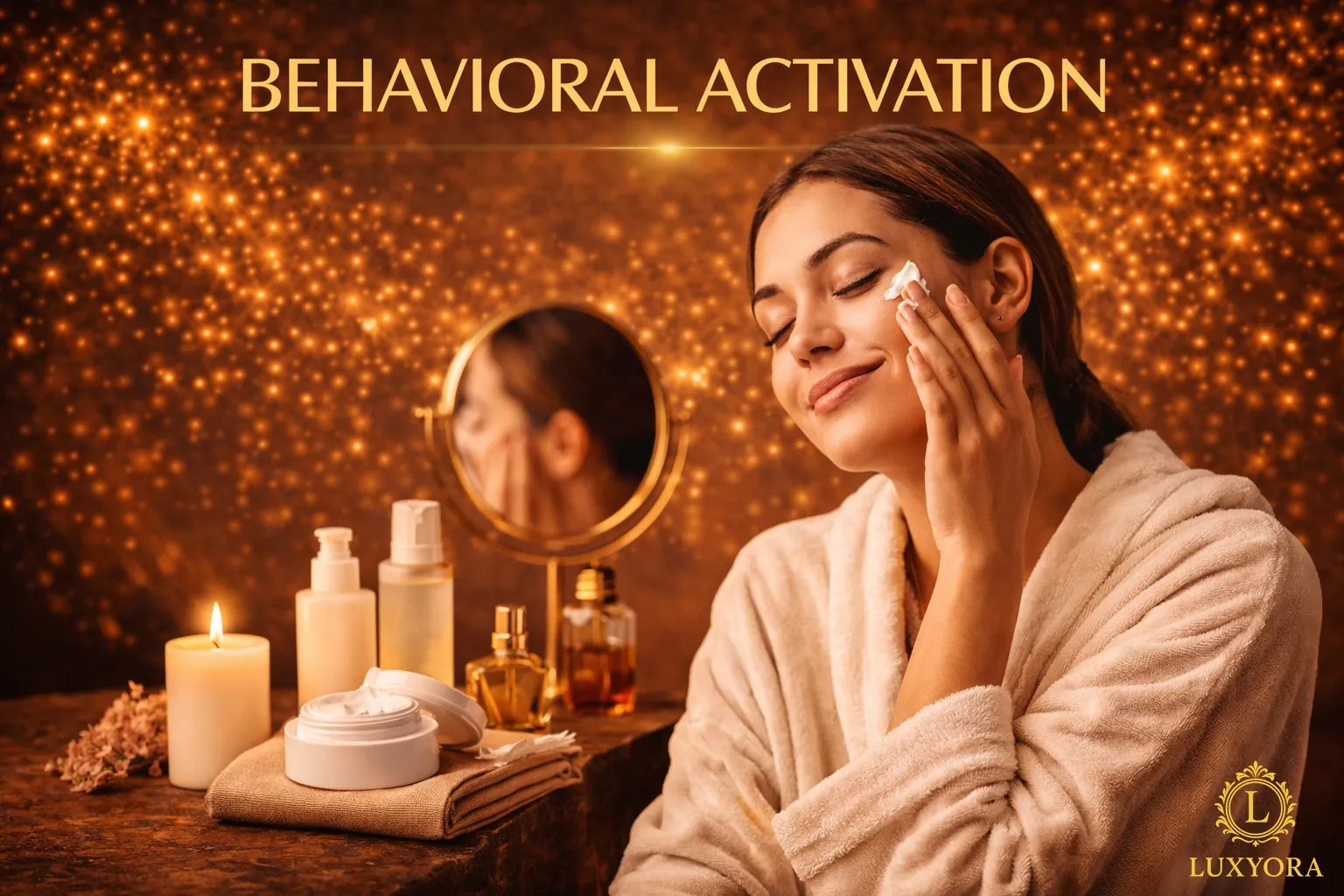
In the beauty and wellness space, behavioural activation refers to the idea that engaging in simple, intentional beauty-related actions can positively influence mood, motivation, and self-perception. Originally rooted in psychology as a technique to help people improve emotional well-being through purposeful activity, behavioural activation has found a natural place in the beauty industry. The concept suggests that even small acts, such as applying skincare in the morning, styling hair, or using a favourite fragrance, can create a sense of accomplishment and control, which, in turn, can improve how a person feels. In beauty, it’s less about perfection and more about the act itself: showing up for yourself through routine and care.
Brands and professionals increasingly embrace behavioural activation by framing beauty routines as daily rituals rather than aesthetic obligations. Consistent habits such as cleansing, moisturising, or mindful makeup application can help individuals feel more energised, confident, and emotionally balanced. This approach aligns closely with modern beauty trends that emphasise self-care, wellness, and mental health over unrealistic standards. From a consumer perspective, behavioural activation highlights how beauty routines can act as mood boosters and grounding practices, especially during stressful or low-energy periods.
Ultimately, in the beauty industry, behavioral activation reinforces the idea that beauty is not just about how you look—but about how everyday actions can support emotional well-being, confidence, and a healthier relationship with self-image.
References
Dimidjian, S., Barrera, M., Martell, C., Muñoz, R. F., & Lewinsohn, P. M. (2011). The origins and current status of behavioral activation treatments for depression. Annual Review of Clinical Psychology, 7, 1–38. [Click here]
Entwistle, J. (2015). The fashioned body: Fashion, dress and social theory (2nd ed.). Polity Press.
Huta, V. (2015). The complementary roles of eudaimonia and hedonia in well-being. Psychological Inquiry, 26(2), 108–114. [Click Here]
Steele, V. (2018). Fashion designers: A–Z. Taschen.