Luxury’s Third Quarter: What China’s Slowdown Reveals About Hermès, Gucci, and Brunello Cucinelli
Hermès, the house everyone assumes is immune, grew more slowly this autumn than at any point since early 2020. The figure was 4.3% at constant exchange rates, set against almost 9% for last year as a whole and just over 6% for the first half.
It landed in a third-quarter season when European luxury looked like a set of separate bets, not one industry. LVMH’s fashion division shrank, and so did Gucci. Ferragamo reported a double-digit fall in Asia Pacific. China did much of the explaining: LVMH pointed to weaker Chinese demand and Ferragamo to a deteriorating Asia, and Kering said Gucci had lost traffic in Mainland China.
The more useful question is what separates a house that absorbs a slowdown from one that takes the full force of it. The quarter hints at an answer in where each house’s sales are concentrated, and one quarter can only hint.
China’s Luxury Slowdown: Why Regional Sales Tell Different Stories
Moncler’s group revenue was flat at constant rates, and its weak spot was Europe. The Moncler brand’s EMEA revenue fell 8% on softer local demand and subdued tourist flows, while Asia kept growing and Stone Island rose 5%. Prada said its main label was supported by Asia-Pacific, China included, and its softer note came from Miu Miu, whose retail sales fell 3% a year after rising 29%. Ferragamo’s figures spread the pain unevenly: Asia Pacific fell 11.1% and EMEA 5.2%, while North America rose 2.4%.
LVMH and Dior: Chinese Demand Meets Brand-Specific Challenges
LVMH’s Fashion & Leather Goods division, close to half of the group’s revenue, fell 5% organically as every other division grew, holding group organic growth at 1% against 3% in the spring. Reported revenue rose about 1% too, as currency added two points and scope changes took two away. Chinese demand was only part of the story.
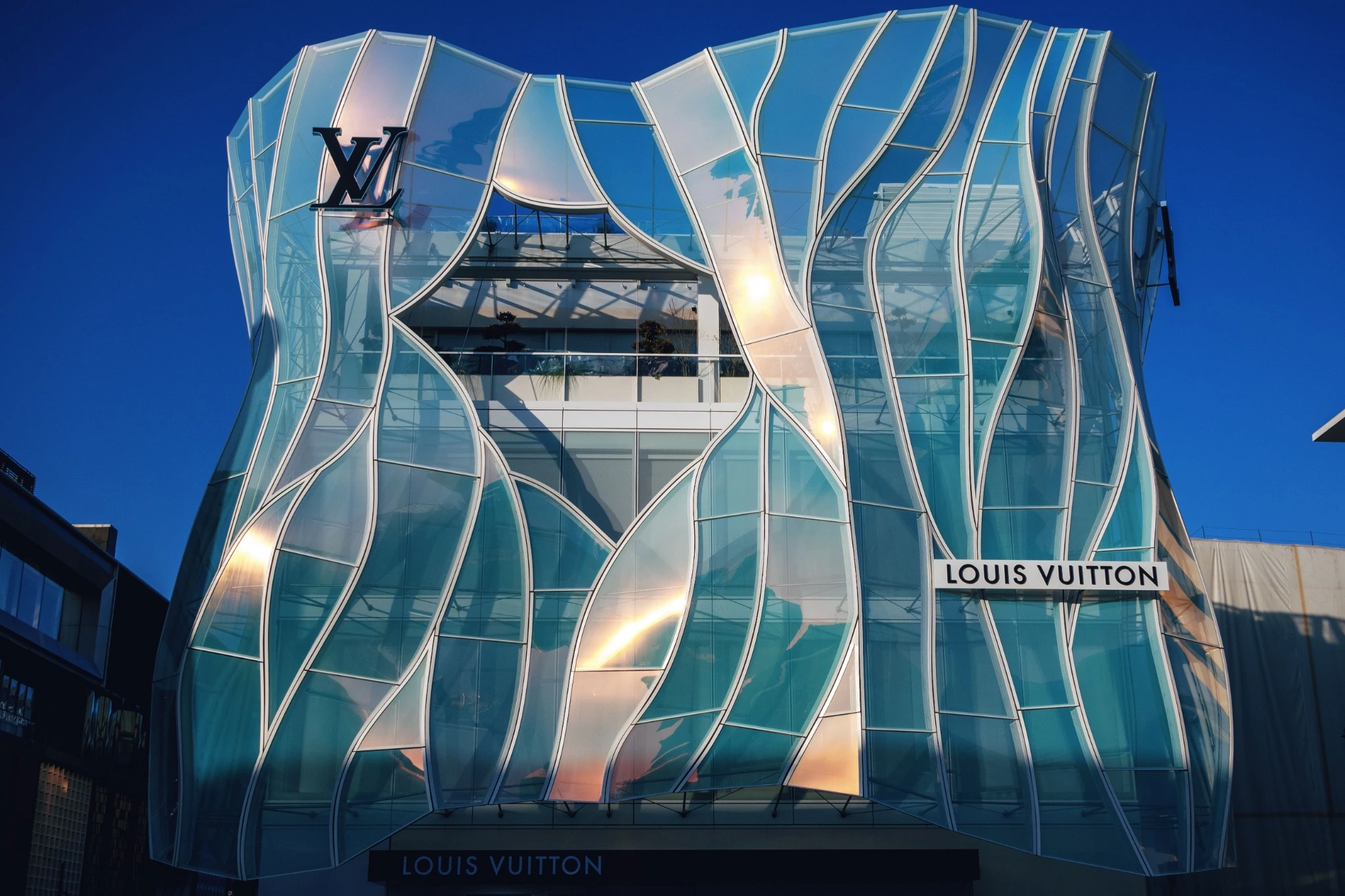
Louis Vuitton won a trademark case against the Chinese tea chain Molly Tea and met a public backlash that, according to its chief financial officer, hurt business at least early in the quarter, though she found it hard to say by how much. Dior, under Jonathan Anderson, was the house LVMH singled out for strong demand.
Brunello Cucinelli Raises Its 2026 Forecast As China Supports Luxury Sales
Revenue at Brunello Cucinelli rose 13.5% at constant exchange rates to €374.2 million, slightly ahead of expectations, and the company lifted its full-year forecast to about 12% from 10% to 11%. Over nine months, sales grew 20% in the Americas, 14% in Asia and 7% in Europe, with China making a significant contribution to the Asian figure.
Brunello Cucinelli’s Growth By Region And Product Category
Growth reached every region and category, the company says. Menswear and womenswear contributed equally, and in Europe local clients and international tourists alike drove the gain. The Americas and Europe each take more than a third of sales, and Asia and the rest share a little over a quarter.
New Stores And Currency Effects Shape Brunello Cucinelli’s Results
Some of that growth comes from new addresses. Retail grew 19% over nine months and 17% in the third quarter alone, helped by new American stores including Nashville and San Diego. Like-for-like sales kept pace with the first half, though the company published no figure, and wholesale grew a more modest 4%. Currency took a bite: reported revenue rose 10.2% over nine months against 13.3% at constant rates. Brunello Cucinelli himself expects “healthy growth of around 10% for 2027 as well,” citing strong orders for the spring-summer collections.
Hermès Q3 Results: Leather Goods Drive Growth Despite China Weakness
Hermès is still building. A twenty-fifth leather goods workshop opened in the Gironde in April, with three more planned through 2030. The Americas grew 8.8% at constant rates, and Japan and Europe outside France both grew by close to 10%, with a new Maison on New Bond Street in London helping the European result. The company named new models, among them the Double Longe, the Besace Attelée and the Bride de Jour, and said the iconic pieces everyone already knows sold just as strongly.
Hermès Leather Goods Outperform Ready-To-Wear And Watches
The category table tells the narrower story. Leather goods and saddlery, up 10.8% at constant rates, are close to half of Hermès’s sales and added more to the quarter than the whole house did. Everything else, taken together, ended a little smaller than a year earlier. Ready-to-wear and accessories declined 2%, while watches dropped 6%. Perfume and beauty moved in the opposite direction, posting 7.5% growth.
Hermès Sales In Asia And The Outlook For Ready-To-Wear
Over nine months, the house took €12.3 billion, up 6% at constant rates. Roughly half of its sales are made in Asia, and Asia-Pacific outside Japan was flat at constant rates. The chief financial officer put the ready-to-wear dip down to weak Chinese demand, Reuters reported, though the release says Greater China was stable over nine months in a more difficult context. Executive chairman Axel Dumas said Hermès remained on a path of profitable growth. Looking ahead, the house will present Grace Wales Bonner’s debut menswear collection, followed by the launch of Couture by Nadège Vanhée next January.
Kering Q3 Results: Gucci Sales Fall 6% As China Traffic Weakens
In the fortnight before Kering published its figures, Anthony Vaccarello left Saint Laurent, and Seán McGirr left Alexander McQueen. Neither house had named a successor when the numbers came out.
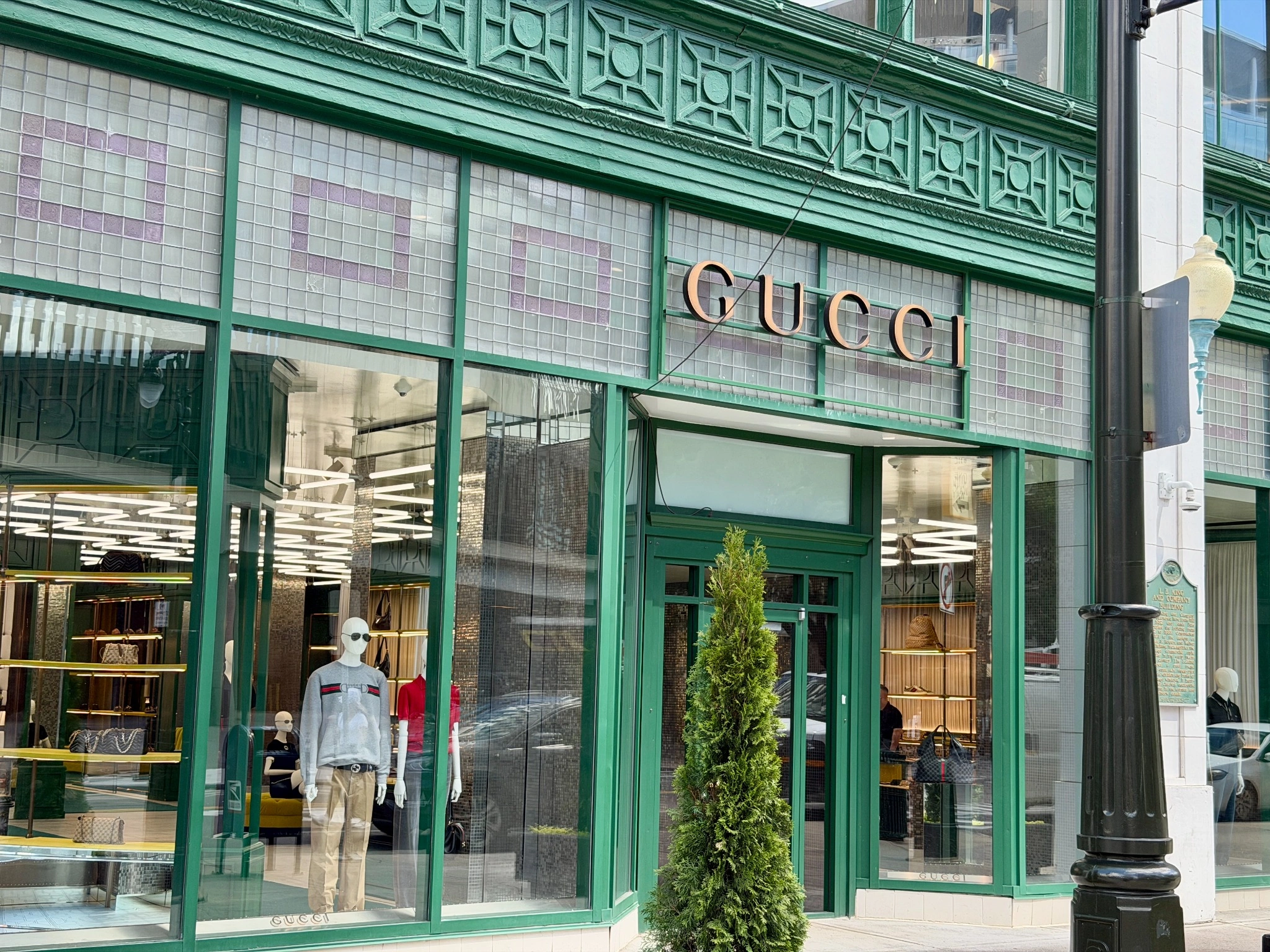
Kering’s revenue was flat as reported and down 1% on a comparable basis. Gucci, close to two-fifths of the group’s sales, fell 6% comparable, and its own stores fell 9%. Over nine months, the brand is down 5%, comparable at €4.048 billion. Kering attributed the deeper decline to a less favourable year-on-year comparison and less impact from new products than in the spring, when Gucci’s sales drop had eased to 2% and the group recorded its first increase in comparable sales in three years. Traffic fell short in Mainland China and Japan, and North America held up best. Wholesale rose 45%, from a low base, as new collections reached retailers’ order books.
Saint Laurent, Bottega Veneta And Kering Jewellery Offer A Mixed Picture
Retail at Kering’s other fashion houses rose 2%, led by Saint Laurent and Bottega Veneta, whose intrecciato weave needs no introduction here, and Kering Jewellery grew 11% comparable, with Eyewear up 4%. Directly operated retail across the group fell 3%, and wholesale rose 3%. The group has closed 105 stores net so far this year and plans at least 125 for 2026, while still aiming to improve its recurring operating margin.
Chief executive Luca de Meo has named the priority plainly: “The recovery of Gucci remains our defining priority.”
References: