Luxury’s 2026 Earnings: Jewellery Leads, Fashion, and Beauty Rebound
The world’s largest luxury groups filed the results that determine how the rest of 2026 plays out. LVMH, Kering, Richemont, Moncler, Brunello Cucinelli, EssilorLuxottica, Swatch Group, L’Oréal, and Burberry all reported improved numbers.
Jewellery Is Having Luxury’s Strongest Season
Richemont’s fiscal year put group sales at €22.4 billion, up 11 per cent at constant exchange rates, a measure that strips out currency swings. Its Jewellery Maisons division, which includes Cartier, Van Cleef & Arpels, Vhernier, and Buccellati, accounted for €16.5 billion of the total. They had double-digit growth in every quarter of the year and further market share gains in both jewellery and watches.
Cartier unveiled the third chapter of its En Équilibre high jewellery collection in Paris in January. In June, Van Cleef & Arpels introduced around 180 pieces inspired by ancient Egypt and pharaonic imagery. It had a transformable necklace built around a 14.05-carat pear-shaped diamond.
Is this because of the vast creative output from the same houses? The patterns repeat outside Richemont’s walls.
Chanel and Hermès both used July’s Paris Couture Week to stage new high jewellery collections, Signes & Symboles and Into the Horsescape, released alongside their runway calendars.
LVMH’s Watches & Jewellery division was the group’s strongest-performing business in the second quarter. Vhernier, acquired by Richemont in 2024, opened its first mono-brand boutique in Asia during the fiscal year.
Swatch Group’s first-half net sales rose 8.5 per cent at constant exchange rates. With growth recorded on every continent, including a 27 per cent jump in the United States, 20 per cent in Japan, and 41 per cent in Saudi Arabia.
Fashion Luxury Brands Begin to Recover
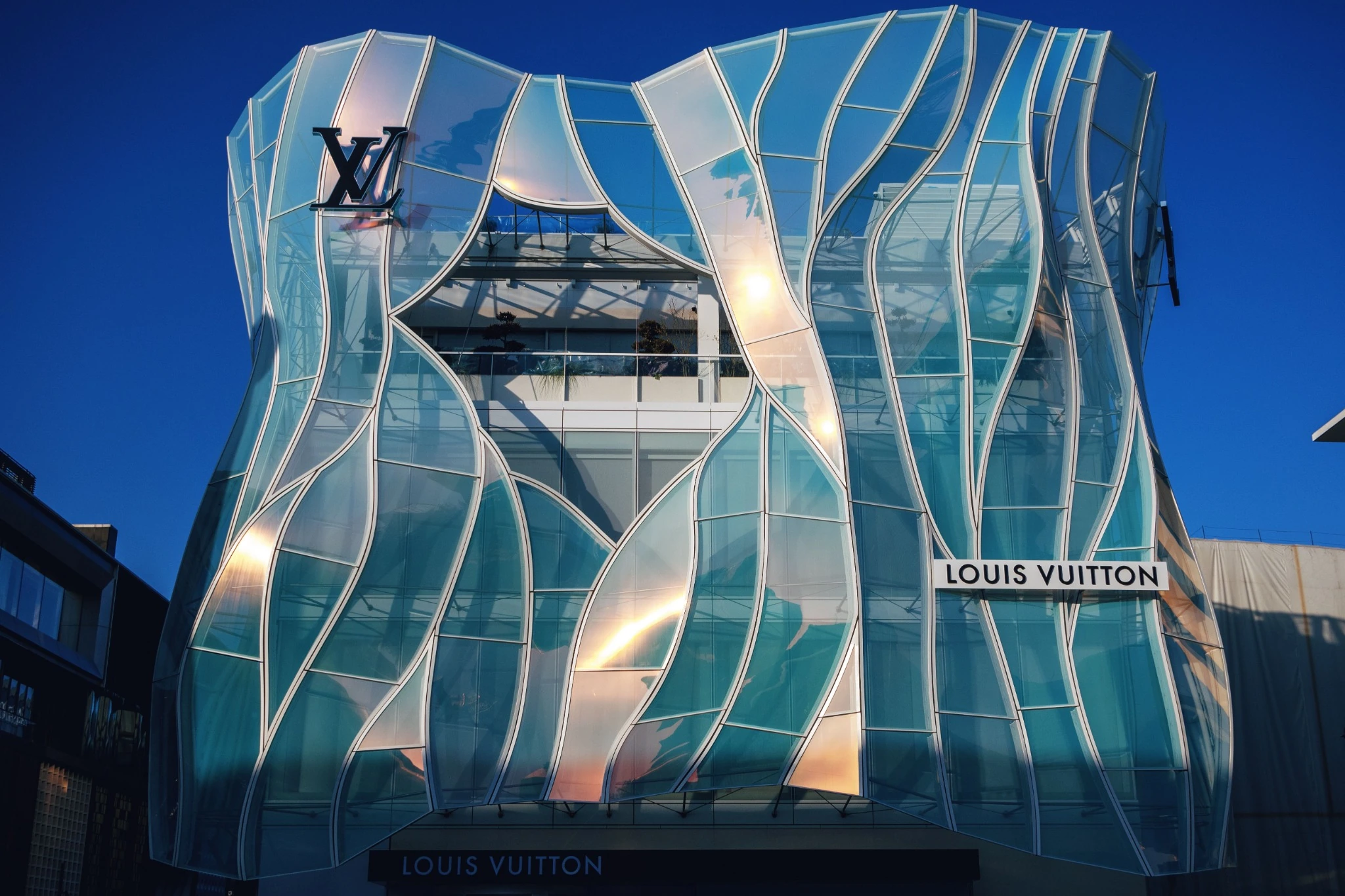
LVMH’s fashion and leather goods division, which houses Louis Vuitton, Dior, and Loro Piana, posted organic sales growth of 1 per cent to €8.9 billion in the three months to June. That figure ended seven consecutive quarters of decline for the division.
Kering’s turnaround is more fragile still, and the reason lies in how Gucci built its business in the first place. Group revenue reached €3.652 billion in the second quarter, up 2 per cent like-for-like, the company’s first positive quarter in three years.
Gucci itself remained in negative territory at minus 2 per cent in the second quarter of 2026, a sharp improvement from minus 19 per cent across the full year 2025 and minus 8 per cent in the first quarter of 2026. The brand entered this downturn with roughly 92 per cent of its sales running through directly controlled stores and online channels. When footfall is strong, you see strong numbers. And when it isn’t, you end up in negative numbers, as Gucci did between 2022 and 2025.
The new chief executive of Kering, Luca de Meo, has pushed the brand toward high-net-worth clients and recalibrated pricing. This helps Gucci step back from volume-chasing that built the brand’s peak years.
The Prada Group makes the same point from the other direction, having never needed the correction Gucci is still working through. First-half revenue rose 16 per cent at constant exchange rates to €3.05 billion. Versace, acquired from Capri Holdings at the end of 2025, contributed €305 million in line with expectations.
Tapestry closed its fiscal year with revenue of $8.0 billion, up 14 per cent. Coach brought in 11 million new customers over the year, more than a third of them Gen Z.
Michael Kors, by contrast, booked its sixth consecutive quarter of declining sales. Capri has cut promotional activity and third-party sales, trying to reset the brand’s positioning.
Burberry’s numbers back that approach; it reported a 5 per cent rise in comparable store sales in its most recent update. Chief creative officer Daniel Lee and chief executive Joshua Schulman rebuilt the house around fewer, better products.
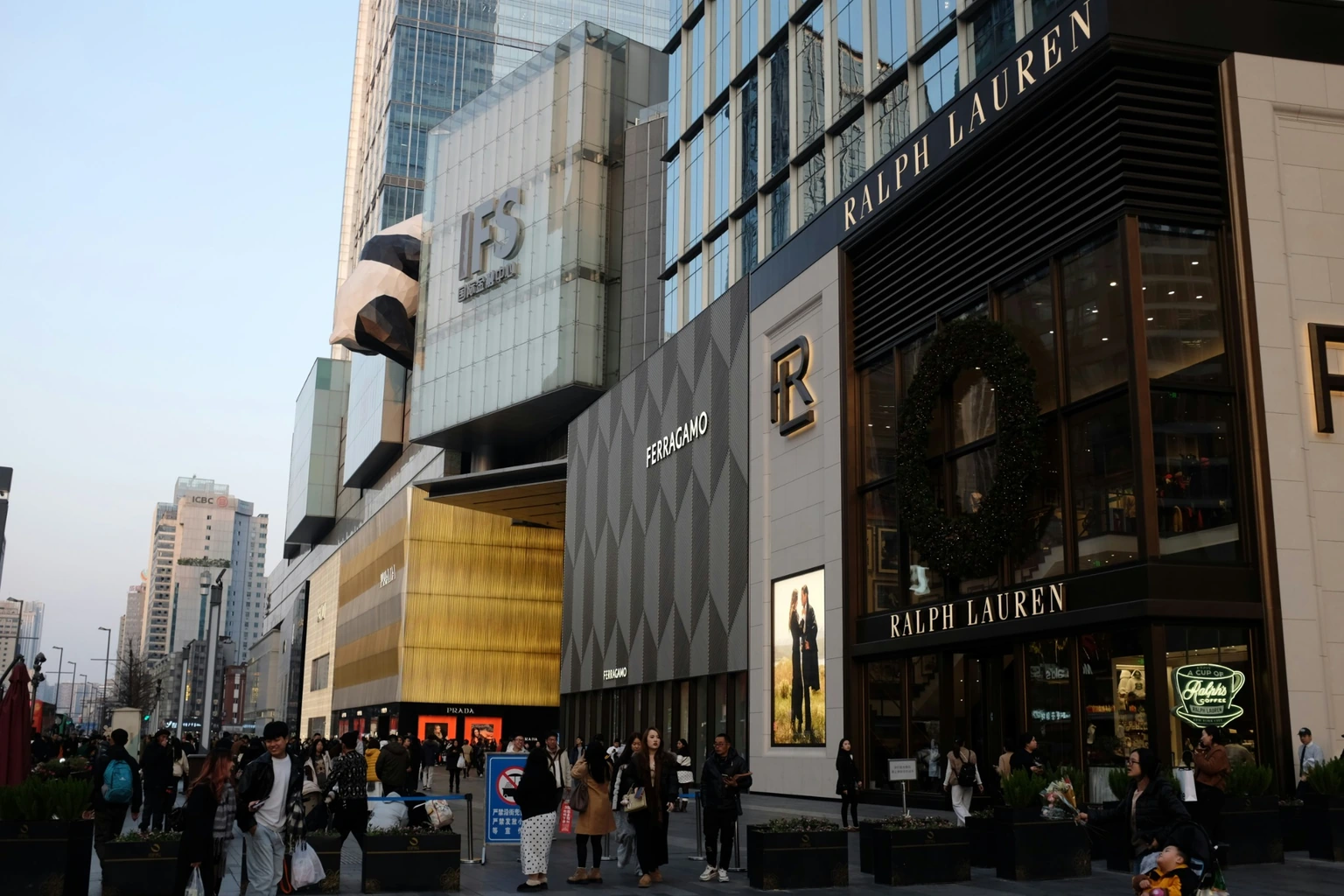
Ralph Lauren had a strong quarter of its own, with fiscal first-quarter revenue up 13 per cent to $1.96 billion. This is led by a 25 per cent surge in Asia, proving client rebuilding under way at the very top of fashion is happening at the mass-affluent level too.
Luxury Beauty Sees a Shift in Ownership
Fragrance and cosmetics moved through this earnings season on a different axis; ownership changed hands more than sales figures moved.
LVMH’s Perfumes & Cosmetics division posted €3.91 billion in revenue for the first half, with sales edging down in the second quarter. This is one part of the group’s portfolio that isn’t really recovering.
Kering left the business entirely, completing the sale of Kering Beauté, including the Creed fragrance house, to L’Oréal on 31 March for €4 billion. Gucci’s beauty and fragrance division signed a fifty-year exclusive deal with L’Oréal, set to begin in mid-2027.
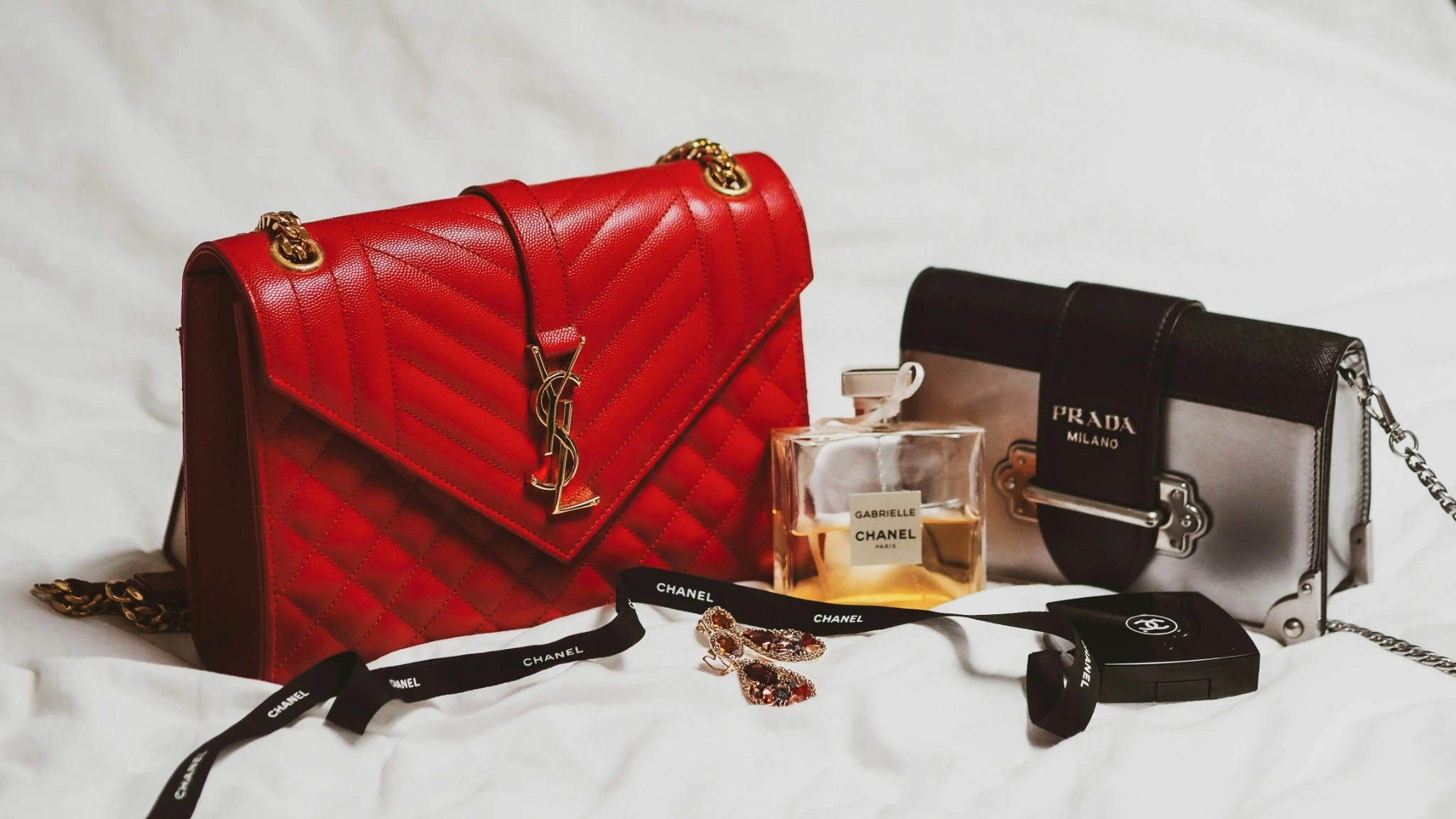
L’Oréal’s Luxe division reported fragrance sales advancing in double digits in the first half. Prada Paradigme established itself as a genuine blockbuster, and Yves Saint Laurent Libre held its position as the world’s best-selling women’s fragrance.
The Americas Drive Luxury Sales Growth
Where did growth actually come from? Most of these companies gave the same answer. LVMH cited American shoppers as the driving force behind its second-quarter demand for fashion and leather goods.
Cucinelli’s 20.6 per cent Americas growth outpaced every other region it reports. Richemont’s own Americas sales rose 8 per cent at actual rates, its strongest regional performance. Jewellery Maisons and Specialist Watchmakers both posted double-digit growth there.
Who is spending on these luxury brands? Altgamma’s Consumer & Retail Insight report estimates that the wealthiest 0.1 per cent of luxury consumers now account for 37 per cent of that category spending or 23 per cent when mobility, wellness, and longevity purchases are excluded.
American billionaires and millionaires have weathered this downturn better than their European counterparts, who have been hit by weaker growth and a heavier domestic tax burden.
What’s happening elsewhere in the world?
Japan has become Asia’s standout, with Hermès reporting sales there up 11 per cent in the first half, accelerating to 12.3 per cent in the second quarter alone. A weak yen boosted tourist spending and drew in loyal domestic buyers. Moncler’s Asian sales offset weakness elsewhere in its portfolio, helping push group revenue to €1,289.9 million. Europe, by contrast, showed a comparatively soft region this cycle, still recovering more slowly than either the Americas or Japan.
Luxury Brands Look Beyond Seasonal Growth
EssilorLuxottica posted group revenue growth of 8.7 per cent at constant currency in the second quarter, with smart glasses sales nearly doubling in Q2 alone. Eyewear has always been a stable, prescription-driven category, largely insulated from a single bad season. The group is using its Meta partnership to build a second growth engine.
Moncler faces its own version of the seasonality problem. A brand built almost entirely on winter outwear cannot expect consistent growth. Its calendar only works for four months of the year. New group chief executive Leo Rongone, who joined in April from Bottega Veneta, has made the all-season pivot his stated priority.
Luxury’s Next Cycle Is About Experience
Bain and Altagamma’s most recent sector report found that consumer interest in experiences is now outgrowing interest in tangible goods by a factor of 1.5 in 2026. The brands with the deepest ultra-wealthy client rosters are already acting on it.
LVMH’s wines and spirits division Moët Hennessy partnered with Formula 1 at the Belgian Grand Prix. A $13,450 trackside dining experience for a small group of guests with a dedicated VIP chef. They curated a rare and exclusive event and sold access.
Louis Vuitton is reviving its classic car rally tradition with a run through Italy in September. Between the trackside dinner and the Dolomites run, the message is the same: the product is no longer the point of sale; the experience around it is.