Milky Fragrances : Creamy Notes That Feel Comforting | Luxyora
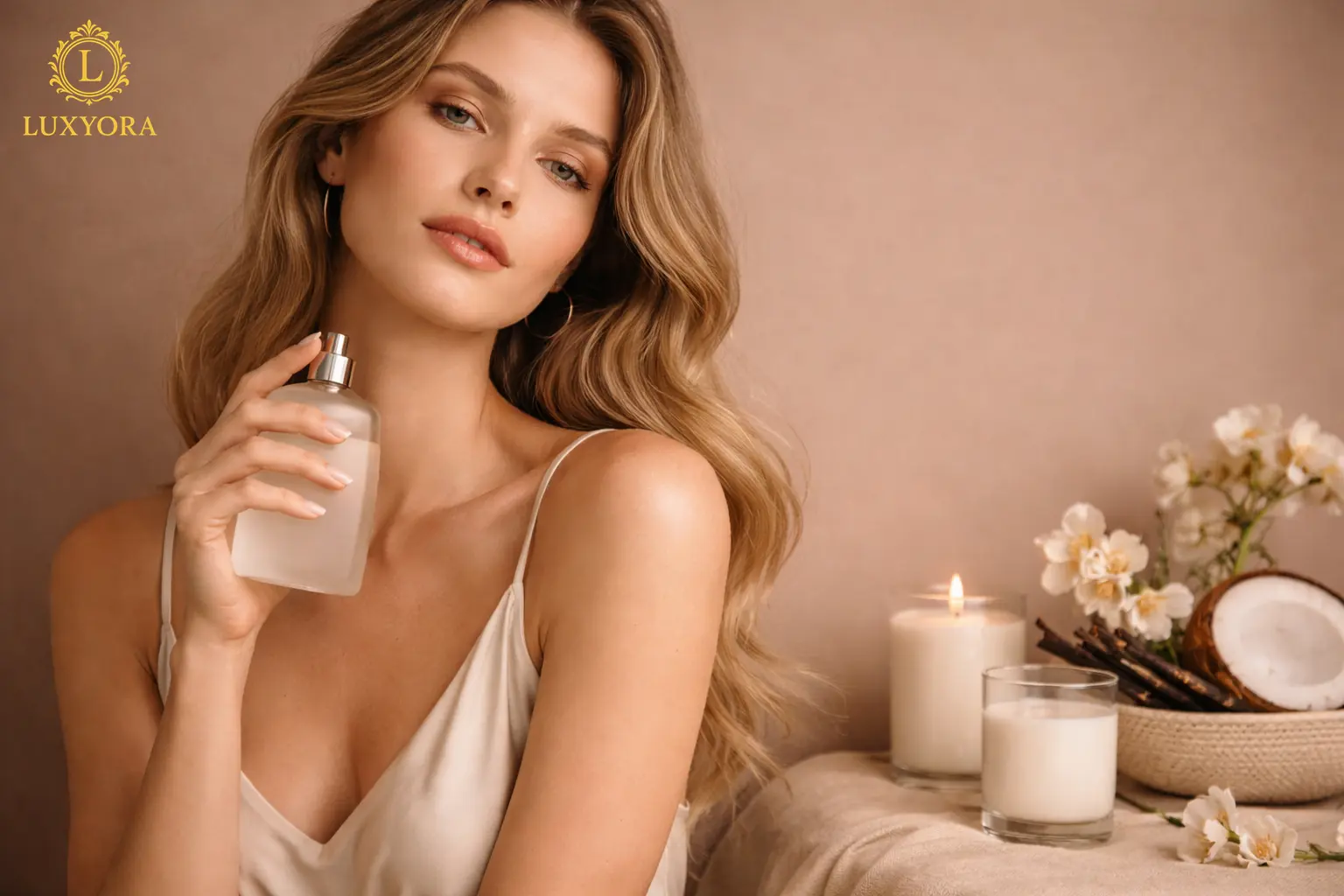
A new gentle scent is emerging, subtle yet enveloping. Instead of loud, attention-grabbing notes, it wraps around you with milky fragrances that are cozy, intimate, and subtly captivating. Imagine the warmth of skin after a shower, steamed milk blending with espresso, or cashmere against bare shoulders. This trend isn’t about strong projection but about creating a sense of closeness.
Once, fragrances mainly featured bold florals, sweet gourmands, and lively citrus bursts. Now, milky scents provide a softer, more emotional warmth like a lingering memory. They speak gently instead of loudly. In today’s world, where comfort, ritual, and sensory connection are increasingly important, that subtle whisper feels deeply meaningful.
Let’s examine the reasons behind the increase in milky perfumes, what makes creamy notes so appealing, and how artistry elevates “milk” into a sophisticated scent experience.
The Rise of Milky Fragrances in Modern Perfumery
Milky fragrances are not a new phenomenon. Perfume makers have long included creamy sandalwood bases, lactonic coconut accords, and vanilla-infused musks in their color palettes. The difference now is their prominence. Rather than merely providing a soft background, lactonic notes are now taking center stage as the main element of the scent.
Since 2018, industry reports have noted an increasing demand for comforting scent profiles, often called “skin scents,” “clean musks,” and “soft gourmands.” This trend gained momentum during times of global uncertainty, as consumers preferred fragrances that provided reassurance rather than provocation. Comfort became an aspirational quality.
Milky perfumes perfectly match this mood. They evoke warmth without feeling heavy, sweetness without being overpowering. They provide emotional depth.
What Exactly Is a Milky Note?
In perfumery, “milky” usually describes lactonic accords, aromatic compounds that evoke the creamy, subtly sweet scent of milk, cream, or coconut milk. These notes are often derived from compounds such as lactones, naturally found in fruits like peaches and coconuts, though they can also be synthesized for uniformity and safety.
Milky notes can feel:
- Creamy and smooth
- Slightly sweet but not sugary
- Warm and enveloping
- Softly powdery
- Skin-like and intimate
Unlike sharp top notes that fade quickly, creamy accords stay closer to the skin, melding with natural body warmth. They often pair well with sandalwood, vanilla, tonka bean, musk, and rice accords.
Why Creamy Notes Feel Comforting
The emotional appeal of milky fragrances comes from scent psychology. Studies in consumer behavior and smell indicate that warm, sweet, and creamy scents can evoke feelings of safety, nourishment, and familiarity. Lactonic notes are typically seen as comforting because they remind people of early-life sensory memories linked to warmth and care.
This doesn’t imply that milky perfumes smell childish or overly literal. In more refined blends, the effect comes across as elegant rather than sweet. A carefully made creamy fragrance resembles silk lining within a tailored coat, an understated luxury.
The appeal also resides in tactility. Creamy scents have a tactile quality. You don’t merely smell them; you also perceive their weight and density, similar to touching velvet.
Craftsmanship Behind Milky Fragrances
Achieving a luxurious yet not cloying milky fragrance calls for careful balance and precision. An excess of lactonic sweetness pushes the scent toward dessert-like qualities. Conversely, too little sweetness causes the creaminess to fade into woody or musky notes.
Perfumers frequently treat milky accords with a structured, architectural approach.
1. The Base Structure
Creamy fragrances usually depend on a steady foundation of woods and musks. Sandalwood naturally complements this, providing a gentle, buttery warmth that enhances the lactonic feel. Today’s sandalwood scents are crafted to be smoother and more environmentally friendly than older, denser varieties, thanks to improved extraction methods and synthetic advancements.
2. The Heart Accord
Notes of rice, almond, heliotrope, and coconut milk are commonly used to create the creamy heart. Rice accords, especially, have become popular for their gentle, starch-like softness, less sweet than vanilla and more airy than coconut.
3. The Lift
To avoid density, perfumers add airy components like iris, gentle florals, or subtle citrus zest. These elements enhance diffusion and elegance, ensuring the fragrance breathes.
The result is not a traditional gourmand but more like a “second skin” scent, intimate yet refined.
Every memorable fragrance tells its story in stages, revealing different facets of its character from the first spritz to the lingering trail. Discover the fascinating structure behind every scent in Understanding Perfume Notes: Top, Middle & Base Notes Explained.
Milky Fragrances vs. Gourmand Perfumes
Initially, milky fragrances might appear as an extension of the gourmand trend, but there’s a key difference. Gourmand perfumes highlight the sweetness of edible notes like caramel, chocolate, and syrupy vanilla, whereas milky scents emphasize texture over flavor. They are about creaminess rather than sugar. Think of the contrast between frosting and whipped cream: the former is dense and sweet, while the latter is light and airy. Milky perfumes resemble the latter. This subtle distinction explains their rising popularity among those seeking warmth without excessive sweetness.
Ingredient Innovation and Sustainability
Modern milky fragrances are enhanced by recent advances in aroma chemistry. Since 2018, ethical sourcing and sustainability have gained importance in fragrance production, leading to the creation of high-quality synthetic lactones and the responsible procurement of natural ingredients.
Traditional sandalwood harvesting caused environmental worries, leading to new plantation techniques and synthetic sandalwood molecules that mimic the creamy woodiness without damaging the environment.
Similarly, coconut and almond fragrances are frequently reproduced using molecular synthesis instead of direct extraction, which helps maintain consistency and alleviates pressure on agricultural resources.
This combination of nature and science illustrates a wider shift in luxury perfume making: merging sustainability with sensory sophistication.
The Influence of Minimalism and Skin Scents
Milky perfumes complement the “clean beauty” and minimalist trends fueling luxury markets. As wardrobes adopt neutral tones and sleek silhouettes, fragrances tend to mirror this style.
Skin scents, subtle perfumes that enhance without overpowering, have become increasingly popular over the past five years. Milky notes align with this trend by blending seamlessly with the wearer’s natural chemistry.
Rather than entering a room first, these scents encourage bringing people together. They reward being near.
Seasonal Versatility
Creamy fragrances often feel especially comforting during colder months, but their contemporary takes go beyond seasonal boundaries.
- In winter, milky notes feel cocooning and warm.
- In spring, they soften floral bouquets.
- In summer, coconut milk and rice accords add a sun-kissed creaminess.
- In autumn, almond and sandalwood create cozy sophistication.
Their adaptability makes them ideal for investment fragrances, as they are less influenced by trends and more shaped by mood.
Cultural Shifts and Emotional Luxury
The revival of milky fragrances aligns with a broader cultural shift towards emotional luxury. Modern luxury consumers prioritize experience, ritual, and personal significance over outward displays of wealth.
Fragrance is inherently personal. A creamy scent elevates daily routines like dressing in the morning, relaxing in the evening, and moments of quiet reflection. It integrates seamlessly into one’s personal ambiance.
Recent industry analyses highlight a growing consumer interest in wellness-related fragrance scents that help soothe anxiety or promote calmness. Milky accords, known for their soft warmth, naturally align with this trend towards sensory grounding.
The Art of Wearing Milky Perfumes
Application is important. Since these fragrances are applied close to the skin, careful placement improves their effectiveness.
- Apply to pulse points for warmth-driven diffusion.
- Layer over unscented body cream to intensify creaminess.
- Pair with textured fabrics like wool, silk, or cashmere to complement the scent’s tactile impression.
Milky perfumes blend elegantly with delicate woody or musky scents, forming a personalized warmth that feels truly yours.
The Future of Creamy Notes
Looking forward, anticipate milky notes to develop in more adventurous ways. Perfumers are trying out combinations such as:
- Milky tea accords
- Creamy fig and rice blends
- Lactonic leather contrasts
- Salted milk and mineral notes
These combinations create tension, blending softness with edge, which adds depth to what might otherwise seem solely comforting.
Milky fragrances are versatile, ranging from innocent to sensual, and from minimal to complex. Their softness doesn’t mean weakness, but rather restraint.
Why Milky Fragrances Are Here to Stay
Trends may come and go, but the longing for comfort remains constant. Creamy notes evoke something fundamentally human: a craving for warmth, familiarity, and subtle grace.
In a rapidly changing, noisy world, milky fragrances bring a moment of calm. They don’t compete with the chaos; instead, they cocoon you.
And maybe that is the ultimate feeling of luxury: being comfortable in your own skin, surrounded by a scent that embodies intimacy.
Luxyora Philosophy: True luxury whispers quietly. The most impactful presence is often the gentlest, felt close and remembered profoundly.
References:
Herz, R. S. (2018). Why you eat what you eat: The science behind our relationship with food. W. W. Norton & Company.
McKinsey & Company. (2022). The state of fashion: Beauty and fragrance insights report.
Spence, C. (2020). Sensehacking: How to use the power of your senses for happier, healthier living. Viking.
Statista. (2023). Global fragrance market trends and consumer preferences report.
Wright, R. (2019). The emotional power of scent in consumer experience. Journal of Sensory Studies, 34(6), e12542.