How to Care for Color-Treated Hair | Luxyora
Color-treated hair is the ultimate main-character move, whether you’ve gone buttery blonde, espresso brunette, copper, or a “my hair but richer” gloss. But here’s the part no one tells you until your ends start behaving like dry straw: color isn’t just a shade change; it’s chemistry. Dyeing (especially lightening) alters the hair fiber, and that can leave it more porous, more prone to dryness, and more likely to fade with every wash, hot tool, and sunny commute.
The good news: you don’t need a 12-step routine or a second bathroom cabinet. You need a smart routine one that protects pigment, preserves softness, and keeps your hair looking like it’s permanently lit by golden-hour lighting.
1) Begin with the golden rule: treat your color like delicate fabric
Dermatologists at the American Academy of Dermatology Association repeatedly frame healthy hair care as “avoid damage first” (less friction, less heat, less harsh handling). That advice matters even more when your hair has been chemically processed.
Translation:Your new beauty flex is gentleness.
2) Wash less… but wash better
Washing too often can speed up fading and dryness, but not washing enough can lead to buildup that makes hair look dull and feel rough. The goal is balance.
A practical approach (often recommended by clinicians and editors alike): stretch washes when you can, especially after coloring, but keep your scalp comfortable.
Pro moves:
- Shampoo the scalp, not the full length (let the lather run down the ends).
- Use lukewarm water (hot water can swell the cuticle and make color look less fresh over time).
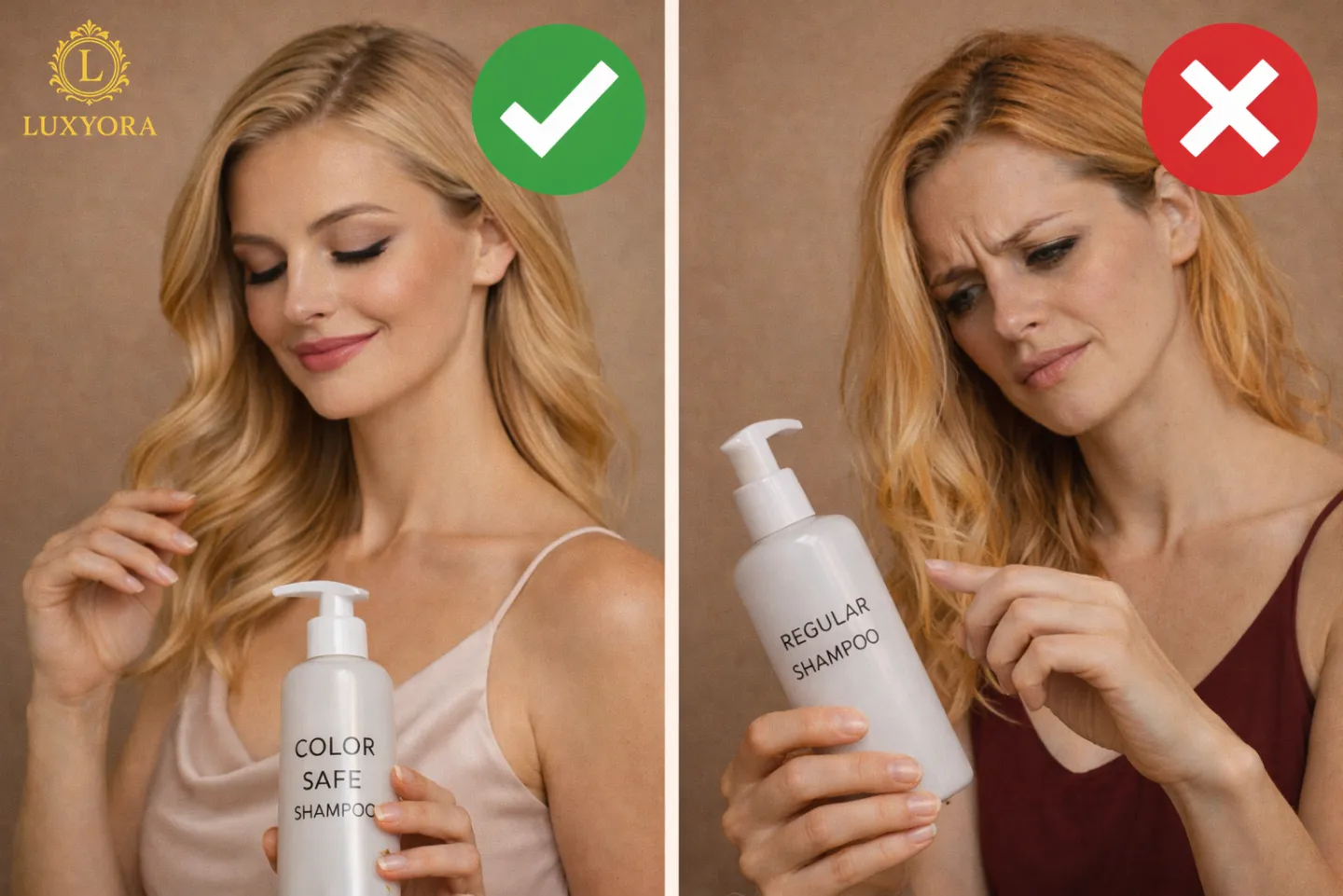
- If you’re washing frequently because your scalp gets oily, use a gentle color-safe shampoo and focus on thorough rinsing rather than aggressive scrubbing
3) Choose a color-safe shampoo that won’t bully your hair
There’s a reason editors keep repeating the phrase “sulfate-free” for colored hair: harsh surfactants can strip oils and leave hair feeling drier (and sometimes looking more faded). Vogue India specifically flags ingredients like sulfates (SLS/SLES) and also mentions avoiding sodium chloride and certain additives that can be rough on colored hair.
Not every sulfate-free shampoo is perfect (some are too heavy, some not cleansing enough), but if your hair is bleached, highlighted, or feels fragile, it’s a solid default.
If your hair feels coated or limp: do an occasional clarifying wash (not weekly for most people; think “as needed,” especially if you use dry shampoo or styling products). Then follow with a mask.
4) Condition like it’s your job
Color-treated hair often needs more slip and softness because the surface can become rougher after chemical processing. Conditioning agents help reduce friction and improve manageability, which means less breakage while brushing and styling.
How to do it (the chic way):
- Conditioner goes mid-lengths to ends.
- Detangle gently while conditioner is in; this is when the hair has the most “glide.”
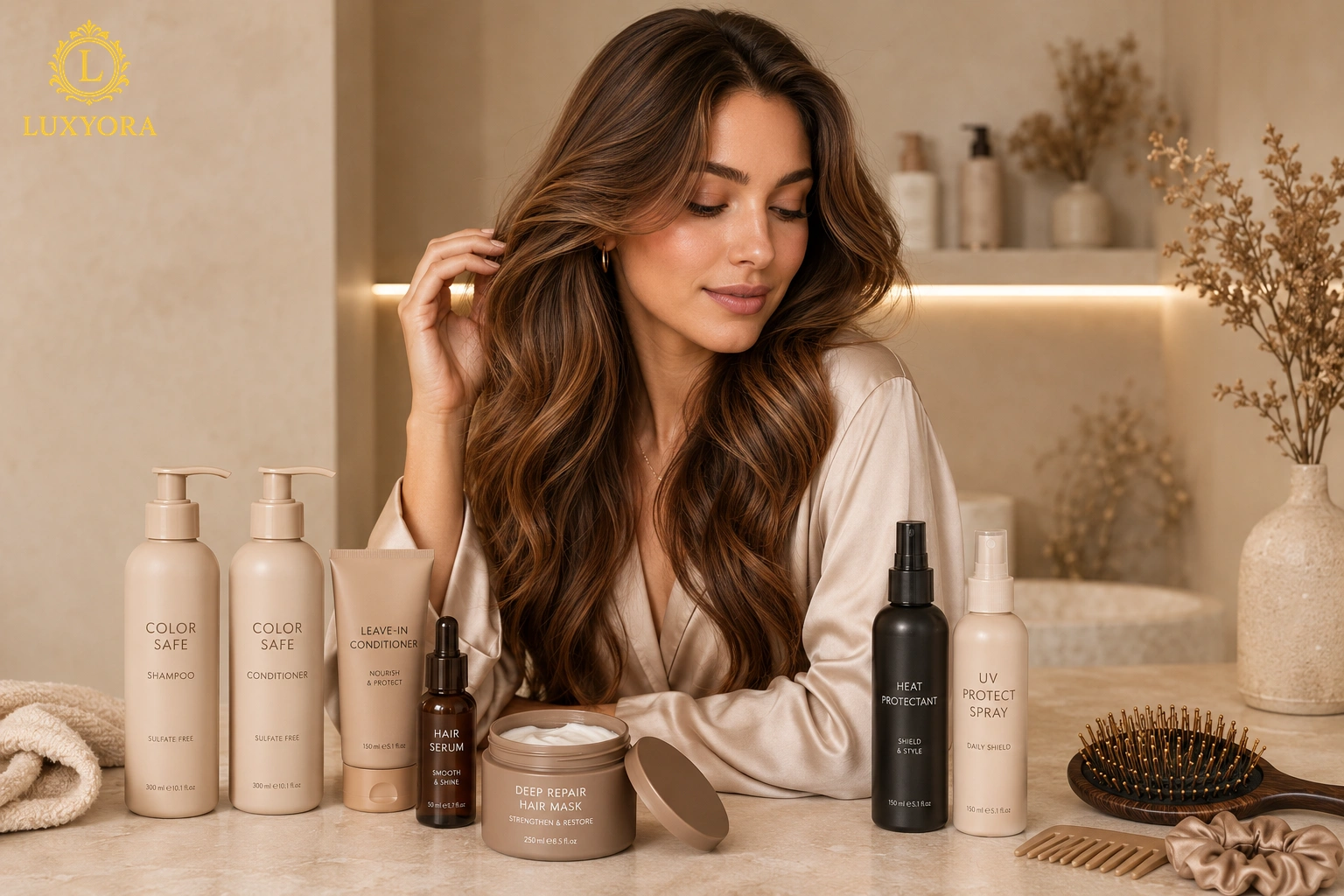
- Add a leave-in conditioner if you heat-style or your hair feels dry by day two.
5) Heat is the fastest way to make color look tired
Heat doesn’t just stress the hair; it can also make hair lose shine and look less “freshly colored” because it increases dryness and surface wear. Both dermatologists and clinicians emphasize minimizing heat and using protective habits.
Your upgraded heat rules:
- Always use a heat protectant.
- Use the lowest effective temperature.
- Fewer passes > higher heat.
- Try “style spacing”: one great blowout, then two days of low-manipulation styling (sleek bun, soft braid, claw-clip twist).
6) Sun protection isn’t optional for color longevity
UV exposure can contribute to dryness and color change over time, especially for dyed hair. Research exploring photoprotection for dyed hair supports the idea that shielding hair from UV/oxidative stress can help maintain appearance.
Easy protection that looks expensive:
- Wear a hat in strong sun.
- Use a UV-protective spray or leave-in on days you’ll be outdoors.
- If you’re at the beach or pool: rinse hair after, and consider a light conditioner barrier before swimming.
7) Toning products: your color’s best friend (when used correctly)
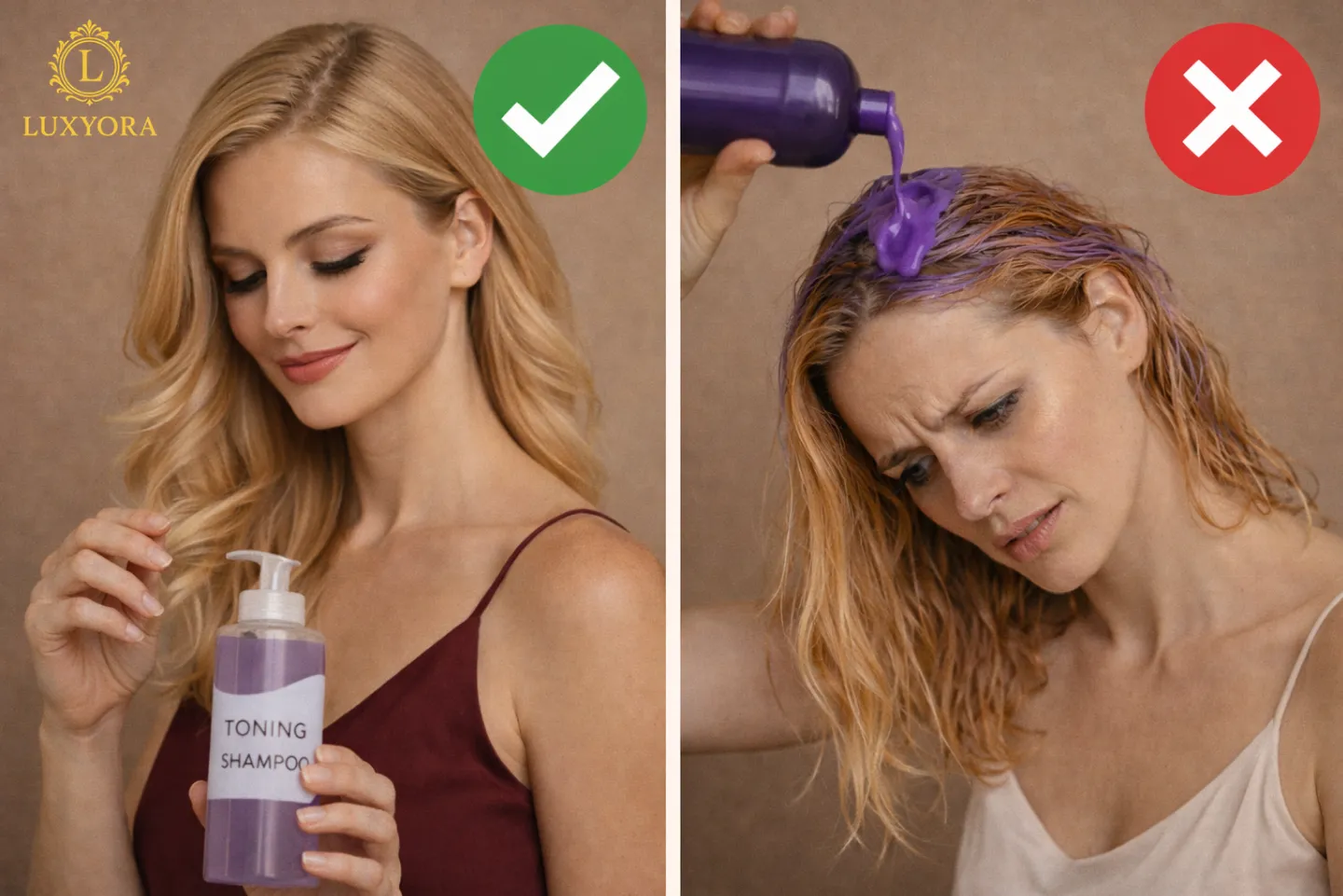
Blonde, silver, and highlighted hair can go brassy; brunettes can go warm or orange. Toning shampoos and drops can help neutralize unwanted tones, but overdoing them can dry hair out.
A practical editorial cue: pick a purple toner for blonde/yellow brass and a blue one for orange brass, and use them as rotating products, not your daily cleansers.
8) Repair isn’t one product it’s a strategy
Once hair has been lightened, it’s more vulnerable to breakage and split ends. Products can improve feel and reduce damage appearance, but structural issues still need prevention and trims.
To reduce breakage:
- Handle wet hair gently (no rough towel-rubbing).
- Reduce brushing and friction (silk/satin pillowcase helps).
- Get regular trims so splitting doesn’t creep upward.
A simple, high-impact weekly plan
Wash day (1-3x/week, depending on scalp)
- Gentle color-safe shampoo (scalp only)
- Conditioner (lengths/ends)
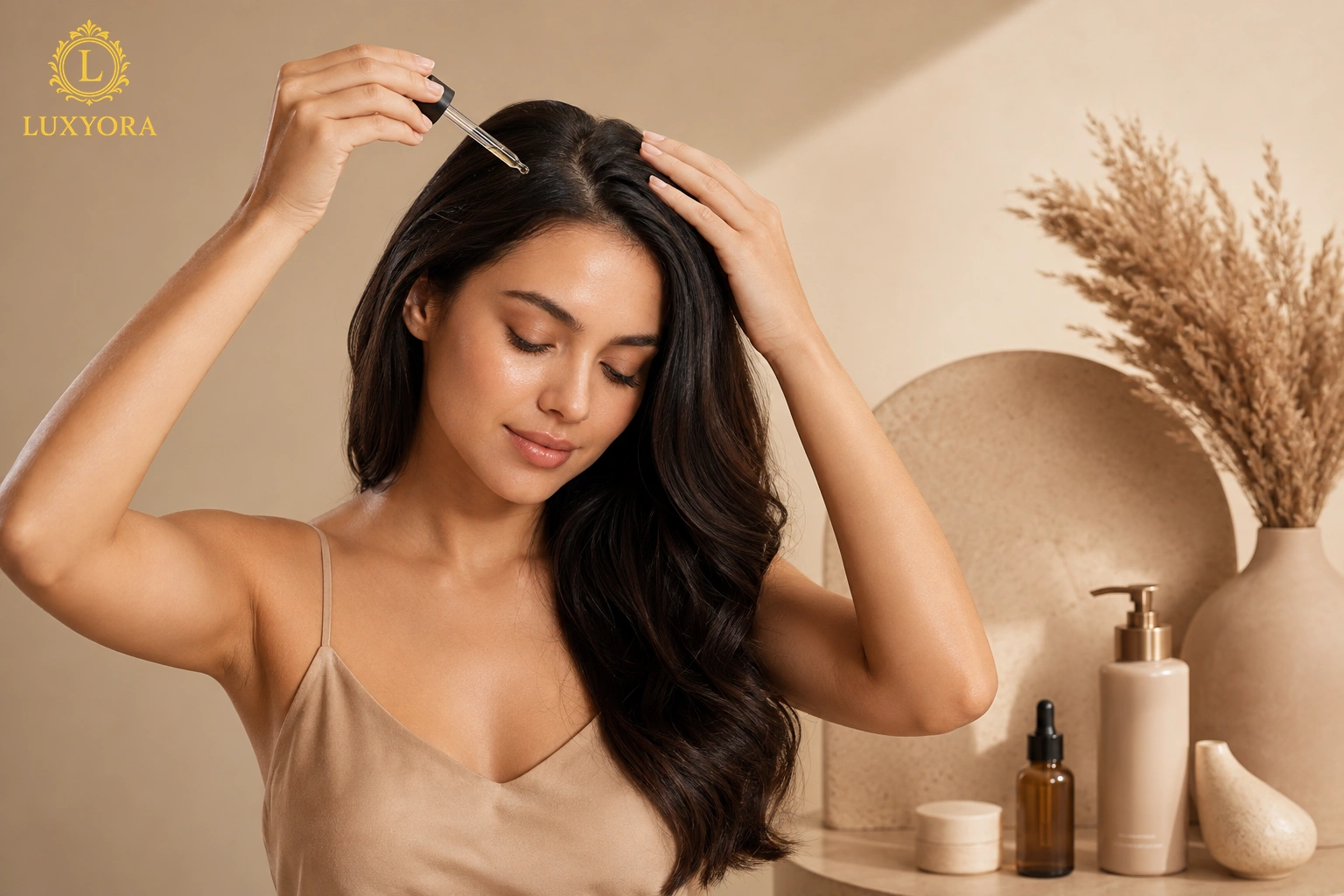
- Leave-in conditioner or lightweight serum on ends
- Heat protectant if styling
Weekly
- One deep conditioning mask (especially if bleached/highlighted)
Every 2-4 weeks (as needed)
- Clarify once if buildup dulls your shine
- Tone once if brassiness shows up
Always
- UV/heat protection as part of your “getting ready” ritual
When to see a professional
If you notice sudden shedding, scalp pain, severe itching/flaking, or dramatic breakage, it’s worth checking in with a dermatologist or a trusted colorist. Not everything is a product problem; sometimes it’s irritation, allergy, or a process mismatch.
Luxyora Philosophy: Color is art, but maintenance is devotion. Care for your dyed hair like luxury fabric: protect it, nourish it, and keep it softly polished, and it will keep returning the glow.
References:
- American Academy of Dermatology Association. (n.d.). Hair styling without damage. (American Academy of Dermatology)
- American Academy of Dermatology Association. (n.d.). Coloring and perming tips for healthier-looking hair. (American Academy of Dermatology)
- Cleveland Clinic. (2025, April 29). How often should you wash your hair? (Cleveland Clinic)
- Dario, M. F., et al. (2020). Dyed hair photoprotection efficacy of a quercetin-loaded nanoemulsion. Journal of Photochemistry and Photobiology B: Biology. (ScienceDirect)
- Healthline Editorial Team. (2022). How to prevent split ends (and what actually works).(Click Here) (Medical News Today)
- Oh, J. H., et al. (2025). Correlation between sun protection factor and hair color changes under UV exposure. Journal article on PMC. (PMC)
- Vogue India. (2022, March 18). The ultimate guide to caring for color-treated hair.(Click Here) (Vogue India)
- Vogue India. (2021, July 15). 6 things your hair colourist wishes you wouldn’t do. (Vogue India)
- Vogue. (2022). The ultimate guide to caring for color-treated hair. (Vogue)
- Glamour. (2025, May 5). Best shampoos for color-treated hair, according to pro hairstylists. (Glamour)