How to Create a Personal Style That Feels Authentic | Luxyora
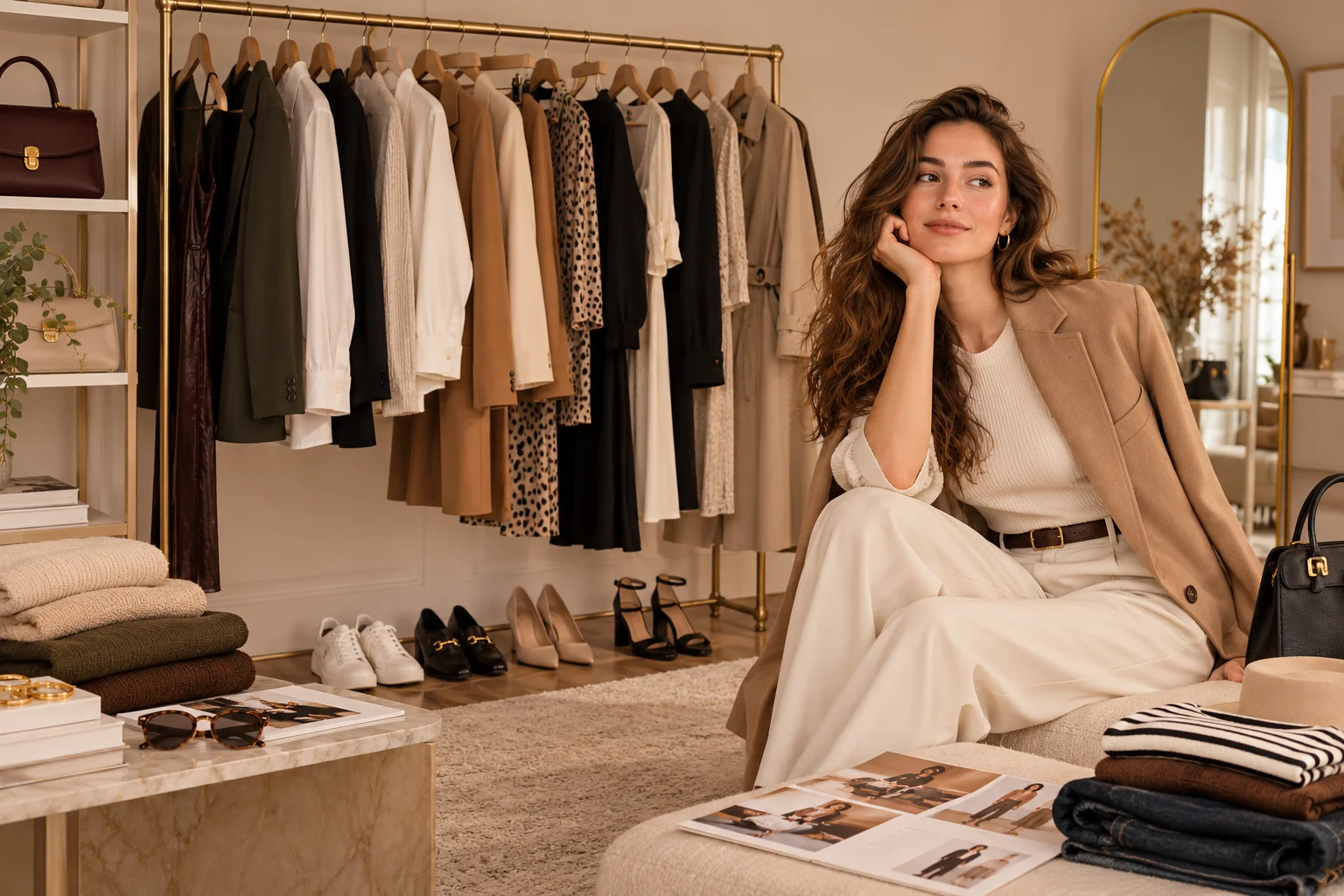
There’s a very specific kind of fashion fatigue that hits when your closet is full, yet you’re still “wearing nothing.” The culprit usually isn’t a lack of options; it’s a lack of alignment. Your wardrobe has drifted into a mashup of impulse buys, trend trauma, and that one aspirational blazer you swear will become your personality the moment you book a mysterious, important job.
Authentic personal style is the opposite of cosplay. It’s when what you wear feels like you, but slightly more edited like your best self on a Tuesday, not just your best self on vacation.
Here’s how to get there without spiralling into a full identity crisis (or a cart full of “quiet luxury” basics that don’t actually feel quiet, luxurious, or basic to you).
1) Start with your real life, not your fantasy life
Before you save another “Scandi minimal” outfit photo, ask: Where do you actually go? What do you actually do? And what do you need your clothes to do for you?
A useful exercise is a quick lifestyle audit: list your weekly activities (work, errands, dinners, events, workouts, whatever). Then note what you wish you wore versus what you truly reach for. Style doesn’t become authentic when it looks good on Pinterest; it becomes authentic when it supports your day-to-day rhythm.
This is also where you begin to spot friction: maybe you own party tops but attend zero parties. Or you love the idea of crisp tailoring, but your life is more “laptop + long commute + spontaneous chai.” Authentic style is simply honesty made chic.
2) Build a “three-word” style compass
When your style feels scattered, you need a filter that isn’t “Is it cute?” because everything is cute online.
Stylist Allison Bornstein popularised a simple framework for defining style using three words: “polished, playful, sharp” or “romantic, relaxed, artistic.” The magic is that these words become your personal creative brief: they guide shopping, outfit building, and even decluttering.
Choose words that describe how you want to feel in your clothes, not just how you want to look. Aesthetic is visual; authenticity is emotional.
3) Treat trends like seasoning, not the main dish
Trends are fun. Trends are also chaotic. Microtrends, especially, can make you feel like your taste has an expiration date.
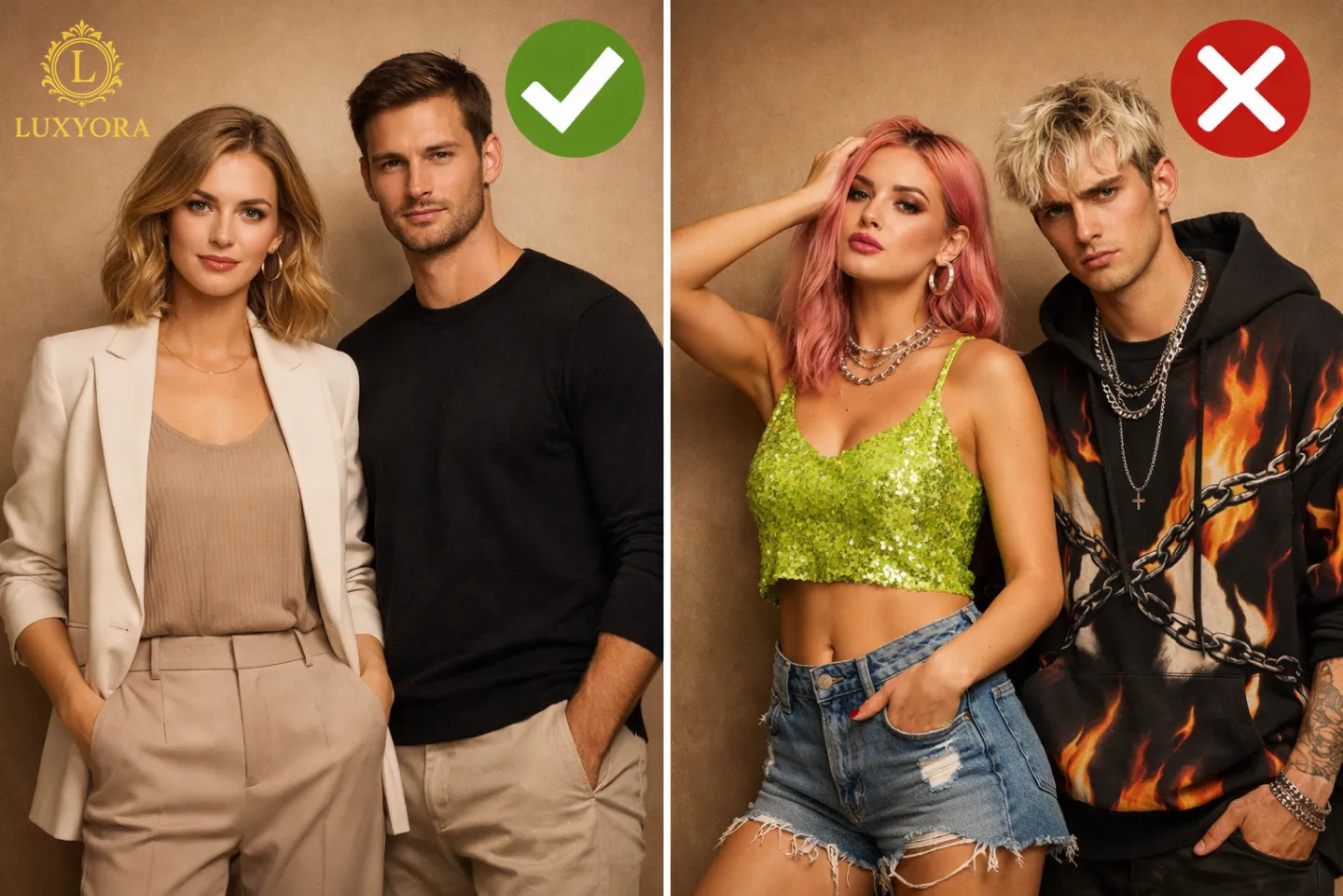
A more grounded approach: pick trends that genuinely harmonise with your “style compass.” If your words are “clean, sculptural, understated,” a neon crochet mini might be adorable, but it’s not yours unless it clicks into your identity like a puzzle piece.
That’s why advice on finding your style usually focuses on observing and experimenting, paying attention to what you love, what you wear most, and what feels inauthentic.
4) Make a personal uniform, then let it evolve
Uniform sounds boring until you remember that the most stylish people often repeat silhouettes. Consistency is not stagnation; it’s a signature.
Your uniform might be:
- straight-leg jeans + knit top + sleek flats
- wide trousers + tank + oversized shirt
- midi dress + boots + big earrings
The point is to identify a formula that makes you feel like yourself quickly. Then you refine it in detail: texture, color, accessories, proportions.
This is also practical: when you know your “base,” you shop smarter and waste less mental energy. Style guidance often encourages logging off and interacting with clothes in person, touching fabrics, and trying silhouettes to develop taste in ways algorithms can’t.
5) Use “evidence,” not vibes, when editing your closet
Authenticity isn’t a mood board. It’s a pattern.
Try this: for two weeks, take quick outfit photos (mirror selfies count). At the end, look for evidence:
- Which outfits made you stand taller?
- Which ones did you keep adjusting all day?
- What did you wear on repeat?
- What combinations felt effortless?
This is data, darling. And it’s far more reliable than the fantasy that buying one “it” item will reboot your identity.
Research also supports that clothing can shape how we think and feel. Fashion isn’t superficial; it’s psychological. Studies on dress and person perception show that clothing functions as a social signal (and shapes how others perceive us), while ongoing research on enclothed cognition examines how what we wear can influence our internal state and performance.
6) Shop with values because authenticity includes ethics
If your style feels authentic but your purchases feel impulsive, the disconnect will creep back in.
A mindful approach to clothing means buying with intention, considering impact, and building a wardrobe you truly use, making it not just sustainable, but deeply personal.
Try a “pause practice”: when you want to buy something, wait 48 hours and ask:
- Does this match my three words?
- Can I style it 3+ ways with what I already own?
- Would I wear it next week in my actual life?
If the answer is yes, it’s not just a purchase; it’s a style investment.
7) Let your style tell the truth gently
Authentic style doesn’t mean dressing for every emotion you’ve ever had. It means dressing in a way that feels like you belong in your own body and life.
A 2022 qualitative study on personal clothing style and self-concept describes clothing as a way people express a “true self,” an “ideal self,” and a “creative self.” In other words, style is both identity and imagination, reality with a little sparkle.
So if you’re evolving (and you are), your style can evolve too. Authenticity isn’t a final destination; it’s a practice. The goal is not to “arrive.” The goal is to feel at home.
Luxyora Philosophy: Authentic style isn’t about chasing a look, it’s about listening closely to who you already are. Dress like your life is real, your taste is valid, and your closet is allowed to tell the truth.
References:
- Bornstein, A. (n.d.). Wear it well. Allison Bornstein. (allisonbornstein.com)
- Cline, E. L. (n.d.). The conscious closet. Elizabeth L. Cline. (Elizabeth L. Cline)
- Hester, N., & Hehman, E. (2023). Dress is a fundamental component of person perception. Perspectives on Psychological Science. (PMC)
- Horton, C. B., Jr., & colleagues. (2025). Evaluating the evidence for enclothed cognition: Z-curve meta-analysis. Personality and Social Psychology Bulletin. (SAGE Journals)
- Vingilyte, J., & colleagues. (2022). Personal clothing style and self-concept. Fashion, Style & Popular Culture. (intellectdiscover.com)
- Vogue. (2024, April 5). How to find your style. (Vogue)
- Harper’s Bazaar. (2025, October 1). How to find your style, according to fashion veterans and experts. (Harper’s BAZAAR)