How to Make Your Wardrobe More Versatile | Luxyora
A versatile wardrobe isn’t about owning more. It’s about owning smarter pieces that can pivot from Monday meetings to Saturday brunch to that “we’re doing drinks in 20” text without you spiralling into an outfit crisis. Think of it like building a closet with range: items that remix well, flatter you consistently, and feel like you, just in different chapters of the day.
The good news: versatility is learnable. The even better news: it’s usually less about chasing trends and more about refining your system.
1) Start with your real life, not your fantasy life
The most common wardrobe fail is dressing for an imagined version of you. The most versatile closets begin with honest math: what you do most weeks, what dress codes you actually face, and what you reach for on repeat. That’s why style systems that start with self-assessing your preferences, proportions, and lifestyle tend to create wardrobes that are worn, not just admired.
Try this quick audit:
- Work: How formal? How often?
- Casual: What’s your true comfort baseline?
- Social: Are you more dinner-and-heels or sneakers-and-bars?
Now build around that.
2) Build a “capsule core” that doesn’t feel boring
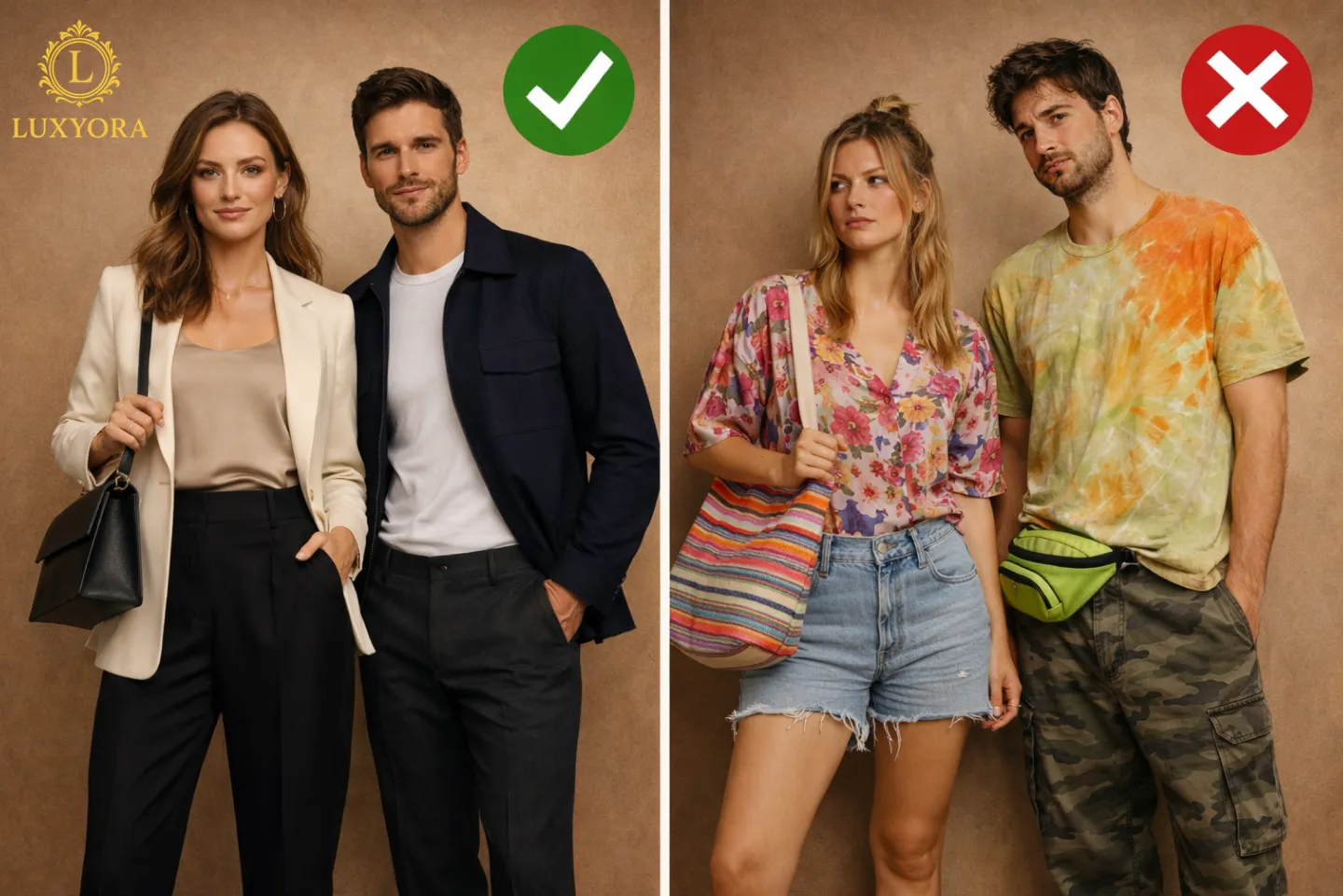
Capsules aren’t meant to be minimalist punishments. They’re designed to be the foundation for your best-fitting, most mixable essentials, making everything else easier. A few timeless staples, great tees, tailored trousers, a clean coat, and sharp shoes can be mixed to create countless outfits.
Your capsule core (the high-rotation heroes):
- A polished blazer or structured jacket
- Straight-leg trousers or tailored wide-legs
- Dark, clean denim
- A crisp shirt + one elevated knit
- A slip skirt or midi dress
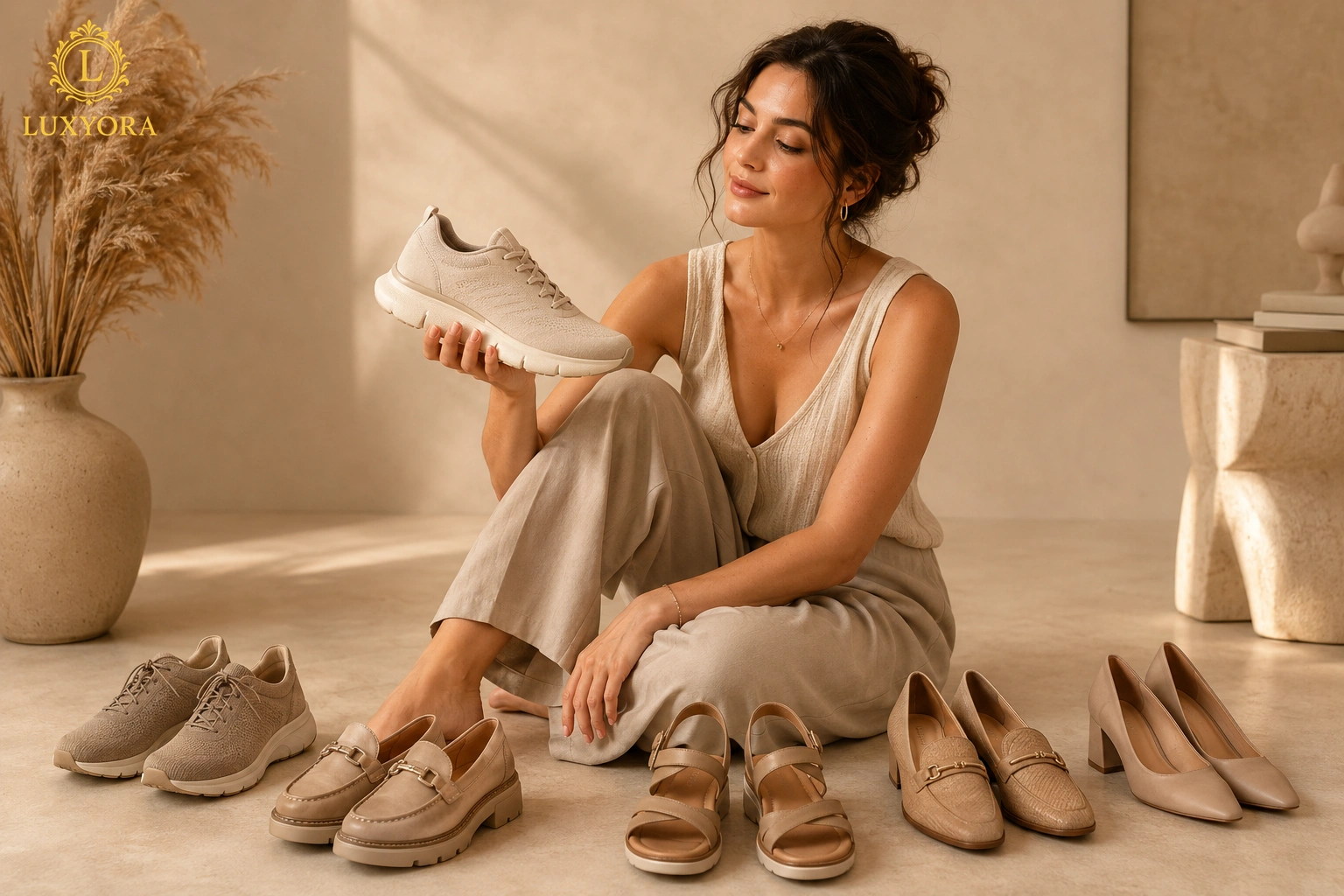
- One great sneaker, one loafer/flat, one evening shoe
- A neutral coat or trench-style layer
pared-back but never boring.
3) Choose a color story that mixes effortlessly
The fastest way to become versatile is to stop buying “random cute things” that don’t talk to each other.
A practical approach:
- Pick 2-3 neutrals you love on your skin (black, navy, cream, camel, chocolate, grey).
- Add 1-2 accent colors that pop (burgundy, olive, cobalt, soft gold).
- Keep your hardware consistent if you can (more gold pieces or more silver pieces).
Suddenly, your wardrobe becomes a well-edited collection instead of a crowded group chat where nobody replies.
4) Prioritize fit and fabric like they’re accessories
Versatility lives in repeatability, meaning you’ll wear these pieces often. That only works if the fit is easy and the fabric holds up. Research on clothing longevity suggests that when garments fit well, people tend to value them more, wear them more, and keep them in use longer (which is good for both wardrobe function and waste reduction).
Simple upgrades that make outfits look instantly more elevated:
- natural-feeling knits that don’t pill easily
- trousers with structure (even when relaxed)
- denim with a clean hem and consistent wash
- pieces that steam well and keep their shape
If it’s annoying to wear, you won’t reach for it. If you don’t reach for it, it’s not versatile, no matter how pretty it is.
5) Master the “one swap” rule for day-to-night
Versatility is basically styling agility. The most reliable trick: build outfits that only need one intentional swap to shift occasions.
Examples:
- Office trousers + knit top + loafers → swap loafers for a sleek heel and add earrings.
- Midi dress + blazer + flats → swap blazer for leather jacket and add a statement lip.
- Dark denim + button-down + sneaker → swap sneaker for a sharp boot and add a clutch.
Workwear norms have also loosened in many places, placing greater emphasis on intentionality and authenticity rather than rigid uniforms, allowing your best basics to travel further across your schedule.
6) Treat your wardrobe like a circular ecosystem
Versatility is not just a style win, it’s a sustainability win. The fashion system’s waste problem is huge: the Ellen MacArthur Foundation notes that enormous volumes of clothing are produced and discarded, with large quantities burned or landfilled.
And WRAP’s work highlights that extending clothing life can significantly reduce carbon, water, and waste footprints.
So here’s the chic (and smart) way to do it:
- Shop your closet first. Restyle what you already own.
- Resell, swap, or tailor the “almost” pieces.
- Buy fewer, better items that truly integrate.
Books like The Conscious Closet offer practical strategies for editing, caring for, and shopping more intentionally without losing your love of fashion.
7) Add “interest pieces” that still play nice
A versatile wardrobe doesn’t mean you dress like a blank page. It means your personality is strategic. Choose statement pieces that still coordinate with your color story and silhouettes.
Smart statement categories:
- a dramatic coat (still neutral)
- a special shoe (metallics count as neutrals in my book)
- a printed top that matches your base palette
- one “event” dress that can be styled down with flats and a jacket
The goal: pieces that feel exciting and cooperative.
8) Create a signature formula (so getting dressed becomes easy)
The most stylish people aren’t “always inventing.” They’re repeating a formula with tiny variations.
Pick 2-3 outfit formulas that flatter you:
- Wide-leg trouser + fitted knit + sharp shoe
- Midi dress + structured layer + simple jewelry
- Dark denim + crisp shirt + statement bag
When you have formulas, your wardrobe becomes versatile by design because everything you buy must fit the system.
Luxyora Philosophy
Versatility is the art of owning less noise and more intention, so every piece earns its place, and every outfit feels like an effortless extension of you.
References:
- Cline, E. L. (2019). The conscious closet: The revolutionary guide to looking good while doing good. Plume/Penguin Random House. (Elizabeth L. Cline)
- Ellen MacArthur Foundation. (n.d.). Circular economy for the fashion industry (overview). (ellenmacarthurfoundation.org)
- Kondo, M. (2016). Spark joy: An illustrated master class on the art of organizing and tidying up. Vermilion. (Amazon India)
- Shapira, A. (2022, September 7). The new rules of work clothes. Harvard Business Review. (Harvard Business Review)
- Vogue. (2026, January 7). The wardrobe essentials we’re wearing in 2026. (Vogue)
- Vogue UK. (n.d.). How to build a capsule wardrobe that stands the test of time. (British Vogue)
- WRAP. (2024, January 13). Extending product lifetimes: WRAP’s work on clothing durability. (wrap.ngo)