The Quiet Power of Luxury Fragrance in Social Settings | Luxyora
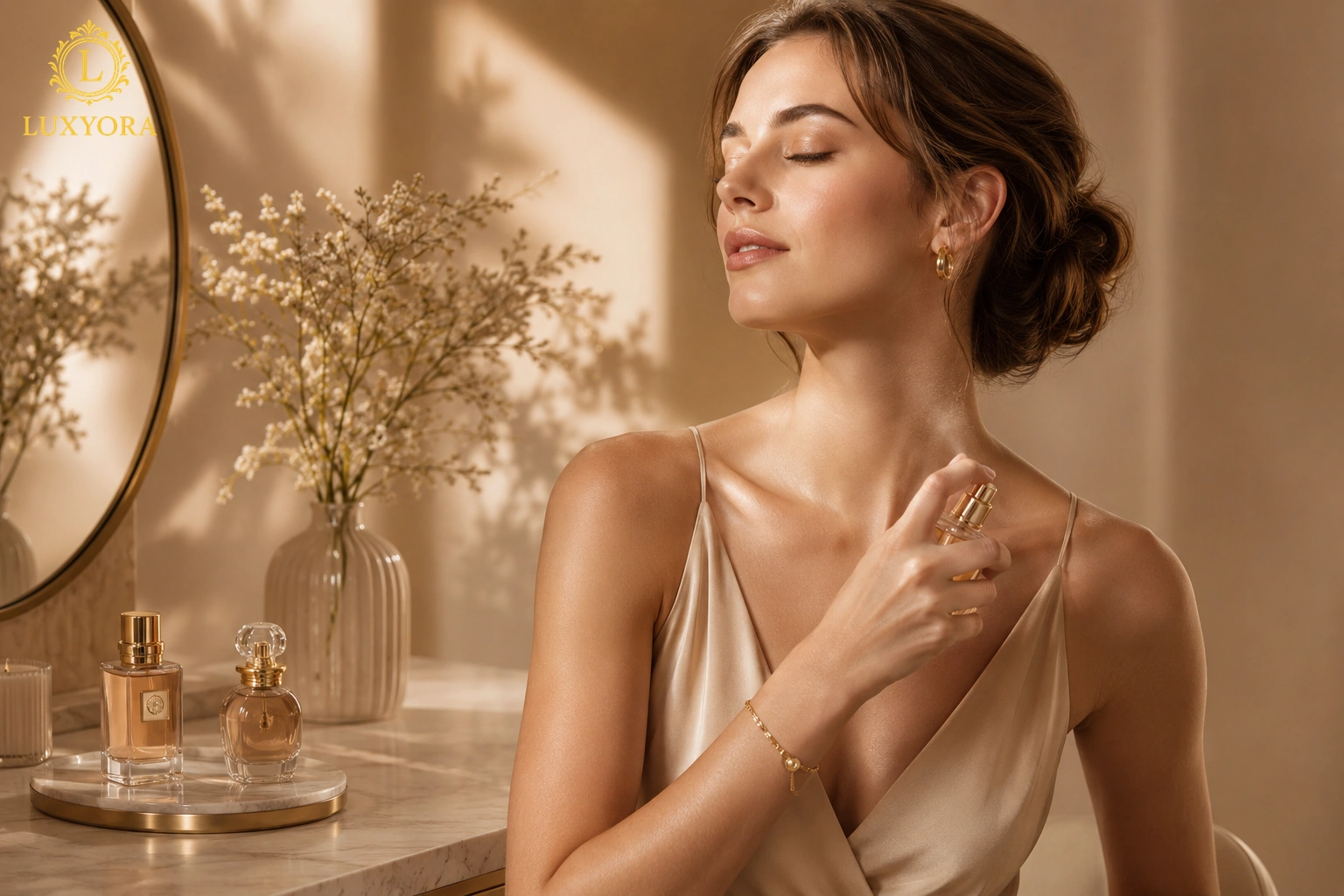
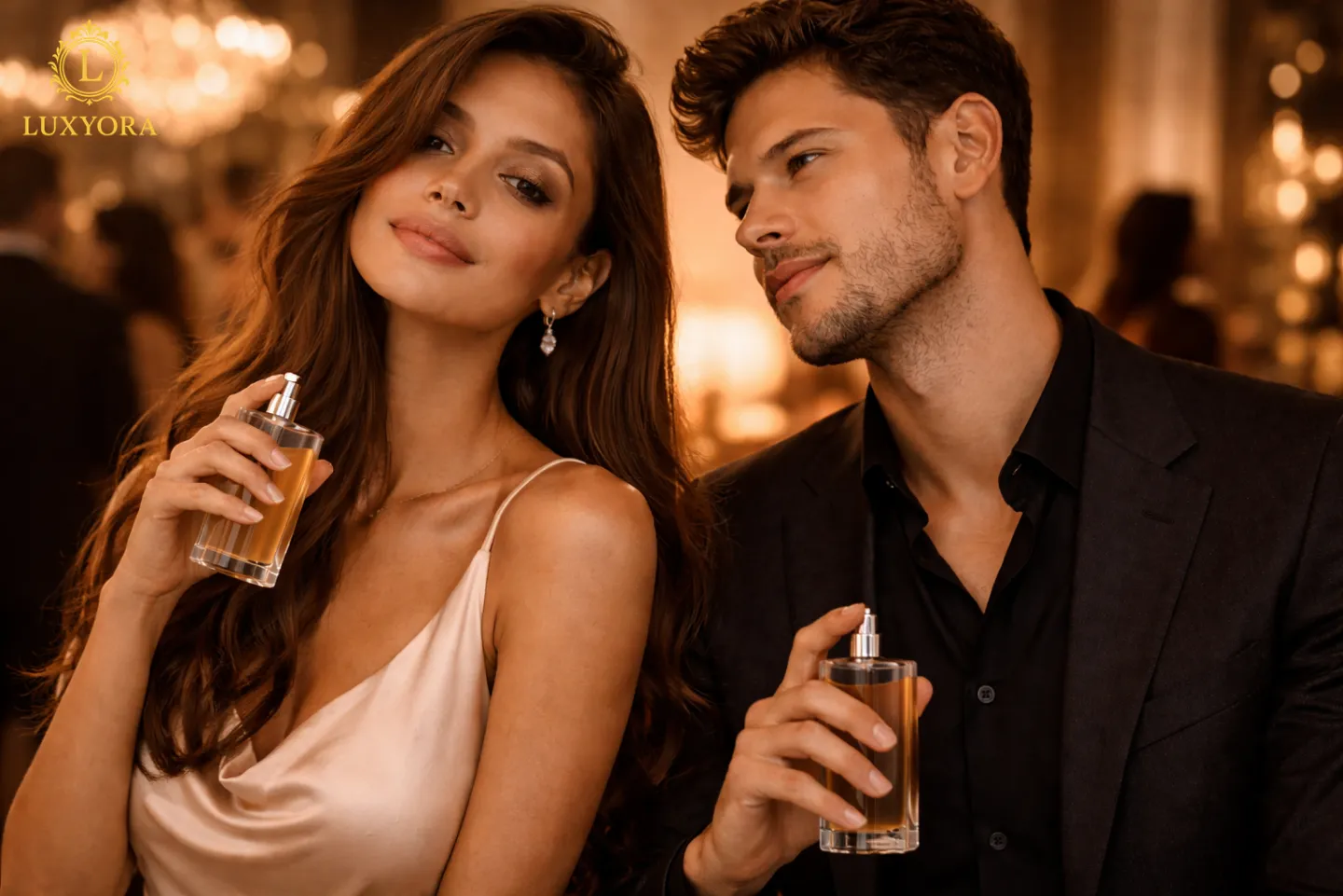
Luxury fragrance doesn’t enter a room the way a statement coat does. It doesn’t shimmer under chandeliers or catch the camera flash. It moves differently, more like a soft overture than a grand reveal. And that’s exactly why it’s powerful in social settings: it operates in the intimate radius where real impressions are made.
In a world where everyone is visually “styled” within an inch of their life, scent is the detail that stays slightly private. It can’t be fully clocked from across the room. It has to be discovered. Which means it’s not just an accessory, it’s an atmosphere you curate for the people who come close enough to matter.
Why fragrance lands differently than everything else
Scent has a special route into the brain. It’s tightly connected to systems involved in emotion and memory, which helps explain why a fragrance can change your mood faster than a mirror can. You don’t need to “decide” how you feel about a scent. Your nervous system does it for you.
That’s why perfume can quietly shift your social energy. You put it on, and suddenly you’re more composed. More present. More willing to make eye contact. The confidence isn’t loud, it’s internal. But people read it anyway.
Some scents seem to inspire confidence, spark nostalgia, or create an immediate sense of familiarity in social settings. The reason lies in the remarkable relationship between fragrance, emotion, and memory. Learn more in The Science of Scent: How Fragrance Affects Mood and Memory.
The real flex: being noticed without trying to be noticed
Luxury fragrance is rarely about projection at maximum volume. In fact, the most expensive-smelling fragrances often behave like a whisper. They don’t chase strangers; they reward proximity.
This matters socially because it changes the dynamic. Instead of saying, “Pay attention to me,” it says, “If you’re close enough, you’ll find something interesting.” That’s a different kind of charisma, quiet, controlled, and memorable.
And yes, there’s research suggesting fragrance can influence social perceptions (including impressions tied to confidence and attractiveness). The key is subtlety: social settings reward the person who leaves a trace, not a cloud.
A beautifully chosen fragrance can alter the energy of a room without saying a word, but its most remarkable influence is often felt by the wearer first. Explore the connection in The Invisible Confidence Boost of Wearing Fragrance.
Fragrance as social etiquette
In the same way you adjust your voice depending on the room, boardroom vs. rooftop dinner, scent has its own etiquette.
- Brunch or daytime gatherings: clean musks, soft citrus, gentle florals. Polished, easy, “I’m effortlessly put together.”
- Dinner or cocktail settings: amber, woods, spice, iris, deeper florals. A little more texture, a little more intrigue.
- Close, intimate environments: skin scents, creamy woods, soft amber, anything that feels warm and personal rather than declarative.
Luxury fragrance makes this easier because high-quality compositions tend to have better balance and a more refined evolution on skin, less “one-note” and more nuanced over time.
Some fragrances seem to belong effortlessly at elegant dinners, while others feel made for sunlit afternoons or celebratory nights. Uncover the secret behind choosing the perfect scent for every setting in How to Choose the Perfect Perfume for Every Occasion.
The psychology of “signature”
Wear a fragrance often enough, and it stops being “a perfume” and starts being “you.” This is where luxury scent becomes socially potent: it turns into recognition.
People may not remember your exact outfit from last month’s dinner. But if your scent is consistent, it becomes a shortcut to your presence. Its identity, without having to perform identity.
And that identity can be deliberately shaped. A signature doesn’t have to be permanent; it can be seasonal, situational, or mood-based. But when you repeat a scent in the same types of settings, work events, parties, and gatherings, your social world begins to associate it with you.
Some people are remembered not just for what they wore or said, but for the scent that seemed inseparable from their presence. Learn why fragrance becomes an extension of identity in How Scent Becomes Part of Personal Identity.
The confidence effect: posture, pace, presence
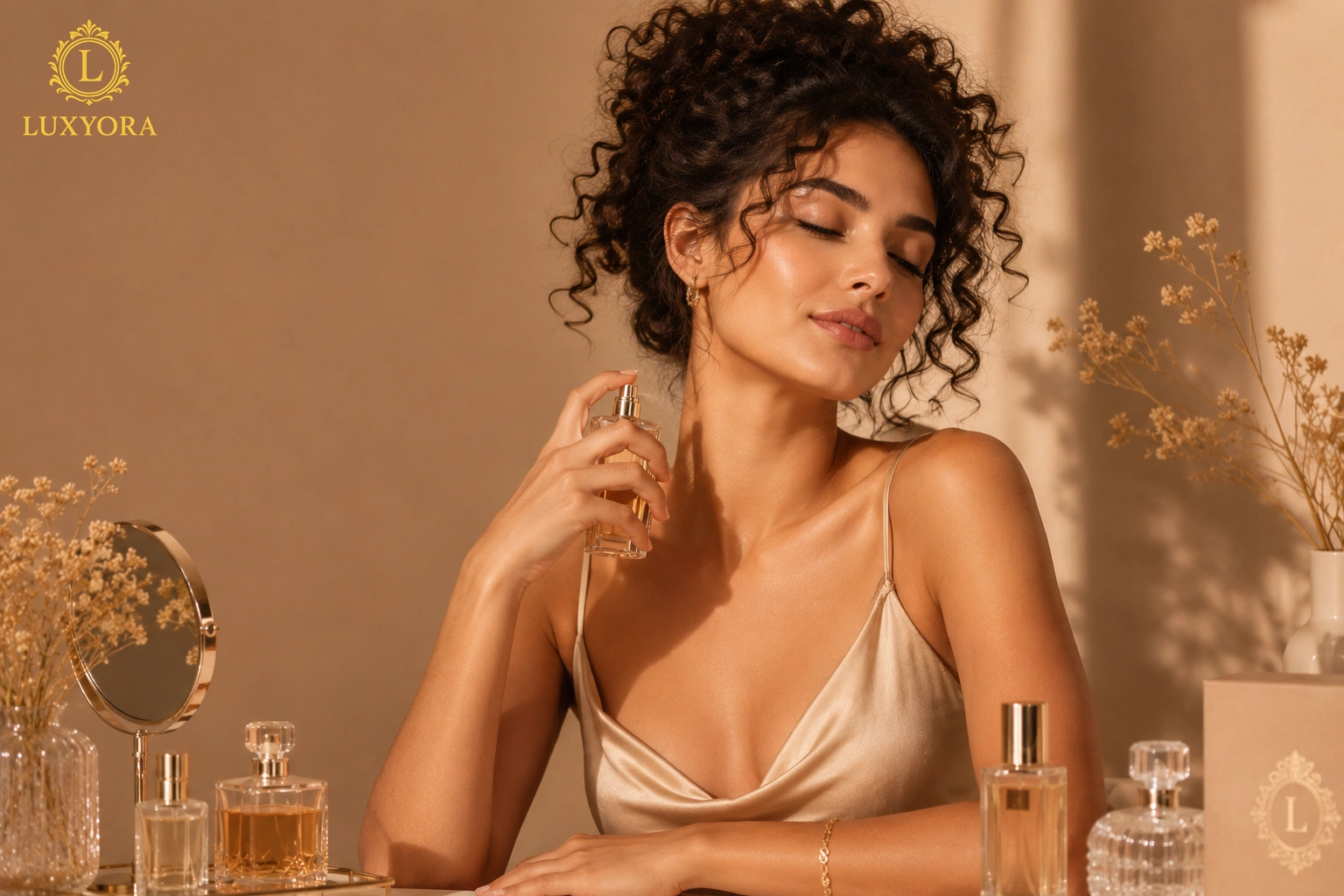
There’s a reason people apply fragrance before entering a social moment. It’s a tiny, almost ceremonial ritual. And rituals are grounding. They tell the brain: we’re preparing to be seen, to connect, to show up.
Fragrance can also influence how we perceive ourselves in a moment. In studies examining fragrance and social impressions, adding a “fragranced layer” can change how others judge someone’s body odor and influence the impressions formed. In other words, scent not only decorates but also participates in social perception.
This is why a fragrance can change how you carry yourself. It’s not mystical. It’s sensory psychology. If you feel more composed, you move more composed. If you feel more attractive, you stand a little taller. And others respond to that shift often without realizing why.
A luxury fragrance often works in silence, influencing posture, mood, and self-assurance long before introductions are made. Learn more in How Wearing a Scent Changes the Way You Carry Yourself.
Luxury scent is “soft power”
If fashion is visual power, fragrance is soft power.
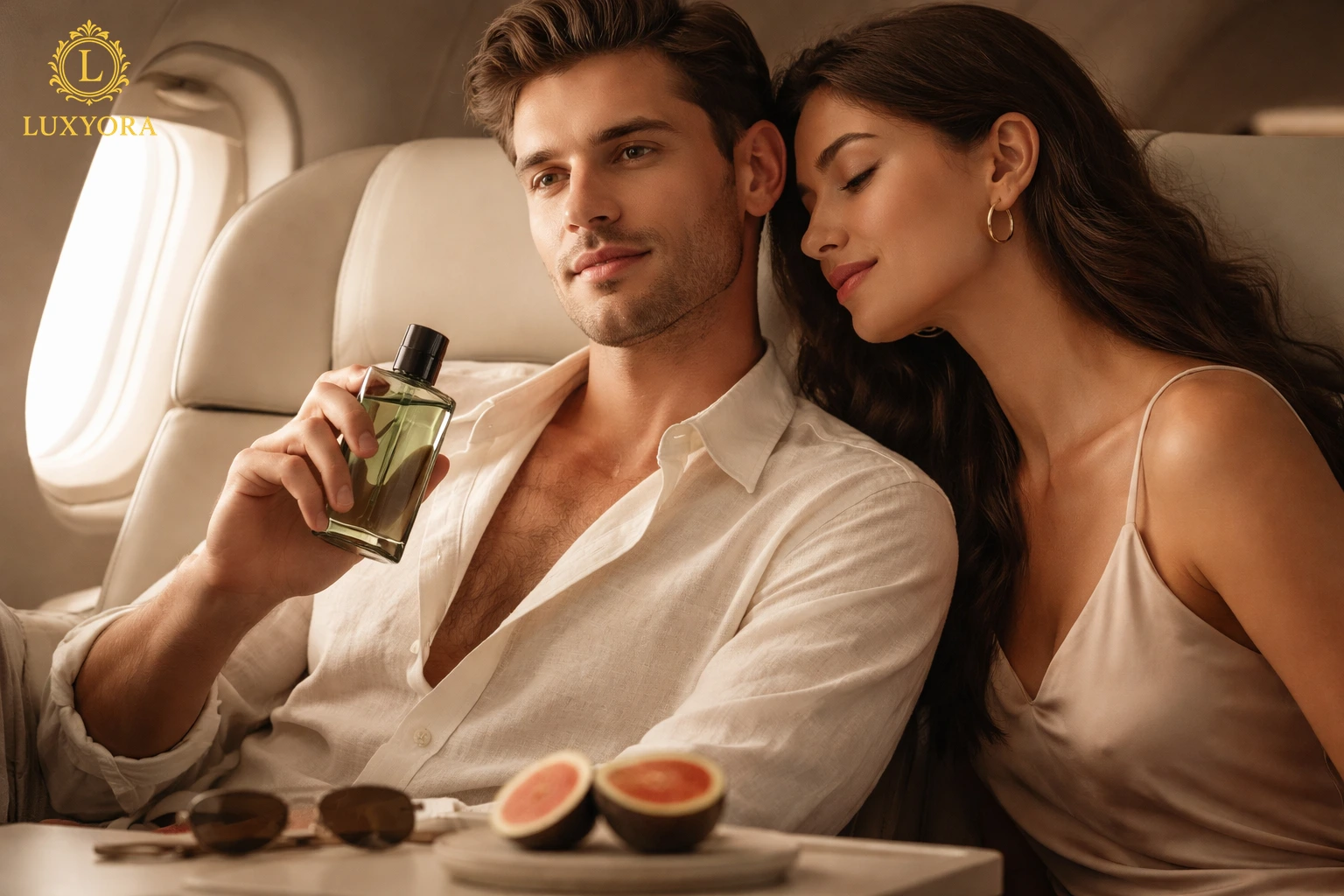
It’s not obvious. It’s not easily copied at the moment. It works through memory, emotion, and proximity. It’s also inherently relational: scent is most meaningful when someone is near you, leaning in to greet you, sitting beside you, sharing a conversation, hugging you goodbye.
That’s why luxury fragrance can elevate social experiences without taking over the room. It creates an emotional tone around you: warm, bright, mysterious, clean, sensual, calm, playful. And in social settings, tone is everything.
A beautifully chosen fragrance may never announce itself, yet it can leave a lasting impression within moments of meeting someone. Explore the subtle influence in How Fragrance Shapes First Impressions Without Words.
The best social strategy: less product, more intention
The biggest mistake people make with fragrance in social settings is treating it like armor you need to over-apply. Luxury scent performs better when it’s worn with restraint.
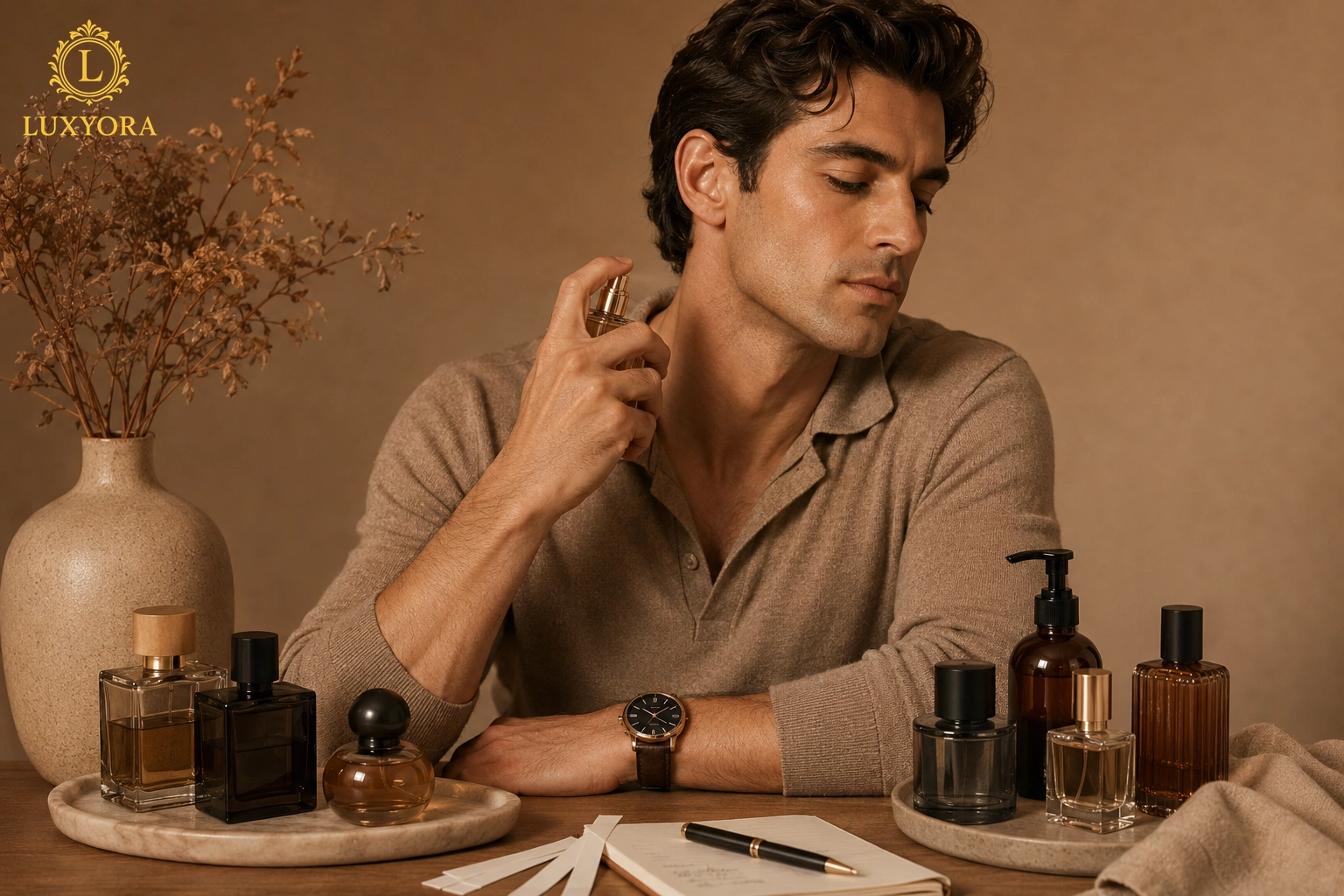
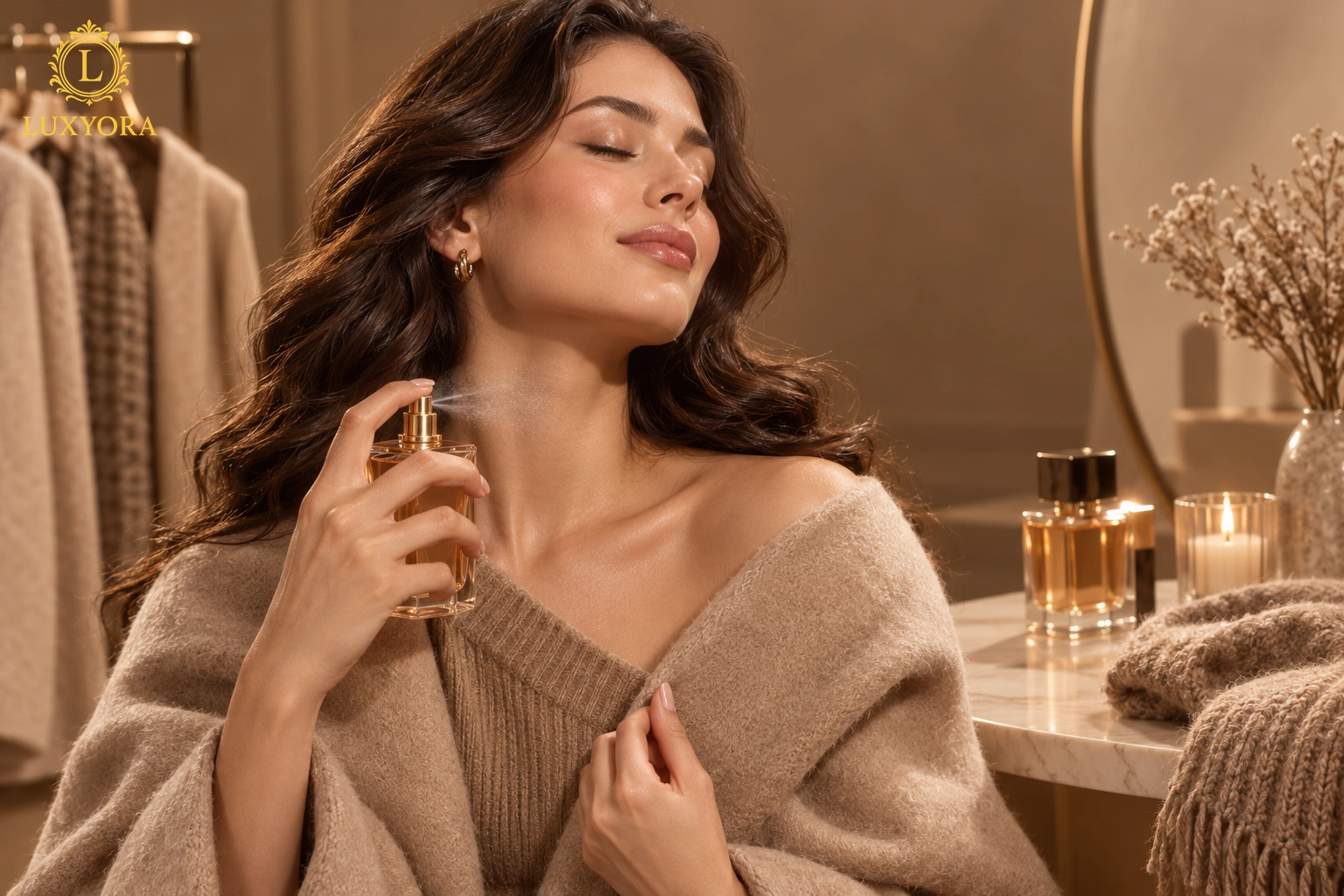
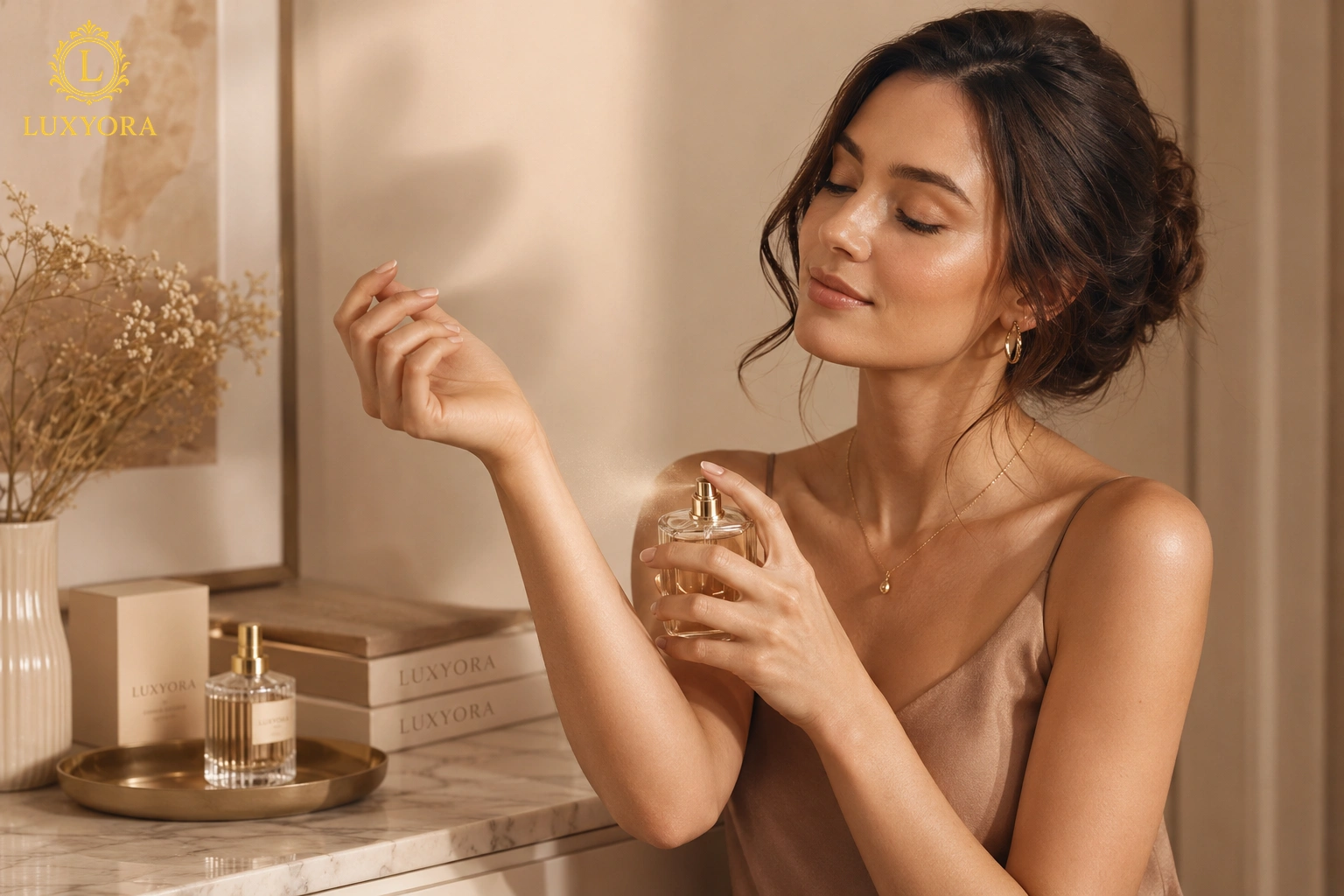
A few well-placed sprays (or a gentle dab, depending on format) creates a signature that invites closeness. Too much can cancel out the very elegance you’re trying to communicate.
Think of it this way: in social settings, fragrance should feel like an invitation, not an announcement.
How to choose a “social” luxury fragrance
If you’re building a scent wardrobe for real-life dinners, events, meetings, celebrations, choose fragrances that deliver:
- A refined opening: something that feels clean, luminous, or crisp rather than aggressively sharp.
- A warm, textured heart: florals, tea notes, woods, spices, anything with dimension.
- A graceful dry-down: musks, amber, sandalwood, soft resins, something that lingers like a memory, not a billboard.
And most importantly: choose the scent that makes you feel like your best self. Because the quiet power of fragrance isn’t only what others smell. It’s how you show up when you know you smell unforgettable.
Luxury fragrance becomes especially powerful in social settings when your scent evolves with your lifestyle rather than relying on a single bottle. Learn how to build a thoughtfully curated fragrance wardrobe in The Art of Fragrance Wardrobing: Build Your Personal Scent Collection.
Luxyora Philosophy: True luxury in social settings is never loud; it’s the invisible signature that makes presence feel effortless and memory feel inevitable.
References:
- Croijmans, I., Beetsma, D., Aarts, H., Gortemaker, I., & Smeets, M. (2021). The role of fragrance and self-esteem in perception of body odors and impressions of others. PLOS ONE, 16(11), e0258773. (PLOS)
- Davies-Owen, J., Bate, S., Young, A. W., & Lewis, M. B. (2024). Fragrance modulates attractiveness, confidence and related face perception outcomes. Physiology & Behavior, 283, 114999. (ScienceDirect)
- Herz, R. S., & Engen, T. (2019). Odor memory: Review and analysis. Psychonomic Bulletin & Review, 26, 1601–1618. (PMC)
- Khair, N., Elhajjar, S., & Hamzeh, Z. (2024). Personal branding through perfume in the Middle East: Investigating the role of fragrance in self-presentation, impression management, and cultural identity. Fashion Theory. (Taylor & Francis Online)
- Schlintl, C., Zorjan, S., & Schienle, A. (2022). Olfactory imagery as a retrieval method for autobiographical memories: Effects of sensory modality and emotion. Psychological Research. (PMC)
- Spence, C. (2021). The scent of attraction and the smell of success: Crossmodal influences on person perception. Cognitive Research: Principles and Implications, 6, 46. (PMC)