How Scent Becomes Part of Personal Identity | Luxyora
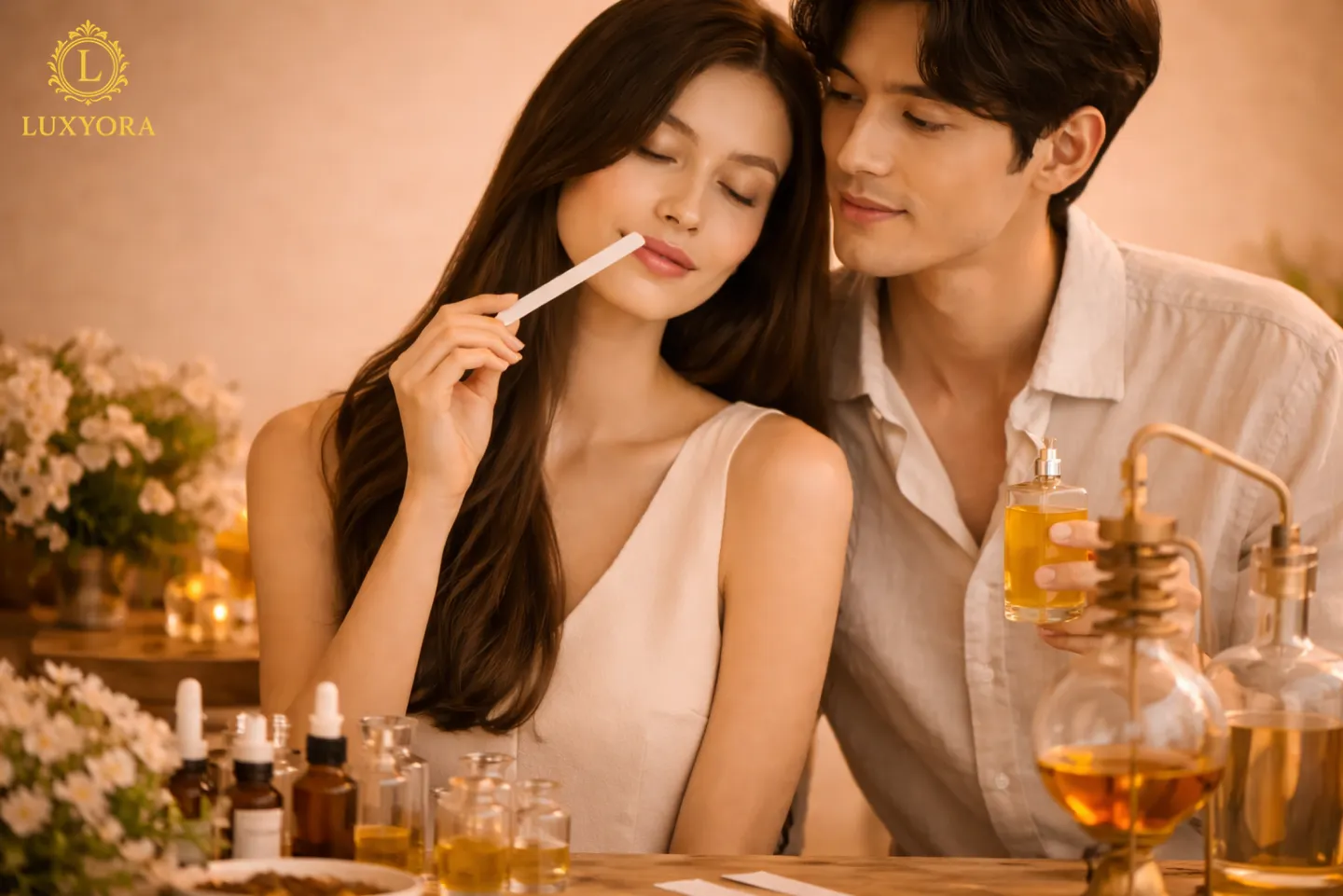
There are plenty of ways to “look like yourself.” Your haircut, your favourite jeans, the particular jewellery you never take off. But scent is different. You don’t see it in the mirror. You feel it like a mood you can wear. And somehow, over time, it stops being “a perfume you own” and starts becoming “the way you smell.”
That’s personal identity in its most elegant form: not a label, not a logo, but a quiet signature that lives close to the skin.
Because scent lives so close to emotion and memory, the perfume you reach for often says less about what you want people to see and more about what you need to feel. Confidence, calm, charisma, comfort, control. Sometimes it’s all of the above just in different concentrations.
Here’s what your fragrance choices can quietly communicate, and why people pick up on it faster than you’d think.
Your brain treats scent like an emotional shortcut
Scent is wired into the parts of the brain that are heavily involved in emotion, memory, and meaning. That’s why a single inhale can do something almost rude in its speed: you’re suddenly back in a specific hallway, hugging a specific person, living a moment you didn’t know you still carried.
Researchers continue to map just how closely olfaction is tied to brain regions involved in memory and emotion, work that helps explain why smell can feel so vivid, so personal, so instantly transporting. The point isn’t just nostalgia; it’s identity. Memory is one of the main ingredients of selfhood, and scent is one of memory’s favourite keys.
Identity begins with repetition: the “signature scent” effect
A signature scent isn’t born the day you buy a bottle. It’s built through repetition.
When you wear the same fragrance across seasons on workdays, on dates, on ordinary afternoons, you’re effectively training your own life to associate that smell with you. Over time, the fragrance becomes stitched into your routines: the scent you wore while negotiating something hard, celebrating something big, or just getting through a long winter. Identity forms in patterns, and fragrance is a pattern you can literally reapply.
That’s also why people remember you by scent. It’s not magic; it’s consistency. A familiar fragrance can act like a shorthand for a whole person: their energy, their presence, their “vibe,” before any conversation even begins.
A fragrance often evolves from something we wear into something that feels inseparable from who we are. Explore why certain scents inspire remarkable loyalty in Perfume Psychology – Why People Stay Loyal to One Fragrance.
Your “self” is social, and scent is part of the introduction
We tend to think of identity as internal, how you see yourself. But identity is also relational: how you move through the world, how others experience you, what you signal without realising you’re signalling.
Humans communicate surprisingly often through smell and scent-related cues, even in modern life. Fragrance sits right on that border between private and public. It’s personal grooming, yes, but it’s also a social choice: how close you want your presence to be, how softly or boldly you want to arrive, how long you want to linger.
Even subtle things communicate:
- A clean, sheer scent can read as polished, approachable, “I’m good in a room.”
- A warm skin scent can read as intimate, calm, and self-possessed.
- A smoky wood or leather can read as confident, dramatic, slightly untouchable.
- A bright floral can read as radiant, romantic, glamorous, someone who is comfortable being noticed.
You’re not locked into one story, of course. But your preferences often cluster around a few emotional themes: comfort, power, freshness, sensuality, restraint, and play. Those themes tend to mirror personality, at least the personality you’re choosing to inhabit that day.
How scent becomes part of personal identity may begin with the quiet messages our favourite fragrances send to the world. Discover what your signature scent could be saying about you in What Your Choice of Fragrance Quietly Communicates About You.
Scent becomes identity because it’s customized by your body
Here’s the unfair little truth of perfume: the bottle is only half the equation.
Skin warmth, oil levels, and the micro-environment of your skin influence how a fragrance develops, what blooms, what stays close, and what turns creamy or sharp. That’s why a perfume can smell elegant and airy on one person and deeper, sweeter, or more musky on another. Your body doesn’t just wear fragrance; it interprets it.
This is one reason scent can feel so intimately tied to identity. Clothing sits on your body. Fragrance merges with it. Over time, people stop thinking “that’s a perfume” and start thinking “that’s you.”
The “scented self” is mood management in a beautiful bottle
Identity isn’t static. It’s a moving target: who you are on a Monday morning versus who you are at midnight, who you are when you want to feel brave versus when you want to feel safe.
Scent is one of the most elegant tools for that kind of emotional styling. Research on olfaction and emotion suggests that odours can influence mood and emotional states, and that emotional context can shape how we perceive odours in turn. In real life, that can look like:
- reaching for citrus and crisp woods when you need clarity,
- choosing vanilla and soft amber when you want comfort,
- wearing incense or leather when you want backbone,
- picking something floral and luminous when you want to feel radiant.
A fragrance wardrobe rather than one forever-scent isn’t indecision. It’s emotional intelligence with taste.
Certain fragrances become so closely associated with us that they feel like an extension of who we are. The reason may lie in the powerful relationship between scent, emotion, and recollection. Explore more in The Science of Scent: How Fragrance Affects Mood and Memory.
Memory turns perfume into a personal archive
The most intimate part of fragrance identity is what happens after you’ve worn it for a while: it becomes a timeline.
Certain scents can cue autobiographical memories with striking intensity, and researchers have explored how odour-linked memories can shape emotional experience and the feeling of “re-living” past moments. That’s why a discontinued perfume can feel like losing a photograph. That’s why people hoard the last inch of a bottle like it’s a love letter. You’re not protecting the liquid, you’re protecting the version of yourself who wore it.
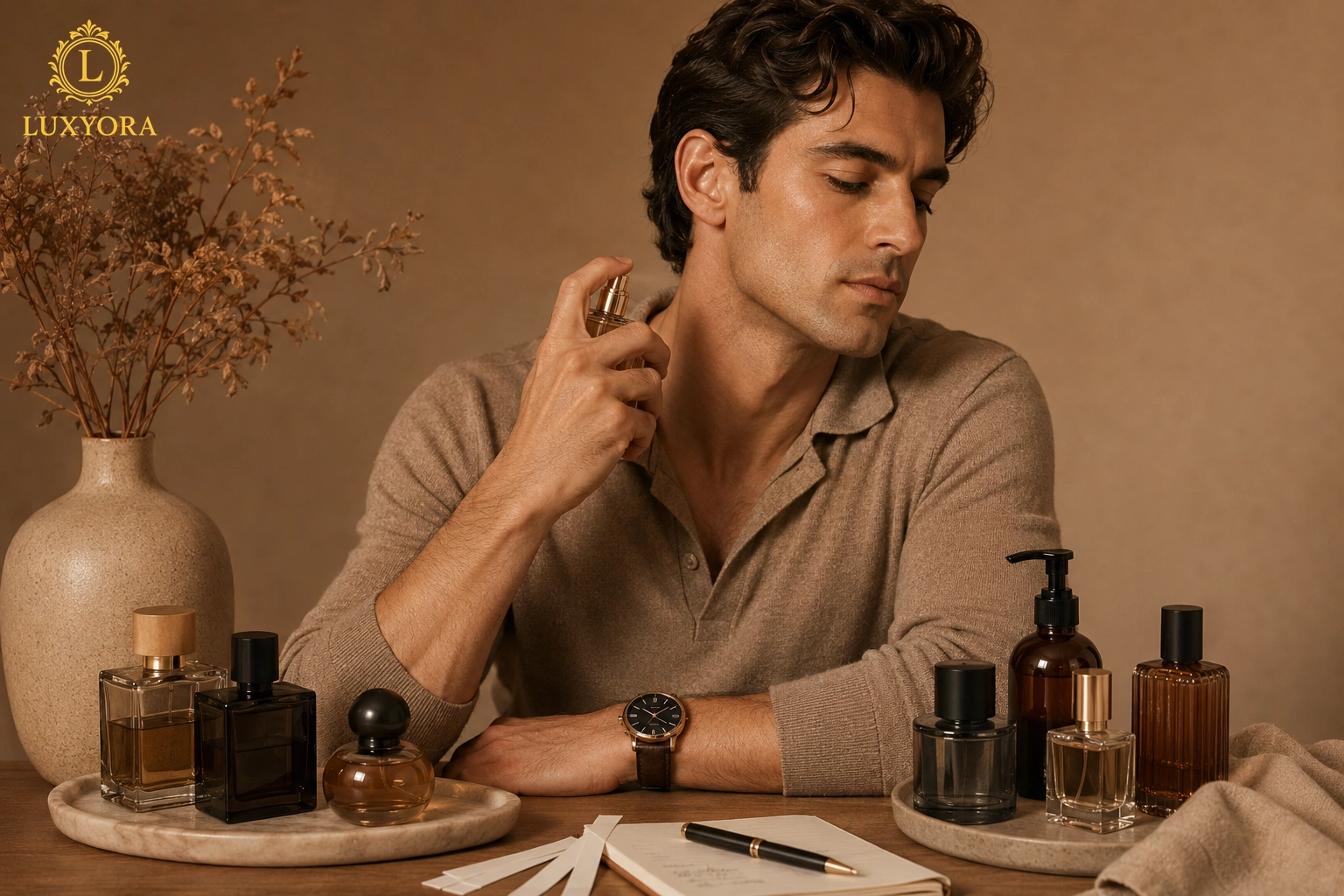
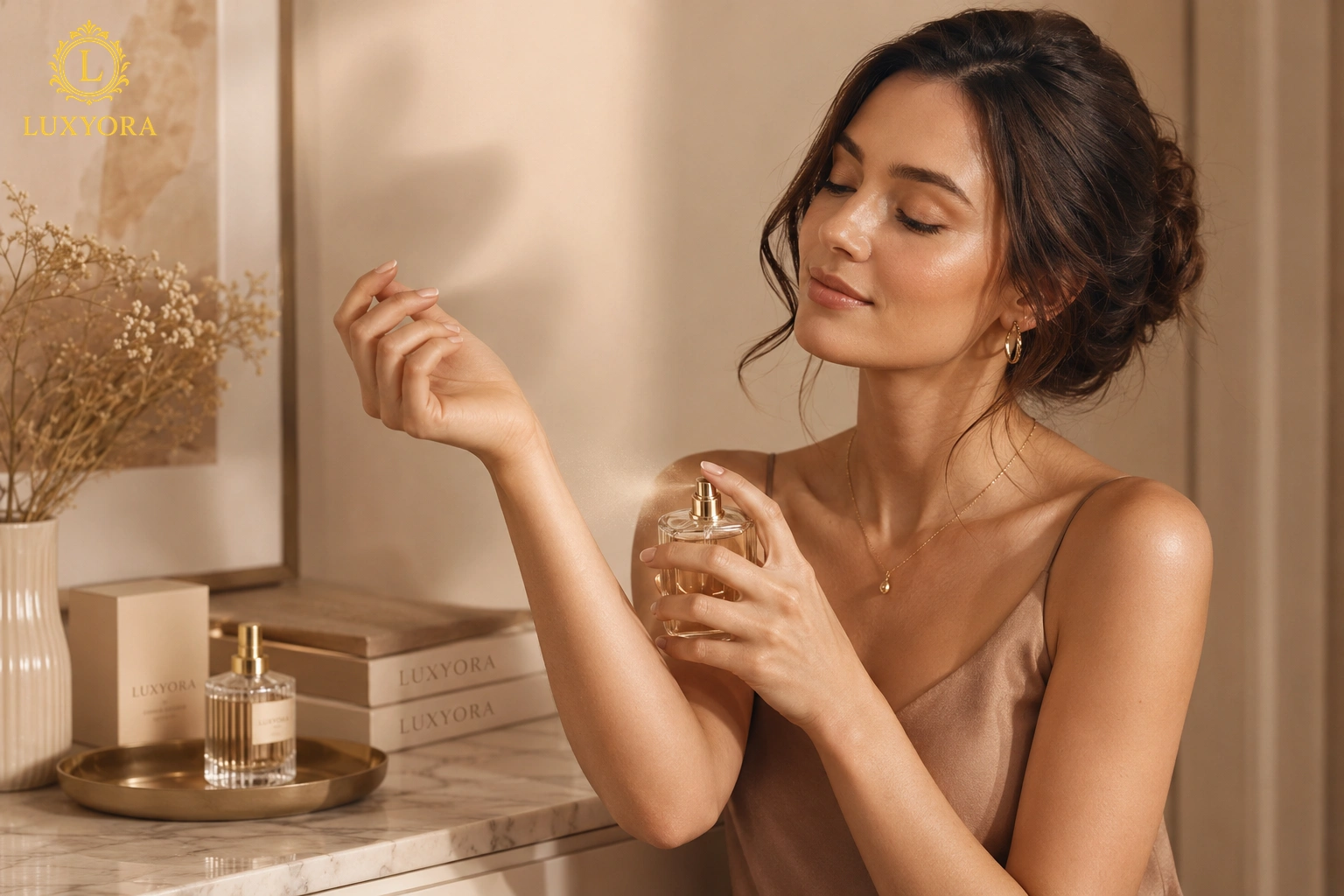
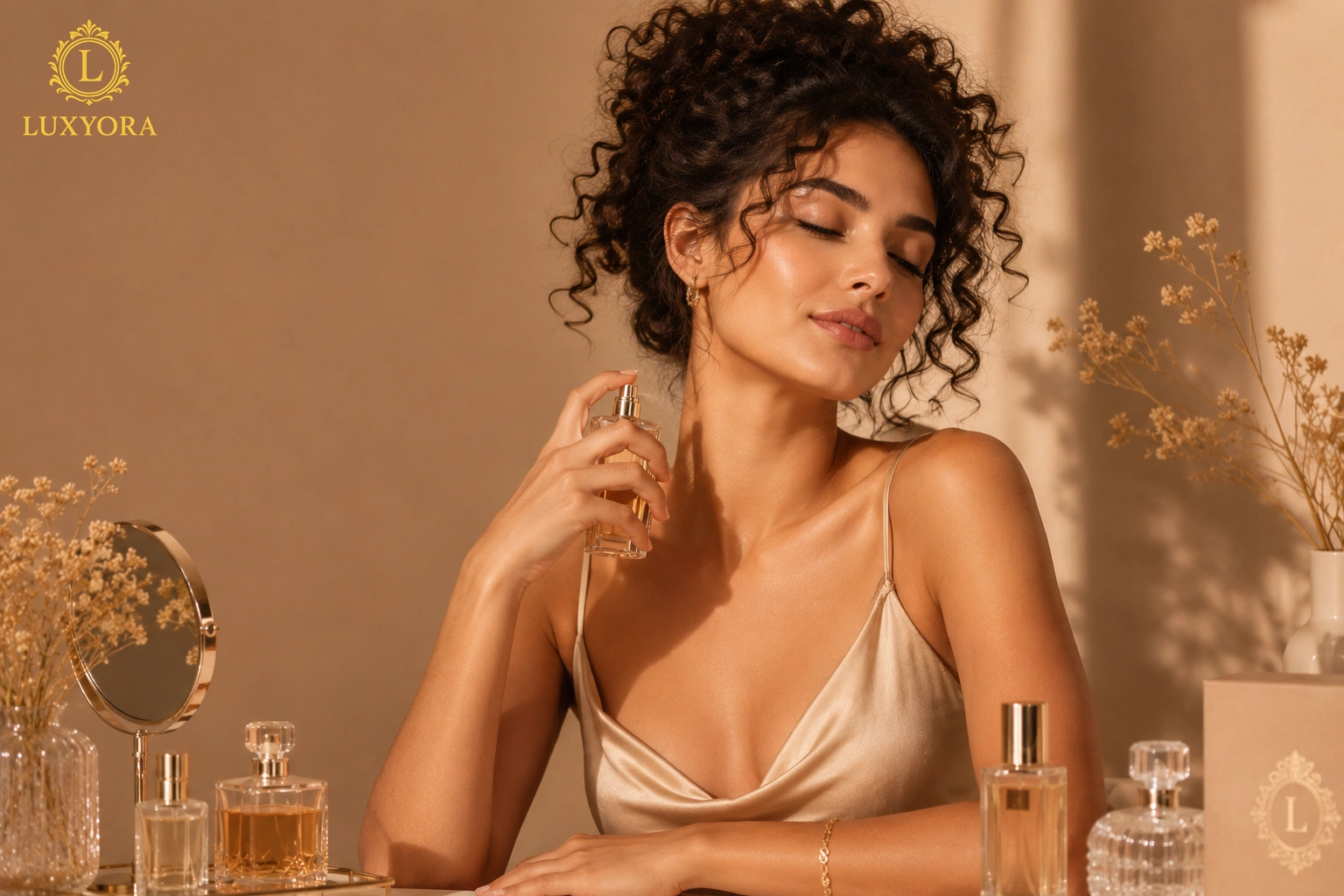
And that’s also why scent rituals matter. Spraying perfume before work, after a shower, before going out, these tiny acts can become identity anchors. They say, “This is who I am right now.” This is how I enter the world.
Scent as personal branding without the cringe
“Personal branding” can sound like a slide deck. But fragrance makes it feel human.
In some cultures, perfume is explicitly part of self-presentation and social identity, intentionally used to communicate taste, values, status, and belonging. Even if you’re not thinking that strategically, fragrance still does something similar: it signals your aesthetic, your intimacy level, your sense of drama (or lack of it), your relationship to tradition and modernity.
The secret is to treat fragrance as self-expression, not self-performance. The best-smelling people aren’t trying to impress everyone. They’re choosing what feels aligned and letting that alignment do the talking.
How scent becomes part of personal identity often begins with finding a fragrance that feels instinctively like you. Discover how certain notes align with different personalities in How to Choose the Right Perfume for Your Personality.
How to make scent part of your identity on purpose
If you want fragrance to feel like “you,” start here:
- Pick a scent that matches your daily reality. Not your fantasy life. Your actual life. (Then get the fantasy scent too, for when you want to visit.)
- Wear it consistently for a month. Let it collect memories. Let it settle into your routines.
- Notice what you crave emotionally. Freshness? Warmth? Edge? Softness? Your cravings are clues.
- Create a small wardrobe. One for day, one for night, one for comfort, one for power. Identity has seasons.
Because scent doesn’t just decorate you, it accompanies you. And whatever accompanies you, repeatedly, becomes part of you.
Luxyora Philosophy: True luxury is an identity you can feel quietly chosen, intimately worn, and unmistakably remembered.
References:
- Blomkvist, A., Hofer, S., & Larsson, M. (2021). Olfactory impairment and close social relationships: A systematic review. Chemical Senses. (OUP Academic)
- Croijmans, I. M., et al. (2021). The role of fragrance and self-esteem in perception of body odors and impressions of others. PLOS ONE. (PLOS)
- Kehl, M. S., et al. (2024). Single-neuron representations of odours in the human brain. Nature. (Nature)
- Khair, N., Elhajjar, S., & Hamzeh, Z. (2024). Personal branding through perfume in the Middle East: Investigating the role of fragrance in self-presentation, impression management, and cultural identity. Fashion Theory: The Journal of Dress, Body & Culture. (ResearchGate)
- Kontaris, I., & East, B. S. (2020). Behavioral and neurobiological convergence of odor-evoked emotion and emotion-driven olfactory perception. Frontiers in Behavioral Neuroscience. (Frontiers)
- Masaoka, Y., et al. (2021). Odors associated with autobiographical memory induce implicit emotion and reward-related responses. Frontiers in Neuroscience. (Frontiers)
- Roberts, S. C., et al. (2020). Human olfactory communication: Current challenges and future prospects. Philosophical Transactions of the Royal Society B: Biological Sciences. (PMC)
- Schlintl, C., Zorjan, S., & Schienle, A. (2022). Olfactory imagery as a retrieval method for autobiographical memories: Effects of sensory modality and emotion. Psychological Research. (PMC)
- Spence, C. (2021). The scent of attraction and the smell of success: Crossmodal influences on person perception. Cognitive Research: Principles and Implications. (Springer)
- Yamamoto, K., et al. (2022). Development of the function of autobiographical memories evoked by odor scale (FAMOS) for older adults. Frontiers in Psychology. (Frontiers)
- Nez Éditions. (2020). The Big Book of Perfume: For an Olfactory Culture (J. Doré, Ed.). Nez Éditions. (Nez Éditions)
- Dhingra, D. (2023). The Perfume Project: Journeys Through Indian Fragrance. Westland Publications. (Goodreads)