How Jewellery Instantly Signals Status Without Words | Luxyora
Jewellery is the most elegant shortcut in the social world. Before you say hello, before you sit down, before anyone knows your job title or your story, a watch glints, a ring catches the light, a necklace sits with that unmistakable weight, and the room “reads” you. Not in a cruel way (usually), but in the way humans have always read each other: through signals.
And jewellery is a signal system with very high resolution. It communicates money, yes, but it also communicates taste, access, confidence, and cultural fluency. It can say “old money,” “new success,” “family legacy,” “collector,” “I know what I’m doing,” or “I arrived.” The fascinating part is how quickly it works and how little it needs help from words.
Here’s why jewellery signals status so instantly, and what the world is actually noticing.
1) It’s a visibility cue that lives at eye level
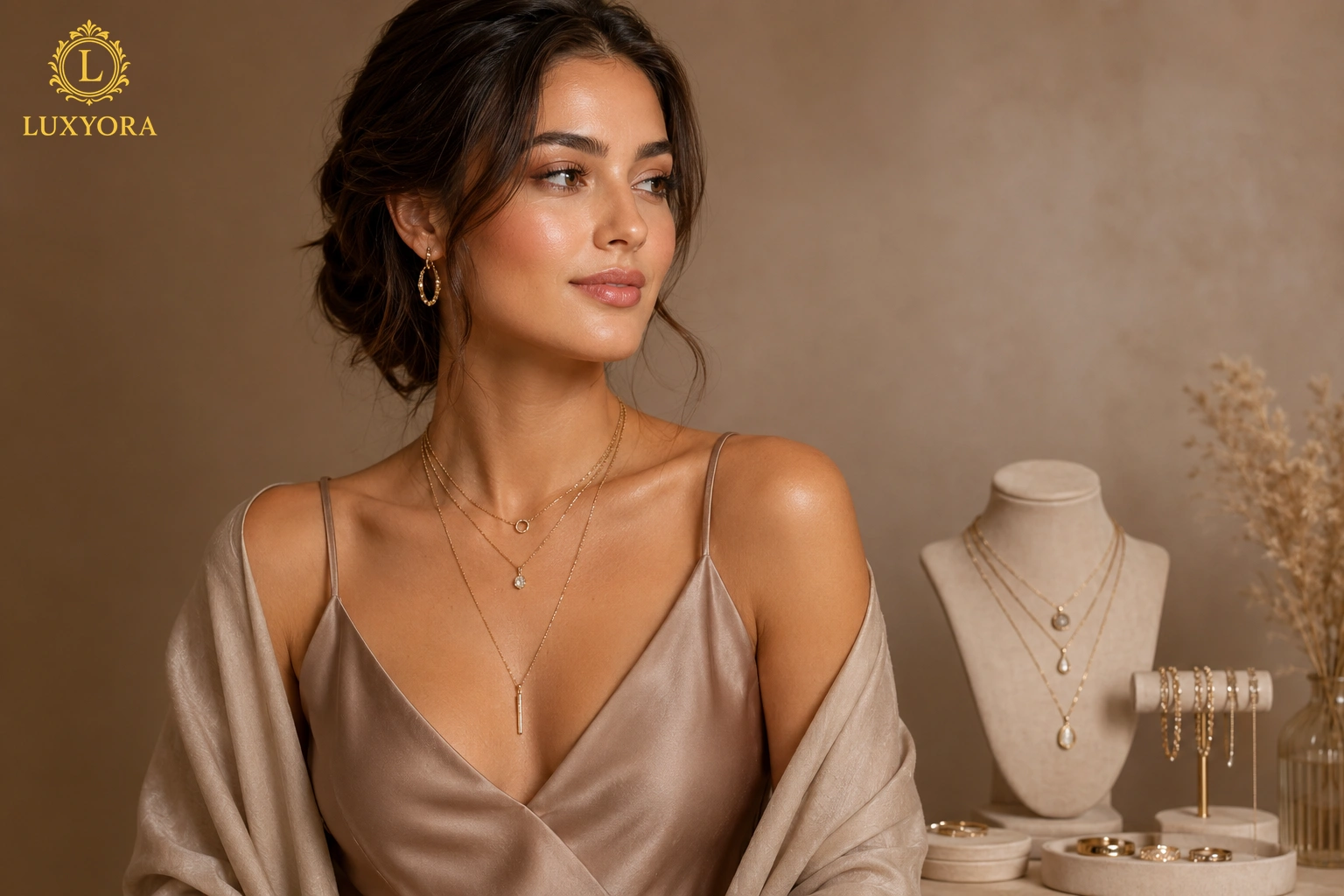
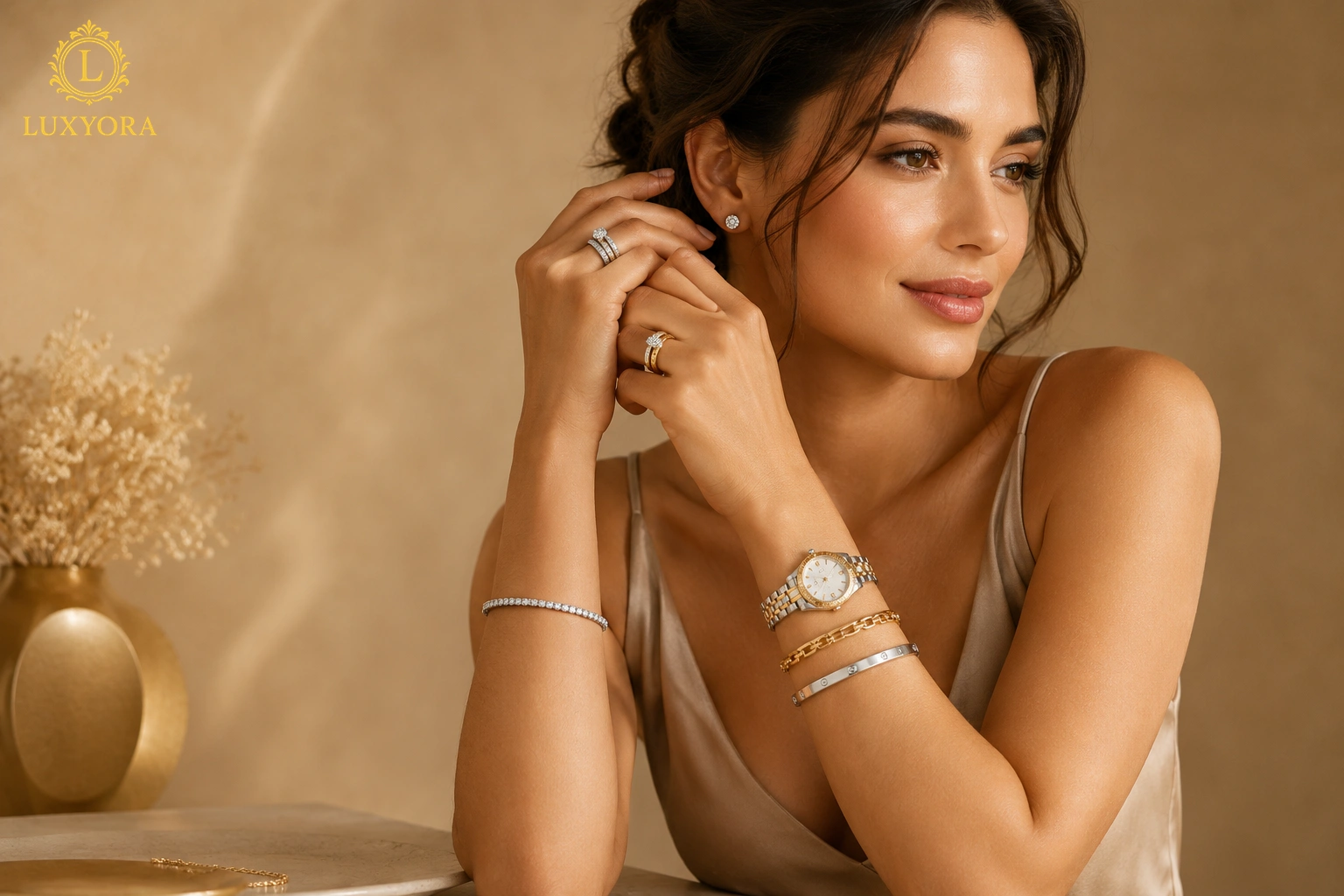
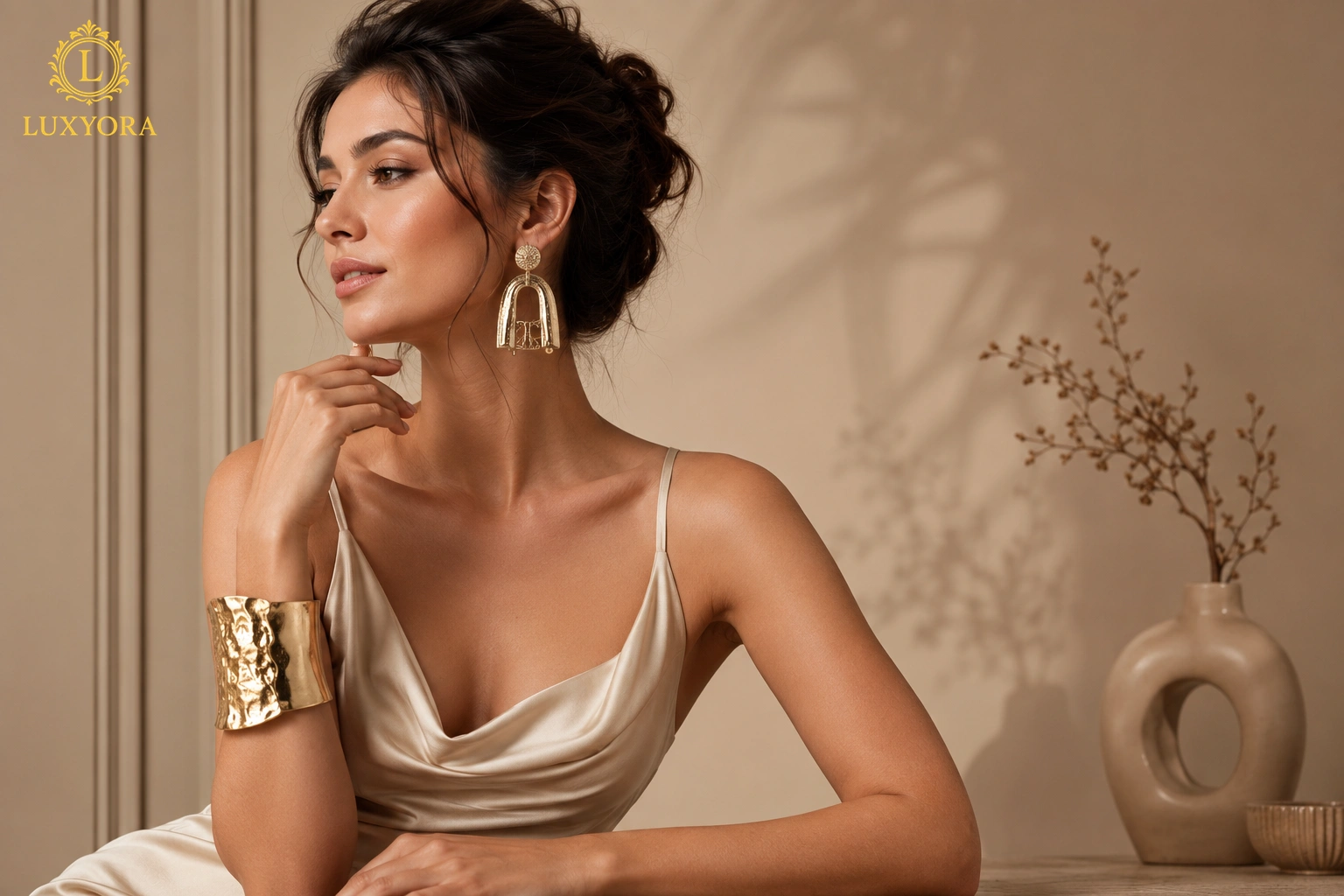
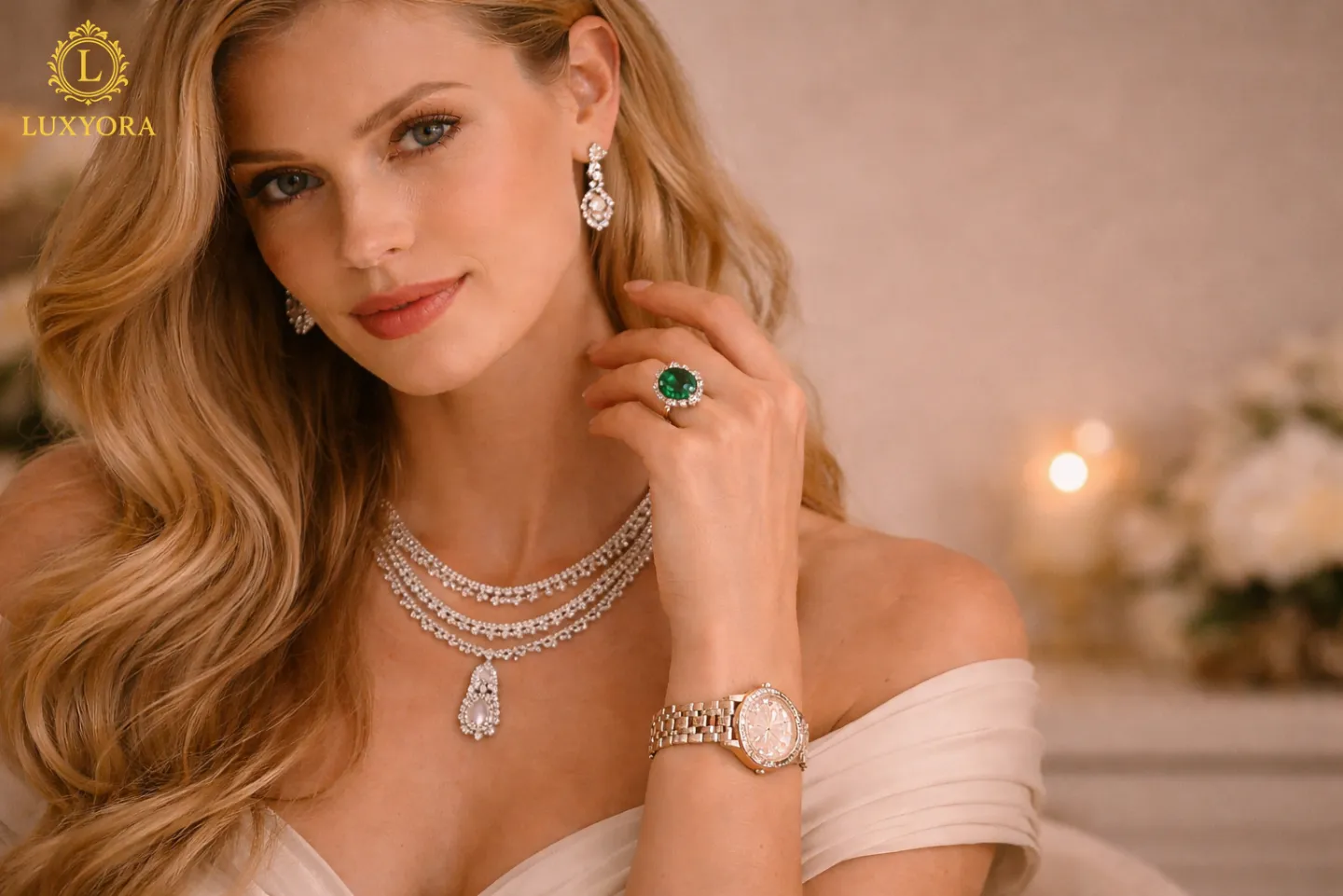
Jewellery sits in the most socially active zones of the body: hands, wrists, ears, and neckline, places people naturally glance during conversation. A ring appears when you gesture. Earrings flash when you turn your head. A bracelet moves when you lift a glass. These are “micro-billboards” built into human interaction.
Unlike clothes, which can blur into the background, jewellery behaves like punctuation. It politely but firmly interrupts the visual field. That interruption is exactly what makes it such an effective status marker.
2) Scarcity reads as authority
Status is often the ability to access what others can’t easily access. Jewellery does this beautifully because it’s tied to scarcity in multiple ways:
- Material scarcity: precious metals and high-quality stones are limited resources.
- Quality scarcity: exceptional gems are dramatically rarer than average ones.
- Design scarcity: iconic pieces, limited editions, discontinued motifs, and certain eras of craftsmanship create collector demand.
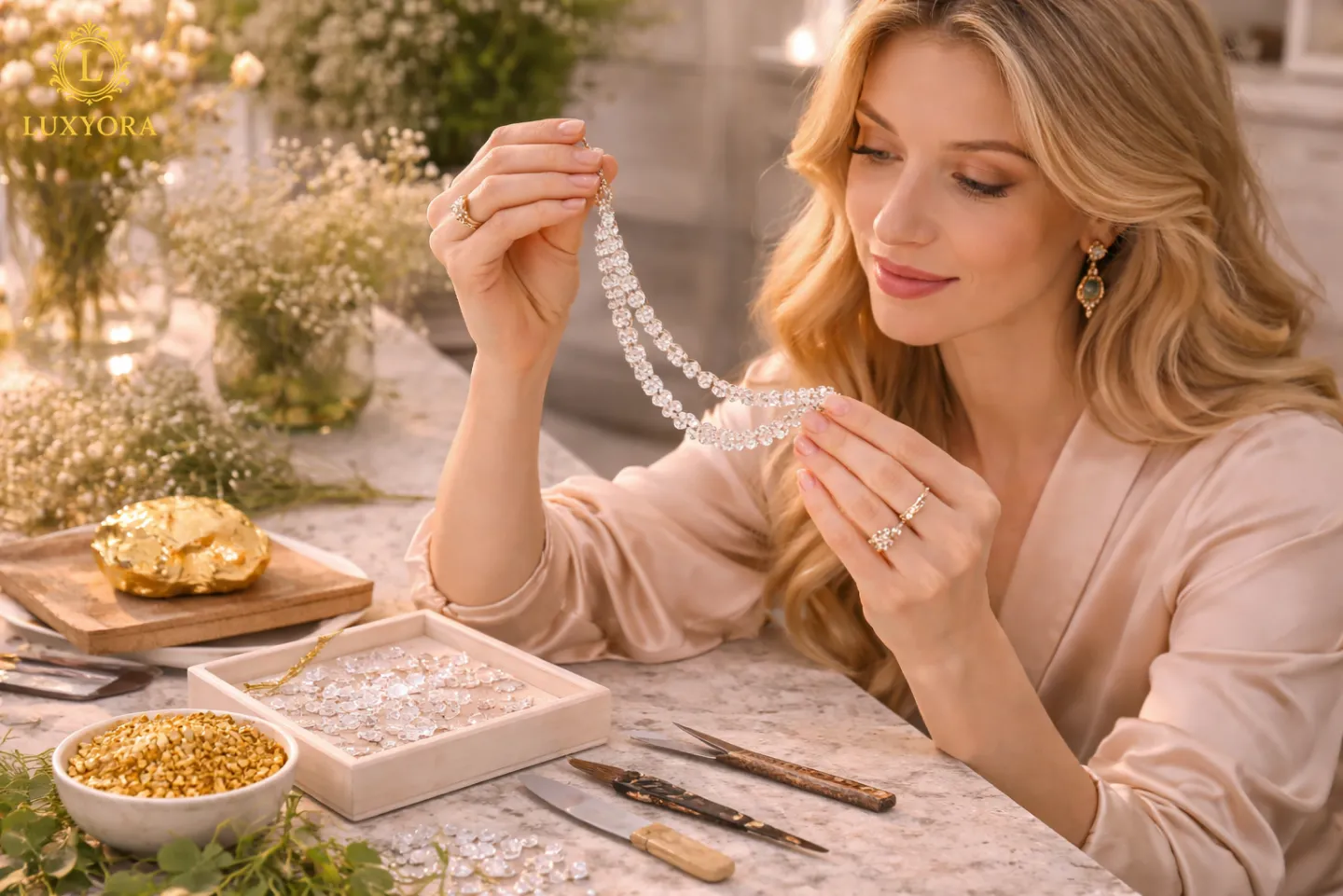
Even someone who knows nothing about gemstones can sense when something looks rare. The brain doesn’t need a lab report to recognize “unusual,” “precise,” “high effort,” or “expensive.” It just needs cues: color saturation, crisp setting, intense sparkle, proportion, and presence.
Jewellery speaks long before a conversation begins, and the gemstones you choose may reveal far more than refined taste. Discover their hidden meanings in The Meaning Behind Every Gemstone: What Your Jewellery Says About You.
3) Craftsmanship signals “insider money,” not just money
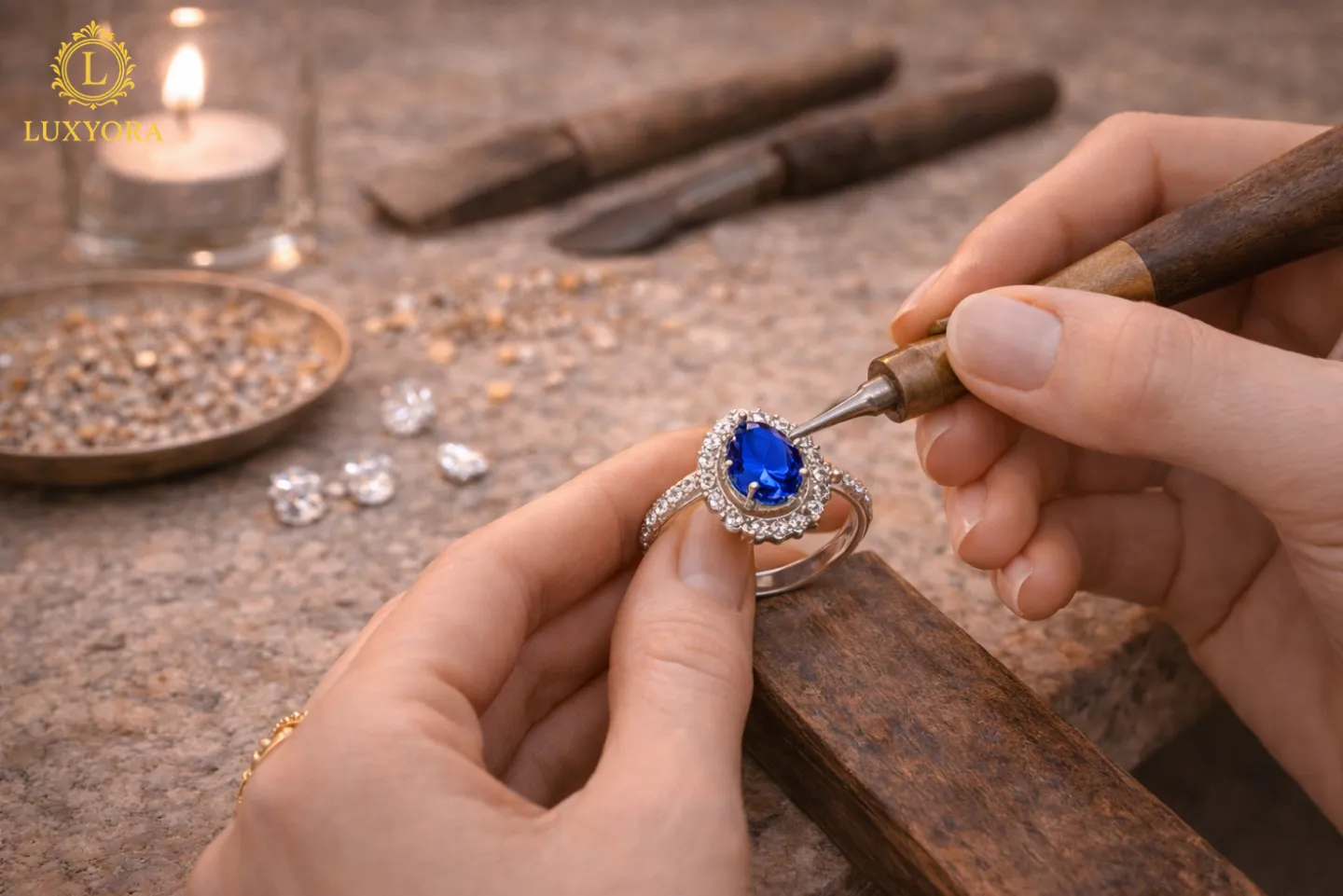
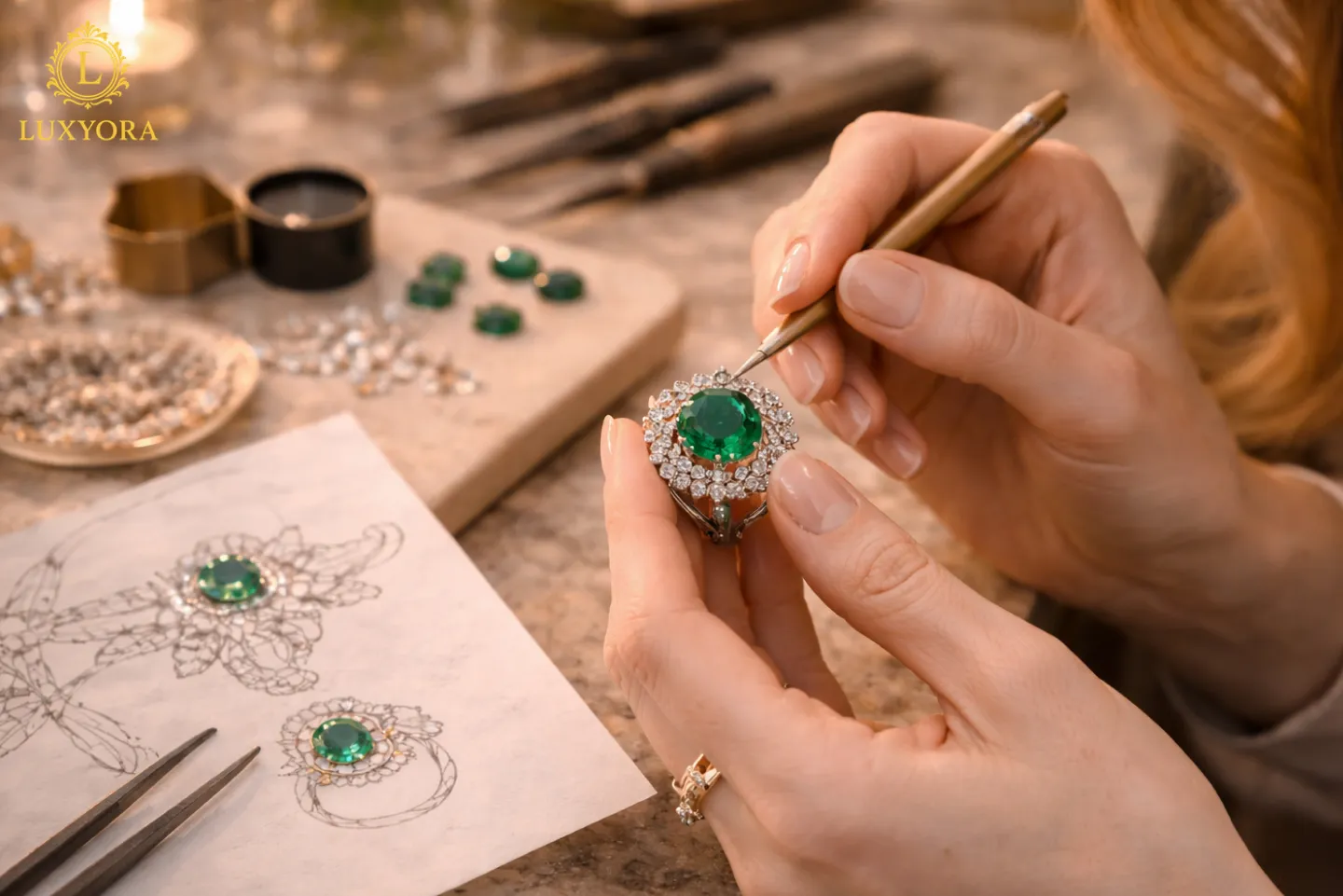
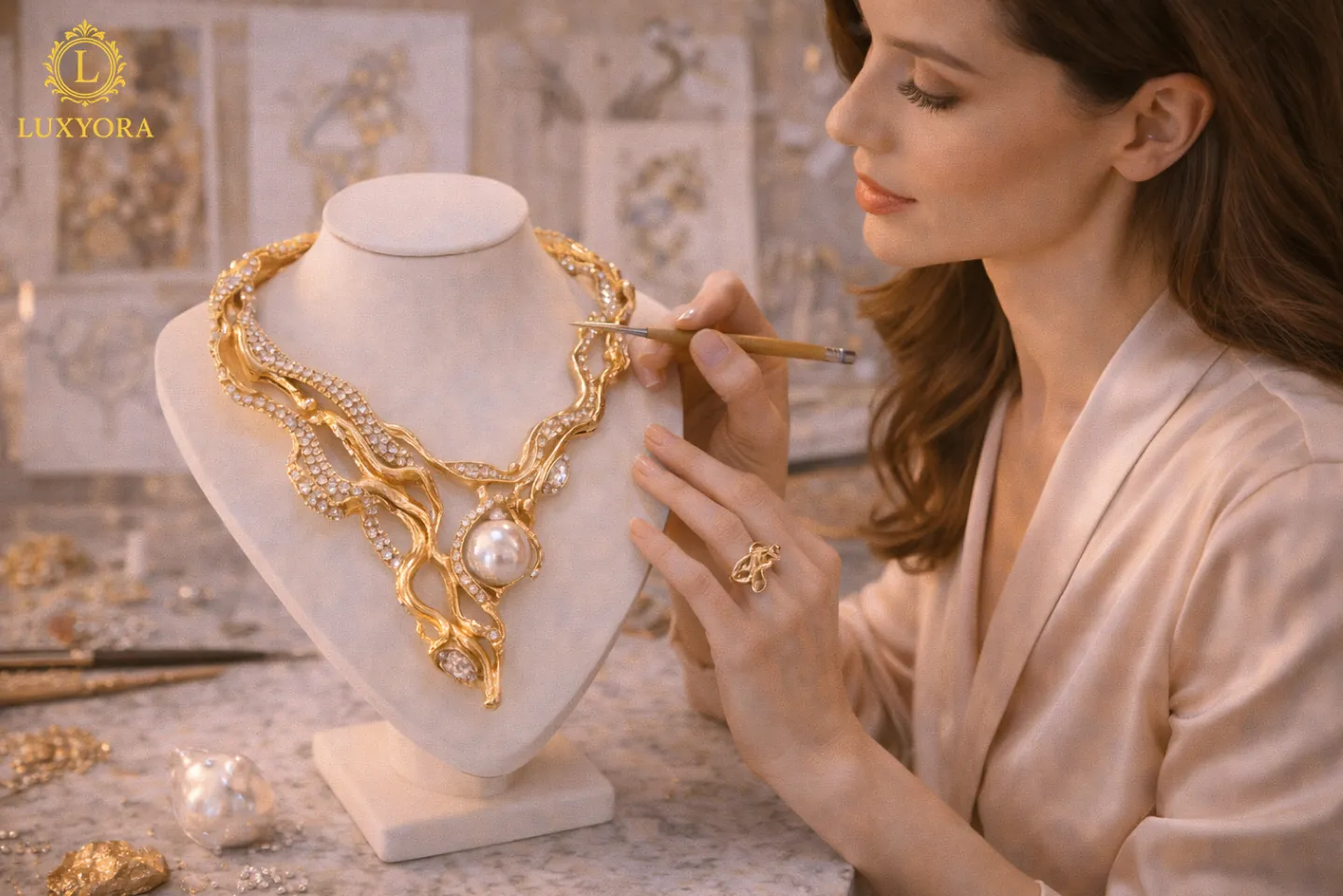
There’s a difference between wearing something expensive and wearing something well-made. The second one tends to read as higher status, because it implies discernment.
Craftsmanship shows up in details that most people register subconsciously:
- smooth finishing and clean edges
- prongs that look intentional, not bulky
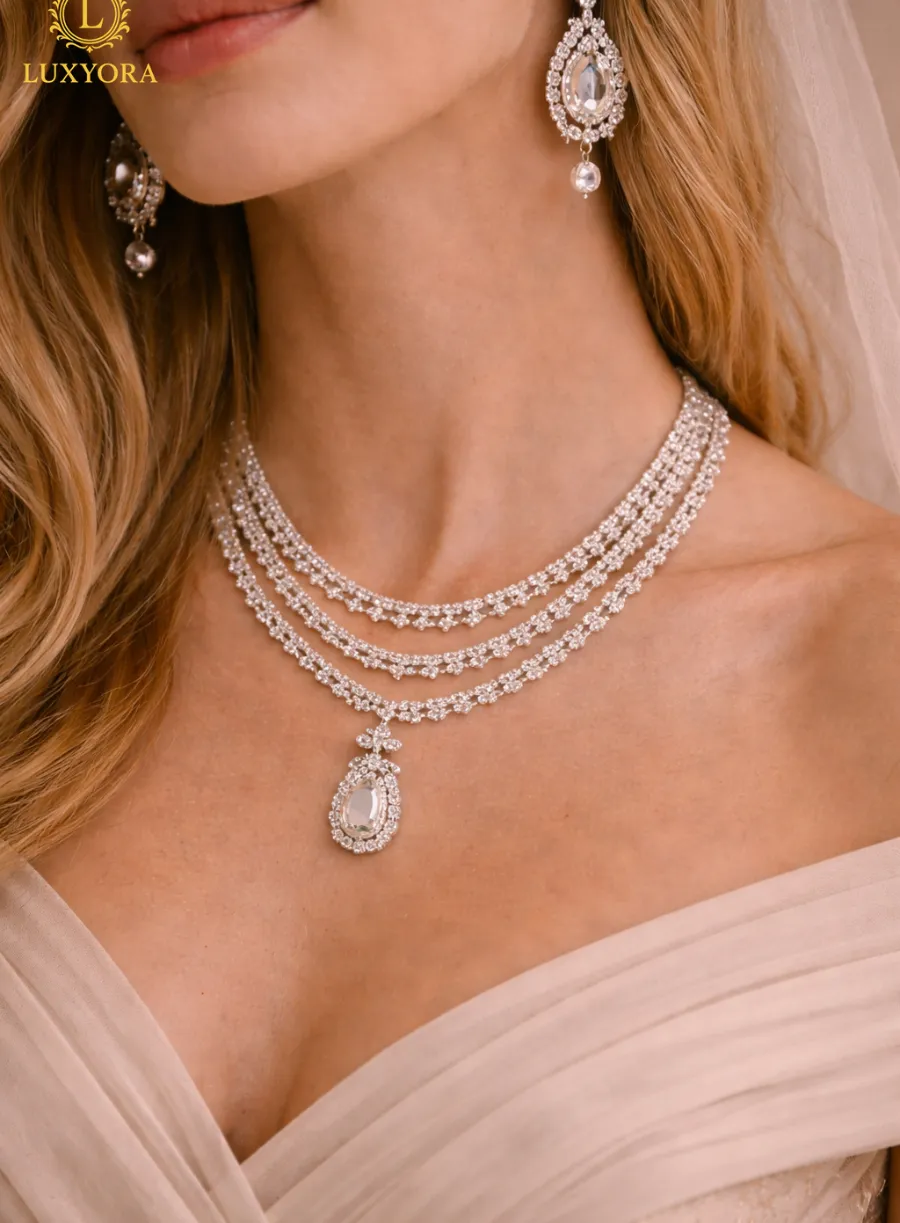
- pavé that sits evenly like a perfect surface
- settings that feel balanced and protective
- pieces that hold structure instead of twisting, bending, or looking flimsy
This is where jewellery becomes a form of “quiet authority.” It doesn’t shout with size. It whispers with precision, and precision is a power move.
4) Brand codes are modern insignia
Certain jewellery houses have built design languages that function like social shorthand. A motif, a setting style, a clasp shape, some are recognizable from across a table. In modern luxury, recognizability creates a special kind of status because it combines two messages at once:
- “I can afford this.”
- “I belong in the world that knows what this is.”
That second message matters. Luxury status isn’t only about spending power; it’s also about cultural fluency. Wearing a piece that signals “insider taste” can read as more elevated than wearing something that looks expensive.
Resale data adds another layer here: certain house pieces hold value unusually well, which reinforces their “blue-chip” aura in the public imagination. When the market repeatedly validates a design, it becomes even more powerful as a status signal.
5) Jewellery is a form of cultural capital
Status isn’t just wealth; it’s how you navigate symbols. Jewellery has always been tied to identity and hierarchy across cultures, from ceremonial regalia to everyday heirlooms. That history still influences how we interpret adornment now.
A signet ring, a heritage locket, and a traditional gold chain worn in a specific way can signal lineage, community, and continuity. It’s not “trend”; it’s belonging. And belonging, when it’s exclusive or deeply rooted, reads as status.
This is also why heirlooms have such presence. Even when the market value isn’t obvious, the meaning is. People can sense when a piece has history, and history is a status marker that money can’t always replicate quickly.
A treasured family jewel can communicate refinement, heritage, and individuality in a way few contemporary pieces can. Explore Heirloom Jewellery: Turning Family Treasures into Modern Statements.
6) The “wearability” factor separates costume glamour from real power
High-status jewellery usually looks like it can live a life of its own. It doesn’t appear fragile, overly fussy, or try-hard. It looks integrated, like the wearer isn’t borrowing the identity; they own it.
This is why understated classics often out-signal flashy pieces:
- diamond studs
- a single clean tennis bracelet
- a well-proportioned solitaire
- a substantial gold chain
- a timeless watch
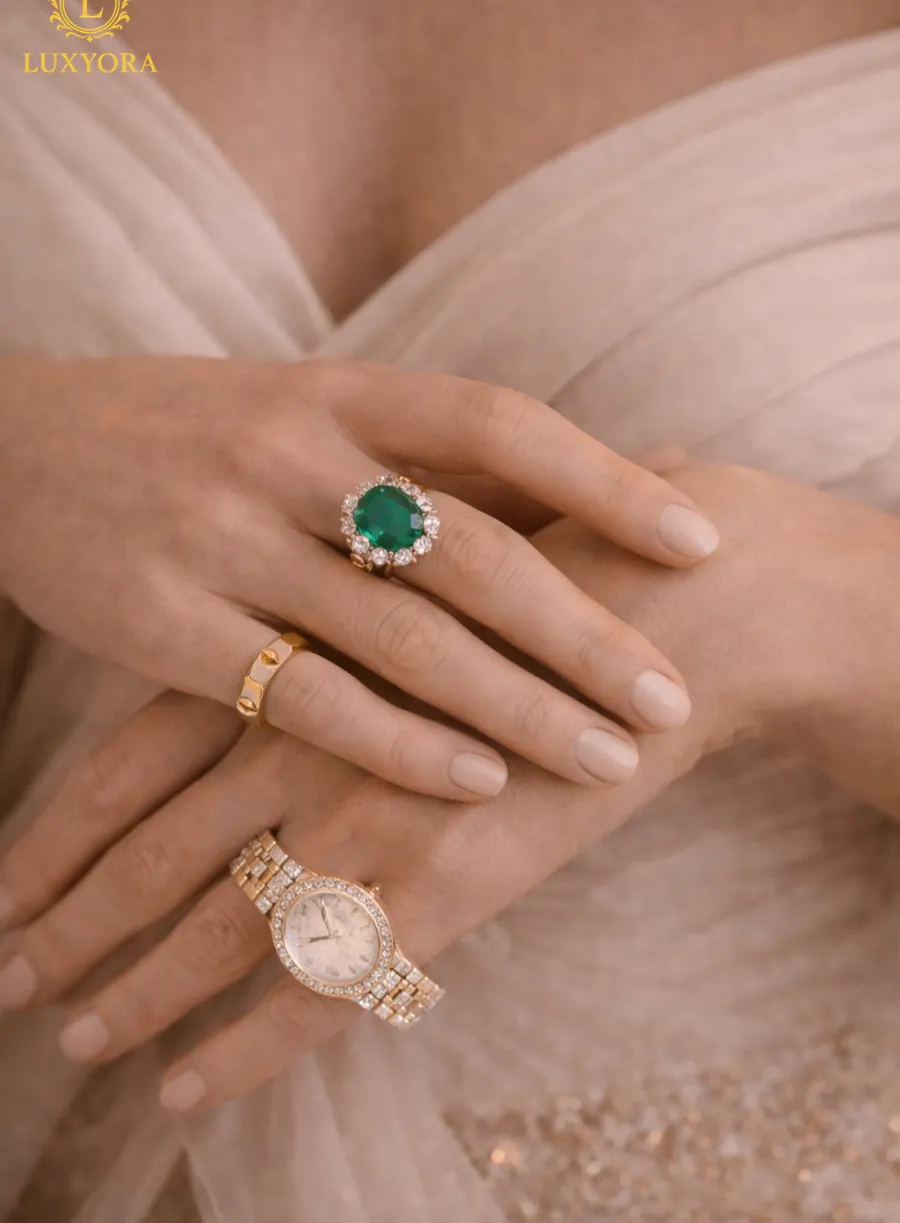
- a simple but unmistakably fine ring stack
These pieces convey that the wearer’s relationship with luxury is stable. And stability is a status language all its own.
7) Context changes the meaning, but not the impact
Jewellery can signal status differently depending on where you are.
- In a boardroom, one exceptional watch or a discreet house bracelet can read as power and control.
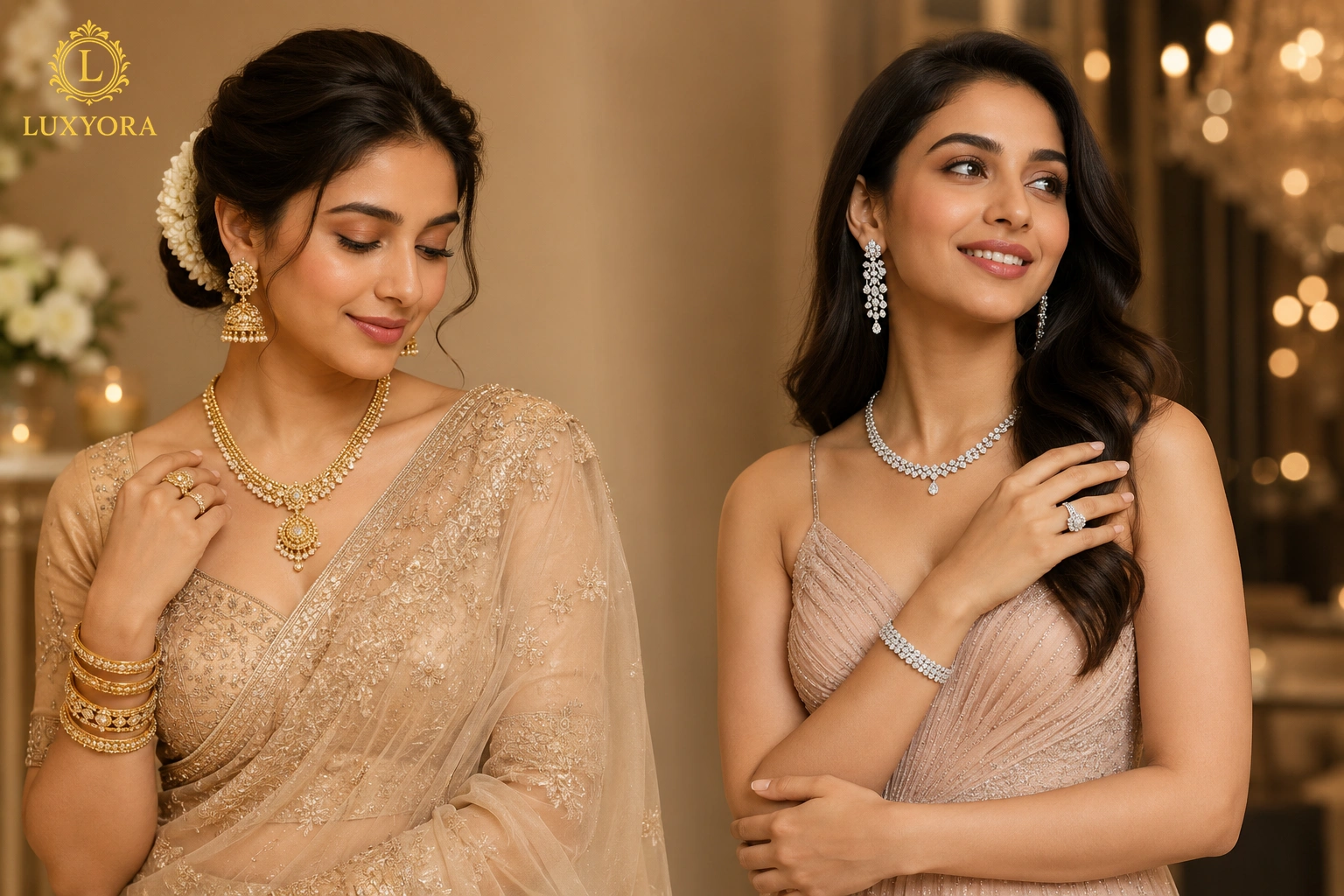
- At a wedding, elaborate sets can read as family wealth, tradition, and celebration.
- In a creative space, unusual stones, vintage pieces, or designer art jewellery can signal taste leadership.
The common thread: jewellery signals status when it looks intentional. It’s not just what you wear, it’s how well the piece matches the moment.
8) The most powerful jewellery signals “I don’t need to explain myself”
This is the secret heartbeat of status: ease.
Jewellery doesn’t need a logo on the chest. It doesn’t need a long story. It sits there quietly, gleaming and confident, and lets people draw their own conclusions. That’s why it’s such a timeless status tool. It works with a whisper, because the object is doing the talking.
And perhaps that’s why jewellery will always be the ultimate nonverbal flex: it turns value into something you can wear, and taste into something you can see without ever raising your voice.
Luxyora Philosophy: Status fades when it tries too hard; it lasts when it feels effortless. Choose jewellery that carries quiet confidence, and your presence will speak before you do.
References:
- El-Shayeb, M., & El-Deeb, S. (2024). Developing luxury jewellery consumption scale: Integrating dual process theory and theory of consumption. Business Systems Research Journal.(References)
- Holcomb, M. (Ed.). (2018). Jewelry: The body transf8
- ormed. The Metropolitan Museum of Art.(References)
- Rebag. (2024). The 2024 Clair report: The value of watches & jewelry (Report). Rebag.(References)
- Wang, Y., & Griskevicius, V. (2022). A conceptual framework of contemporary luxury consumption. International Journal of Research in Marketing, 39(4), 1011–1034. (References)
- Walczak, A., et al. (2025). Exploring socio-cultural expressions of interactive jewellery. Proceedings of the ACM on Human-Computer Interaction. (References)