Why Handbags Dominate the Accessories Market | Luxyora
Stroll through any shopping district from the polished avenues of Paris to the bustling boulevards of Tokyo, and you’ll notice something unmistakable: handbags hold the spotlight. They aren’t just accessories; they are cultural touchstones, investment pieces, and style anchors that often overshadow watches, jewelry, belts, and sunglasses in sheer market vitality. But why exactly do handbags command such dominance in the accessories universe?
The answer lies at the intersection of practicality, emotion, economics, symbolism, and fashion psychology. Handbags don’t just complement an outfit, they define it.
More Than a Carryall: Why Function Matters
At their origin, handbags served a basic purpose: to carry belongings. Today, functionality is still central to their appeal. A well-designed bag harmonizes form and utility; it fits your phone, wallet, keys, lipstick, ambitions, and occasionally your lunch.
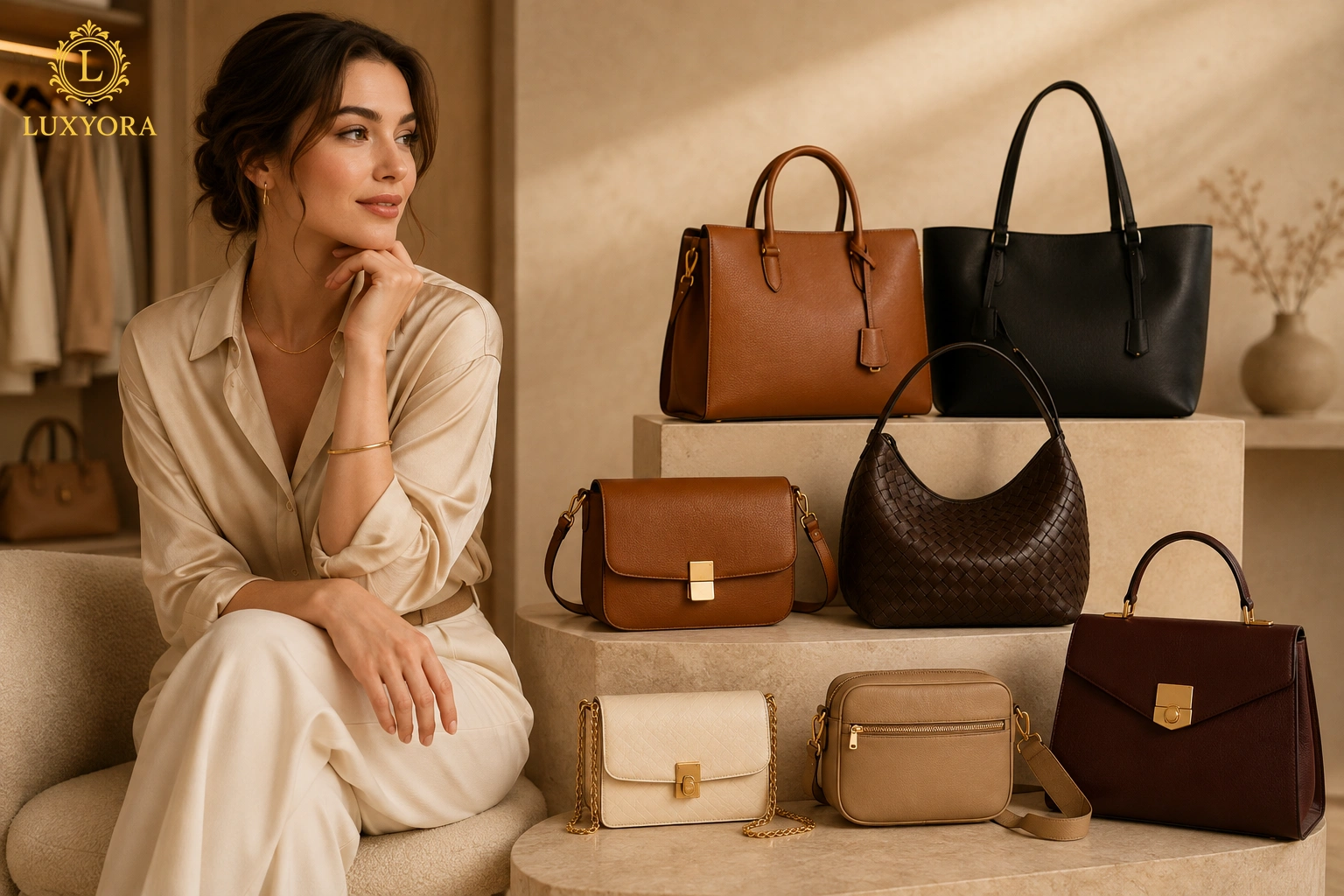
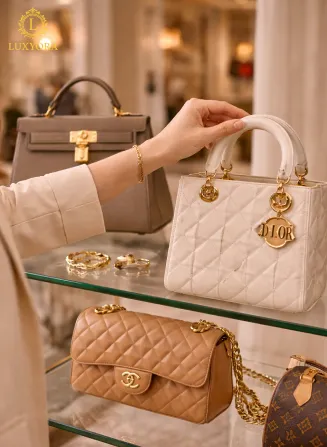
Handbags are inherently adaptable. They can be structured or slouchy, oversized or mini, tote or clutch, each tailored to its context. This diversity of function means handbags serve every type of moment in life, from work to travel to red-carpet glamour.
This functional flexibility gives handbags a commercial edge over other accessories that are more situational. A necklace or a pair of earrings complements an outfit; a handbag carries your day.
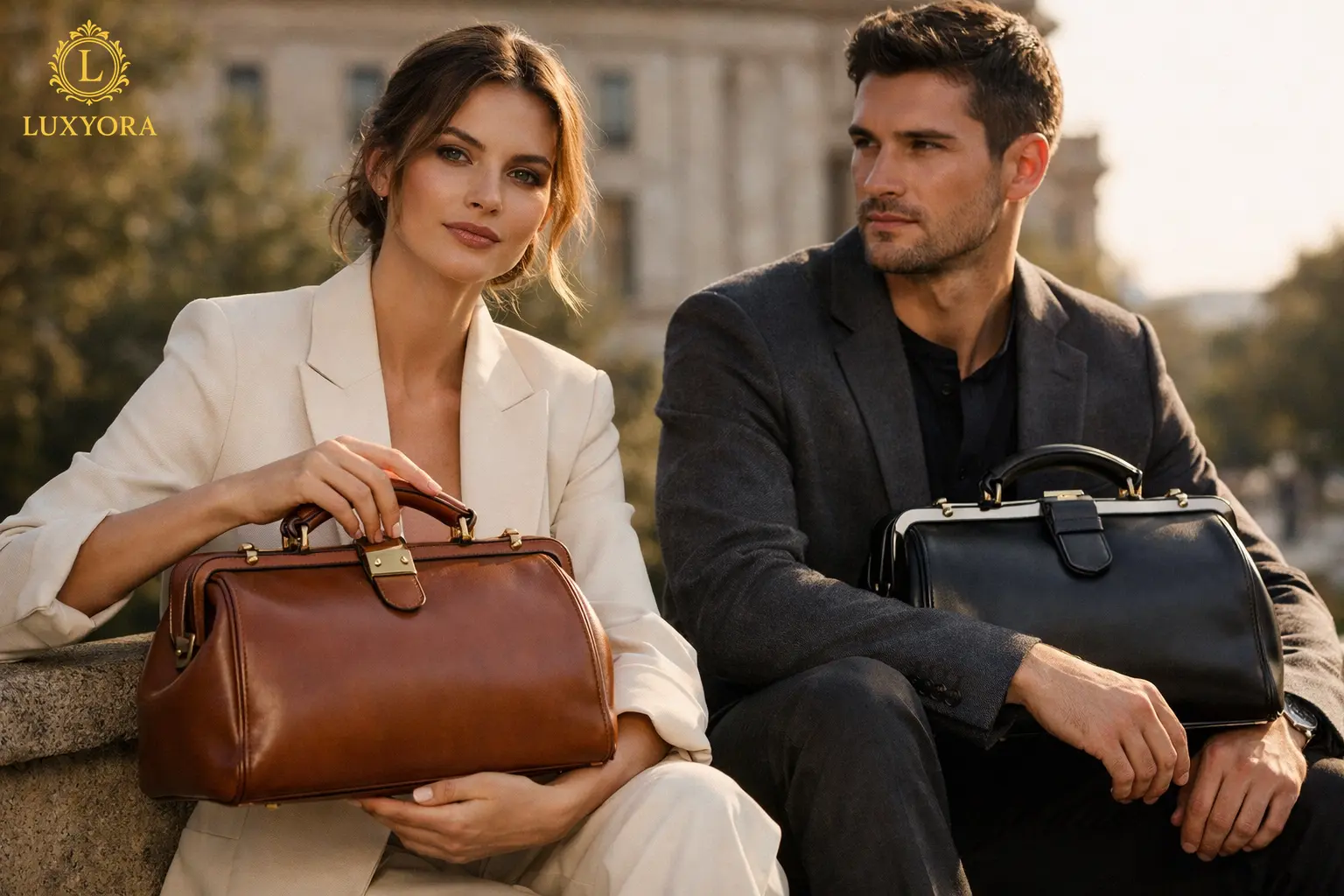
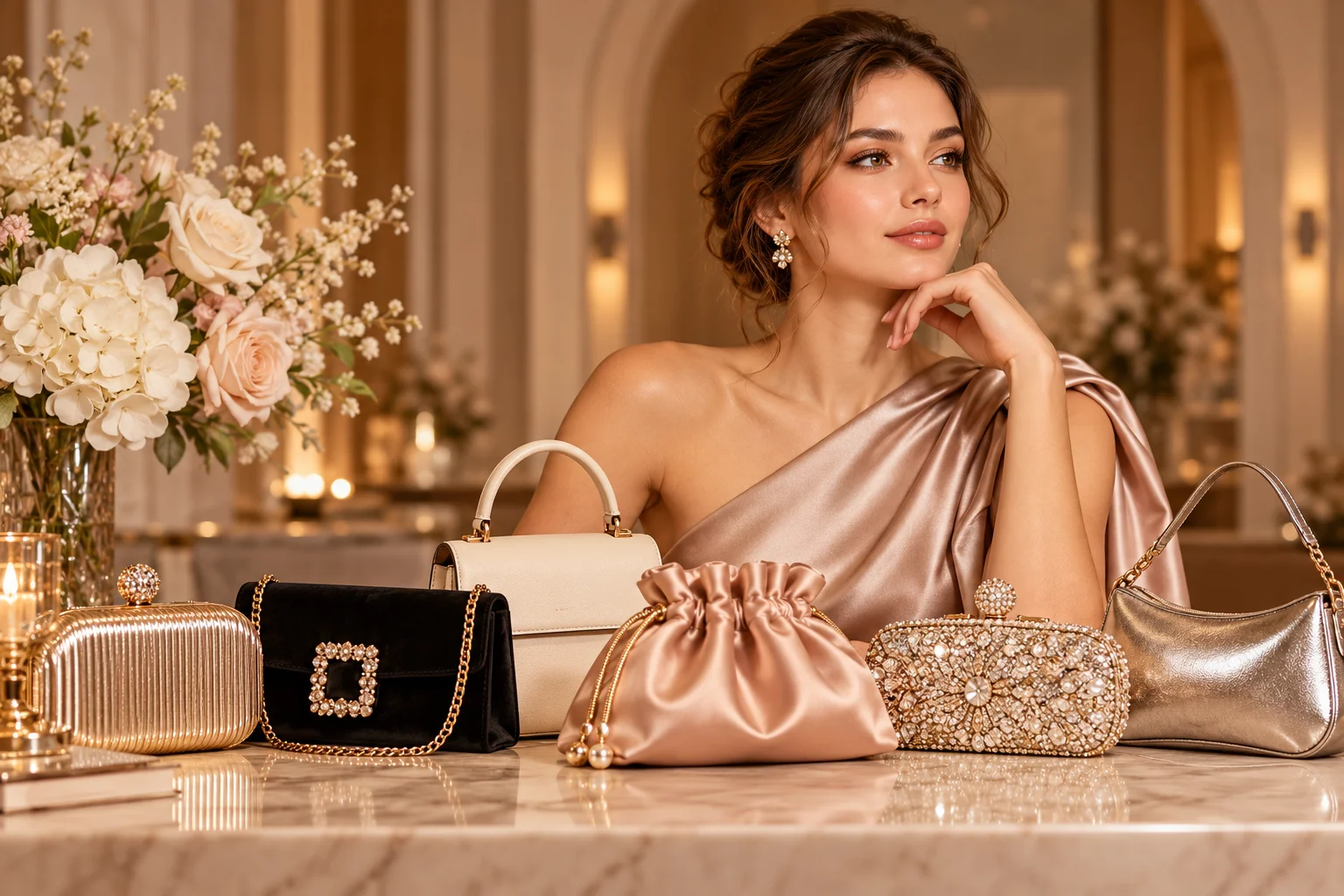
From elegant evenings to busy weekdays, every occasion deserves a handbag designed to match the moment. Discover the perfect pairings in From Clutch to Tote: A Guide to Different Handbag Styles.
The Emotional Pull: Identity and Self-Expression
Accessories often tap into identity signaling, but handbags take it to an emotional dimension. They are among the first things people notice about a style silhouette, and they communicate information without a word.
Is your bag structured and minimalist? You might be signaling professionalism and control. A soft, tactile hobo bag? Perhaps creativity and ease. A bold, brightly colored micro-bag? Score points for playfulness and trend awareness.
Psychologists describe this as self-extension, the idea that possessions express aspects of our personality. Because handbags touch our daily routines and live close to the body, they become extensions of who we want to be seen as.
Cultural Symbolism and Aspirational Value
Handbags carry cultural narratives. Some designs become iconic because they tell a story, reflect a heritage house’s architectural shape, nod to a creative director’s vision, or immortalize a silhouette through celebrity use.
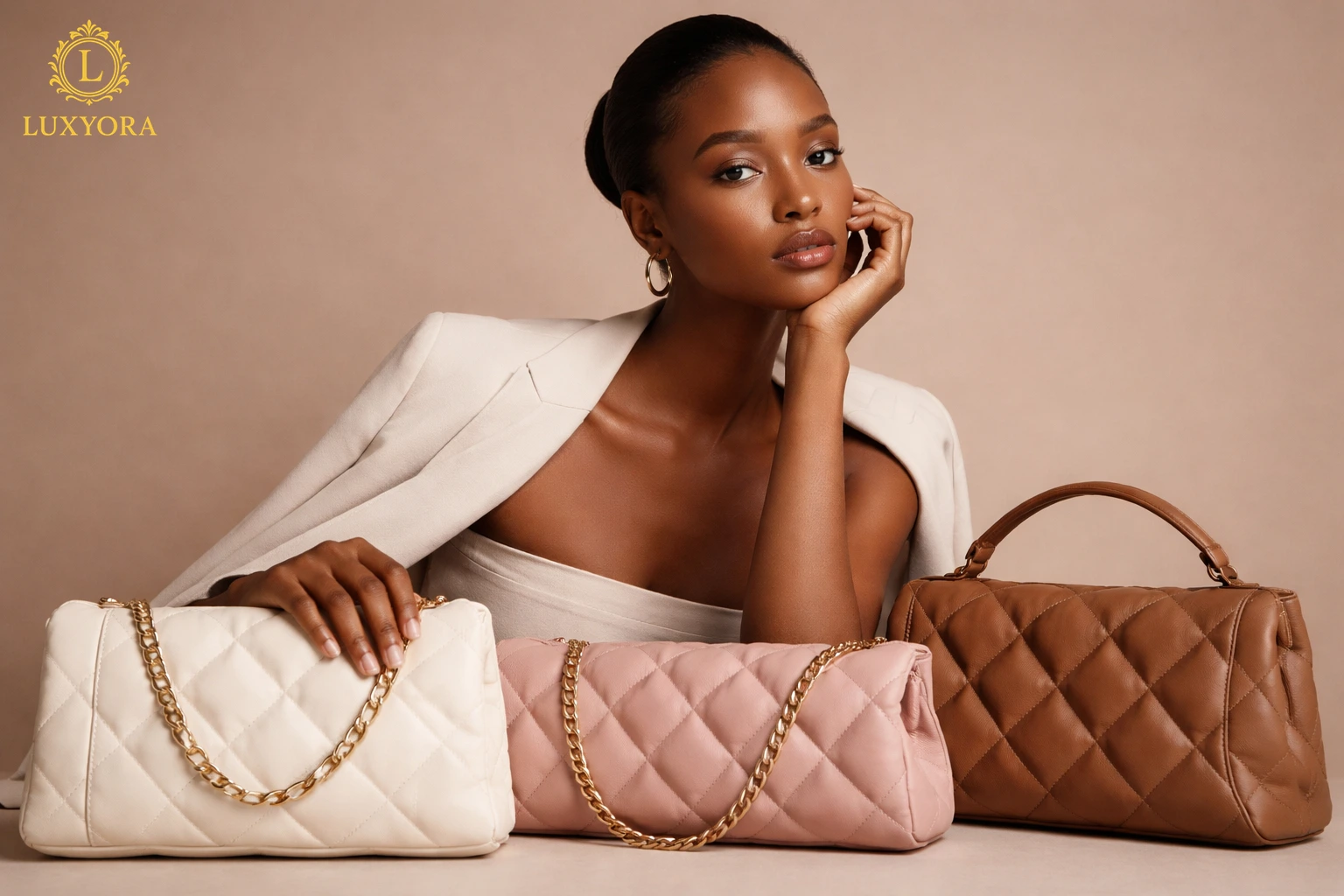
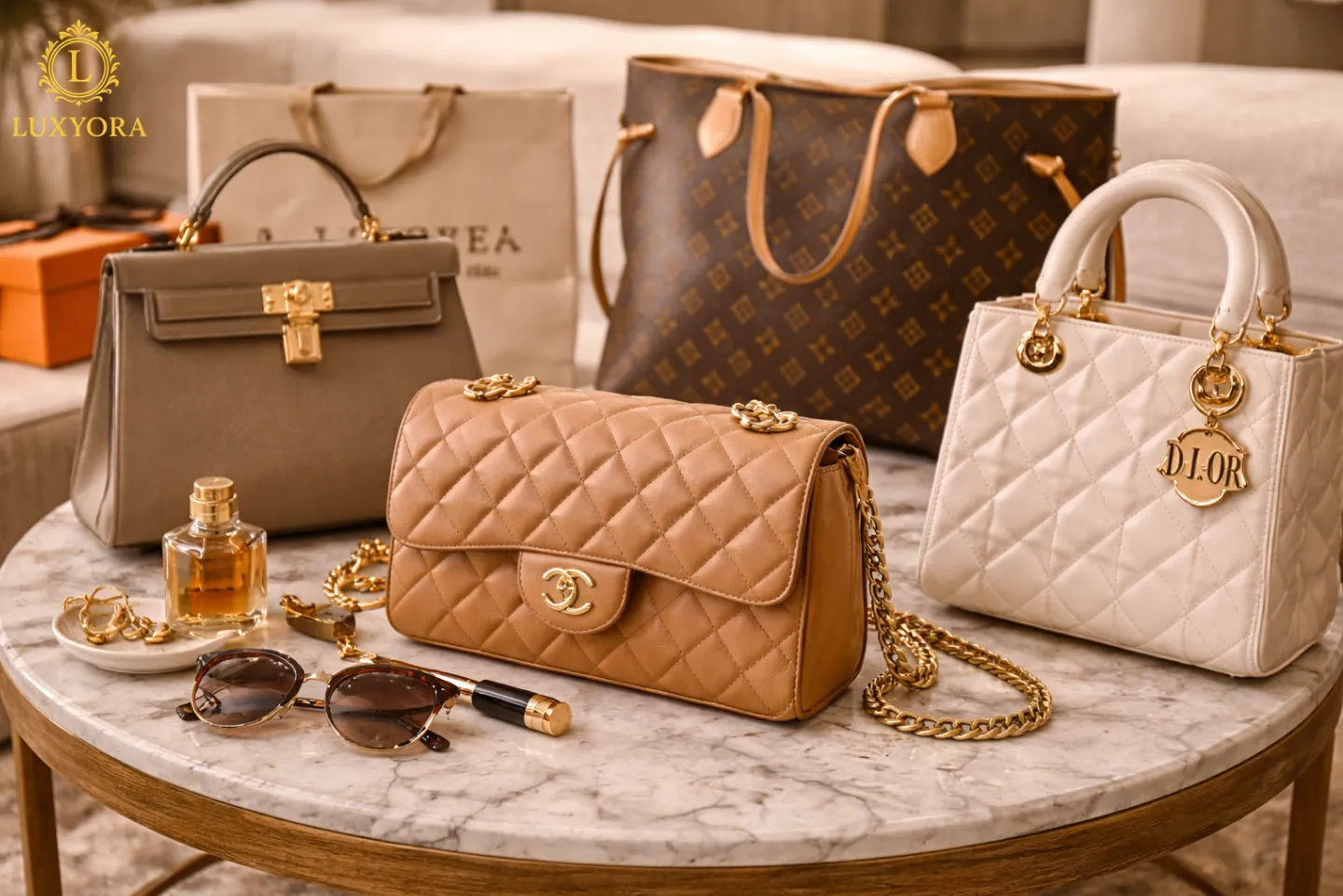
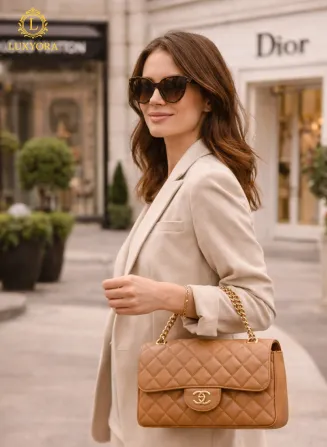
As a result, certain handbags become status signals. They symbolize taste, achievement, and cultural capital. A classic quilted flap bag or a monogrammed tote instantly triggers social recognition. That’s not accidental; brands carefully cultivate visual language and design codes that become part of collective aspiration.
Brand equity elevates handbags beyond utility. They become artifacts of desire.
Market Momentum: The Economics of Fashion Demand
From a business standpoint, handbags are an economic powerhouse. Luxury and premium handbags often yield higher profit margins than other accessories, given their materials and production costs. At the same time, they are replenished with seasonal updates, collaborations, and capsule collections that keep demand fresh.
Handbags also have retail longevity. While fashion trends shift seasonally, handbag designs often enjoy multi-season relevance. A classic tote from one season can still sell two years later. This extended shelf life amplifies revenue opportunities for brands.
Even in the resale market, handbags outperform many other accessories in value retention, a testament to the demand and durability that continue to drive consumer interest.
Trend Dynamics: Where Style Meets Substance
Handbags sit at the sweet spot between fashion trends and timeless design. A perfume fragrance might go in and out of style, and jewelry styles can vary wildly. But handbags often anchor a wardrobe, allowing trends to play around them.
Micro-bags, oversized totes, framed shapes, belt bags, the handbag landscape shifts, yet many classic forms remain beloved. This ability to balance trend and timelessness makes handbags perpetually compelling.
Plus, handbags are visible in photographs, on social media, and in street style culture, amplifying their reach far beyond the boutique. People don’t just wear them; they share them.
One trend celebrates generous proportions, while the other embraces refined minimalism, together creating the season’s most compelling handbag conversation in XL Statement Tote Bags: Oversized Luxury and Top-Handle Mini Bags.
Personalization and Collectibility
Another reason handbags dominate accessories is their capacity for personalization. From monograms and custom straps to limited-edition finishes and exclusive release drops, handbags can feel uniquely yours.
Collectibility transforms handbags from seasonal purchases into wardrobe legacies. Some fashion consumers build mini-collections, each bag tied to a memory, an event, or a phase in life. That sense of narrative and accumulation is jewelry’s domain too, but handbags integrate this with utility and visibility.
Handbags in the Digital Era
The digital age turbo-charges handbag appeal. Influencers, bloggers, and fashion tastemakers share handbag reveals, styling tips, and wish lists at scale. A handbag can become a cultural moment overnight via a single social post.
This digital resonance matters because handbags have a visual identity. Photographs capture shape, texture, silhouette, logo placement, and how a bag moves when worn. That visual storytelling fuels desire more potently than many other accessories.
Handbags as Investment Pieces
In the resurgence of fashion resale markets, handbags are among the most promising categories for investment. Certain iconic designs appreciate or hold their value better at resale than others, a dynamic often attributed to brand equity, limited availability, and cultural permanence.
This investment dimension adds a layer to handbag desirability. Consumers increasingly view premium handbags as assets, not just accessory items that can outlast fleeting trends and retain financial relevance.
Handbags and Wardrobe Cohesion
Finally, handbags matter because they ground a look. Accessories like scarves or hats can accentuate an outfit, but handbags anchor it. They balance proportions, introduce texture or color, and contribute structural rhythm to style.
In essence, handbags are functional punctuation marks; they bring closure to an outfit narrative.
The right handbag doesn’t compete with your outfit, it quietly elevates it. Discover the styling principles behind this effortless balance in How to Match Your Handbag with Your Outfit.
Luxyora Philosophy: Handbags dominate because they are where function, identity, economy, and cultural meaning converge. In every stitch is both utility and aspiration.
References:
- Bain & Company. (2024). Global luxury goods market insights. Bain & Company.
- Chevalier, M., & Mazzalovo, G. (2020). Luxury brand management in digital and sustainable times (4th ed.). Wiley.
- Dunn, J. (2021). The psychology of fashion: Identity and self-expression. Journal of Fashion Behavior, 2(3), 115–128.
- Kapferer, J.-N. (2018). The future of luxury: Challenges and opportunities. Kogan Page.
- Ko, E., & Megehee, C. M. (2018). Fashion marketing in the digital age: Social media, influencers, and consumer engagement. Journal of Global Fashion Marketing, 9(1), 1–11.
- Statista. (2023). Revenue and growth of the global accessories market. Statista.
- Tynan, C., McKechnie, S., & Chhuon, C. (2018). Co-creating value for luxury brands. Journal of Business Research, 84, 254–264.
- Wiedmann, K.-P., & Hennigs, N. (2019). Luxury marketing: A global perspective. Springer.