Buying Jewellery as an Investment: What Works Best | Luxyora
There are two kinds of jewellery purchases: the ones that make your heart do a little flip in the mirror, and the ones that still look brilliant when you’re ready to sell. The sweet spot, the investment sweet spot, is where those two overlap.
Let’s be honest: jewellery isn’t a stock ticker. It won’t ping you with daily gains; it can’t be rebalanced in two clicks, and it comes with real-world friction (authentication, insurance, resale fees, and the occasional heartbreak when a “great deal” turns out to be… not so great). But as wealth conversations shift toward tangible assets and “wearable value,” fine jewellery has earned a seat at the table, especially in categories where scarcity and provenance do most of the heavy lifting.
So what actually works best when you’re buying jewellery with investment in mind?
First, the golden rule: invest in rarity, not just sparkle
A diamond solitaire might be timeless, but “timeless” isn’t always the same as “scarce.” Investment-grade jewellery tends to have at least one of these qualities:
- Natural rarity (unheated sapphires, exceptional emeralds, fancy vivid colored diamonds)
- Cultural rarity (iconic design houses, historical periods, signed pieces)
- Market rarity (discontinued collections, limited production, stones with top certification, and unusual specs)
Think of it this way: the market pays up for what can’t be easily replicated. That includes genuinely rare gems and truly collectible design.
What works best: the investment-friendly categories
1) Signed pieces by heritage maisons (with provenance)
If you want a “blue-chip” jewellery lane, start with the big names Cartier, Van Cleef & Arpels, Bulgari, Tiffany & Co., and other legacy houses whose design language is instantly recognizable. Signed pieces trade a bit like art: brand, model, era, condition, and documentation matter enormously.
What makes this category strong is global liquidity: recognizable brands tend to resell more easily across auction houses and high-end dealers, and the best pieces are consistently in demand among collectors.
What to look for
- Signature motifs and historically loved lines (not the trend-of-the-minute capsule drop)
- Original paperwork, service history, and clear chain of ownership
- A condition that hasn’t been “loved” into invisibility over-polishing is a quiet value killer
2) Colored gemstones with top pedigree (and the right paperwork)
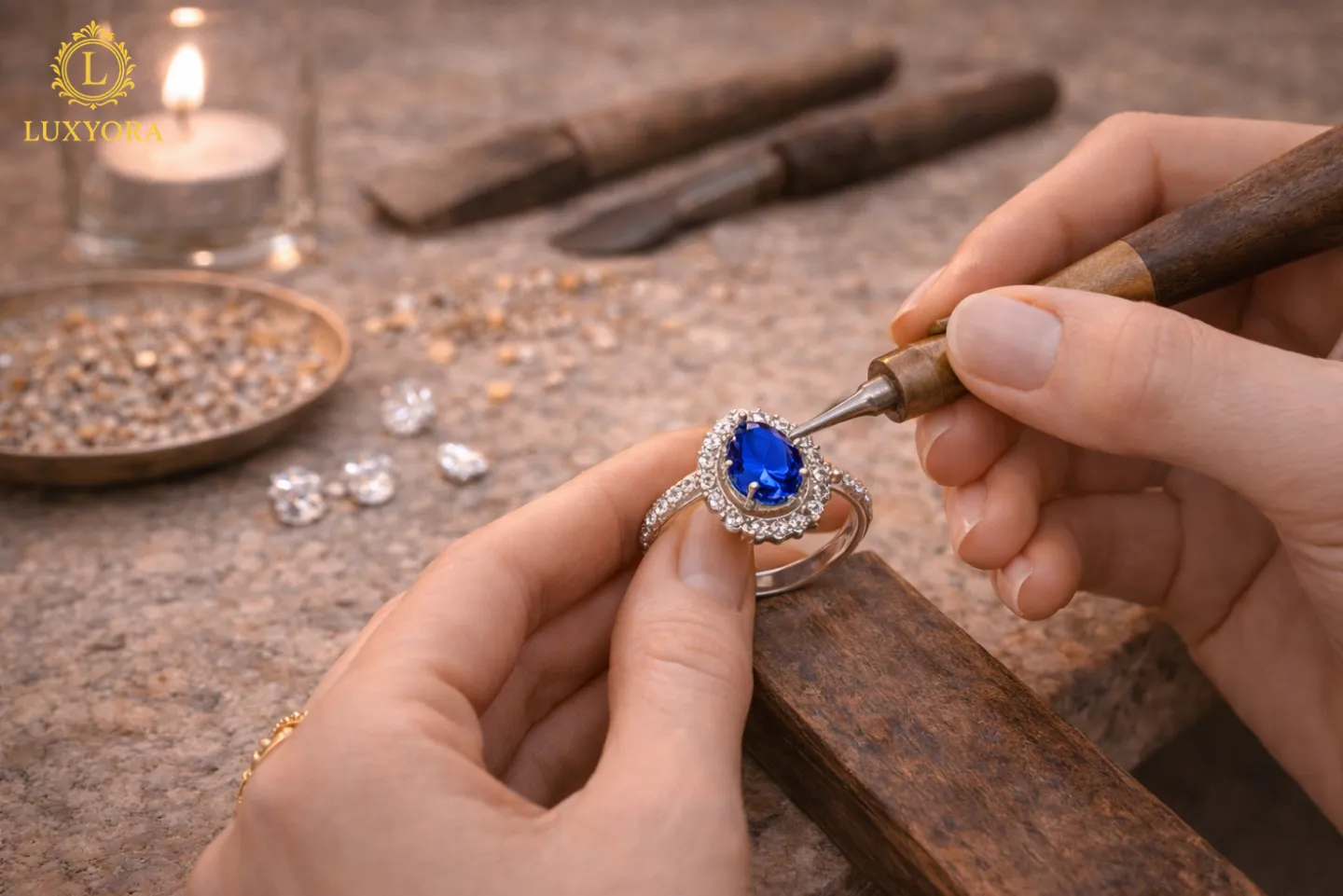
This is where investment jewellery gets deliciously specific. The best-performing gemstone jewellery often revolves around unheated sapphires, fine emeralds, and rubies with strong color, excellent transparency, and credible lab reports.
But here’s the nuance: colored stones are not a commodity market like gold. Pricing depends on the subtleties’ origin, treatment level, saturation, inclusions, and cut quality. A “pretty” sapphire isn’t necessarily an “investment” sapphire.
What to look for
- Minimal or no treatment (especially for sapphires and rubies)
- Top-tier lab reports from globally recognized gem labs
- Strong color with balanced tone (the stone should look alive in daylight, not just under boutique lighting)
Building a jewellery investment portfolio isn’t just about choosing precious metals anymore. Discover the emerging opportunities in Are Coloured Gemstones the Next Big Investment Trend?.
3) Fancy colored natural diamonds
If you want rarity with a capital R, fancy colored diamonds have a long collector history and a global auction ecosystem. In simple terms, the more intense the color grade and the rarer the hue, the more the market tends to pay attention. High-grade pinks, blues, and certain vivid yellows can command extraordinary pricing when quality and provenance align.
Just don’t confuse this with the broader diamond market. “Diamond” is not a single investment category; some diamonds trade like collectibles, while others trade like retail products.
What to look for
- Strong color grades (e.g., Fancy Intense / Fancy Vivid depending on hue)
- Excellent clarity relative to the color category
- Certification and a resale strategy (auction-worthy stones behave differently than mall-boutique stones)
Investing wisely means understanding what happens long after the jewellery leaves the boutique. Explore The Hidden Rules That Decide Jewellery’s Resale Price.
4) High-purity gold jewellery (value anchor, not value rocket)
Gold is the ultimate classic: a store-of-value story that’s been around longer than any brand campaign. In jewellery form, gold can act like an “anchor” because its intrinsic value is tied to the metal, especially when you buy high-purity pieces where craftsmanship premiums aren’t wildly inflated.
But gold jewellery usually isn’t your “10x moment.” It’s steadier, more conservative, and best treated as a tangible way to hold gold especially if you’re buying in markets where high-karat jewellery is common and resale norms are well established.
What to look for
- Transparent pricing vs. spot (know what you’re paying in premium)
- Higher purity where culturally and practically suitable
- Solid construction and weight (hollow, ultra-light pieces can be gorgeous, but they’re not metal-forward investments)
Before investing in fine jewellery, uncover the hidden characteristics that separate future treasures from expensive purchases. Discover the guide in Why Some Jewellery Increases in Value While Others Don’t.
What doesn’t work (or works only in rare cases)
Lab-grown diamonds as “investment”
Lab-grown diamonds can be beautiful, ethical, and perfect for fashion-forward statement pieces. But as a resale asset class, they’ve faced significant price compression in recent years, largely due to rapid scalability and competition. That doesn’t make them “bad”; it just makes them closer to tech: newer, replicable, and prone to price drops.
If your goal is investment value, focus your “asset budget” on natural rarity or heritage collectability, and treat lab-grown as a style choice.
Trend-driven costume-to-fine hybrids
There’s jewellery that’s hot on your feed and jewellery that’s hot at auction. Sometimes they overlap, but not reliably. Pieces designed primarily for trend velocity often lack long-term scarcity drivers.
The investor’s checklist: how to buy smart (and still feel glamorous)
- Buy the best quality you can afford in a narrow lane. One exceptional piece beats five “pretty good” ones.
- Prioritize documentation. Certification, receipts, and service records protect value.
- Think about exit routes before you buy. Auction, dealer, platform, private client—each has different fees and timelines.
- Budget for holding costs. Insurance, secure storage, occasional servicing.
- Avoid “mystery provenance.” If the story is fuzzy, the resale will be fuzzier.
- Stay realistic. Jewellery can preserve value and sometimes outperform, but it’s not guaranteed—and transaction costs are real.
So… what works best?
If you want the clearest investment logic:
- Signed heritage pieces for brand-driven collectability,
- Top-grade colored gemstones for rarity-driven scarcity, and
- Fancy colored natural diamonds for the intersection of rarity and global collector demand.
Use high-purity gold jewellery as the calm, steady counterbalance: less drama, more anchoring.
Because the most investable jewellery isn’t just what shines today. It’s what remains wanted tomorrow.
Luxyora Philosophy:Luxury is the art of choosing what endures. Buy jewellery the way you build a legacy: with discernment, documentation, and a little unapologetic delight.
References:
- Bain & Company. (2024, November 13). Global luxury spending to land near €1.5 trillion in 2024, remaining relatively flat as consumers prioritize experiences over products amid uncertainty (press release).
- Bain & Company. (2025). Finding a new longevity for luxury.
- De Beers Group. (2024, May 10). Lightbox lowers its lab-grown diamond retail prices by more than a third.
- Deloitte. (2023, November 29). Global powers of luxury goods 2023.
- Knight Frank. (2022). The Wealth Report 2022 (includes the Knight Frank Luxury Investment Index).
- McKinsey & Company. (n.d.). The State of Fashion: Watches & Jewellery (PDF report).
- Rapaport. (2024, April 2). The lowdown on lab-grown diamonds.
- Responsible Jewellery Council. (2019). RJC Code of Practices (COP), December 2019 (standard).
- World Gold Council. (2025, February 5). Gold demand trends: Full year 2024 (including jewellery and investment sections).