Palladium Hardware : What is Palladium Hardware
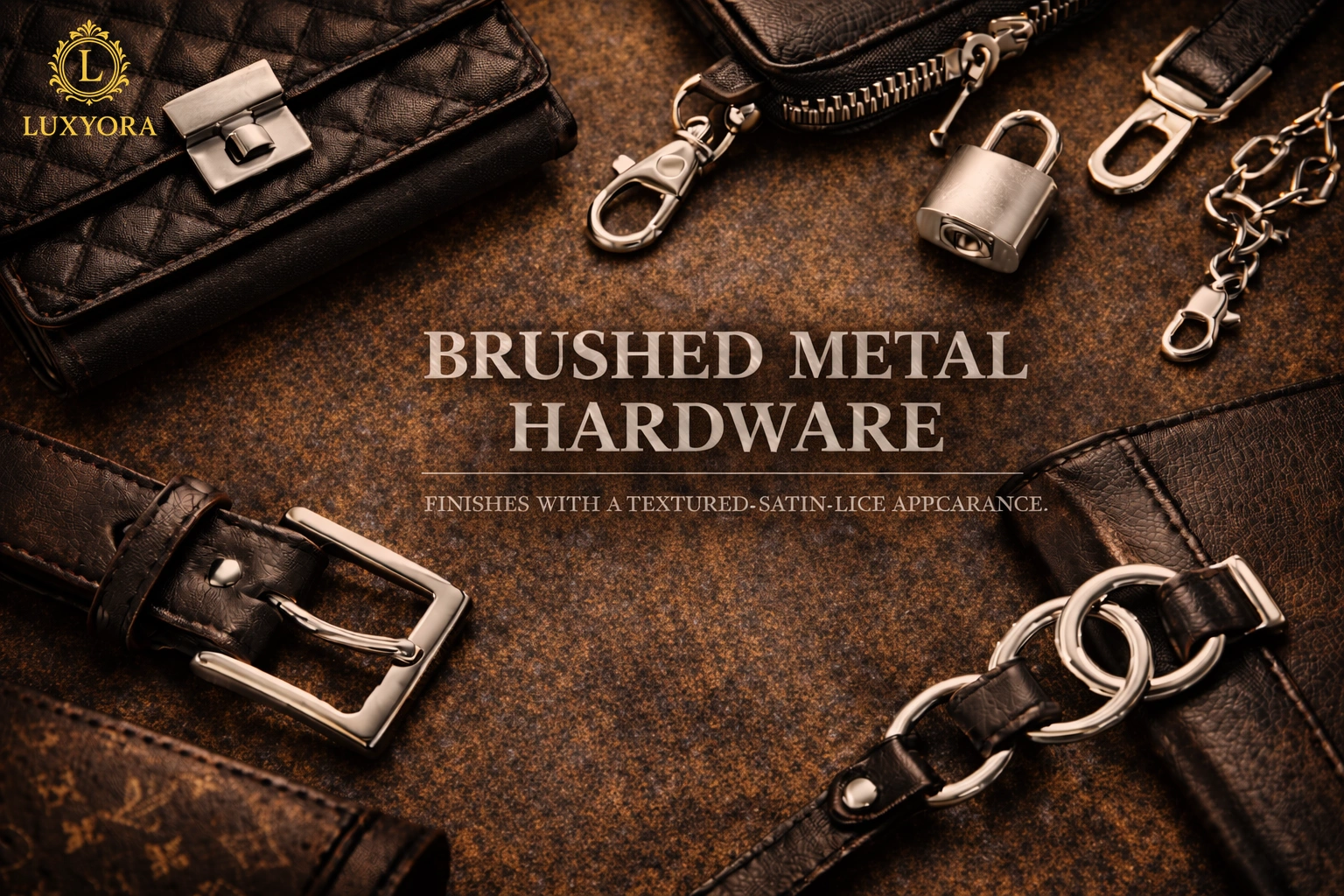
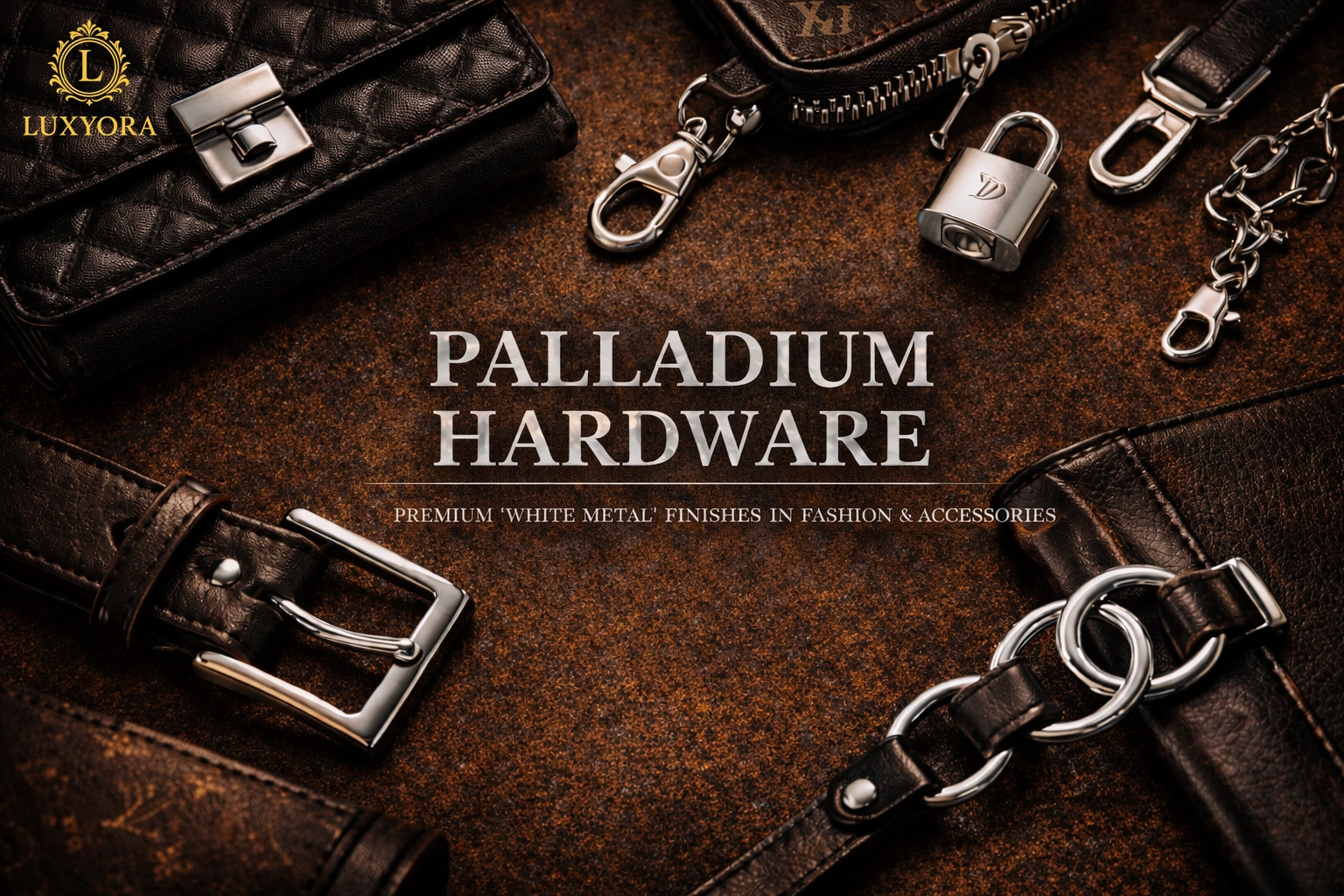
In the fashion and luxury accessories world, palladium hardware refers to metal components, such as buckles, clasps, padlocks, chains, zippers, rings, rivets, feet, and logo plates, that have a cool, bright “white-metal” finish associated with palladium (a platinum-group metal). Importantly, on handbags and accessories, “palladium hardware” almost always means palladium-plated (or palladium-finish) hardware applied over a base metal such as brass or alloy, rather than solid palladium parts. Auction catalog descriptions regularly use language such as “palladium-plated hardware,” reinforcing that it’s a finish category in fashion product specs.
This term matters because hardware is one of the most “handled” and stress-tested parts of an accessory.
The choice of palladium-finish hardware affects style identity, perceived luxury, durability, maintenance requirements, compliance (especially with nickel release rules), and sustainability trade-offs.
What Palladium Hardware Is (and What It Isn’t)
A finish language, not automatically a precious-metal claim
In fashion manufacturing, palladium hardware is typically:
- Base metal (often brass or a zinc alloy) shaped into components
- Surface finished using electroplating (palladium or palladium-alloy), sometimes with barrier layers, and occasionally paired with alternative coating systems depending on design and compliance needs
Why palladium specifically?
Palladium is a naturally bright, silvery-white precious metal; reference sources describe it as gray-white, ductile, and notably resistant to tarnish in air at ordinary temperatures, which is part of why it’s used in decorative contexts and jewelry alloys.
Why Palladium Hardware Is Popular in Luxury Accessories
1) Aesthetic: crisp, modern, and versatile
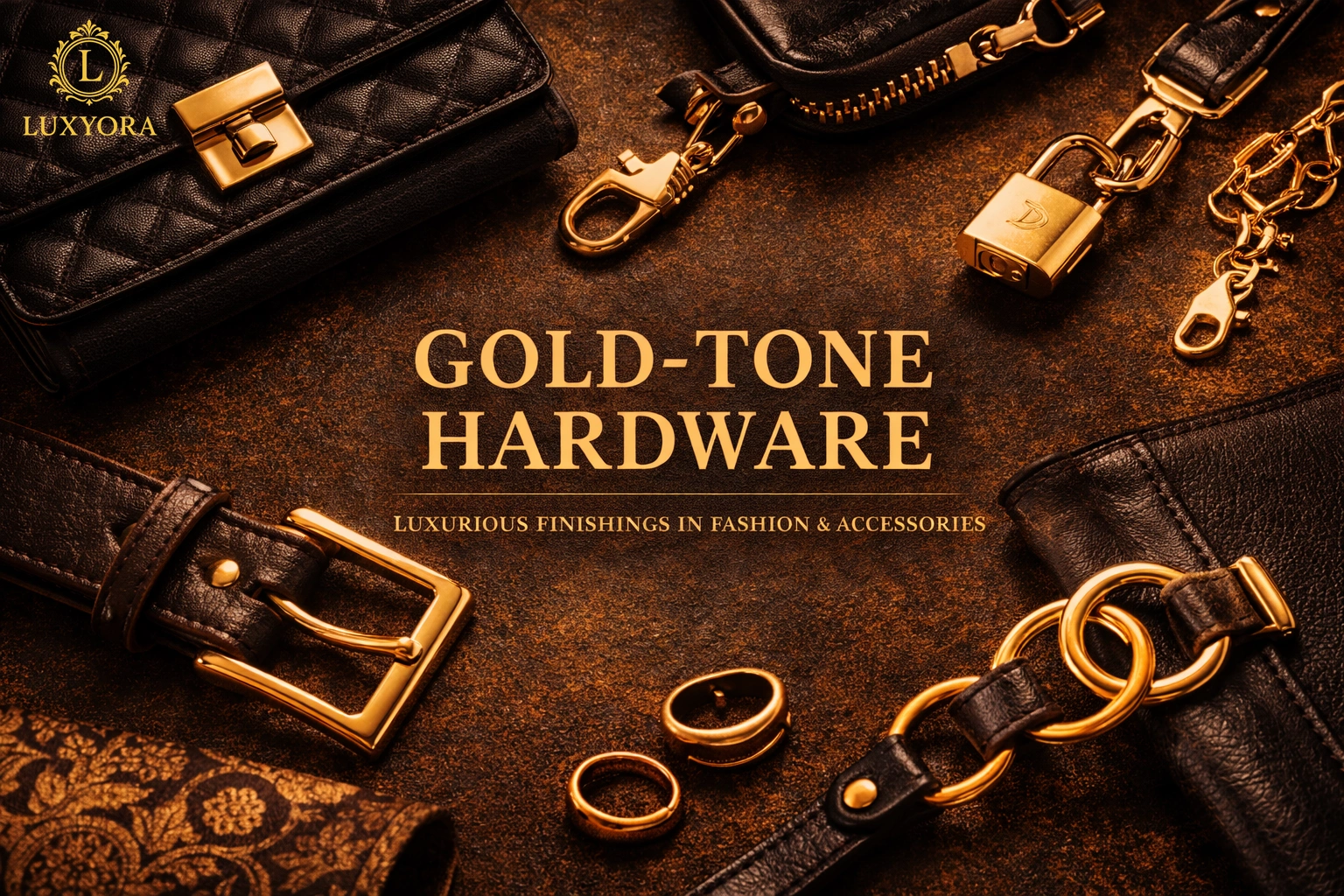
Palladium hardware reads as cool-toned, clean, and contemporary, especially on black, charcoal, navy, and cool neutrals. In luxury handbag culture, palladium hardware is often positioned as a modern counterpart to warm gold-tone finishes.
2) Brand language and “quiet luxury” signals
Because palladium is a refined white-metal finish, it can communicate understated luxury premium without shouting. On classic bag silhouettes, it supports a restrained, timeless look where materials and construction carry the prestige.
3) Wear and care advantages (in the right build)
While any polished hardware can show hairline marks over time, palladium finishes are often chosen because they can keep a bright “white” appearance without the yellow warmth of gold-tone hardware. Durability depends more on the finishing system than the name alone; layer stack, thickness, sealing, and base metal quality matter.
Where You’ll See Palladium Hardware in Fashion Products
Palladium-finish hardware is common in:
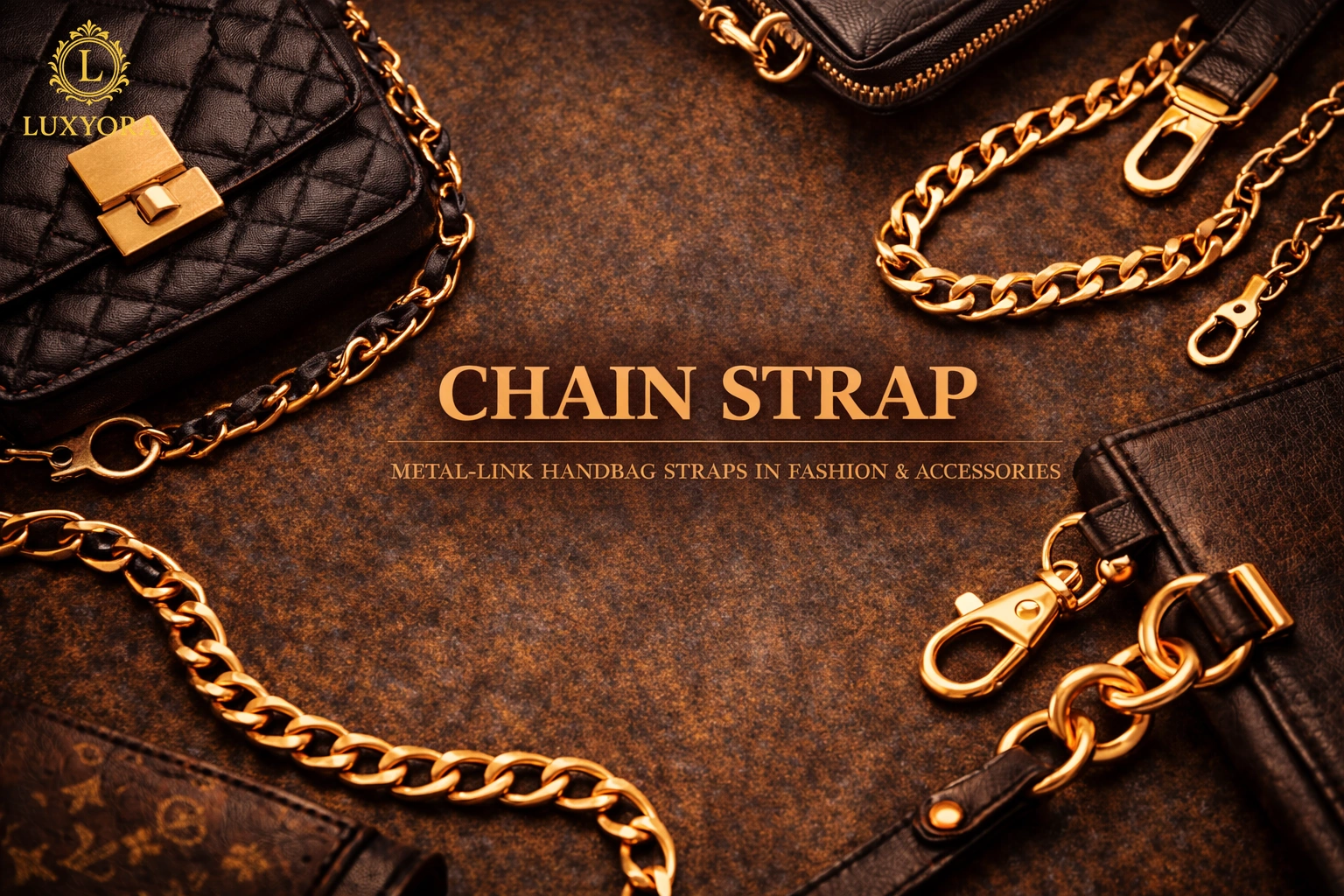
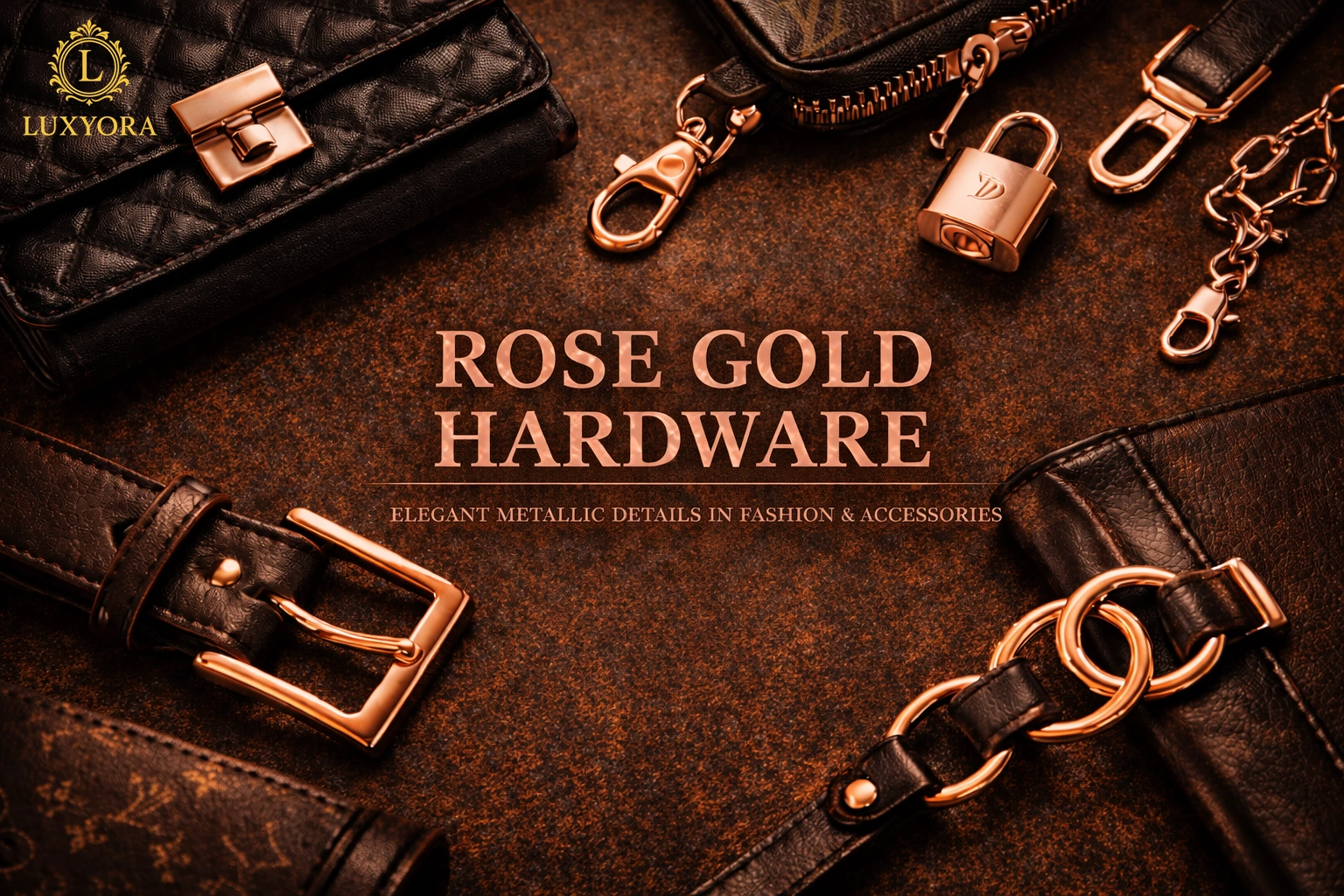
- Handbags & small leather goods: turn-locks, padlocks, zipper pulls, chain straps, D-rings, logo plaques
- Belts: buckles, keepers, rivets
- Footwear: buckles, eyelets, decorative bits
- Outerwear: snaps, grommets, toggles
Accessory design and production references treat hardware as a key “product architecture” decision affecting function, user experience, and brand identity, not just decoration.
How Palladium Hardware Is Made: The Main Finishing Approaches
1) Palladium electroplating (and palladium-alloy plating)
Electroplating deposits a metal layer onto a component using an electrical current in a chemical bath. Decorative plating suppliers describe palladium and palladium-alloy systems designed specifically for decorative applications, offering bright deposits and process options based on requirements.
Why brands use it
- Achieves a bright, premium white-metal look
- Can be engineered with barrier layers for performance and compliance
- Works on many shapes used in bags and belts
2) Barrier-layer systems (especially for allergy and migration control)
Fashion hardware is sometimes designed to minimize nickel-related issues. Research on decorative items has shown that palladium topcoats can act as a barrier, reducing nickel release from underlying layers in certain systems.
3) PVD and hybrid finishing ecosystems
In accessories, PVD (Physical Vapor Deposition) is sometimes used for durable decorative finishes, and modern decorative manufacturing often uses combinations of plating and PVD to achieve specific colors and textures. Fashion-industry research compares plating and PVD in terms of environmental impacts and decision-making.
Palladium Hardware vs. Silver, Nickel, Rhodium, and Stainless Steel
Palladium vs. “silver-tone”
“Silver-tone” is a broad color category and may be achieved via multiple finishes. Palladium hardware is usually positioned as a more premium “white-metal” option in luxury contexts, though performance still depends on process quality and layer thickness.
Palladium vs. nickel-plated
Nickel plating has historically been common for decorative and barrier functions, but nickel is a known allergen and is regulated for skin-contact items in the EU and elsewhere. EU policy has restricted nickel release for many years and incorporated restrictions into REACH Annex XVII (Entry 27).
Because of this, many manufacturers explore nickel-free or controlled-release approaches, including palladium-based systems, depending on the product and intended contact conditions.
Palladium vs. rhodium (common in jewelry)
Rhodium plating is often used in jewelry to achieve a bright white finish and can improve resistance to tarnish/appearance changes.
In fashion hardware, palladium finishes are often favored for their distinctive tone and association with luxury. Still, the final choice typically balances color target, cost, process availability, and wear expectations.
Palladium vs. stainless steel
Stainless steel can be durable and corrosion-resistant, but luxury accessories often use plated brass/alloys to achieve precise finish tones, engraving crispness, and brand-specific aesthetics.
Durability and Wear: What Happens Over Time
Even premium palladium-finish hardware is not “scratch-proof.” Common real-world outcomes include:
- hairline scratches on polished surfaces
- edge wear (corners lose finish first)
- dulling if exposed repeatedly to oils, sweat, sanitizers, perfume, and humidity
- pitting/corrosion if the protective system is weak or the environment is harsh
For decorative coatings generally, finishing quality and process controls are major determinants of how a surface behaves over time.
How to Evaluate Palladium Hardware Quality: An Industry Checklist
Use these checkpoints when buying, sourcing, or reviewing product specs:
1) Color consistency
- Is the palladium tone consistent across all components (lock, zipper pull, rings)?
- Any yellowing, cloudiness, or mismatched sheen?
2) Surface preparation quality
- Smoothness and polish underneath the coating strongly affect the final appearance.
- Look for ripples, orange-peel texture, or visible casting imperfections.
3) Function and feel
- Zippers should glide smoothly; clasps should click securely.
- Parts should align cleanly with no sharp edges.
4) High-stress zone performance
- Inspect corners, edges, clasp contact points, and chain links.
- Early rub-through often signals weak thickness or poor adhesion.
5) Documentation and aftercare
Premium brands and responsible suppliers often provide:
- finish description (e.g., palladium-plated)
- care guidance
- repair/refurbishment options
Compliance and Safety: Why Palladium Finishes Can Be Strategically Useful
For fashion items intended for prolonged skin contact (such as certain buckles, jewelry, watch parts, and piercings), nickel release remains an ongoing compliance topic. Updated nickel-release testing standards, such as EN 1811:2023, are widely referenced by testing organizations and compliance bulletins. This is one reason the industry uses barrier strategies and nickel-managed or nickel-free systems, depending on category.
Sustainability: Palladium Hardware in the “Finishing Footprint” Conversation
Metal finishing can have significant environmental impacts through chemical use, water use, and waste treatment. A fashion-focused study comparing electroplating and PVD finishing highlights environmental trade-offs and proposes decision-support approaches using life cycle assessment.
Meanwhile, decorative PVD reviews emphasize that PVD is not a universal replacement; real-world decorative industries often use a combination of techniques to achieve the desired aesthetics and textures.
Care Tips: Keeping Palladium Hardware Looking New
- Wipe after use: a soft microfiber cloth removes oils and moisture.
- Avoid chemical exposure: perfumes, sanitizers, and harsh cleaners can dull finishes.
- Store dry: humidity accelerates deterioration and spotting.
- Prevent friction: keep chains and locks from rubbing against coated surfaces during storage.
Conclusion
In fashion, palladium hardware is a premium “white-metal” finish that offers a crisp modern look, a luxury feel, and performance through plating and barrier layers. The most important takeaway is this: “palladium hardware” is a design specification, but quality lives in the process base metal, prep, layer stack, thickness, sealing, and care guidance. When those elements are strong, palladium-finish hardware can remain bright, elegant, and brand-defining for years.
References
- Gilroy, D.-J. (2023). Fashion bags and accessories: Creative design and production. Laurence King Publishing.
- Saunders, A. (2023). Design, manufacture and sell your bag collection. Bloomsbury Visual Arts.
- NIIR Board. (2021). The complete technology book on electroplating, phosphating, powder coating and metal finishing (2nd rev. ed.). National Institute of Industrial Research. (Niir)
- Bandinelli, R., Fani, V., & Bindi, B. (2021). Electroplating and PVD finishing technologies in the fashion industry: Perspectives and scenarios. Sustainability, 13(8), 4453. https://doi.org/10.3390/su13084453 (MDPI)
- Encyclopaedia Britannica. (2025, December 31). Palladium | Uses, properties, & facts. (Encyclopedia Britannica)
- European Commission. (n.d.). REACH restrictions (Annex XVII). (Internal Market & SMEs)
- Giurlani, W., et al. (2018). Electroplating for decorative applications: Recent trends in research and development. Coatings, 8(8), 260. https://doi.org/10.3390/coatings8080260 (MDPI)
- Nickel Institute. (2019). Preventing nickel allergy using various topcoats for decorative items (PDF). (Nickel Institute)
- Nickel Institute. (n.d.). Nickel and product policy: Nickel restriction in the EU (REACH Annex XVII, Entry 27). (Nickel Institute)
- Sotheby’s. (2020). Handbags and Accessories (catalog listing; “palladium plated hardware”). (Sothebys.com)
- Technic Inc. (n.d.). Palladium and palladium alloy decorative plating chemistry. (technic.com)
- Technic Inc. (n.d.). Decorative palladium plating processes (Pallaspeed listings). (technic.com)
- TÜV Rheinland. (2023). EU – Revision of DIN EN 1811:2023-04 (nickel release). (TÜV Rheinland)
- Vorobyova, M., et al. (2023). PVD for decorative applications: A review. Materials, 16(14), 4919. https://doi.org/10.3390/ma16144919 (MDPI)
- Whittington, C. M., et al. (2019). ‘Nickel allergy’ arising from decorative metal items: The effect of topcoats (incl. palladium) on nickel release. Journal of the Institute of Materials, Minerals and Mining. (Taylor & Francis Online)
- Vaportech. (2026). Top PVD coating color trends for 2026 (context on decorative metallic finishes). (blog.vaportech.com)
-