Metal Accents : What is Metal Accent
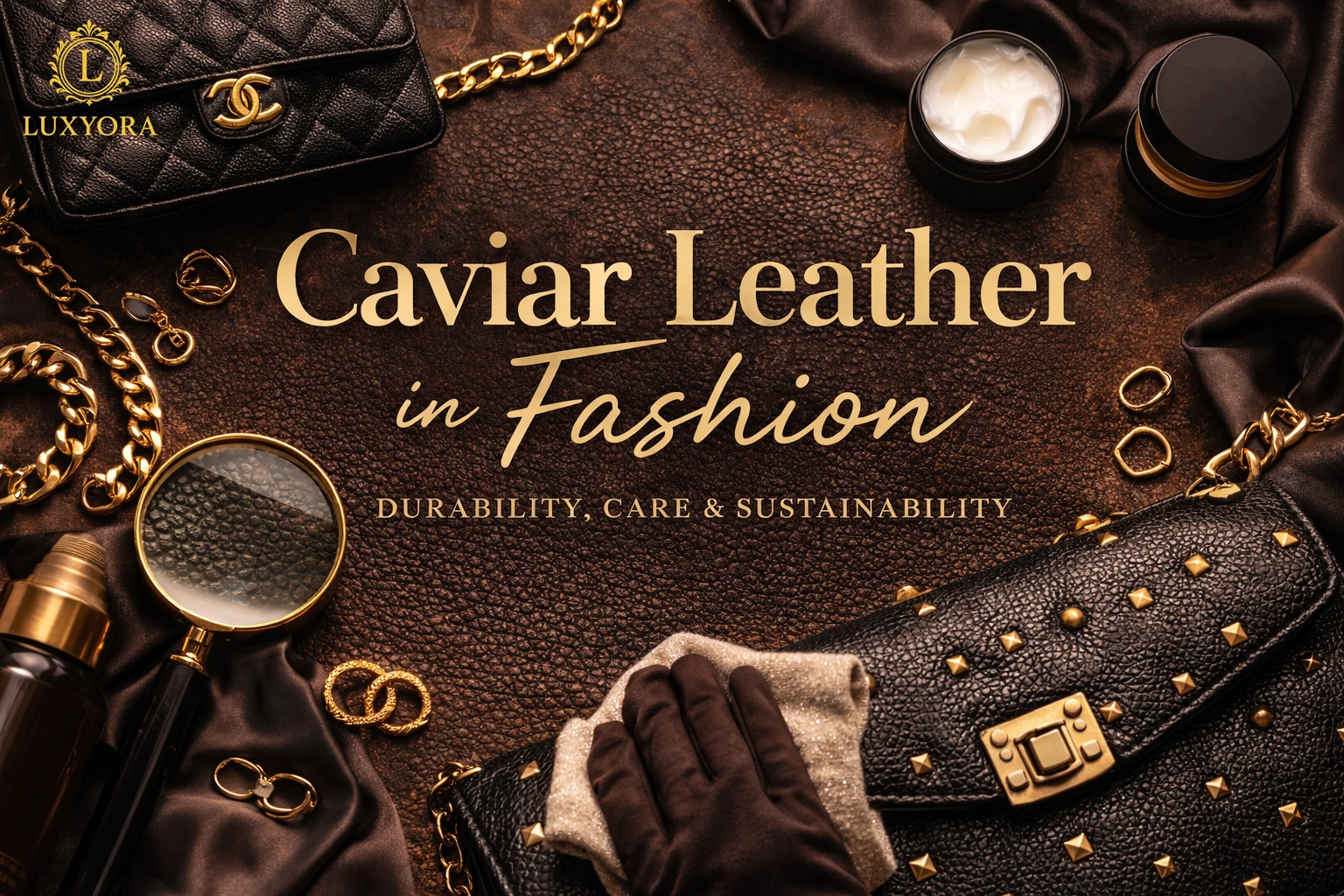
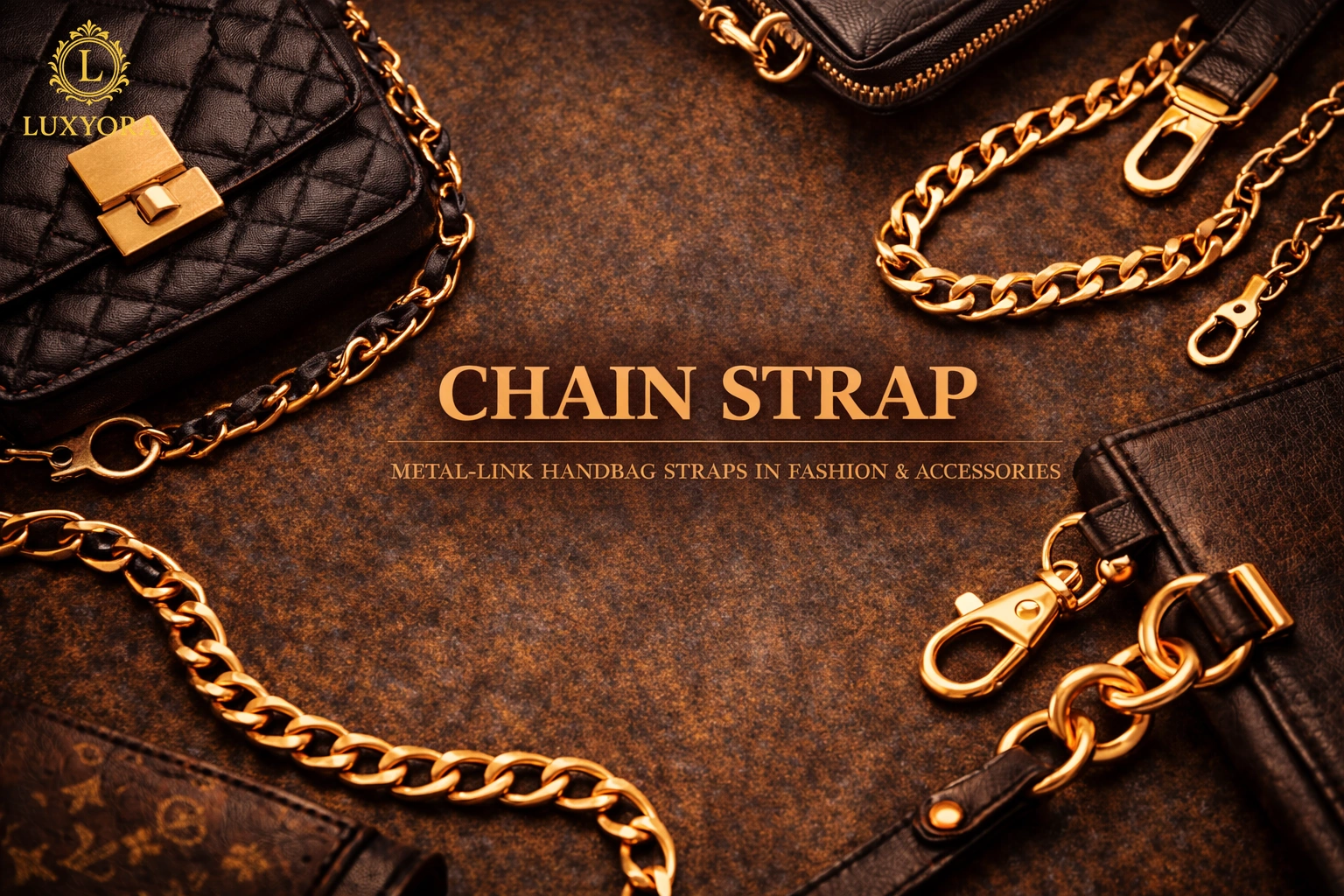
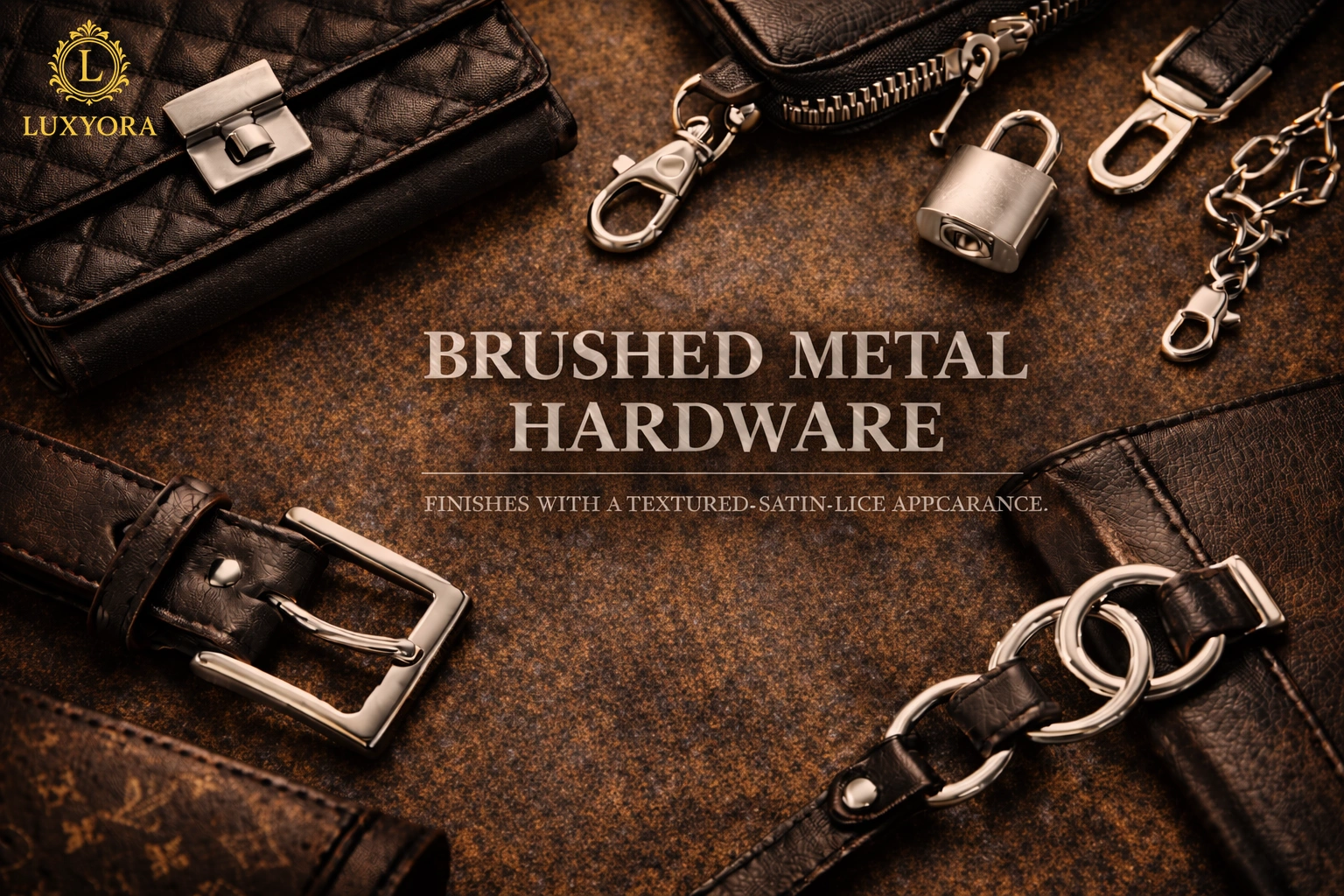
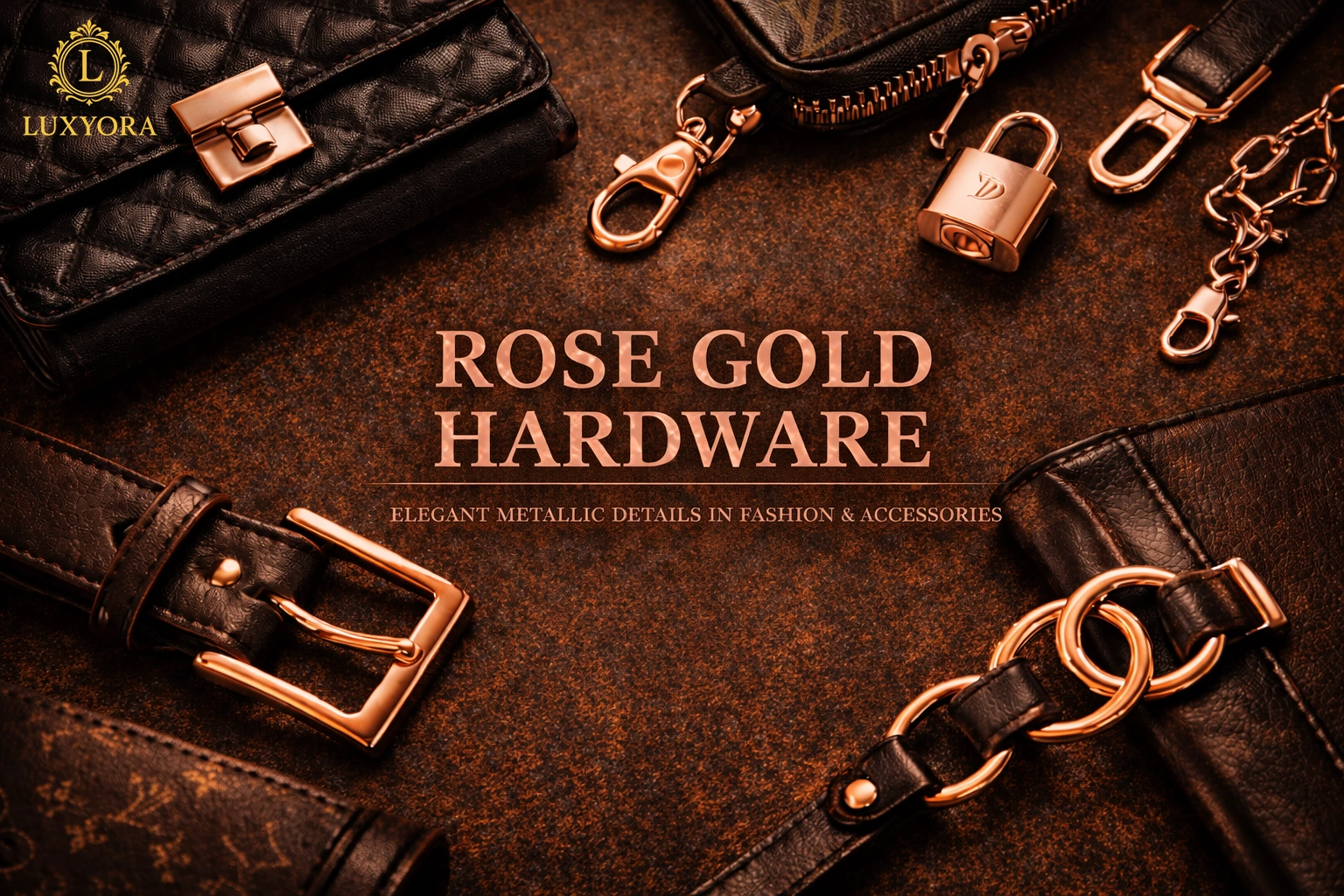
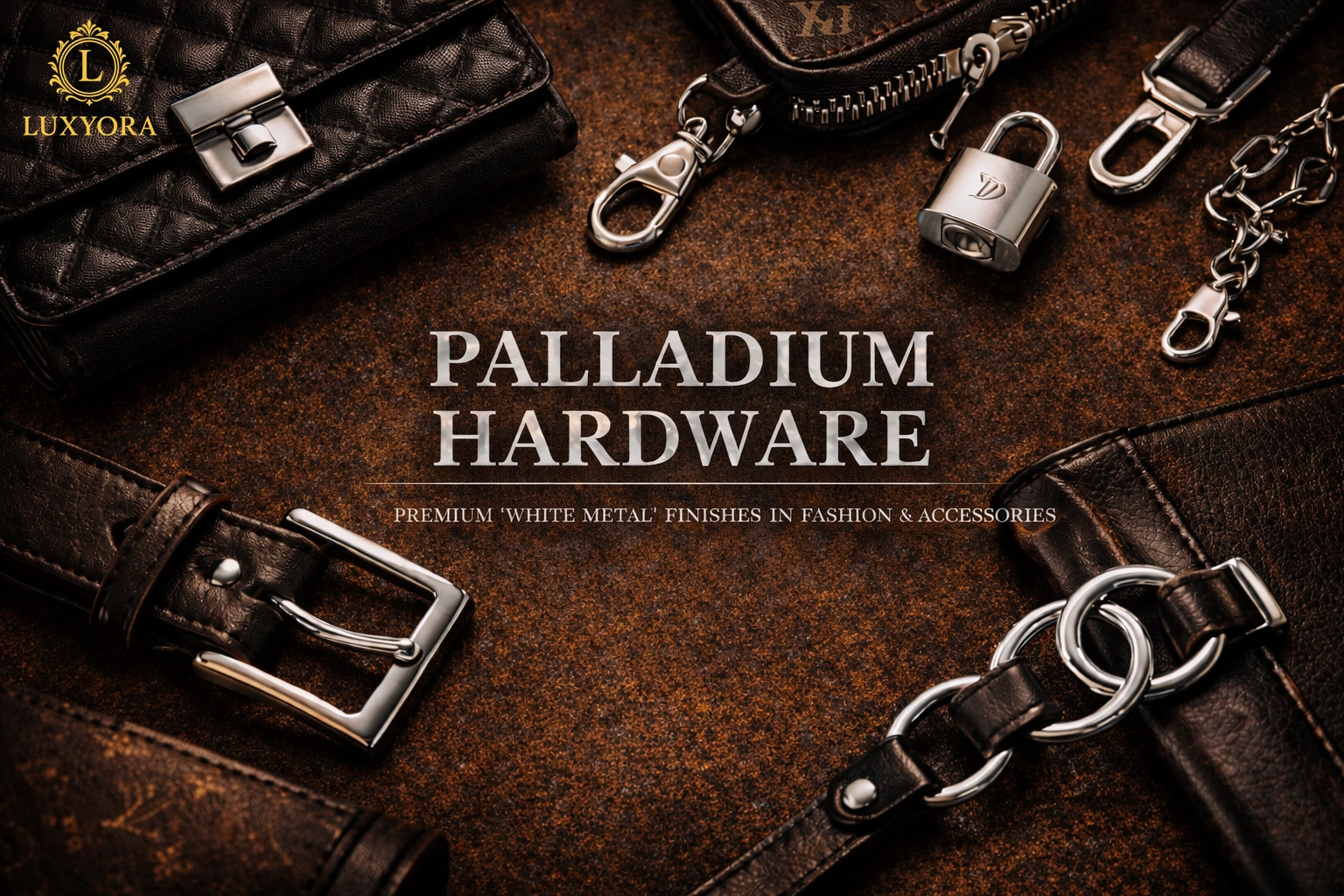
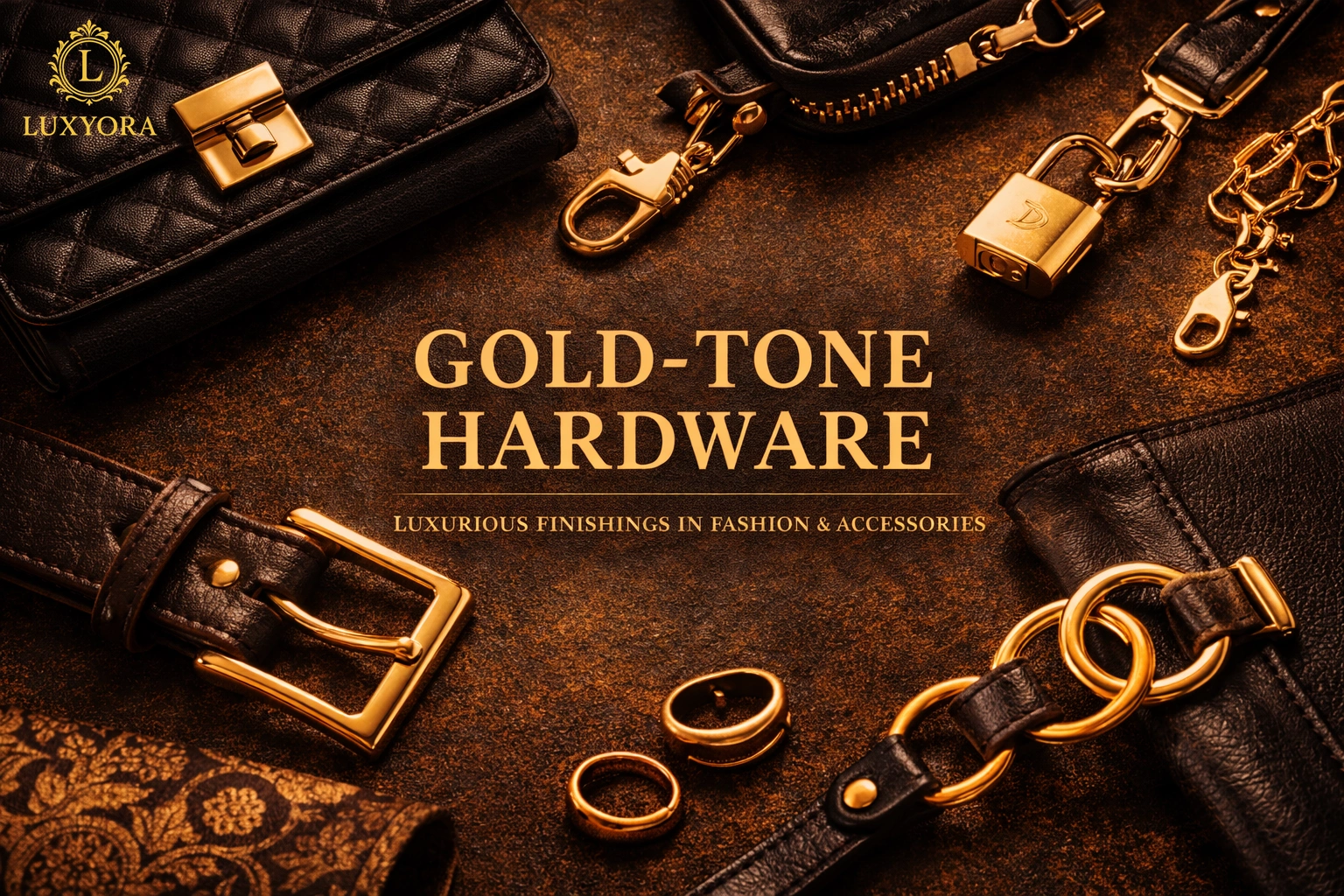
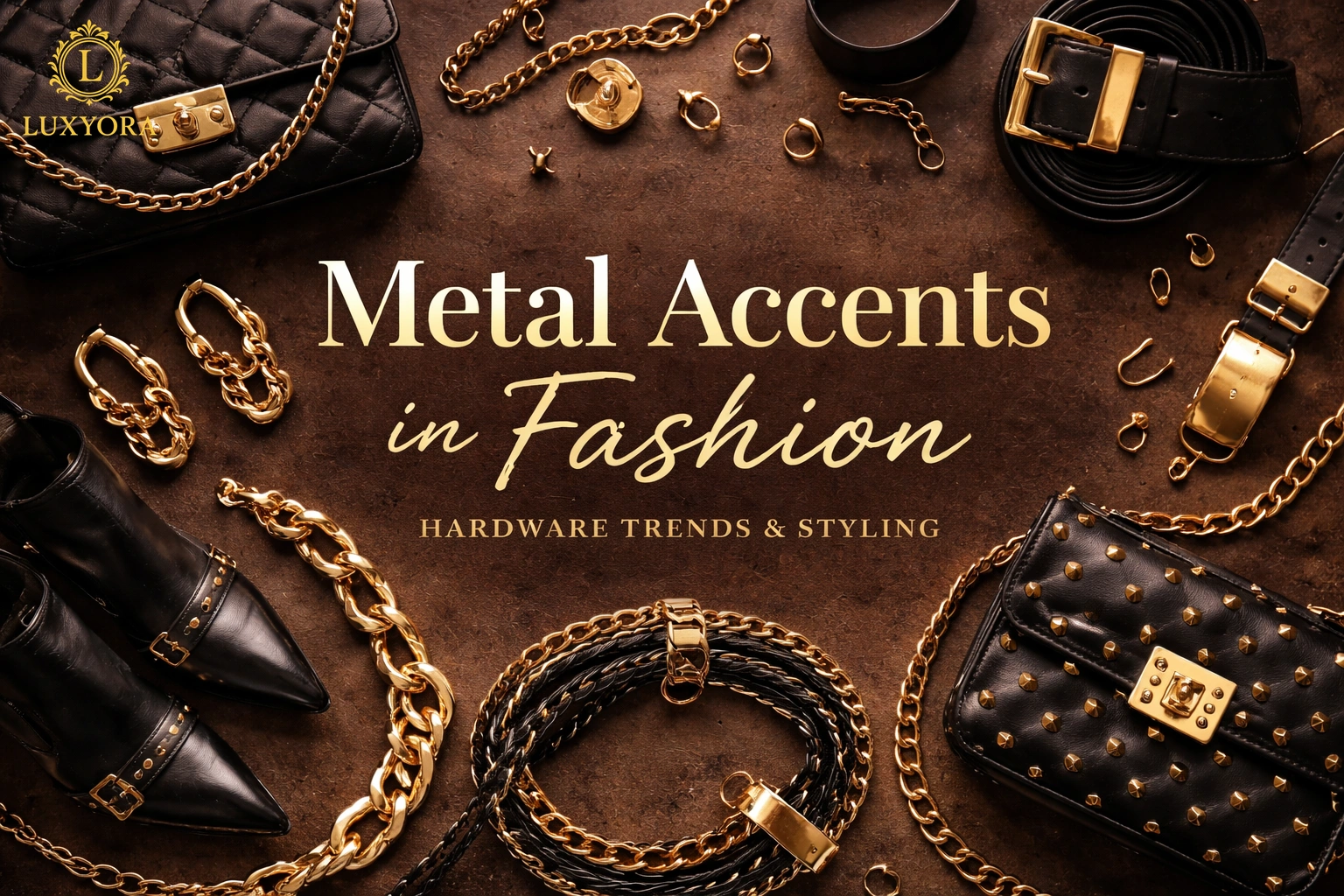
In the fashion world, metal accents (often called hardware in design and production) are the metal components and finishes added to garments, handbags, shoes, and accessories to enhance functionality, structure, and visual impact. Think buckles, studs, grommets/eyelets, rivets, zippers, chain straps, metal handles, logo plaques, snaps, and clasp closures, plus the polished, brushed, hammered, or oxidized finishes that give them character.
Over the last decade, metal accents have moved from being “supporting details” to becoming front-and-center design language, especially as accessories and styling have become more expressive again.
At the same time, the industry is rethinking material choices and lifecycle impact because metals, plating, and mixed-material construction affect repairability and recyclability.
Why Metal Accents Matter: Function + Fashion
Metal accents do two jobs at once:
1) Functional engineering
Metal parts often carry stress and motion:
- Buckles and sliders control fit on belts, straps, corsetry-inspired pieces, and sandals.
- Rivets and grommets reinforce high-tension areas (like bag handles and lace-up points).
- Zippers, snaps, hooks, and clasps provide reliable closures in daily wear.
Accessory construction guidance commonly lists “riveting and metal hardware attachment” as a core technique alongside stitching and adhesive bonding, as hardware directly affects durability.
2) Aesthetic identity
Hardware communicates instantly:
- Minimal hardware reads as quiet luxury and restraint.
- Oversized, shiny hardware reads bold, modern, maximal, or “statement.”
- Mixed metals can read styled-on-purpose, not accidental, especially as old “rules” are being broken publicly and editorially.
The Fashion Vocabulary of Metal Accents
Designers, stylists, and merchandisers use specific “hardware language.” Knowing these terms helps you understand product descriptions and trend reports:
- Tone/colour: yellow gold, white gold/silver tone, gunmetal, antique brass, rose gold
- Finish: mirror-polished, brushed, matte, hammered, engraved, oxidized
- Construction type: cast hardware, stamped hardware, welded rings, chain links
- Placement strategy: center-front buckle, corner plates, strap-end tips, bar hardware, toe-cap accents, heel hardware
A helpful way to read metal accents is to ask: Is the hardware acting as structure, closure, or decoration or all three?
Where Metal Accents Show Up Most
Handbags
Bags are arguably the biggest hardware playground because hardware signals craft and value at a glance:
- Chain straps and twist locks add polish and “evening” energy.
- Metal handles and frame bags feel architectural.
- Logo plaques and engraved clasps function like wearable branding.
Shoes
Footwear uses metal accents for both stability and style:
- Bit hardware, buckled straps, zipper pulls, and metal heel details.
- Grommet lacing adds a utilitarian edge.
Apparel
On garments, metal accents can reshape the silhouette or mood:
- Studded jackets, eyelet skirts, zipped knits, chainmail-inspired panels, metal buttons, and corset hardware.
Jewelry
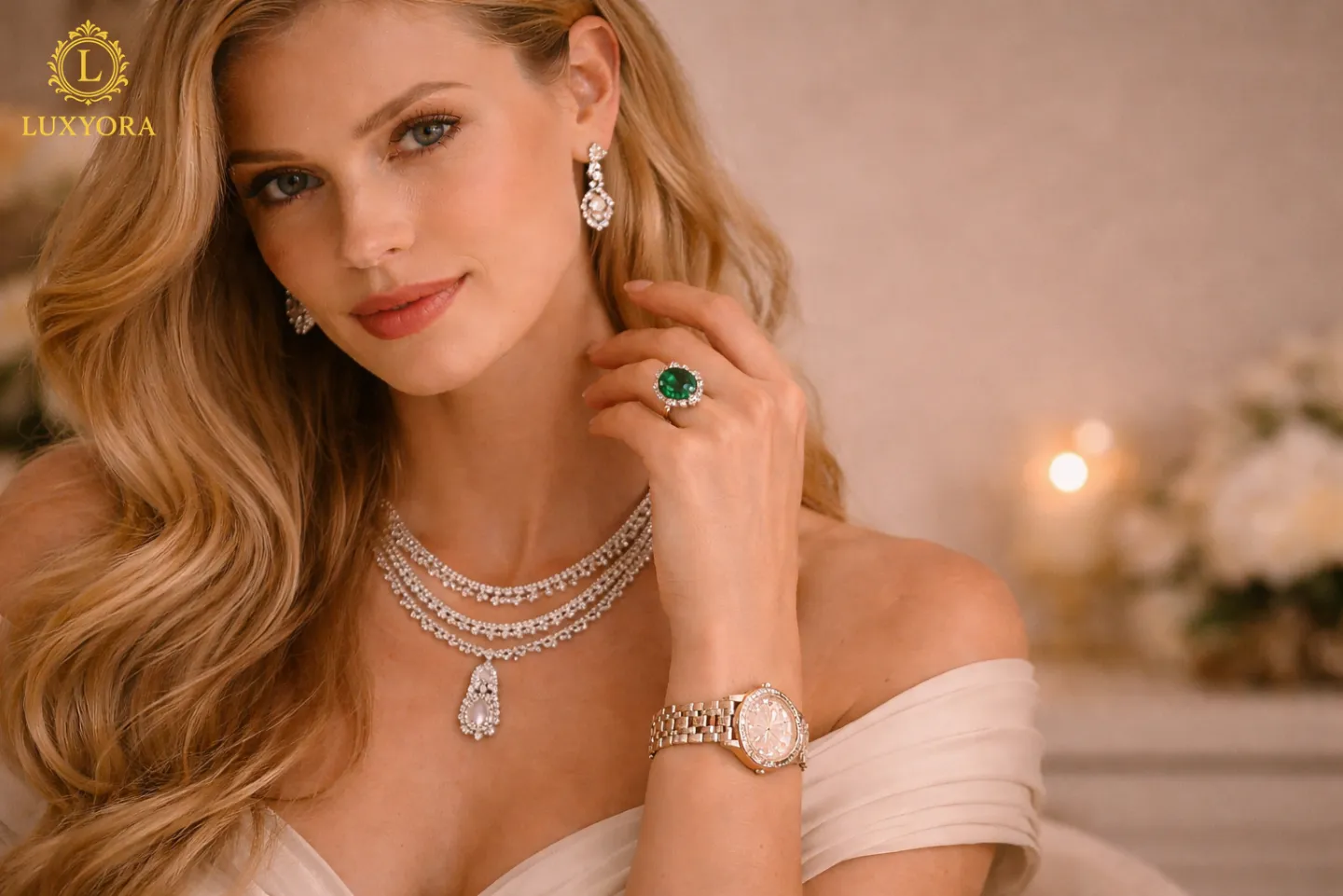
Jewelry is literally the art of metal, and the current mood leans bold:
- Spring/Summer 2026 coverage highlights sculptural silver and mixed metals as major directions, while other trend reports note a broader shift away from minimalism toward more expressive texture and shine.
How Designers Use Metal Accents to Create “Design Meaning”
Metal accents aren’t random decoration. They create visual hierarchy and narrative. Common strategies include:
1) Focal-point hardware
A single oversized buckle or clasp creates an “anchor” that makes an item look intentional and premium.
2) Repetition for rhythm
Multiple studs, repeated grommets, or a chain detail across several parts of an outfit create cohesion.
3) Contrast for tension
Pairing soft materials (silk, knit, shearling alternatives) with hard metal creates a modern tactile contrast, an approach echoed in broader research on embellishment, which examines how surface decoration influences perceived luxury and desirability.
4) Mixed metals as styling language
Mixing silver and gold was once considered a “mistake.” Now it’s frequently framed as deliberate styling appearing both in trend guidance and in high-visibility fashion moments.
Materials and Finishes: What’s Really Being Used?
In product development, “metal accents” may involve:
- Stainless steel, brass, aluminum, zinc alloy, or plated base metals
- Coatings and plating (to achieve gold/silver tone and protect against tarnish)
From a sustainability and product longevity perspective, the key issue is that finishes and mixed-material assemblies can complicate repair and recycling, especially when metal is bonded to plastic, synthetic leather, or coated textiles.
Sustainability and Ethics: The New “Hardware Standard”
Consumers increasingly care whether metal accents are:
- Nickel-safe / hypoallergenic (especially for jewelry)
- Durable enough to repair rather than replace
- Designed for disassembly (easier to recycle or refurbish)
Research on sustainable jewelry materials emphasizes that jewelry design is expanding into new material scenarios, balancing innovation with environmental impact. Meanwhile, eco-design studies argue for more systematic approaches to reducing the footprint in jewelry and metal-heavy accessories.
Practical sustainability tip: the most sustainable metal accent is the one that doesn’t fail. Strong attachment methods (proper riveting, reinforced stress points, quality plating) extend product life.
Styling Guide: How to Wear Metal Accents Like the Industry Does
If you want metal accents to look editorial rather than noisy:
- Match scale to outfit simplicity: A minimalist outfit + bold hardware = an instant statement.
- Repeat a metal tone 2–3 times: e.g., gold buckle + gold earrings + gold bag clasp.
- Mix metals intentionally: choose one “dominant” metal and one “accent” metal (a trend direction explicitly encouraged for 2026 jewelry styling)
- Use hardware to guide proportions: chain straps and shiny buckles draw the eye; place them where you want visual emphasis.
What’s Next
From circular fashion conversations, jewelry reporting that emphasizes sculptural metal and mixed-metal styling, metal accents are evolving in two directions at once:
- More expressive design (bolder shine, bigger forms, statement hardware)
- More responsible construction (durability, repair, and material transparency)
This is why “metal accents” is more than a trend phrase; it’s an industry term that touches design, manufacturing, merchandising, styling, and sustainability.
References
Accessory Technology. (2024). Accessory Technology (DFT SEM5) [PDF]. gphisar.ac.in.
Bailey-Cooper, N. (2019). Developing fashion embellishment: Decorative alternatives to fur and exotic animal materials (Doctoral thesis, University of the Arts London). UAL Research Online. (UAL Research Online)
Cherrington-Cook, J. (2026, January 30). The 8 jewellery trends set to define 2026 – from sculptural silver to colourful gemstones. Woman & Home. (Woman & Home)
Grechko, I. (2026, January 22). From bold gold to lucite, 7 jewelry trends taking over 2026. Marie Claire. (Marie Claire)
Jiang, A., et al. (2025). Optimizing eco-friendly jewelry design through an integrated approach. [Article]. PubMed Central. (PMC)
Niinimäki, K. (Ed.). (2018). Sustainable fashion in a circular economy. Aalto ARTS Books. (Aalto University’s research portal)
Tenuta, L., Testa, S., Antinarelli Freitas, F., & Cappellieri, A. (2024). Sustainable materials for jewelry: Scenarios from a design perspective. Sustainability, 16(3), 1309. (MDPI)
Vogue. (2025, March 4). Gigi Hadid broke this old-school fashion rule at Le Grand Dîner du Louvre. Vogue. (Vogue)
Teen Vogue. (2026, January 2). 15 fashion trends that will be everywhere in 2026. Teen Vogue. (Teen Vogue)
-