Heirloom : What is Heirloom
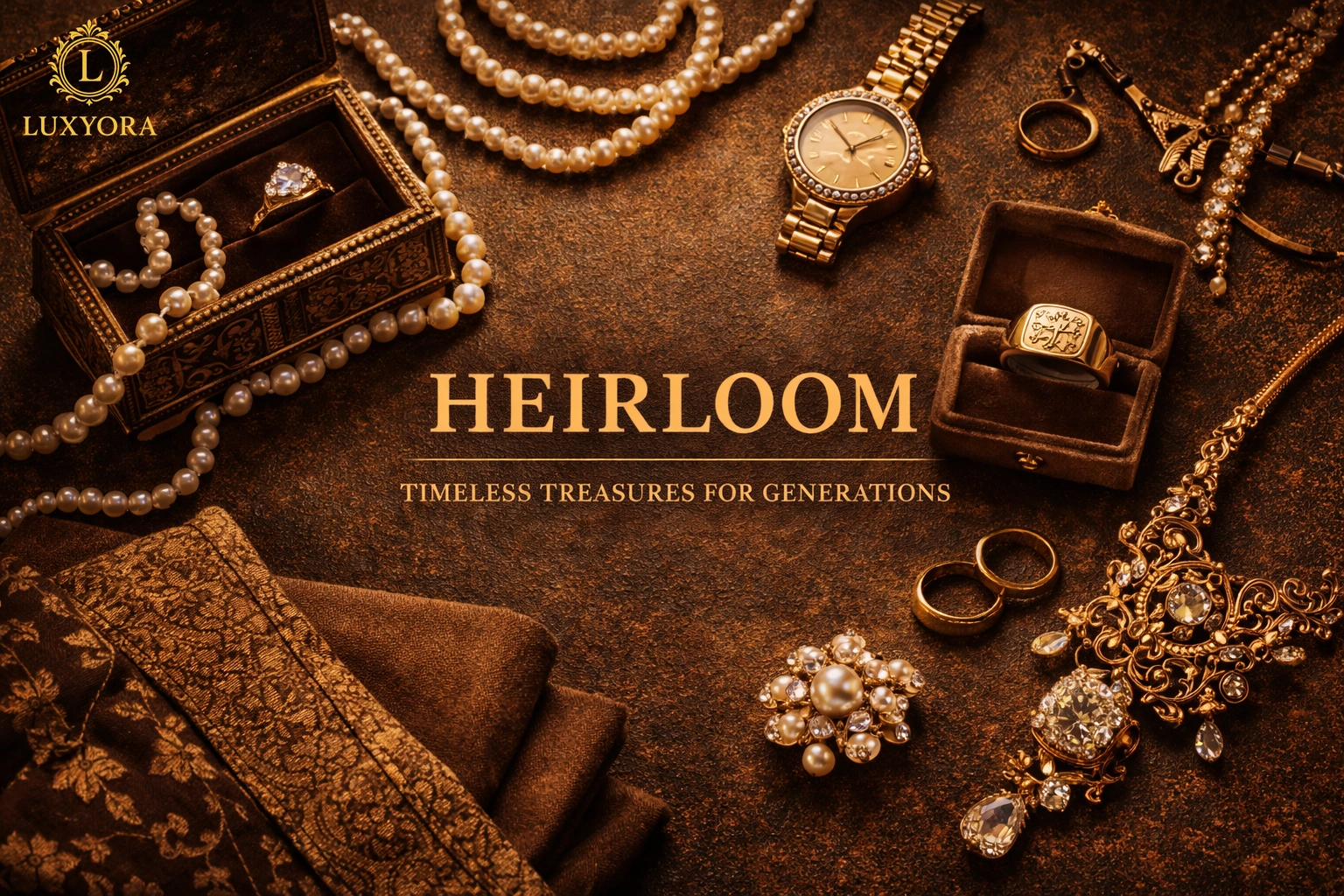
Heirloom: In the fashion and luxury ecosystem, heirloom is no longer limited to royal jewels or a grandmother’s wedding sari. Today, the term is used across apparel, fine jewelry, watches, leather goods, and artisanal textiles to describe pieces designed (or proven) to outlast trends, endure wear, and carry emotional significance across generations. In other words, an heirloom is not only about age – it’s about legacy: a product’s ability to remain meaningful, functional, and desirable long after its original purchase.
From 2018 to 2026, “heirloom” has gained attention as fashion actively seeks solutions to overproduction, waste, and short product lifecycles. Circular economy leaders emphasize that clothing must be designed to last longer and be supported through repair and reuse models.
This is exactly where the heirloom concept becomes commercially powerful: it connects durability + emotional attachment + craft, three forces that can keep garments in use and protect brand value.
What Does “Heirloom” Mean in the Fashion Industry?
1) Heirloom as “generational ownership.”
Traditionally, an heirloom is an item passed down within a family, often jewelry, bridal wear, or ceremonial textiles, where value is driven by memory and lineage as much as materials. Contemporary jewelry retailers still define heirloom pieces this way: objects preserved and transferred because they hold personal and family meaning.
2) Heirloom as “heirloom quality.”
In modern fashion usage, “heirloom” also describes heirloom-quality products and pieces intended to last for decades through superior design, craftsmanship, and maintainability. This aligns with design-for-longevity guidance that highlights quality materials, durable artistry, fit, and clear care practices to extend a garment’s usable life.
3) Heirloom as “emotional durability.”
The heirloom concept also reflects a design strategy: create products people feel attached to, so they keep them longer. Research on long garment life increasingly points to approaches such as designing for attachment and trust, reliability and durability, and ease of maintenance.
Heirloom vs. Vintage vs. Antique: Important Distinctions
- Heirloom: Defined by legacy and personal provenance, an item becomes a heirloom when it is preserved, cherished, and often passed down. It can be new today and still be “a future heirloom” if made and cared for appropriately
- Vintage: Defined primarily by age and era authenticity
- Antique: Typically older objects, often with historical collectability.
A useful rule: Vintage and antique are time-based categories; heirloom is a meaning-based category. A brand-new object can be heirloom-quality, while a vintage object may never become an heirloom if it lacks emotional or functional staying power.
Why “Heirloom” Matters More Than Ever
1) Fashion’s durability problem is now a business problem
Circular economy frameworks argue that keeping products in use through durability, repair, reuse, and remaking is essential to reducing waste and creating new value models.
“Heirloom” is effectively a consumer-friendly way to communicate: this piece is built to stay in your life.
2) Repair culture is returning
Heirloom items are designed to be repairable, or at least repairable in practice. Studies on repair behaviors show repair is an important strategy for extending product lifespans, but it depends on skills, access, and motivation.
Heirloom positioning supports repair by framing maintenance as a point of pride rather than an inconvenience.
3) Brands and consumers want fewer, better, longer-lasting pieces
From luxury “investment pieces” to artisanal bridal wear, the market is rediscovering the appeal of products that feel permanent. Editorial discussions of “modern heirlooms” emphasize enduring craft balanced with contemporary relevance
What Makes a Fashion Item an Heirloom?
- A) Material integrity
Heirloom items usually rely on materials that age well:
- natural fibers (fine wool, silk, cotton, linen)
- full-grain leather
- precious metals and durable gemstones
Textile conservation writing often warns that some materials can degrade unpredictably over time; for example, a conservation-focused article argues that natural fibers are often better choices for “heirloom textiles” than certain artificial fibers
- B) Construction and craftsmanship
Heirloom construction typically includes:
- reinforced seams and stress points
- quality linings and interfacings
- durable hardware and finishing
- craftsmanship that allows repair without destroying the object
- C) Maintainability (repair, replace, refresh)
Design research highlights ease of maintenance as a key strategy for longer garment life.
In practical terms, heirloom-ready design means:
- spare buttons, repair kits, or brand aftercare
- components that can be replaced (zips, soles, straps)
- construction that can tolerate alterations
- D) Story, provenance, and ritual
Heirloom value grows through narrative: weddings, graduations, milestones, cultural ceremonies. Many jewelers note that heirloom pieces are frequently gifted at life events and carried forward as symbols of family continuity
“Heirloom Reset” and Redesign: A Modern Heirloom Trend
A major 2018-2026 evolution is the rise of heirloom redesign, resetting stones, remodelling metal, or transforming a sentimental piece to fit contemporary style while preserving the original meaning. Jewelers increasingly publish guidance on transforming heirloom jewelry into wearable modern designs.
This approach keeps materials in circulation and preserves emotional value as an “heirloom” solution that aligns with circular goals without asking people to detach from their sentiment.
Care and Preservation: How Heirloom Pieces Survive for Decades
Even the best-made heirloom can fail without correct care. Conservation guidance for textiles commonly emphasizes:
- stable storage conditions and protection from light/humidity
- acid-free materials for display and framing
- spacing textiles away from glass/acrylic to prevent damage
At the professional level, textile conservation references show how preservation decisions balance cleaning, stabilization, and minimal intervention, especially for pieces that function as personal heirlooms as well as cultural artifacts
How Brands Can Use the Term “Heirloom” Credibly
Because “heirloom” is emotionally charged, brands must avoid using it as empty marketing. A credible heirloom claim typically includes:
- Proof of durability (testing, warranty, repair policy, or documented construction standards)
- Aftercare infrastructure (repair programs, refurbishment, spare parts)
- Materials transparency (fiber content, sourcing standards)
- Design timelessness (not trend-dependent novelty)
- A story customers can carry forward (provenance cards, maker details, milestone gifting cues)
This aligns with the circular economy push to redesign products and systems so fashion can be used longer and circulated at a higher value.
Conclusion: Heirloom Is the Future-Facing Language of Longevity
In today’s fashion industry, heirloom is both a cultural idea and a commercial strategy. It signals durability, repairability, emotional value, and the very traits that circular fashion needs to scale. When used correctly, “heirloom” helps consumers understand why one excellent piece can be more meaningful (and often more responsible) than many short-lived purchases.
References
- Childers, C. (2018). The history of jewelry: Joseph Saidian & Sons. Tourbillon International in association with Rizzoli. (The New York Public Library)
- Lennard, F., Ewer, P., & Mina, L. (Eds.). (2024). Textile conservation: Advances in practice (2nd ed.). Routledge. (Routledge)
- Volandes, S. (2020). Jewels that made history: 101 stones, myths, and legends. Rizzoli. (Rizzoli New York)
- Bario Neal. (2019, October 3). Resetting an heirloom diamond for a custom design. (Bario Neal)
- Bradley’s The Jewellers. (2020, March 6). Reinventing an heirloom. (BRADLEYS)
- Dorland, J. (2025). Unpacking repair: A comparative study of socio-technical repair practices. Circular Economy and Sustainability. (Springer Link)
- Ellen MacArthur Foundation. (2019). Fashion and the circular economy (deep dive). (ellenmacarthurfoundation.org)
- Ellen MacArthur Foundation. (2021). The trends and trailblazers creating a circular economy for fashion. (ellenmacarthurfoundation.org)
- Ellen MacArthur Foundation. (2021). Circular economy for the fashion industry (overview). (ellenmacarthurfoundation.org)
- Fink’s Jewelers. (2022, February 3). A guide to heirloom jewelry. (Fink’s Jewelers)
- Kambanou, M. L., et al. (2024). Business models and product designs that prolong the use of clothing. Journal of Cleaner Production. (ScienceDirect)
- Pennell, S. (2021, May 24). Why man-made fibers may make a poor choice for heirloom textiles. PieceWork Magazine. (PieceWork)
- Redress Design Award. (2022, October 10). Design for longevity. (redressdesignaward.com)
- Shiels. (2024, June 21). The history and significance of heirloom jewellery. (Shiels Jewellers)
- Vogue India. (2025, October 25). Modern heirlooms worth investing in. (Vogue India