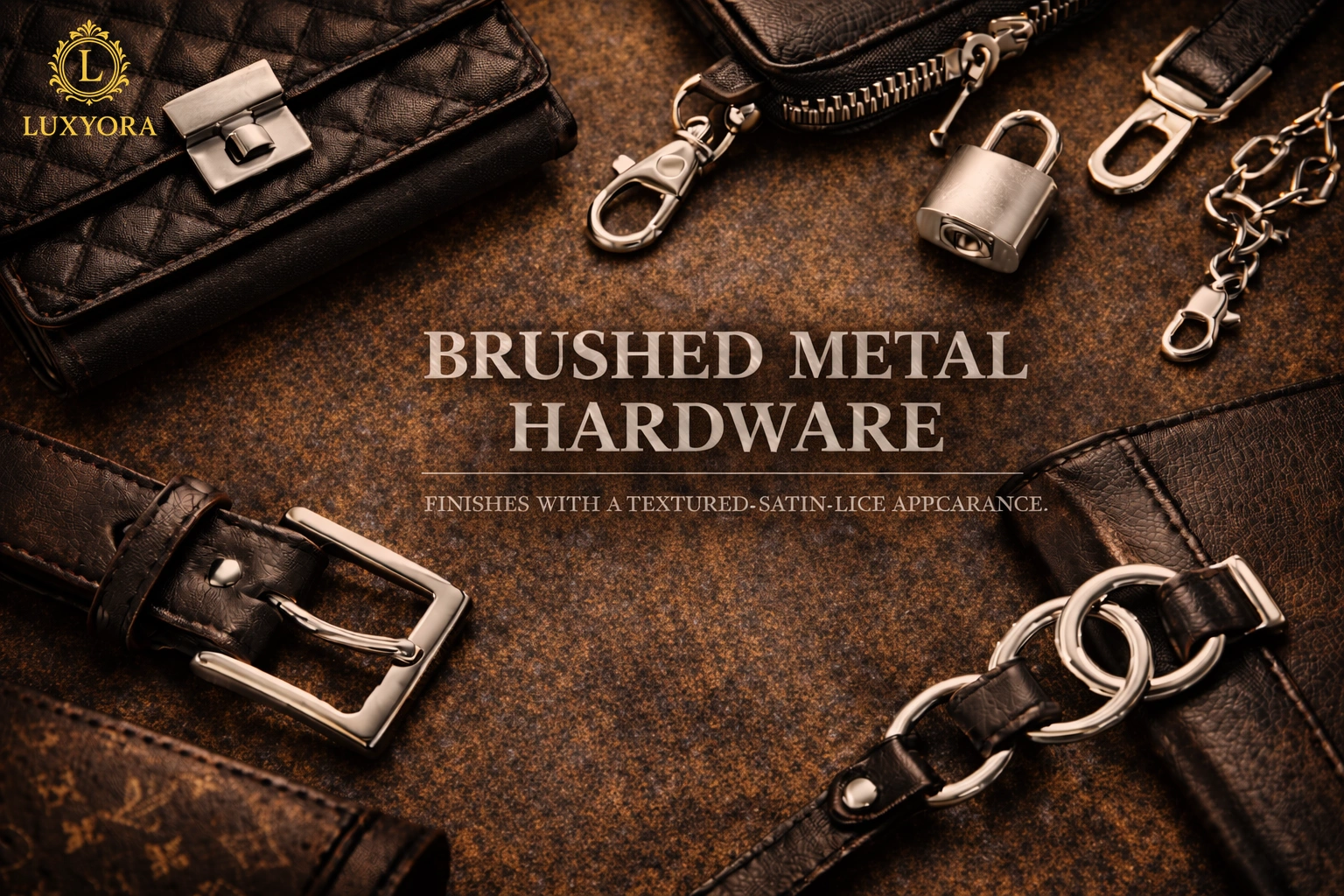
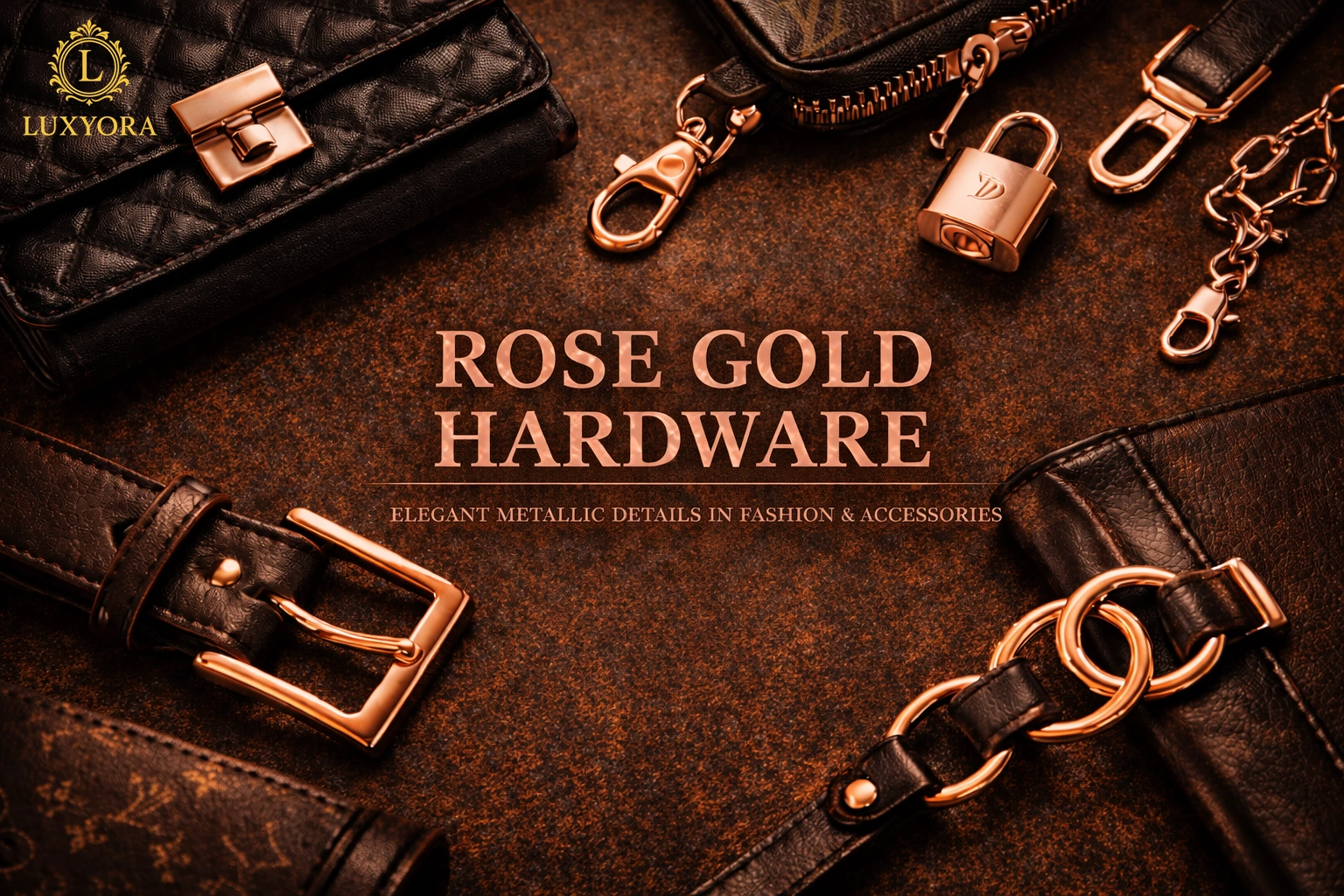
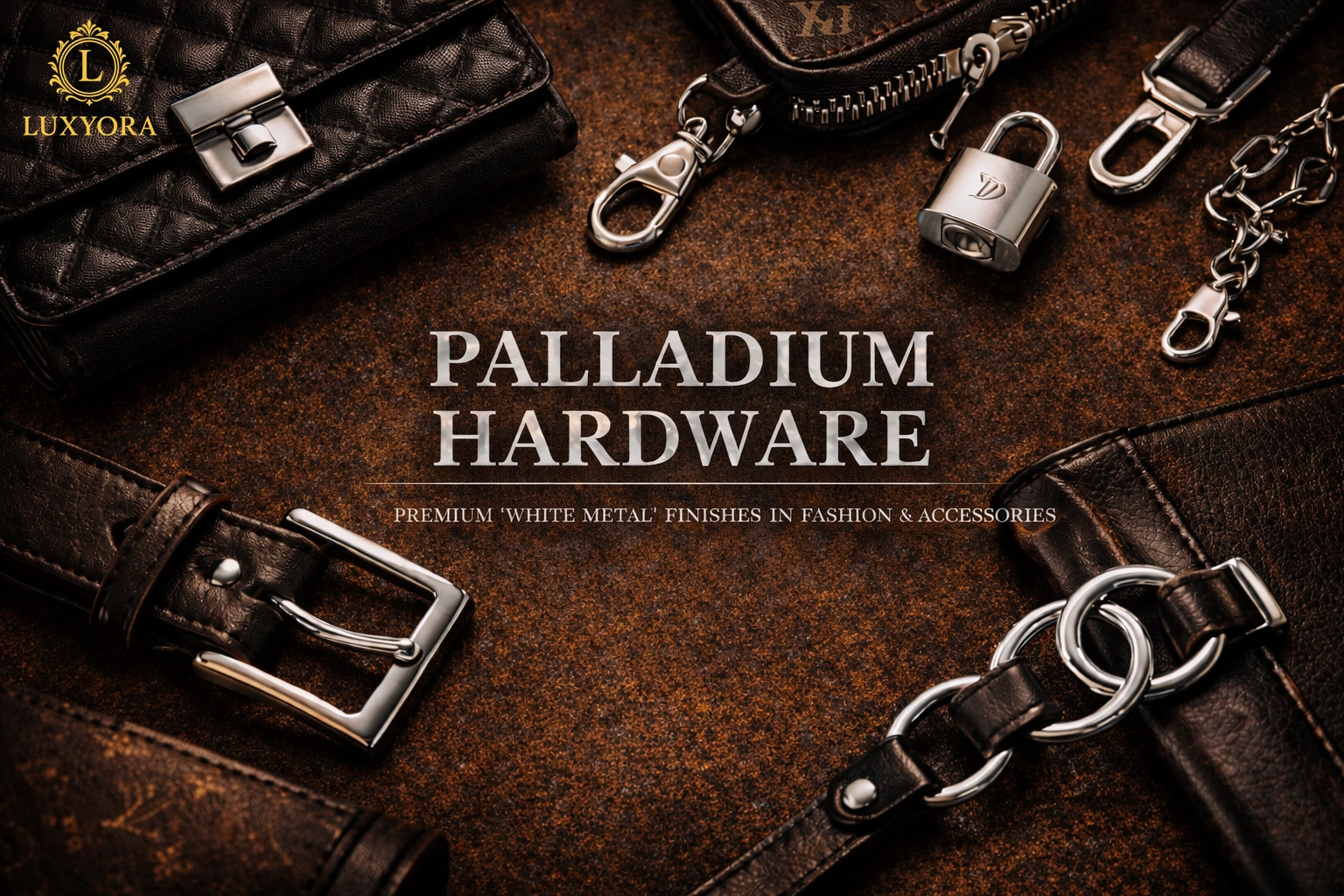
Gold-Tone Hardware : What is Gold-Tone Hardware
In fashion and accessories, gold-tone hardware refers to metal components such as buckles, zippers, clasps, chains, rivets, feet, locks, eyelets, D-rings, and logo plates that have a gold-colored appearance, without necessarily being solid gold. In handbags, belts, footwear, and small leather goods, gold-tone hardware is a defining “finish language”: it can make a product read as classic luxury, vintage-inspired, formal, minimalist, or bold, depending on shape, sheen, and design placement.
Unlike fine jewelry, where “gold” often implies karat purity, gold-tone in fashion is typically an engineered surface finish (plating, coating, lacquer, or PVD) applied over a base metal.
Understanding what lies beneath the shine and how the finish behaves over time is essential for designers, buyers, merchandisers, stylists, and consumers.
What Gold-Tone Hardware Is (and Isn’t)
Gold-tone is a color finish, not a metal purity claim
Gold-tone hardware may be made from:
- Brass (copper alloy)
- Steel / stainless steel
- Zinc alloys (often used for molded hardware)
- Other alloys used in accessory components
The gold look usually comes from a thin surface layer or coating engineered for appearance and sometimes for corrosion and wear performance. In fashion manufacturing, these finishing decisions are not only aesthetic, they also affect durability, cost, environmental footprint, and compliance
Why Gold-Tone Hardware Is So Important in Fashion
Gold-tone hardware functions like “visual punctuation” on a product. It can:
- Signal premium positioning (especially when paired with high-quality leathers and clean construction)
- Create contrast on dark materials (black, brown, navy) and elevate neutrals
- Support brand identity through signature shapes, locks, and logo plaques
- Influence styling: gold-tone often reads warmer and more “heritage,” while silver-tone can feel cooler and more modern
Accessory design references explicitly treat hardware as a major product-development component impacting both design language and brand expression
Common Types of Gold-Tone Hardware in Products
Handbags & small leather goods
- Turn-locks, push-locks, padlocks
- Chain straps, swivel clasps, D-rings
- Zippers, zipper pulls, logo plates
- Base feet, corner protectors
Belts
- Buckles, keepers, rivets, prongs
Footwear
- Eyelets, buckles, decorative bits, studs
The reason hardware matters so much in accessories is that it’s one of the most handled and stress-tested parts of the product. This is why designers and manufacturers pay close attention to finishing methods and wear resistance
How Gold-Tone Hardware Is Made: The Main Finishing Methods
Gold-tone finishes generally fall into three manufacturing approaches:
1) Electroplating (gold-color plating systems)
Electroplating deposits metal onto a component using an electric current in a chemical bath. The process can involve multiple layers for adhesion, barrier performance, and appearance. Industry explanations emphasize that surface preparation and plating time influence finish quality and thickness, and that multiple layers can be used beneath the final finish
Why it’s used in fashion:
- Produces attractive, traditional metallic finishes
- Can be cost-effective for large-scale production
- Works well across many accessory shapes
Quality variables:
- Layer stack (barrier layers, adhesion layers)
- Plating thickness and uniformity
- Base-metal quality and polishing level
2) PVD (Physical Vapor Deposition) coatings
PVD is a vacuum-based coating method used widely for decorative and functional finishes. In fashion metal accessories, research and review literature describe PVD as a growing alternative because it can provide decorative color effects and potentially lower environmental burdens versus some traditional plating pathways, though compatibility and geometry challenges can exist depending on substrates and shapes
A fashion-industry comparison study specifically discusses electroplating vs PVD in terms of scenarios and environmental impacts
Why it’s used in fashion:
- Strong decorative range (gold/yellow-gold/rose tones)
- Often marketed as more wear-resistant in daily-use contexts
- Increasing interest due to sustainability pressures
3) Lacquer / clear-coat sealing
Some manufacturers apply a protective lacquer/clear coat over metallic finishes to reduce oxidation and surface wear, especially on pieces likely to be touched frequently (e.g., bag closures, belt buckles). While approaches vary, sealing is a known strategy in fashion finishing to protect appearance and slow tarnish.
Durability and Wear: What Happens Over Time
Gold-tone hardware is exposed to:
- friction (rubbing against clothing, skin oils)
- moisture and humidity
- salt/sweat
- perfumes, sanitizers, lotions
- UV and heat during storage
Over time, gold-tone finishes may show:
- tarnish or dulling
- micro-scratches
- edge wear (where corners lose coating first)
- color shift (warm gold becoming brassy or patchy)
Luxury resale and care guidance often stresses storage conditions and protecting hardware from sunlight and environmental exposure to help prevent tarnish, rust, and loss of luster
How to Assess Gold-Tone Hardware Quality (Professional Checklist)
When evaluating a bag, belt, or shoe (either as a buyer or for product development), use these checkpoints:
1) Finish consistency
- Is the gold-tone uniform across all parts?
- Are there cloudy areas, patchiness, or visible base metal?
2) Feel and function
- Smooth opening/closing (clasps, locks, zippers)
- No sharp edges or burrs
- Weight appropriate to product tier (very light hardware can indicate cost-cutting)
3) Scratch behavior
- Does it mark easily with light contact?
- Do corners show rapid abrasion?
4) Corrosion resistance cues
- Any early spotting, discoloration, or dulling around high-touch zones?
5) Hardware-to-product harmony
- Tone match: warm gold vs pale gold vs antique gold
- Surface finish: high-polish, satin, brushed, hammered, antiqued
Accessory design education treats hardware choices as part of the product’s overall design and branding system, not a last-minute add-on
Sustainability and Compliance: Why Finishing Choices Matter
Hardware finishing is increasingly scrutinized because surface-treatment processes can involve hazardous substances and complex waste streams. A fashion-industry study comparing electroplating and PVD emphasizes environmental considerations and decision support for selecting finishing processes.
A broader review of decorative PVD highlights environmental concerns about traditional electroplating effluents and notes industry interest in alternative solutions.
On the regulatory side, chrome-related restrictions and workplace exposure concerns can influence plating and finishing strategies across industries. For example, reporting on a proposed EU-wide restriction framework for certain hexavalent chromium substances notes potential impacts on uses including electroplating and surface treatments.
Care and Maintenance: How to Keep Gold-Tone Hardware Looking New
Daily / weekly
- Wipe hardware gently with a soft, dry microfiber cloth after use (removes oils and moisture).
Avoid
- Direct contact with perfumes, hand sanitizer, and harsh cleaners (they can accelerate dulling and corrosion).
- Storing in humid areas; avoid prolonged sun exposure.
Storage
Keep in a cool, dry place; store bags in dust bags and away from windows. The RealReal specifically notes protecting hardware from the sun to avoid tarnish and loss of luster.
Professional repair
- For high-value bags, some owners use professional restoration or replating services. (Always consider brand policies and potential resale implications before altering hardware.)
Conclusion: Gold-Tone Hardware as a “Micro-Luxury” Detail
Gold-tone hardware is a deceptively technical fashion term. It is not just “gold color,” it’s a set of material choices, finishing technologies, durability expectations, and brand signals. For designers, the right gold-tone finish can elevate an accessory into a signature product. For buyers and consumers, understanding plating vs. coating vs. sealed finishes helps them judge quality, care for them properly, and set realistic expectations for wear over time.
References
- Gilroy, D.-J. (2023). Fashion bags and accessories: Creative design and production. Laurence King Publishing. (Laurence King Publishing UK)
- Saunders, A. (2023). Design, manufacture and sell your bag collection. Bloomsbury Visual Arts. (Bloomsbury Publishing)
- Jain, S. K., & Aggarwal, A. (2019). Handbook on electroplating, anodizing, galvanizing, phosphating, powder coating (1st ed.). Bhartiya Technical Publications. (Flipkart)
- AIHA. (2025, May 1). European Chemicals Agency proposes partial ban on hexavalent chromium substances. (AIHA)
- Bandinelli, R., Fani, V., & Bindi, B. (2021). Electroplating and PVD finishing technologies in the fashion industry: Perspectives and scenarios. Sustainability, 13(8), 4453. https://doi.org/10.3390/su13084453 (MDPI)
- Sharretts Plating Company. (2024). How gold electroplating is done. (sharrettsplating.com)
- The RealReal. (2023, December 18). The best ways to care for designer handbags. (The RealReal)
- Vorobyova, M., et al. (2023). PVD for decorative applications: A review. Coatings (open-access via PubMed Central). (PMC)