Lagos Fashion Week
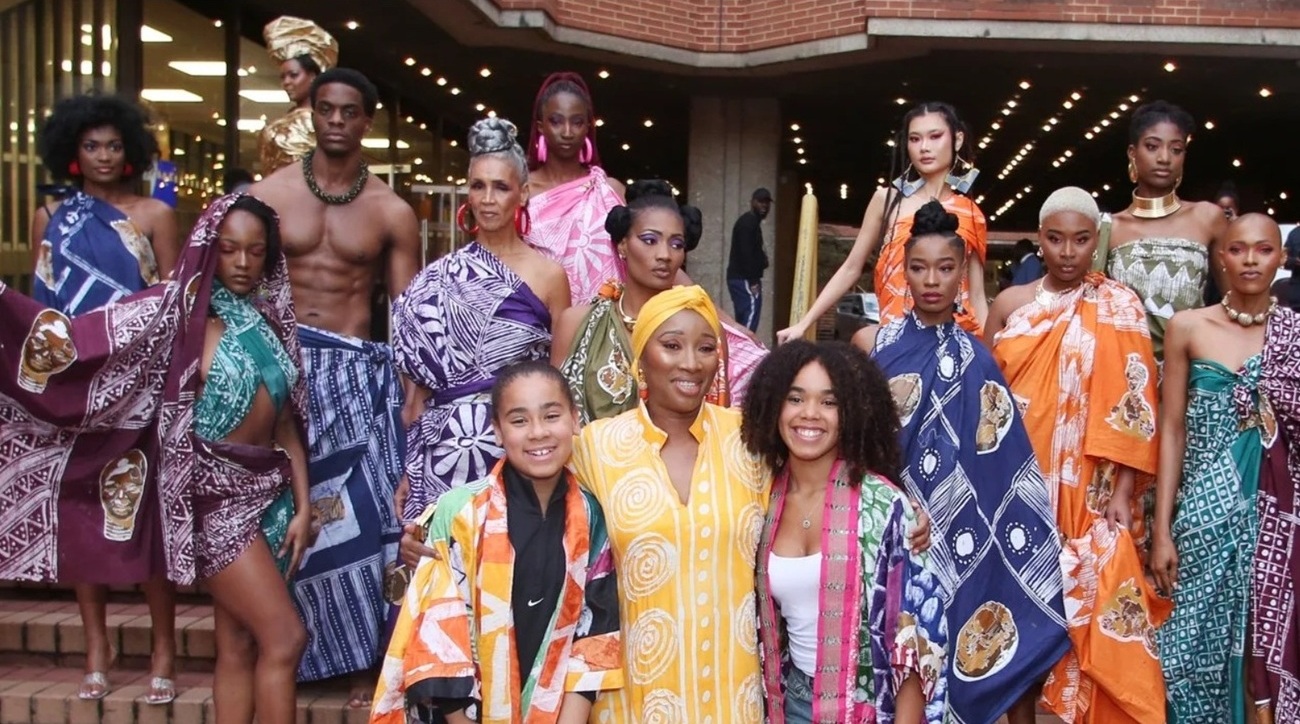
Lagos Fashion Week, widely abbreviated as LagosFW, is an annual multi-day fashion platform held in Lagos, Nigeria, that brings African designers together with buyers, consumers, media, artisans and industry partners. Founded in 2011 by Omoyemi Akerele and produced by the fashion-development agency Style House Files, the event combines runway shows and presentations with retail activations, business discussions, emerging-designer programmes and sustainability initiatives. Rather than functioning solely as a seasonal showcase, Lagos Fashion Week has developed into an industry-building platform that connects African creativity with commerce, skills development, cultural preservation, and international market access.
From a Lagos Runway to a Continental Platform
The first Lagos Fashion Week was staged in 2011, originally under the Lagos Fashion and Design Week name. Its debut programme brought together more than 40 designers, with early participants including Lisa Folawiyo, Maki Oh, Nkwo and Bridget Awosika. The event established a regular meeting point for designers who were building contemporary businesses around African textiles, local craftsmanship and distinctive cultural narratives.
Over the following 15 editions, the platform expanded beyond the runway. Its schedule came to encompass designer presentations, showrooms, business forums, retail partnerships, exhibitions, digital films, talent-development programmes and events staged across Lagos. The 2025 anniversary edition ran for five days and, according to The Guardian, involved more than 70 designers and attracted over 15,000 attendees.
The Earthshot Prize now describes Lagos Fashion Week as Africa’s largest and most influential fashion event. While the continent is home to several important fashion weeks with different regional roles, LagosFW’s sustained visibility, pan-African schedule and investment in year-round programming have given it a particularly influential position.
Omoyemi Akerele and the Style House Files Vision
Omoyemi Akerele entered fashion after studying law at the University of Lagos and international economic law at the University of Warwick. Her early professional experience included legal practice, styling and fashion publishing before she established Style House Files in 2008. Lagos Fashion Week followed in 2011 as one of the agency’s principal industry-development initiatives.
Style House Files describes itself as a fashion business development agency focused on advancing Nigeria’s and, more broadly, Africa’s textile and apparel sector. Its activities cover creative direction, market positioning, retail strategy, mentoring, talent discovery and skills development. That structure explains why Lagos Fashion Week has gradually become more than an annual event: the runway offers visibility, while the agency’s programmes address education, production, retail readiness and business development throughout the year.
Akerele’s work has subsequently received recognition beyond the fashion industry. In 2025, she was included in the TIME100 Climate list, which highlighted Lagos Fashion Week’s growing importance as a platform for circular design, waste reduction and responsible production.
Developing Emerging African Designers
Fashion Focus Africa is one of Lagos Fashion Week’s longest-running talent-development programmes. Introduced in 2011 as the Young Designer of the Year initiative, it evolved into a broader incubator intended to help emerging designers build the structures required for sustainable growth. Participants receive access to mentorship, business-development support, professional networks, industry knowledge and market opportunities.
The programme’s alumni include Orange Culture, Kenneth Ize, Gozel Green, Meena, Sisiano and Ejiro Amos Tafiri. Other brands associated with its mentoring and discovery work include IAMISIGO and Fruche. These names illustrate the programme’s value as an early-stage platform for designers who later established strong identities within African and international fashion.
The Fashion Focus Fund was introduced in 2018 to add financial assistance to this developmental framework. It has offered grants and mentoring to selected Fashion Focus participants, with Emmy Kasbit and Cynthia Abila among its documented beneficiaries. The amounts and sponsoring partners have varied by programme cycle, making the fund best understood as a continuing support mechanism rather than a single fixed annual prize.
Green Access and a Circular Approach to Design
Lagos Fashion Week launched Green Access in 2018 as an accelerator for emerging designers interested in environmentally, socially and economically responsible fashion. The programme combines mentorship with material research, design development, business education, production guidance and a platform for presenting finished work.
Green Access has progressively adopted a pan-African outlook. Participants have explored upcycling, natural fibres, indigenous textile processes, handcraft, reconstruction and methods of extending a garment’s useful life. Rather than treating sustainability as a visual theme, the programme encourages designers to consider sourcing, waste, durability, artisan relationships and commercial viability as connected parts of a fashion business.
The eighth edition, Green Access 2026, is themed “Crafted in Practice: Reimagining Craft for a Circular Future.” Its four areas of concentration are material innovation through craft, the reinterpretation of heritage techniques, circular production and collaboration with artisan communities. Participants are expected to receive mentorship in research, storytelling, design, business development, communications and production before presenting their work through Lagos Fashion Week.
The announced programme also includes a two-week workshop at Ghana’s Kokrobitey Institute. There, selected designers are expected to study traditional textile techniques, contemporary making and responsible material practices alongside textile practitioners and artists.
Woven Threads: Sustainability Beyond the Main Season
Woven Threads was created in 2020 as the pandemic interrupted conventional physical events. Initially delivered through films, designer stories, and online conversations, it gave Lagos Fashion Week a separate platform to examine responsible production, circularity, traditional knowledge, and changing relationships with clothing.
Its seventh edition, Woven Threads VII: CRAFTED, took place from 9 to 12 April 2026. The programme combined digital presentations, exhibitions, panel discussions and designer-led installations. Its central argument was that craftsmanship should be understood not simply as decoration or heritage, but as living knowledge with economic, environmental and cultural value.
Designers and creative organisations participating in the 2026 edition demonstrated practices ranging from textile reconstruction and natural-material experimentation to weaving, repair and waste transformation. Through this format, Woven Threads gave audiences the opportunity to see both finished objects and the thought, labour and material decisions behind them.
Project Irapada and the Importance of Local Data
Project Irapada is a textile-waste mapping initiative developed by Style House Files with support from the BESTSELLER Foundation and the Lagos Waste Management Authority. Its Phase I study combined field surveys, waste audits and stakeholder interviews to examine textile-waste flows from households, markets and garment-production sites.
The study estimates that Lagos generates approximately 21,684 tonnes of textile waste each month, equivalent to around 260,000 tonnes annually. The figure should be understood as the project’s research estimate and baseline rather than a final state-wide census. Its deeper importance lies in creating data that can inform collection systems, reuse programmes, recycling infrastructure, designer collaborations and future circular-economy policy.
Project Irapada was formally presented as part of Woven Threads VII in April 2026. By placing a research initiative inside a fashion and cultural programme, Style House Files connected environmental data with the designers, artisans, businesses and communities capable of acting upon it.
The 2025 Earthshot Prize
In November 2025, Lagos Fashion Week won the Earthshot Prize in the Build a Waste-Free World category. The award was announced at the Museum of Tomorrow in Rio de Janeiro and included a £1 million grant to advance or replicate the platform’s environmental work. It was the first fashion-week platform to receive an Earthshot Prize.
The Earthshot Prize recognised Lagos Fashion Week for embedding circularity, craft-led innovation, community empowerment and sustainability expectations within its fashion ecosystem. Its assessment also highlighted the platform’s work to strengthen local supply chains, preserve craft skills and encourage designers to consider materials, dyeing, production and transportation more responsibly.
Earthshot support is intended to help Lagos Fashion Week replicate elements of its model across five African fashion weeks by 2030. Kigali, Dakar and Accra have been identified among the first cities in this expansion plan.
A Blueprint for a Regenerative Fashion Future
On 22 June 2026, during London Climate Action Week, the African Fashion Coalition launched The Blueprint for a Regenerative Fashion Future in collaboration with Lagos Fashion Week and the Earthshot Prize. The declaration calls for an African fashion system that retains more economic value on the continent while protecting cultural knowledge, supporting communities and responding to climate realities.
The document is organised around ten pillars: cultural heritage and living knowledge; circularity; community-led prosperity; cultural sustainability and intellectual-property protection; waste justice; local production and economic sovereignty; regenerative innovation; market access; infrastructure; and conscious consumption.
Drawing on UNESCO data, the declaration notes that Africa exports approximately US$15.5 billion in raw textiles annually while importing roughly US$23.1 billion in textiles, clothing and footwear. It presents local manufacturing, investment, skills, regional supply chains and brand ownership as essential to retaining a greater share of fashion’s economic value.
Building Routes to Retail and International Markets
Lagos Fashion Week has complemented runway exposure with international showrooms, pop-ups and retail collaborations. In April 2019, it partnered with The Shop at Bluebird in London for Between Us, a six-week presentation of African fashion, accessories and lifestyle design. The project introduced participating brands to buyers, press and customers within an established London retail environment.
Style House Files has also documented collaborations and pop-ups involving Selfridges, KOIBIRD, Moda Operandi and other physical and digital retail destinations. These initiatives help translate editorial attention into commercial opportunities while introducing international shoppers to the breadth of contemporary African design.
Beyond the fashion brands themselves, SHF Trains focuses on apparel manufacturing skills and employability. Its aim is to develop skilled production workers and support factories seeking trained personnel, extending the organisation’s work from designer visibility into the practical requirements of garment production.
Representation on the Lagos Runway
Lagos Fashion Week has also provided a stage for broader ideas about who fashion represents. In 2016, Latasha Ngwube’s About That Curvy Life Collective presented size-inclusive collections by several designers, bringing an organised plus-size showcase to the Lagos Fashion Week runway.
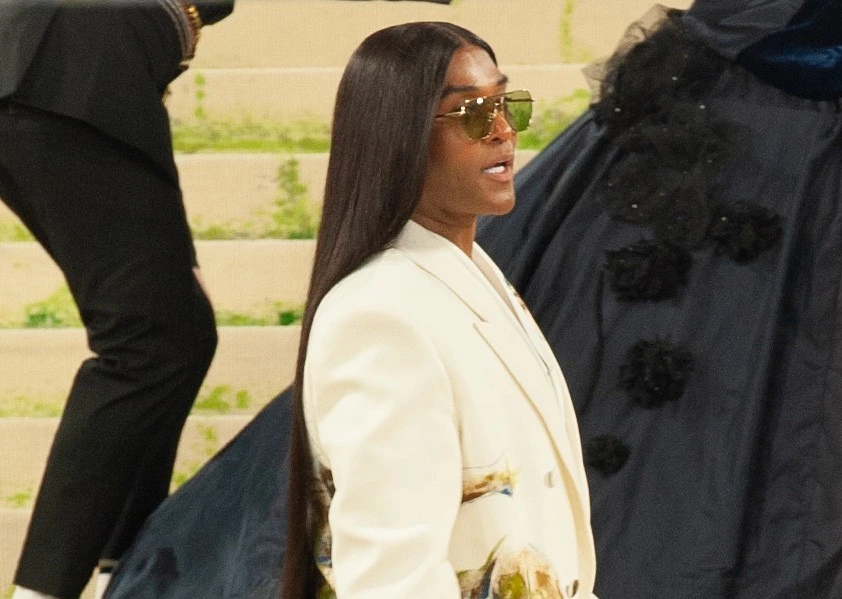
In 2022, model and designer Fola Francis became the first openly transgender woman documented as walking at Lagos Fashion Week, appearing for Cute-Saint and Fruche. Her participation became a recognised moment in the event’s history of representation and contemporary cultural expression.
A Long-Term Partnership with Heineken
Heineken became Lagos Fashion Week’s title sponsor in 2015. By 2025, the partnership had reached its tenth year and was supported by the “City of Cities: Where Taste Rules” campaign. Over the decade, the collaboration contributed to event presentation, cultural programming, marketing visibility and initiatives connecting fashion with music, design and sustainability.
The longevity of the relationship is notable within the African creative-events landscape. It has allowed both partners to develop projects across multiple seasons rather than treating sponsorship as a single promotional moment.
Why Lagos Fashion Week Matters
Lagos Fashion Week’s importance lies in the relationship it has built between spectacle and structure. The runway remains its most visible expression, but the wider platform includes mentorship, grants, skills development, retail access, environmental research, public discussion and collaboration with artisans and manufacturers.
Its story is therefore not simply about presenting African fashion to an international audience. It is about strengthening the systems through which African fashion is designed, made, valued, sold and remembered. The Earthshot Prize, Project Irapada and the Regenerative Fashion Future declaration have expanded that ambition further, positioning circularity, cultural knowledge and local value creation at the centre of its next chapter.
Fifteen years after its debut, Lagos Fashion Week stands as both a celebration of contemporary African design and a practical framework for its continued development. Its enduring contribution is the conviction that fashion can preserve knowledge, sustain livelihoods, build businesses and imagine a responsible future while remaining unmistakably creative, expressive and rooted in place.
References
BusinessDay Nigeria. (2019, April 4). Lagos Fashion Week “Between Us” launch at The Shop at Bluebird London.
The Earthshot Prize. (2025). Lagos Fashion Week: 2025 winner, Build a Waste-Free World.
The Earthshot Prize. (2025, November 6). The Earthshot Prize announces 2025 winners.
The Earthshot Prize. (2026, June 23). New proof of climate progress revealed at the Earthshot Prize Impact Assembly.
FAB L’Style. (2026, April 14). Everything that happened at Woven Threads VII 2026 in Lagos.
The Guardian. (2025, November 13). “Fashion has the power to create jobs, preserve culture and transform lives”: Is Lagos the world’s most exciting fashion week?
The Guardian Nigeria. (2025, October 29). Firm marks 10 years of partnership with Lagos Fashion Week.
Lagos Fashion Week. (n.d.). About Lagos Fashion Week.
Lagos Fashion Week. (2026). Green Access 2026: Crafted in Practice—Reimagining Craft for a Circular Future.
Lagos Fashion Week & African Fashion Coalition. (2026). The Blueprint for a Regenerative Fashion Future.
Marie Claire Nigeria. (2026, July 22). Lagos Fashion Week opens applications for Green Access 2026.
Style House Files. (n.d.). About Style House Files.
Style House Files. (n.d.). Programmes: Fashion Focus, Fashion Focus Fund and SHF Trains.
Style House Files. (2025). Project Irapada: Mapping textile-waste flows in Lagos.
TIME. (2025, October 30). Omoyemi Akerele: The 100 most influential climate leaders in business.
Vogue. (2025). Fifteen years on, Lagos Fashion Week is still shaping the future of African fashion.
Vogue Business. (2022, November 2). Inside Africa’s leading fashion week.