Why Certain Jewelry Designs Are Reserved for the Elite | Luxyora
Some jewelry doesn’t just sparkle, it separates. You can feel it the moment you see it: a necklace that looks engineered rather than assembled, a ring with a stone so saturated it feels unreal, a bracelet that sits on the wrist with that unmistakable “this was made for someone” energy. These designs aren’t simply expensive. They’re selective.
And that’s the point.
Certain jewelry designs are “reserved for the elite”, not because the world is short on gold, but because luxury has mastered something more powerful than materials: access. The highest tier of jewelery is built around scarcity (real and curated), craftsmanship that can’t be scaled, and social systems that decide who gets invited to the velvet rope.
Here’s what’s really going on behind those quietly unattainable designs.
1) The design itself is a gate
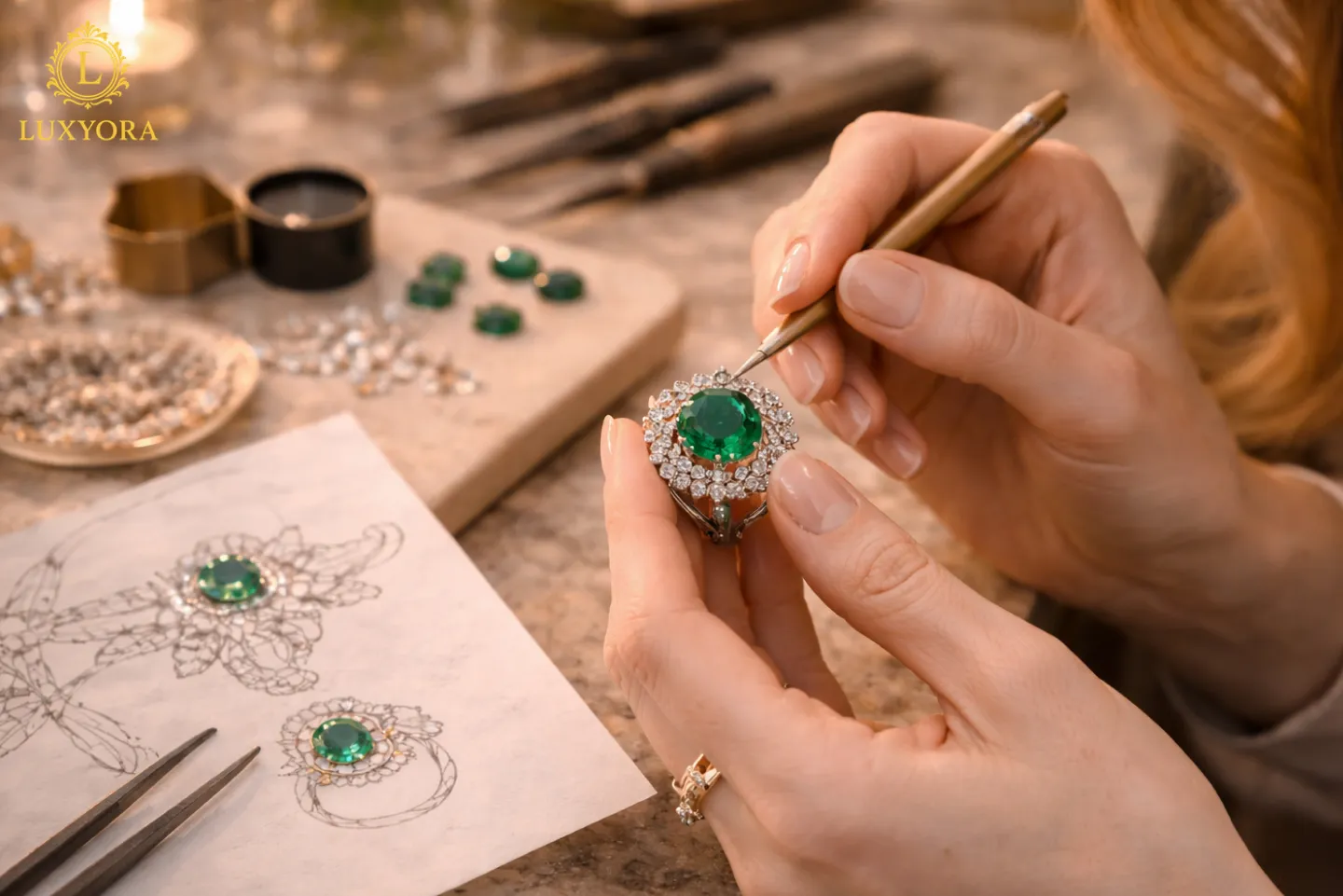
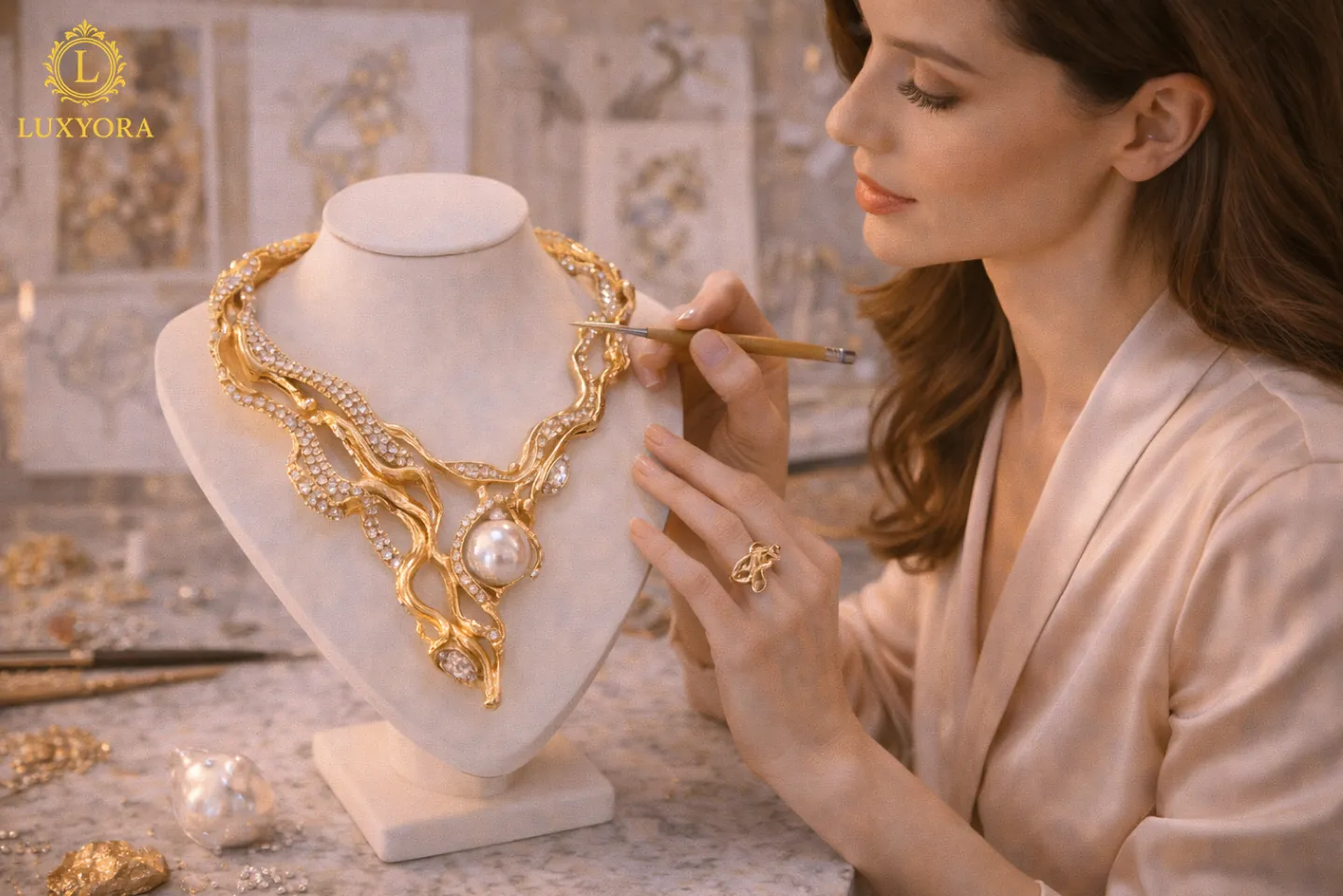
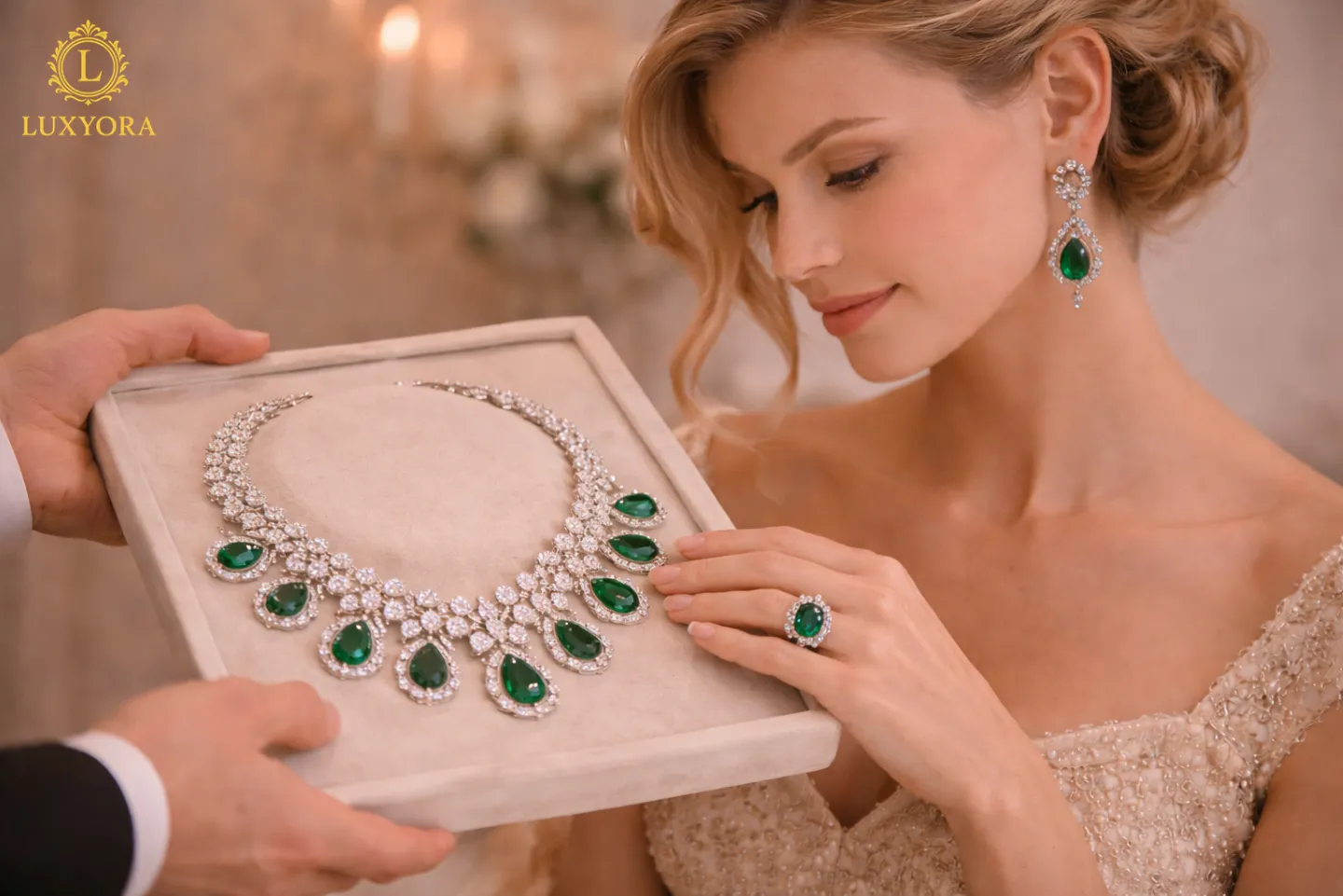
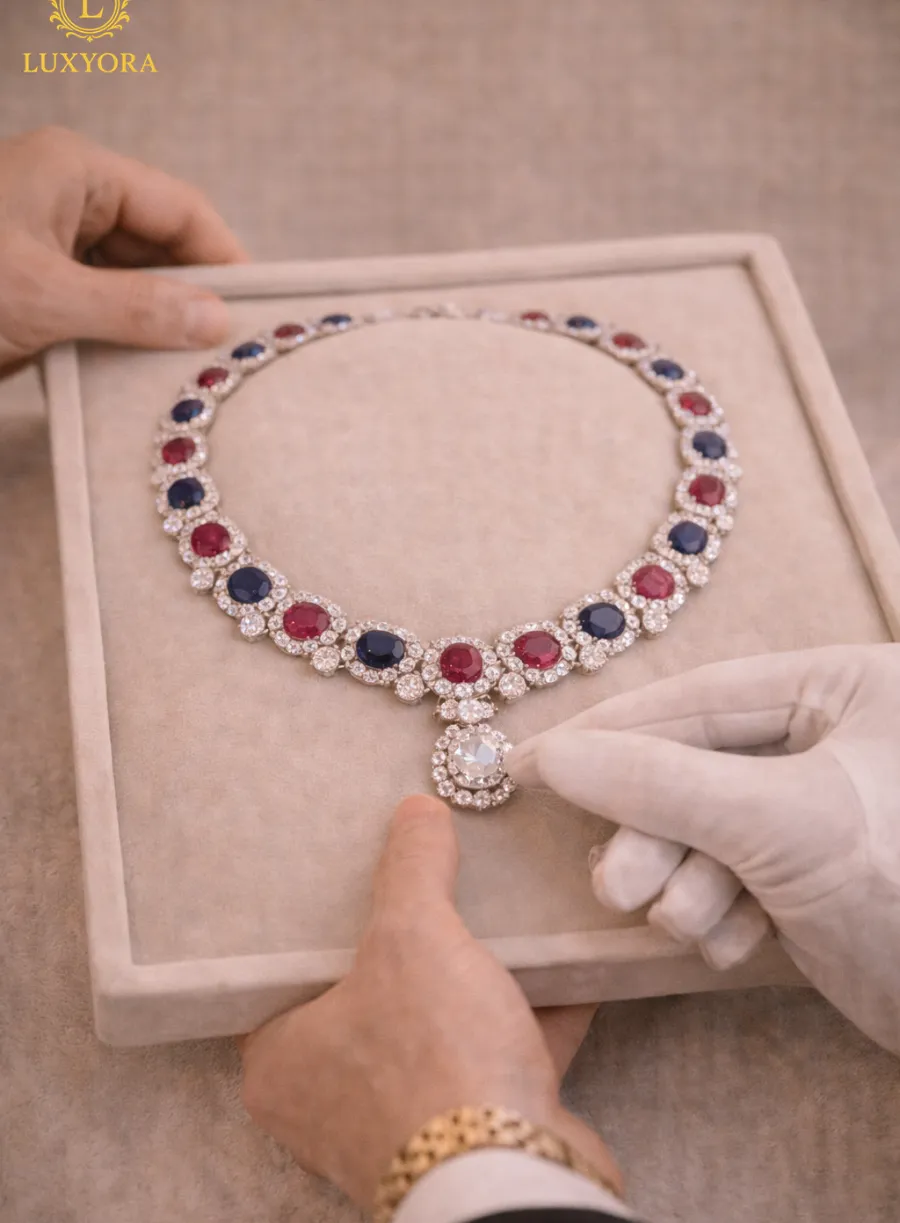
Elite jewelry designs often have a signature architectural piece that requires master-level planning before a single stone is set. Think intricate high-jewelry collars, articulated fringe necklaces, convertible tiaras, or gemstone suites that match so perfectly they look genetically related.
These aren’t “designs” in the casual sense. They’re engineering projects disguised as beauty. The more complex the construction articulated links, invisible settings, bespoke mechanisms, the smaller the pool of ateliers capable of executing it consistently. And when the pool is small, the output stays limited. Limited output becomes exclusivity. Exclusivity becomes demand.
2) Scarcity is both natural and curated
Some scarcity is genuinely geological: exceptional rubies, emeralds, and sapphires of top color and clarity simply do not appear on schedule. Even diamonds, while widely available, become dramatically rarer at high sizes and high grades.
But luxury also curates scarcity through:
- limited production runs
- discontinued motifs
- invitation-only previews
- “one for you, not for the boutique” pieces
This is why certain designs feel as if they circulate within a small universe of collectors. The brand isn’t just selling an object; it’s controlling the availability of desire.
3) The stone-matching problem is elite by nature
High jewelry is often reserved for the elite because of a brutally simple issue: matching.
A necklace made of perfectly graded diamonds or a suite of emeralds that harmonize in tone, saturation, and glow is rare, not because one stone is rare, but because the set is rare. The effort required to source matching stones, sometimes over years, creates natural exclusivity. It’s also why top houses can price these designs like art: you’re paying for time, selection, and access to supply networks that most people never see.
4) Time is the most expensive ingredient
Luxury jewelry isn’t priced like a metal object. It’s priced like a performance: expertise + time + risk.
Elite designs require:
- hours of hand-finishing that can’t be rushed
- stone-setting precision that can’t be automated without losing soul
- multiple rounds of quality control
- and often, bespoke adaptation to the wearer
Time is what makes a piece hard to scale, and what makes it feel “rare” even before you learn the price.
5) Proof and standards become part of the prestige
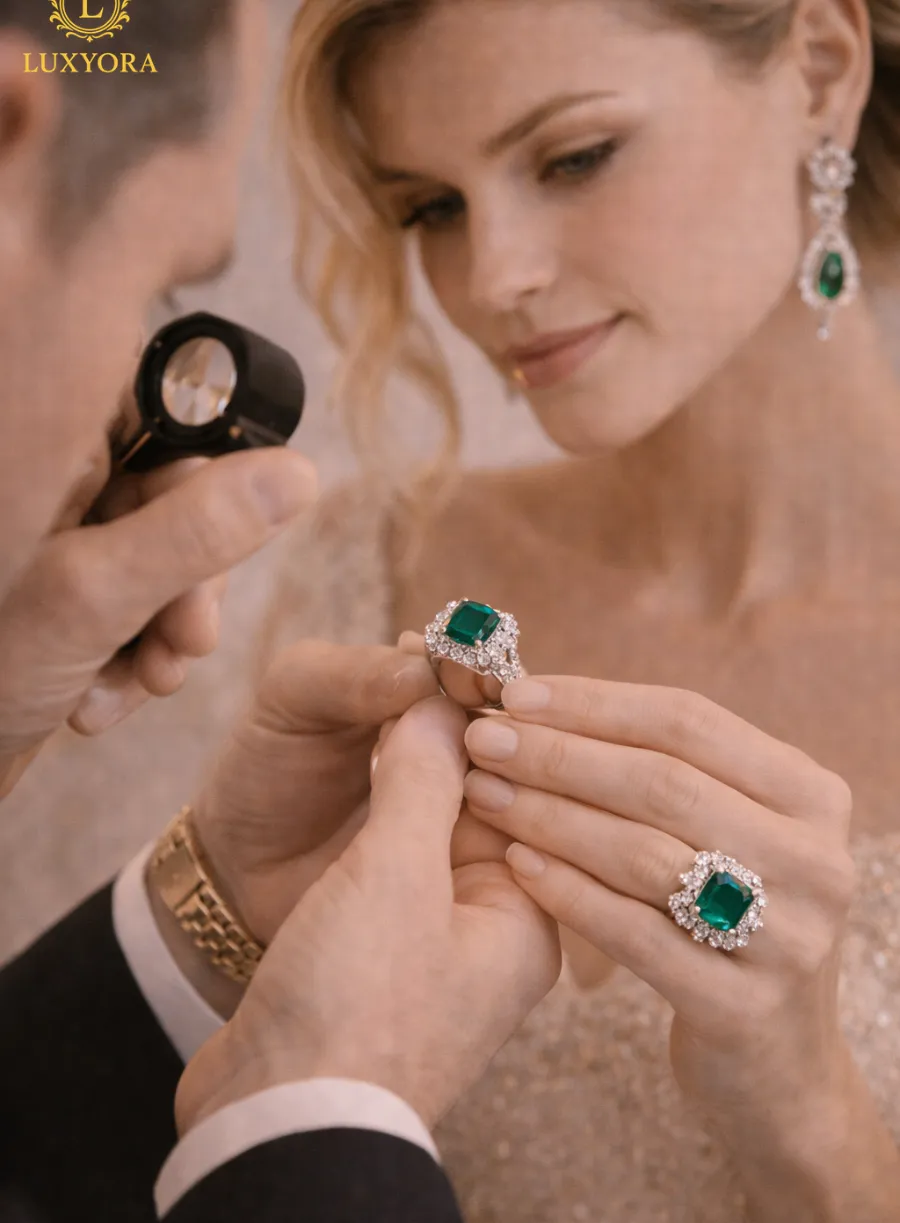
As pieces get more valuable, the demand for trust grows. Elite designs are often the ones most carefully documented: metal fineness standards, hallmarks, lab reports, provenance history, and service records.
Industry standards bodies have detailed frameworks for precious metals and jewelry nomenclature, and these systems matter because they help create buyer confidence, especially when values are high. Confidence turns into liquidity. Liquidity helps protect prestige.
In elite jewelry, paperwork isn’t boring; it’s power. It says: “This is real. This is recognized. This can travel.”
6) Clienteling is the modern throne room
One of the most underestimated reasons certain jewelry designs are “reserved” is simple: relationships.
Luxury brands operate with a two-tier reality: the boutique floor and the private salon. Many of the most desirable pieces are placed through client advisors to top clients first, people whose buying history signals loyalty, spending power, and social influence.
In the luxury world, a small percentage of customers can account for a disproportionate share of sales, which makes brands intensely motivated to protect and reward those relationships. That’s why some designs are never “available.” They’re allocated.
7) Elite design is also about discretion
Here’s the delicious contradiction: the highest-status jewelry isn’t always the loudest. In fact, elite buyers often prefer designs that read as unmistakably fine without screaming for attention.
That’s why certain silhouettes are repeatedly associated with “top-tier” taste:
- perfectly proportioned diamond pieces
- classic high-carat gold with weight and clean finishing
- iconic motifs worn in subtle sizes
- single exceptional stones in minimalist settings
This is “quiet luxury” at its most potent: jewelry that signals status through workmanship and restraint, not just visibility.
8) Heritage isn’t nostalgia, it’s a value engine
Museums and major exhibitions frame jewelery as something that transforms the body and communicates identity, power, and status across cultures. That idea is not academic fluff it’s the foundation of luxury branding.
Heritage maisons monetize this brilliantly. They sell continuity: archives, motifs with history, techniques passed down like sacred recipes. Designs become elite when they’re tied to a legacy that feels culturally validated. You’re not just buying a bracelet; you’re buying participation in an ongoing story.
9) Elite designs often come with elite “aftercare”
Another quiet separator: service ecosystems.
High jewelry often includes private maintenance, brand-authorized repairs, secure transport options, and dedicated support. That ecosystem matters because a piece isn’t truly elite if it can’t be protected, restored, and authenticated over time. Long-term care is part of what you’re paying for, whether it’s spoken aloud or discreetly woven into the experience.
The real answer: elite jewellery designs are systems, not products
What makes certain jewelry designs “reserved” isn’t only the cost of materials. It’s the stack of invisible advantages behind them:
- rare supply networks
- master craftsmanship
- time as a constraint
- documentation and standards
- client allocation
- heritage storytelling
- and service that keeps the object powerful for decades
That’s why elite jewelry doesn’t just look different, it behaves differently. It’s not meant to be widely owned. It’s meant to be widely admired.
Luxyora Philosophy: True exclusivity isn’t about price, it’s about access, artistry, and meaning. Choose jewelry that carries all three, and it won’t just elevate your look; it will elevate your legacy.
References:
- Bain & Company. (2024). Luxury in transition: Securing future growth. Bain & Company. (Bain)
- CIBJO – The World Jewellery Confederation. (2020). Precious metals blue book (2020-1). CIBJO. (CIBJO)
- Deloitte. (2023). Global powers of luxury goods 2023. Deloitte. (Deloitte)
- Holcomb, M. (Ed.). (2018). Jewelry: The body transformed. The Metropolitan Museum of Art. (The Metropolitan Museum of Art)
- Wang, Y., & Griskevicius, V. (2022). A conceptual framework of contemporary luxury consumption. International Journal of Research in Marketing, 39(4), 1011–1034. ( Click Here )