Are Coloured Gemstones the Next Big Investment Trend? | Luxyora
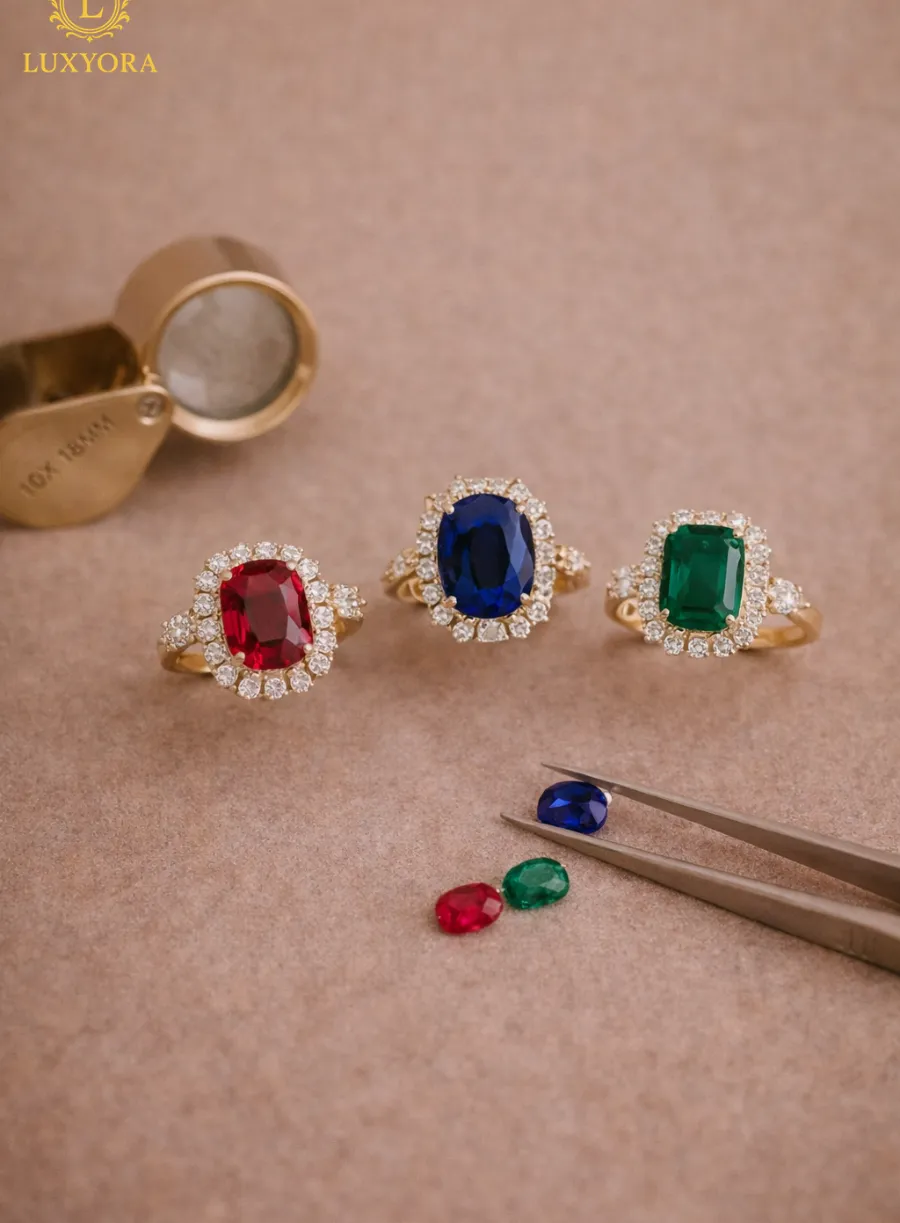
Coloured gemstones are having a moment and not the fleeting, social-media kind. The real kind. The kind that shows up in auction catalogues, in high jewellery showcases, and in the increasingly confident way collectors talk about sapphires, the way watch people talk about vintage references. If diamonds were once the default “serious purchase,” colour is now the conversation piece rarer, moodier, and, in the best cases, startlingly scarce.
But does that mean coloured gemstones are the next big investment trend? Potentially yes. With a few couture-level caveats. Because coloured stones don’t behave like neat, standardised commodities, they behave like art: value is real, but it’s personal, complex, and deeply tied to quality, proof, and taste.
Here’s the honest, stylish truth behind the hype.
Why colour is suddenly everywhere
A few forces are nudging coloured gemstones into the spotlight.
Scarcity is getting louder.
Supply constraints are a recurring theme in the coloured stone sector, and when supply tightens while demand holds, prices tend to follow. The coloured stone market is also more fragmented and less “industrial” than diamonds, which can make top-quality stones feel even more elusive.
Luxury has shifted toward connoisseurship.
The modern luxury buyer is less interested in generic “expensive” and more interested in specific. Rare. Documented. With a story. That cultural pivot is one reason unusual stones, spinels, Paraíba tourmalines, and alexandrite are being treated less like “alternatives” and more like the main character.
Diamonds have competition in the narrative.
With lab-grown diamonds reshaping perceptions of scarcity and value in the diamond space, some collectors are leaning into natural rarity elsewhere. Coloured stones, especially those with strong documentation and natural origin, can offer that “you can’t mass-produce this” feeling.
The investment case: what makes coloured stones compelling
If you strip away the romance and look at the fundamentals, coloured gemstones have a few characteristics investors love.
1) True rarity at the top end
Fine colour is not evenly distributed in nature. The difference between a “nice sapphire” and an exceptional sapphire is not subtle in pricing because it’s not subtle in scarcity. The market doesn’t reward average stones the way it rewards extraordinary ones.
2) A global, collector-driven demand base
High jewellery auctions repeatedly spotlight coloured stones as headline lots, and collector appetite has broadened beyond the traditional trio (ruby, emerald, sapphire) into niche stones with dramatic traits like alexandrite’s colour change.
3) Portability and discreet value density
A small stone can carry outsized value. For certain buyers, that’s part of the appeal: it’s wearable, transportable wealth, though that comes with obvious security and insurance considerations.
The reality check: coloured gemstones are not “plug-and-play” investments
Here’s the part that separates savvy collectors from impulsive shoppers: coloured gemstones can be a wonderful store of value, but they are not automatically liquid, and they are not easy to price without expertise.
1) There is no single price sheet that saves you
Diamonds have relatively standardized grading frameworks. Coloured gemstones are more interpretive. Colour quality, saturation, tone, and how a gem performs in different lighting can change everything. Two stones of the same size can have radically different value.
2) Treatments can change the valuation conversation
Treatments exist across many gemstone categories. The market accepts some, some are not, and some are acceptable only if fully disclosed and documented. If you’re buying “as an investment,” documentation isn’t optional; it’s the difference between a gem that trades confidently and one that gets discounted.
3) Origin can create premiums, but only when proven
Origin can matter dramatically in pricing for certain stones, yet origin is not a casual claim. It’s a scientific determination made by reputable labs, and it’s not always possible for every gem. When it is possible and credible, it can influence value because the market values rarity and narrative.
4) Liquidity is selective
A beautiful stone isn’t automatically easy to resell. Liquidity tends to cluster around:
- widely desired gem types (fine sapphire, ruby, emerald)
- classic shapes and sizes
- strong lab reports and clean provenance
- exceptional quality that makes buyers compete
So… are they the “next big trend”?
Yes, with a specific definition of “trend.”
Coloured gemstones are unlikely to become a mass investment product in the way gold is. They’re too individual, too quality-sensitive, too dependent on expertise. But as a luxury collecting trend and as a store of value for connoisseurs, they’re already moving in that direction.
The more interesting question isn’t “Will everyone invest in coloured stones?” It’s “Will more high-net-worth buyers treat coloured stones as a serious asset class within luxury collectables?” And the current signals auction headlines, supply discussions, and the shift toward rare, traceable gems suggest momentum.
If you want to buy like an investor, not a tourist
If you’re tempted by the coloured stone world, treat it like you would fine art: buy fewer pieces, buy better, and buy with receipts.
1) Prioritize quality over size
In coloured gemstones, a smaller stone with extraordinary colour can outperform a larger stone with “almost” colour. The market pays for the magic, not just the carat weight.
2) Build your “proof stack”
The strongest investment-grade purchases are supported by:
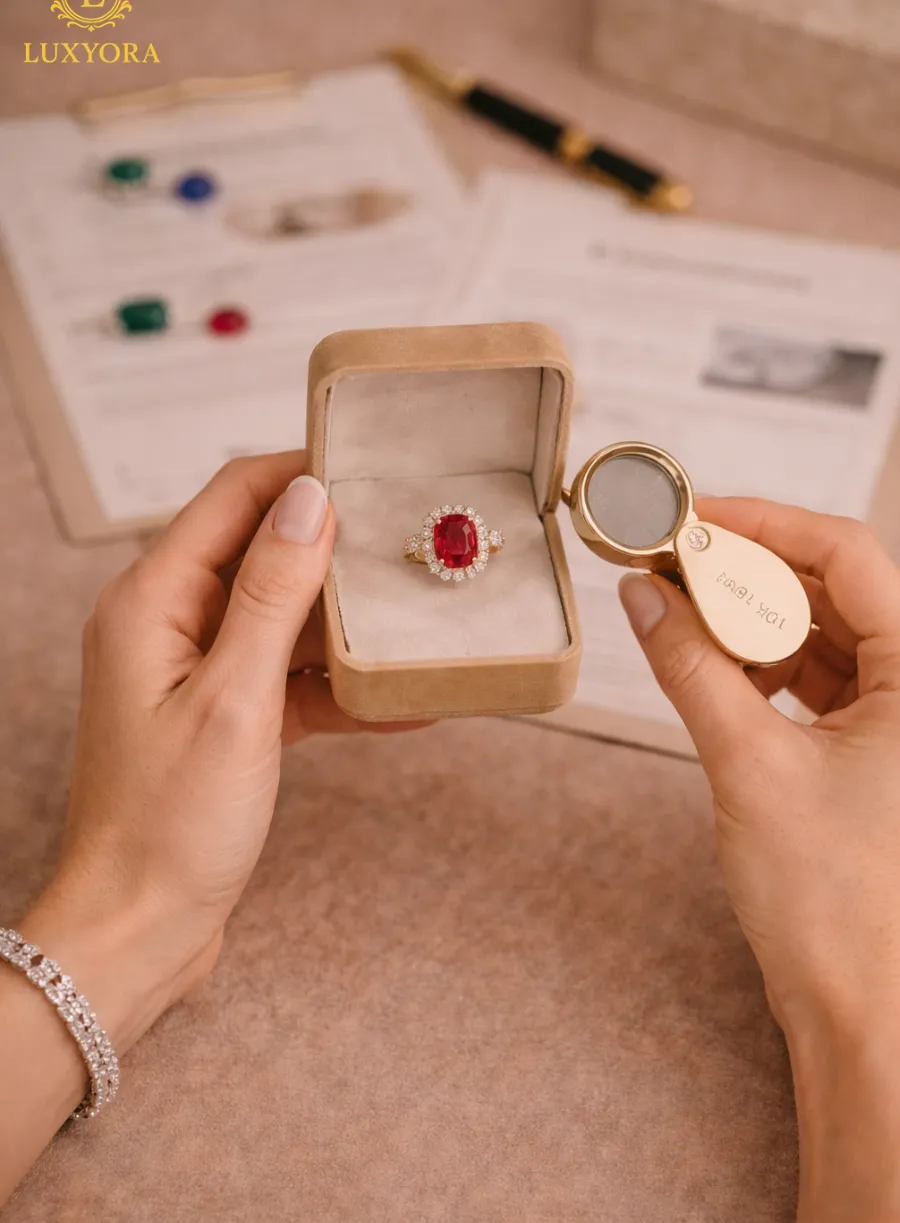
- a reputable lab report (identification, treatments, and origin when applicable)
- detailed invoices and descriptions
- high-quality photos
- any provenance records if the gem is notable
3) Understand what you’re actually buying: loose stone vs jewellery
Loose stones can be easier to evaluate as “the asset,” while jewellery introduces design, brand, and craftsmanship factors that can help or hinder resale. A signed jewel can be a value accelerator; a trendy setting can be a value anchor.
4) Buy with an exit in mind
Will you resell via auction, through a dealer network, or to a private collector? Different routes favour different stones. Auction likes spectacle and rarity. Dealers like liquidity and clean documentation. Private collectors like story and taste.
What stones are most likely to lead the charge?
If coloured gemstones continue to behave like a rising luxury-collectable category, the front-runners tend to be:
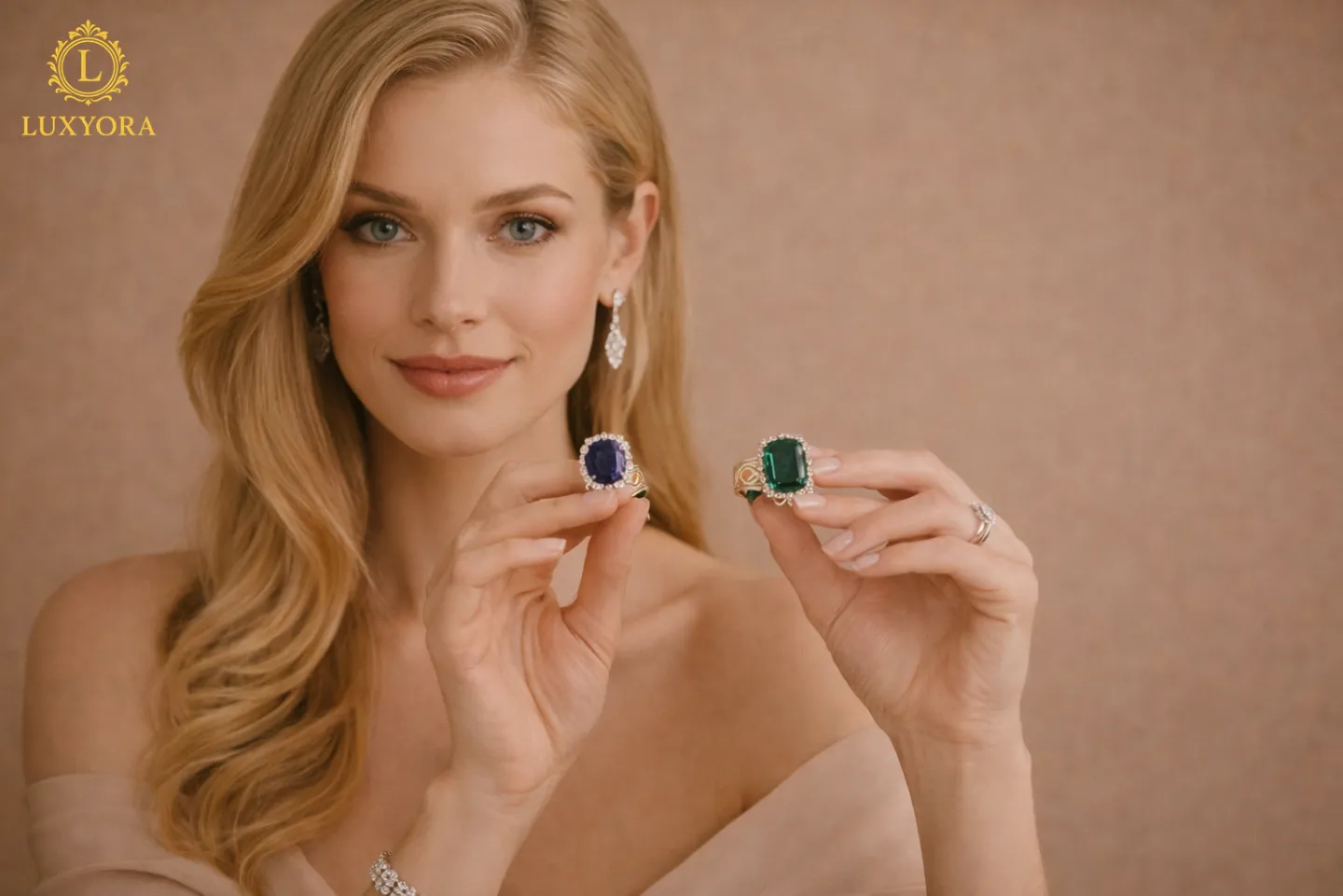
- Fine sapphires (especially rare colour profiles and documented origins when available)
- Fine rubies (top colour and clarity, with strong lab support)
- Fine emeralds (excellent colour and transparency, documented treatment where possible)
- Ultra-rare niche stones (alexandrite, Paraíba tourmaline, certain spinels) when quality is truly exceptional, and demand is collector-led
The “next big thing” is rarely one stone. It’s a tier: the best of the best, plus a few rare personalities that collectors fall in love with.
Luxyora Philosophy: Coloured gemstones aren’t a shortcut to wealth; they’re a commitment to rarity, proof, and taste. Buy the kind of beauty the market can’t replace, and value has a way of following.
References:
- Chubb. (n.d.). Valuable articles insurance coverage. Chubb.
- Insurance Information Institute. (n.d.). Floaters and endorsements: Special coverage for jewelry and other valuables. Insurance Information Institute.
- Jewelers Mutual. (2025). Jewelry appraisals: How often should jewelry be appraised? Jewelers Mutual.
- Jewelers Mutual. (2021). Jewelry appraisals: What everyone forgets when buying jewelry. Jewelers Mutual.
- National Association of Insurance Commissioners. (n.d.). Homeowners insurance. NAIC.
- National Association of Insurance Commissioners. (2022). A consumer’s guide to home insurance (PDF). NAIC.
- Policygenius. (2023). Scheduled personal property coverage: What it is. Policygenius.
- Bankrate. (2025). What is scheduled personal property coverage? Bankrate.
If you want to buy like an investor, not a tourist