How to Avoid Overpaying for Luxury Jewellery | Luxyora
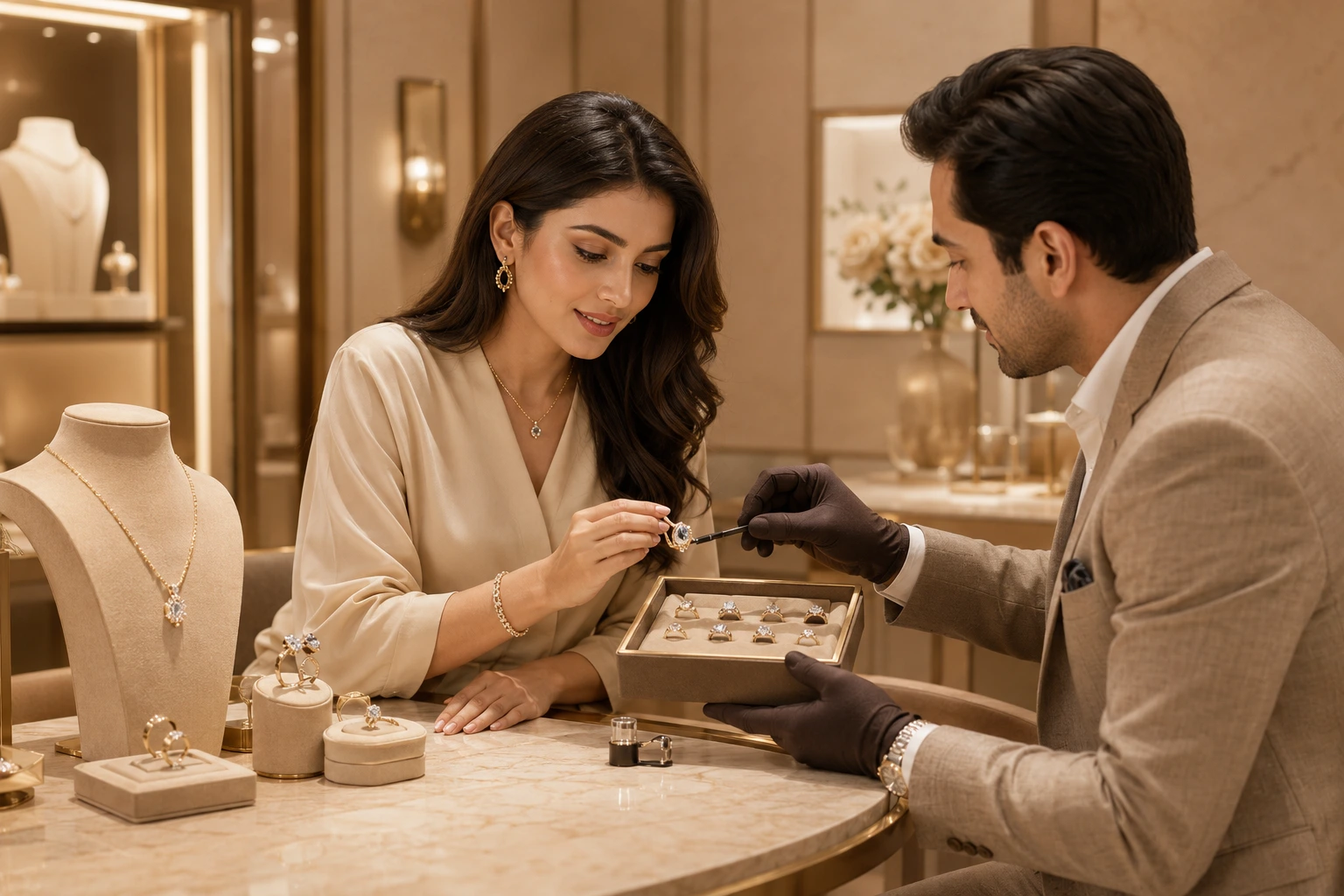
Luxury jewellery is supposed to feel like a thrill, soft lighting, velvet boxes, a little heartbeat moment when something clicks. But the price tag? That should never be a mystery. Overpaying usually doesn’t happen because you “have bad taste.” It happens because jewellery pricing is layered: metal value, stone value, craftsmanship, brand premium, documentation, taxes, and sometimes… a little creative storytelling.
The goal isn’t to be suspicious. It’s to be informed so you can pay for what’s real (quality, rarity, workmanship) and skip what’s inflated (vague claims, weak documentation, “exclusive” markups with no substance).
Here’s how to shop like a luxury insider, confident, calm, and impossible to overcharge.
1) Know what you’re paying for: materials vs craftsmanship vs brand
A luxury price can be justified sometimes brilliantly. But only if you can see where it’s coming from.
Your mental pricing “buckets”:
- Materials: gold/platinum purity, diamond/gemstone quality, pearl type
- Workmanship: setting security, finishing, clasp engineering, handwork complexity
- Brand & service: design signature, warranty, servicing, store experience
If a piece is expensive but the seller can’t explain which bucket is driving the premium, pause.
2) Stop guessing metal purity, check fineness and hallmarks
Metal purity affects value immediately. Always verify:
- gold karat (18K/14K/22K etc.)
- platinum fineness (often PT950)
- whether the piece is solid or plated
In hallmarking jurisdictions, hallmarks indicate the item has been independently tested and verified as matching its description. Even outside hallmarking systems, quality sellers still provide clear fineness marks and invoices that match.
If you can’t find the stamp, ask where it is (rings: inside band; chains: near clasp; bangles: inner edge). If they dodge the question, don’t buy.
3) Weight matters especially for gold
Two pieces can look similar and price wildly differently because gold pricing is heavily tied to weight.
Ask for a clear breakdown:
- gross weight (total)
- net gold weight (gold only, especially if stones are present)
- making charges (labour/craft)
- any additional fees (wastage, stones, taxes)
Overpaying often hides in vague invoices. A luxury invoice should read like a receipt and a story: clear, itemized, specific.
4) Demand real documentation for diamonds and high-value stones
If you’re buying significant diamonds, insist on a reputable grading report and clear disclosure of:
- natural vs lab-grown status
- the 4Cs (cut, color, clarity, carat)
- report number / matching details
For colored gemstones, ask about treatments and whether any lab report confirms identification. Treatments aren’t automatically “bad,” but undisclosed treatments are a classic way buyers overpay.
5) Don’t let “certificate” language fool you
Not all certificates are created equal. Some are independent lab reports. Others are basically branded paper.
What you want:
- a recognized grading report with specifics, not adjectives
- transparency around what exactly was tested and by whom
- written disclosures for treatments and origin claims (if origin is being used to justify price)
If a document says “authentic” but doesn’t specify what was authenticated (metal purity? diamond grading? treatments?), It’s not protecting you; it’s decorating the purchase.
The best way to avoid overpaying isn’t negotiating harder, it’s understanding the paperwork that proves a jewel’s authenticity and value. Discover more in How to Verify Jewellery Certification.
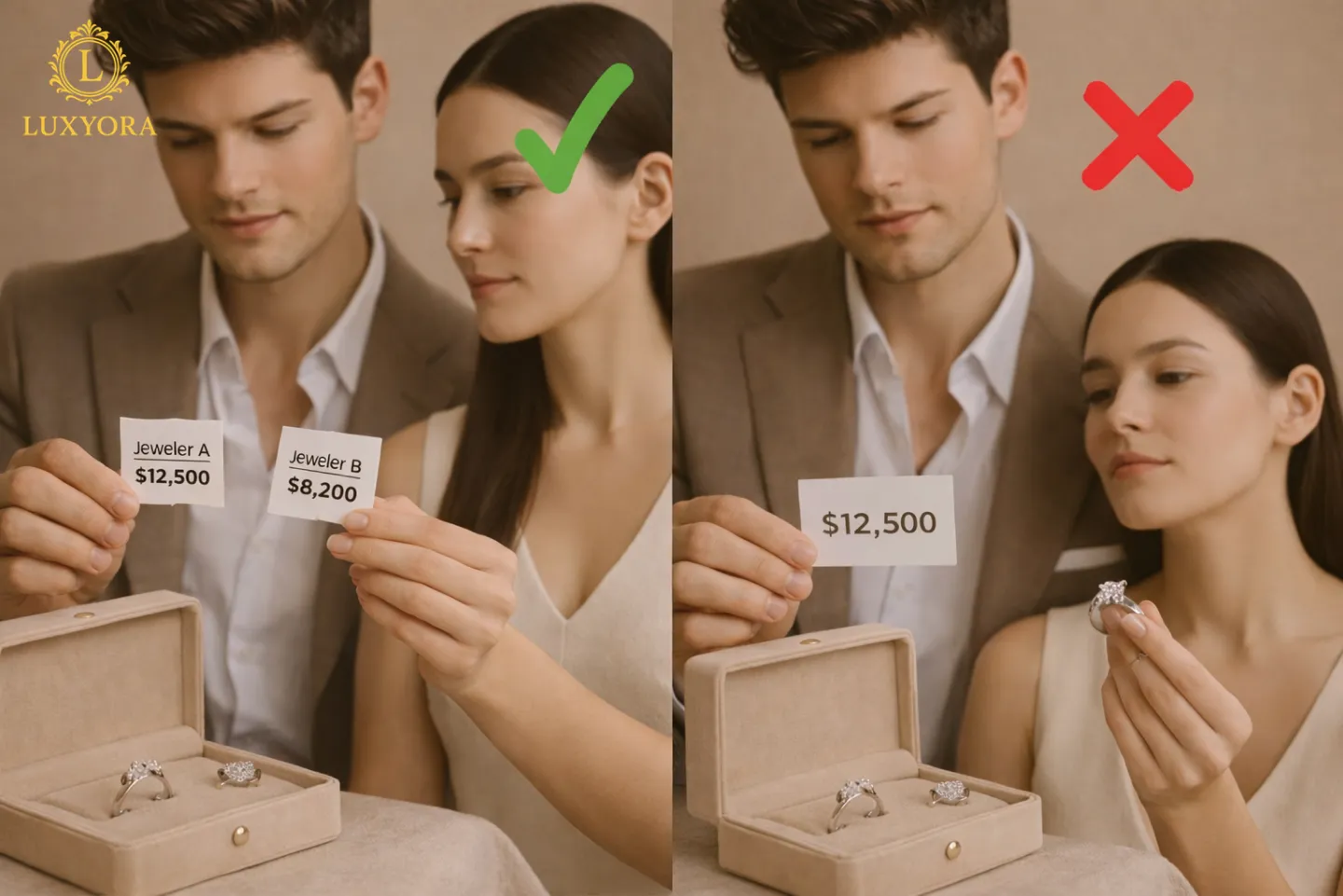
6) Compare apples to apples: the “spec match” trick
Before paying luxury prices, compare at least two to three options with the same key specs:
- same metal and fineness
- comparable diamond size and grading range
- similar design complexity and finishing
This is where you’ll see the difference between:
- a legitimate brand premium (design + service + finishing)
- a pure markup with no added value
Luxury brands often charge more and can be worth it when the construction and service are genuinely better.
7) Watch for common pricing traps
These are the classics:
- Carat obsession: Bigger isn’t always better, especially if the cut is mediocre.
- “Handmade” claims: If it’s described as artisanal, ask what part is hand-done and why it matters.
- “Rare” pearls without proof: Natural pearls are extremely rare and should be supported by serious documentation.
- Overly thin settings: A flimsy setting can look delicate, but it is not a luxury; long-term repairs cost money.
- “Sale” psychology: Discounts are only meaningful if the original pricing was legitimate.
A true luxury purchase should still feel like good engineering.
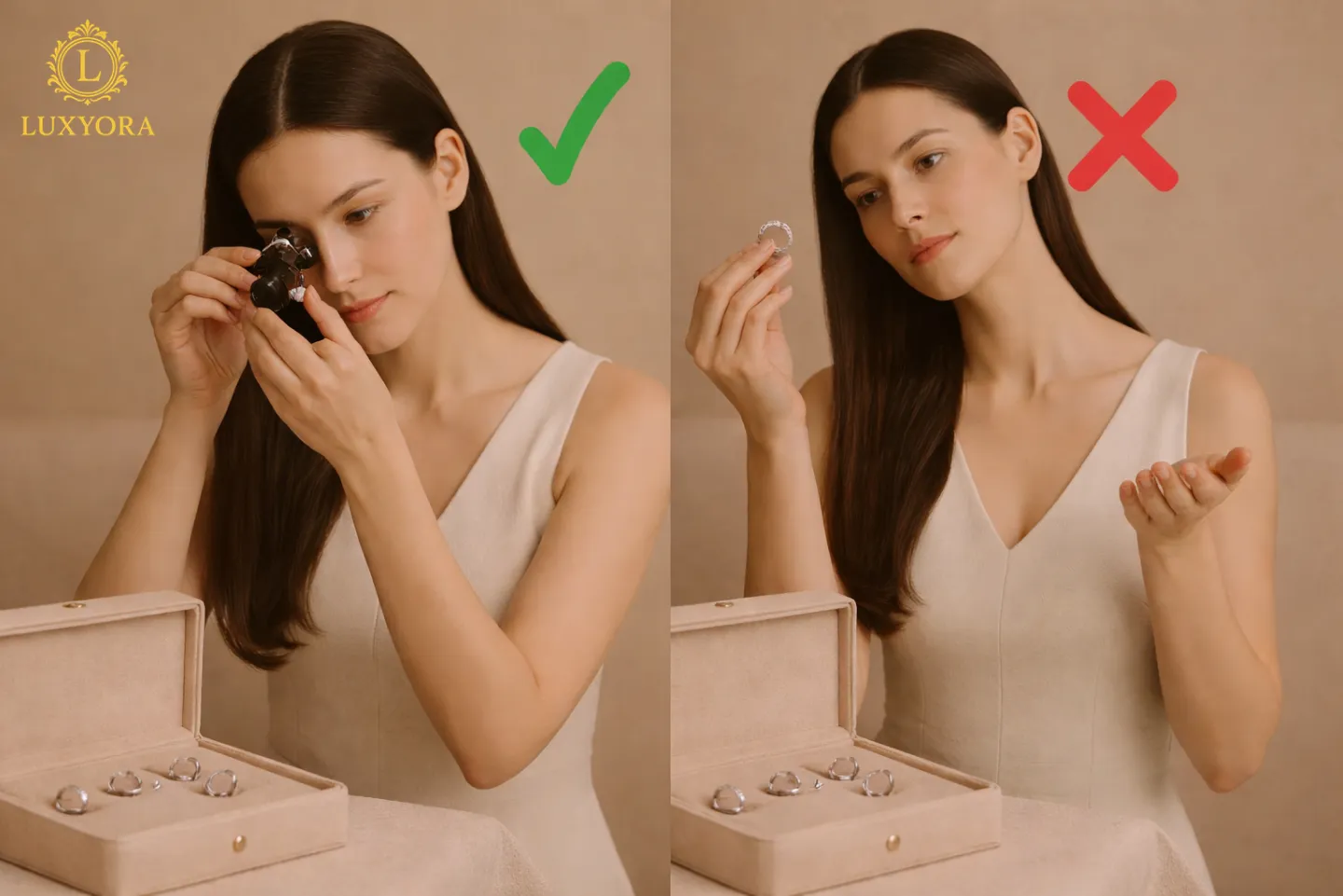
8) Inspect craftsmanship like a jeweller (no tools needed)
Quick checks that save you from expensive regret:
- Clasp test: Does it close securely with a confident click?
- Prongs: Even and symmetrical? Stone sits straight? No wobble?
- Finish: Smooth underside, no sharp edges, no rough seams.
- Symmetry: Earrings match perfectly; links are consistent; settings aligned.
- Comfort: Rings should feel smooth; bracelets shouldn’t pinch.
If the build feels “light” in a cheap way, you’re paying luxury prices for costume construction.
9) Understand resale reality (so you don’t overpay “for investment”)
Most jewellery doesn’t resell at retail value. If a seller uses “investment” language to justify a huge premium, ask what they mean:
- Is it the metal value?
- Is it the stone rarity?
- Is it brand collectability?
Sometimes, investment value exists (in rare stones, iconic pieces, or verified heritage). But most of the time, the true “return” is longevity, wearability, and heirloom potential, not quick profit.
The best way to avoid overpaying is to understand what the market is likely to value long after the purchase is made. Discover more in The Hidden Rules That Decide Jewellery’s Resale Price.
10) Buy from sellers who stand behind the piece
Overpaying often happens when aftercare is missing. Luxury should include:
- clear return policy
- warranty/repair terms
- servicing (cleaning, prong checks, resizing guidance)
- transparent invoices and disclosures
If the brand’s support disappears after checkout, the purchase isn’t luxury; it’s a gamble.
Luxyora Philosophy: The smartest luxury isn’t the lowest price, it’s the clearest value: verified materials, impeccable craftsmanship, and documentation that lets your jewellery shine without doubt.
References:
- CIBJO—The World Jewellery Confederation. (2018). Ethically responsible trading in diamonds, coloured gemstones, pearls & corals: The Do’s and Don’ts (Official English version). CIBJO.
- CIBJO—The World Jewellery Confederation. (2024). Ensuring consumer confidence—Trading in diamonds, coloured gemstones, pearls & corals: The Do’s and Don’ts (Official English version). CIBJO.
- Federal Trade Commission. (2018). Guides for the Jewelry, Precious Metals, and Pewter Industries (16 CFR Part 23). Federal Register.
- Federal Trade Commission. (n.d.). Jewelry, Precious Metals, and Pewter Industries (16 CFR Part 23). Electronic Code of Federal Regulations.
- International Organization for Standardization. (2019). ISO 9202:2019 Jewellery and precious metals—Fineness of precious metal alloys. ISO.
- UK Government. (2022). Hallmarking is the law: Guidance summary. GOV.UK.
- UK Government. (2022). Hallmarking guidance notes (November 2022). GOV.UK.