Why Handbag Prices Vary So Dramatically | Luxyora
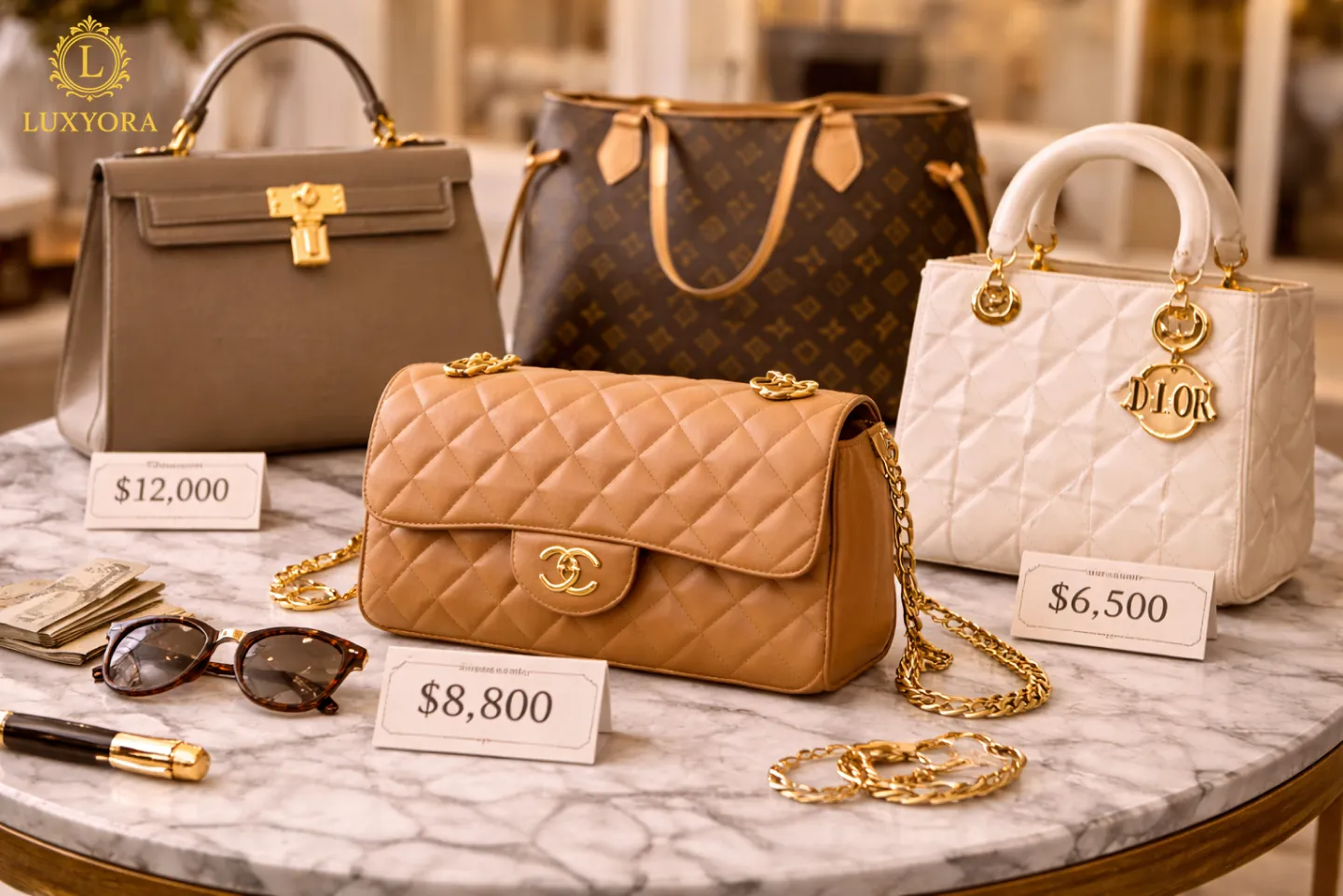
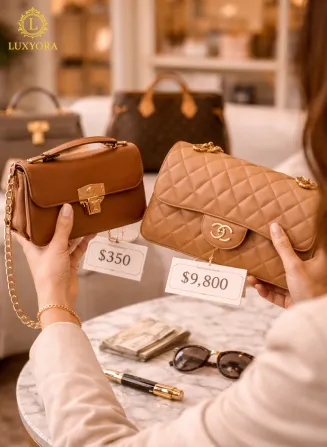
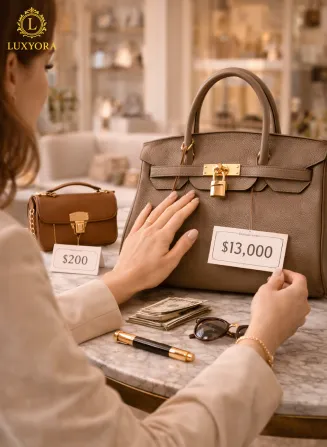
Two handbags can look almost identical at first glance, same size, same silhouette, same “neutral-but-make-it-expensive” color. Yet one costs $180 and the other costs $18,000 (and comes with a waitlist, a sales associate’s phone number, and a dust bag that feels like it belongs in a spa). The gap can feel almost surreal until you peek behind the price tag and realize handbags aren’t priced like simple objects. They’re priced like systems: materials, labor, brand value, distribution strategy, and yes, desire itself.
Here’s what’s really driving those dramatic price swings, from high street to heritage icons.
1) Materials are only the opening line, not the whole story
Let’s start with the obvious: materials matter. Full-grain leather, exotic skins (where legal and used), premium hardware, reinforced linings, and specialty finishes can cost significantly more than synthetic substitutes or lower-grade leather. But here’s the twist: materials rarely explain the full jump from “premium” to “luxury-luxury.”
At the top end, brands aren’t only paying for leather, they’re paying for consistency, traceability, and low defect tolerance. That means more hides rejected, more time spent matching panels, and tighter standards across batches. All of that cost gets absorbed into the final price. Still, even the best leather doesn’t automatically equal five-figure pricing. Something else is doing the heavy lifting.
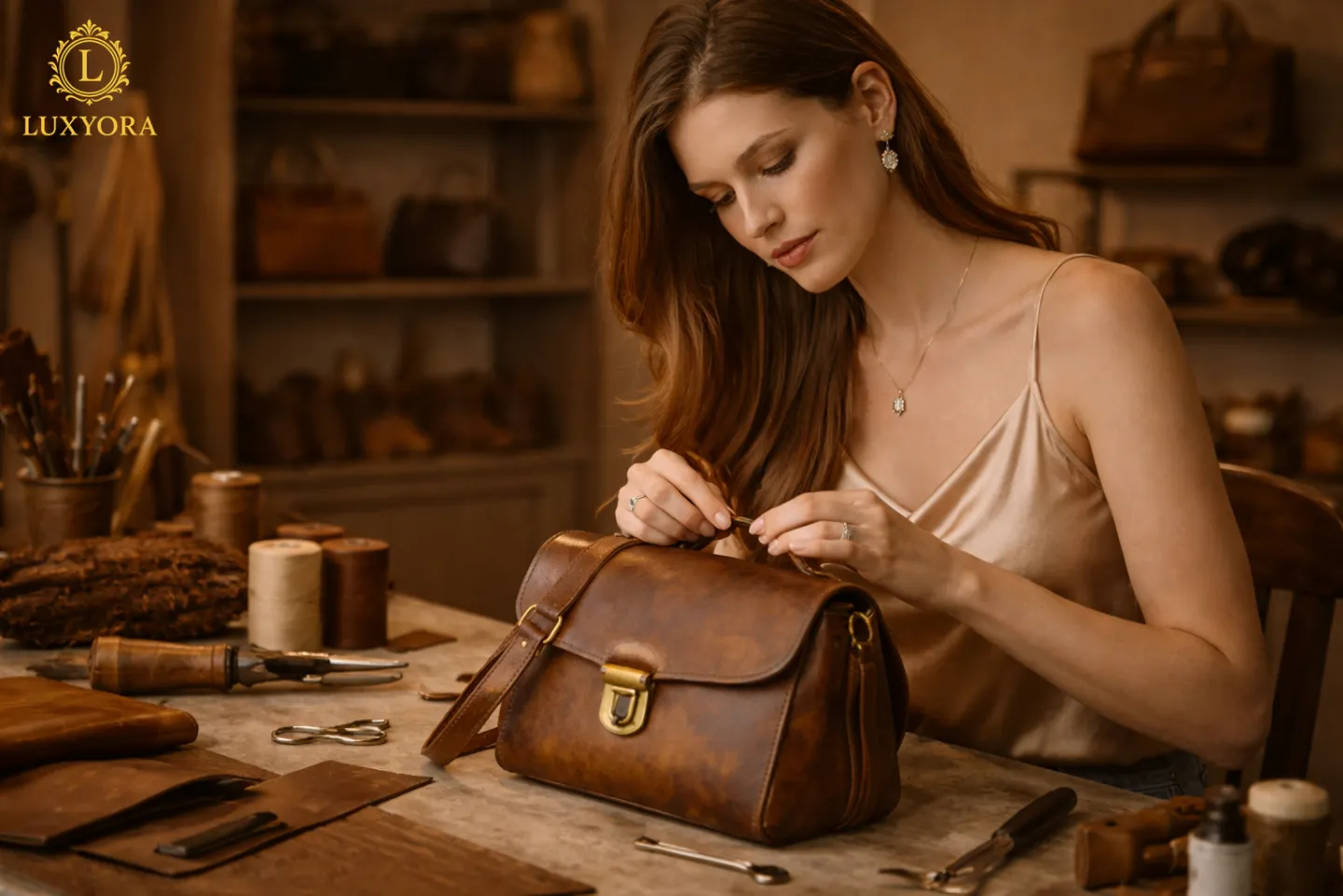
2) Craftsmanship and labor: time is expensive (and rare)
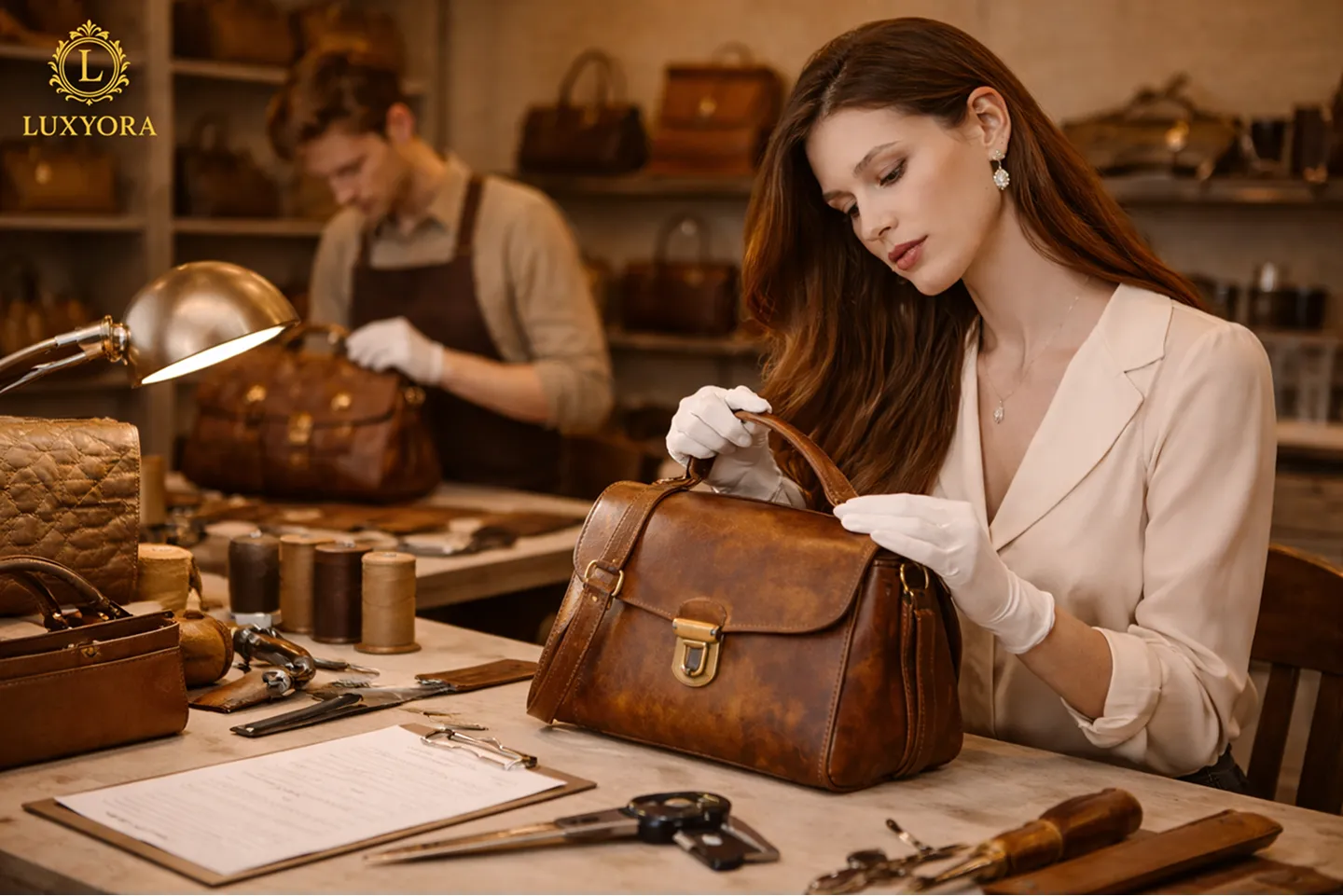
Handbags are deceptively complex. A structured bag can involve dozens of pieces, multiple reinforcement layers, and finishing steps that don’t show in photos but absolutely show in longevity edge painting, skiving, lining work, strap anchoring, hardware setting, and multi-point quality inspection.
When a bag is built in small batches, especially in regions with higher labor costs and stricter standards, the labor component rises. Add in training pipelines (apprenticeships, atelier programs, in-house “schools”), and you’re funding skill preservation, not just assembly. The result can be a bag that holds its shape for years, feels balanced in the hand, and wears with intention rather than fatigue.
3) Quality control and rejection rates: perfection isn’t free
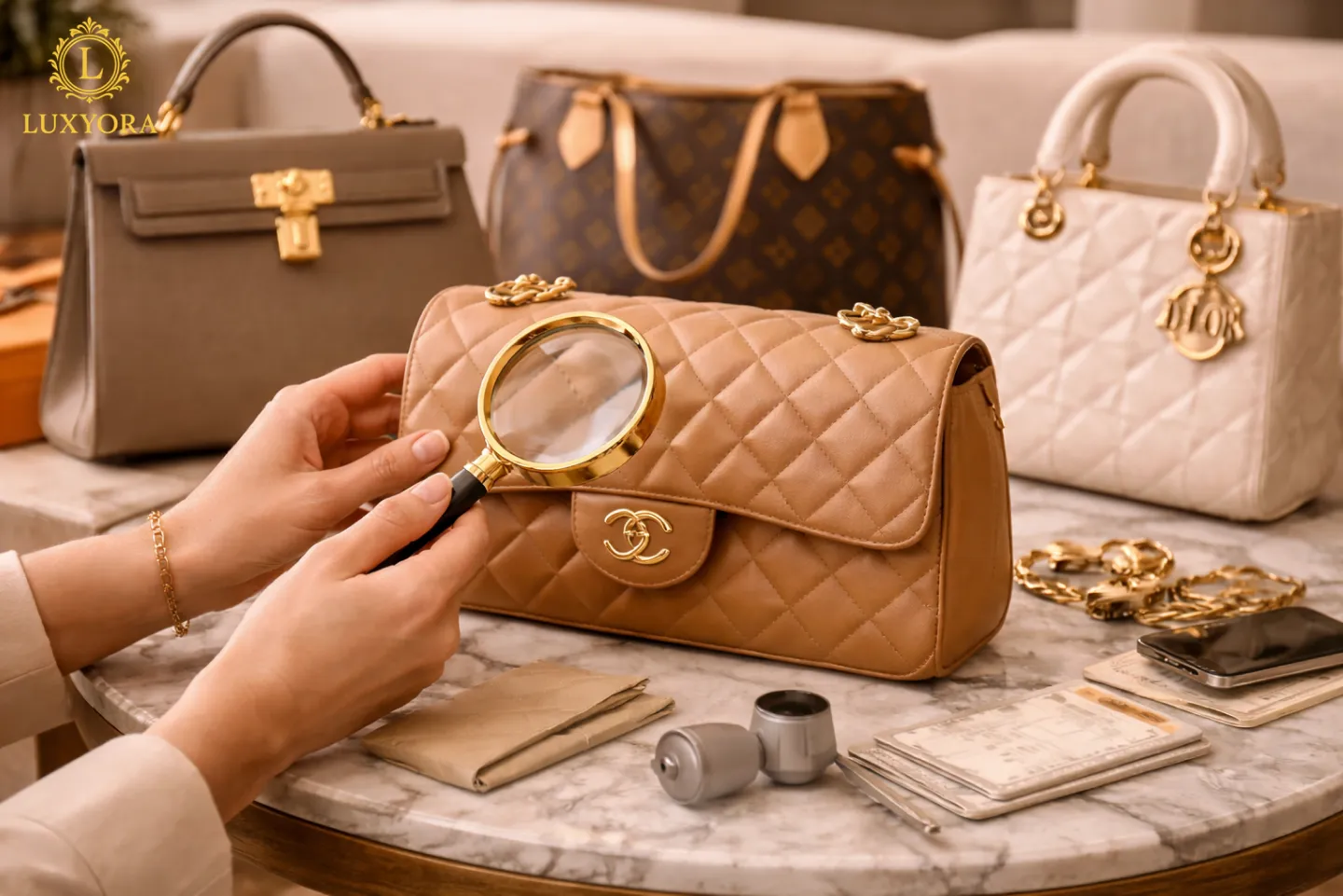
Luxury pricing is partly a story of what doesn’t make it to the shelf. High-end houses often run layered quality checks and materials at intake, inspections during production, and final audits before packing. If a seam isn’t perfect, if hardware alignment is off by a fraction, if the leather grain doesn’t meet the standard, the piece may be reworked or removed from sale entirely.
That “rejection culture” costs money. But it also protects what luxury ultimately sells: trust.
4) Scale and supply strategy: scarcity is a pricing tool
Some brands intentionally limit supply, not because they can’t produce more, but because controlled availability protects exclusivity. In luxury, scarcity can amplify desirability, which supports pricing power. When demand consistently outpaces supply, especially for iconic models, price becomes part of the brand’s gatekeeping mechanism.
Meanwhile, other brands scale aggressively, using larger production runs to reduce unit costs and offer more accessible price points. Neither strategy is inherently “better.” They’re different business models with different pricing logic.
5) Branding and cultural value: the price of recognition
Here’s where the biggest leap happens. Past a certain quality threshold, consumers aren’t only buying a bag, they’re buying what the bag means.
Brand equity is the invisible ingredient that transforms leather and thread into social currency. A logo, a silhouette, or a signature clasp can communicate taste, heritage, and status instantly. That recognition is valuable because it’s difficult to replicate authentically. It’s built through decades of design consistency, storytelling, celebrity moments, runway mythology, and customer experience.
In other words, materials can be sourced. Brand meaning must be earned.
6) Retail experience and distribution: luxury isn’t sold like basics
Where you buy a bag affects its price. A brand that sells through its own boutiques carries major overhead: flagship rents, interior design, trained staff, client services, security, packaging, repairs, and aftercare. Even e-commerce at the luxury level is not “simple”; it’s logistics, premium shipping, fraud prevention, and white-glove presentation.
Compare that to a direct-to-consumer brand with a leaner model, fewer middlemen, and lower overhead, and you’ll see why two “similar” bags can land in totally different price universes.
7) Tariffs, currency shifts, and regional pricing games
Handbag prices also reflect global economics. Cost increases can come from transportation, manufacturing inputs, and currency fluctuations. Brands often adjust prices by region, sometimes noticeably, based on exchange rates, taxes, and tariff pressures.
This is why you’ll see price increases discussed across major houses in different markets, and why certain brands periodically “harmonize” pricing globally.
8) The resale market and “investment” psychology
A bag with strong resale demand can justify a higher retail price because buyers perceive lower long-term risk. If a piece retains value or even appreciates, customers feel more comfortable paying more upfront. This is especially true for iconic silhouettes, limited releases, and brands with strong cultural heat.
Resale doesn’t just respond to pricing; it can reinforce it by validating demand.
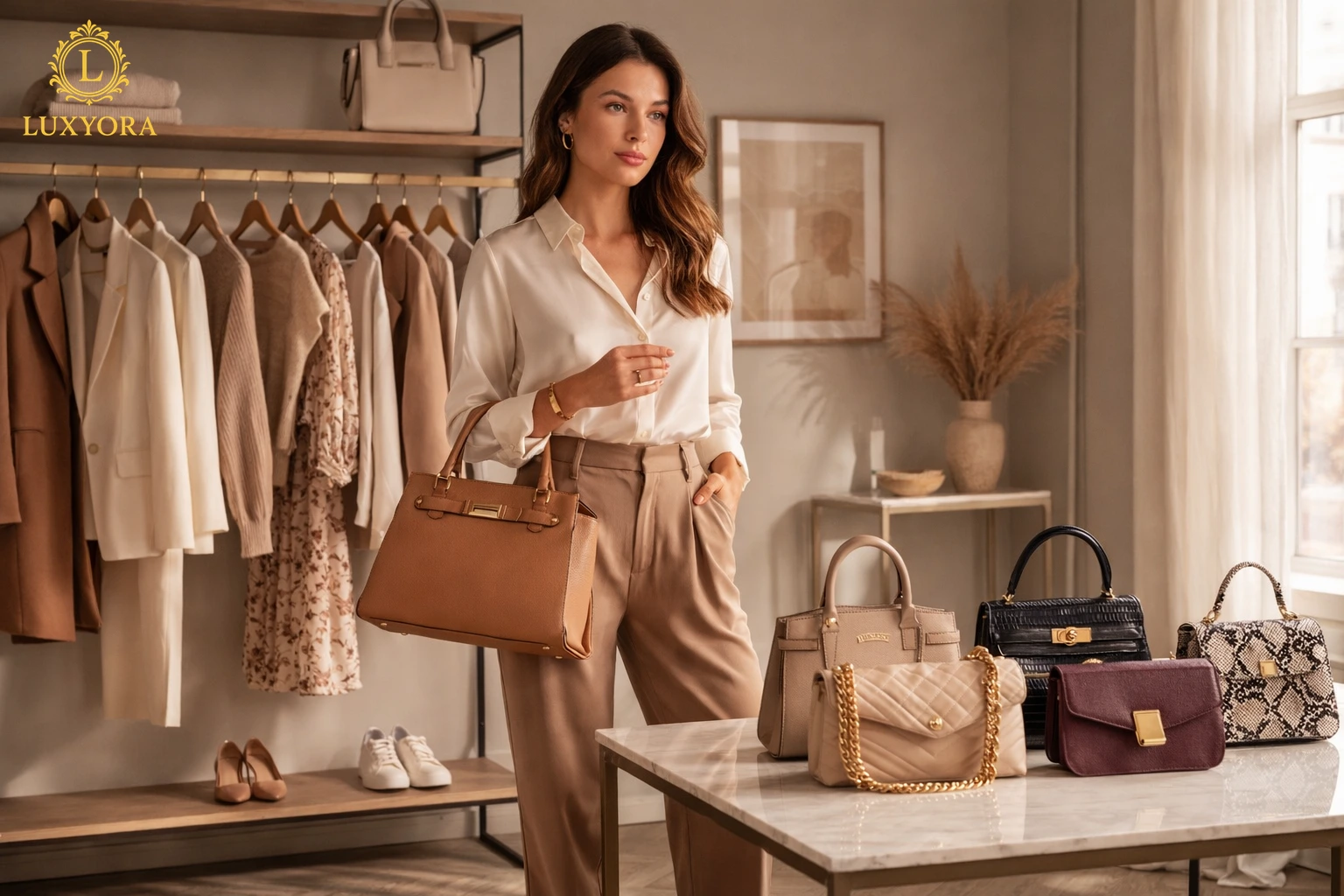
9) Trend cycles and product strategy: entry points vs. icons
Luxury brands increasingly balance two realities: they need aspiration (new customers) and exclusivity (core customers). One strategy is to create “entry” bags in smaller sizes, with simpler construction and lower-priced lines, while keeping flagship icons priced high. That’s why a brand might offer a $1,800 piece and a $10,000 piece in the same season.
It’s not an inconsistency. It’s segmentation.
So why do prices vary so dramatically?
Because handbags aren’t priced purely by material cost, they’re priced by a layered equation: craftsmanship + quality control + supply strategy + brand equity + distribution model + global economics + resale demand.
And once you understand that, the price tag becomes less of a mystery and more of a mirror reflecting not just what the bag is made from, but what the market believes it’s worth.
Luxyora Philosophy: A handbag’s price isn’t only about leather, it’s about time, trust, and the story people are willing to carry. Choose the piece that matches your values, not just your budget.
References:
- Bain & Company. (2024). Luxury in transition: Securing future growth. Bain & Company.
- Chevalier, M., & Mazzalovo, G. (2020). Luxury brand management in digital and sustainable times (4th ed.). Wiley.
- Deloitte. (2023). Global powers of luxury goods 2023. Deloitte.
- Deloitte. (2026). Global powers of luxury (latest edition). Deloitte.
- Kapferer, J.-N. (2018). The future of luxury: Challenges and opportunities (2nd ed.). Kogan Page.
- Reuters. (2022, February 15). Louis Vuitton set to raise price tags this week as costs climb. Reuters.
- Reuters. (2024, February 9). Hermes sales outstrip luxury rivals, send shares to record high; prices to rise. Reuters.
- Reuters. (2024, December 20). Luxury labels bulk up on lower-priced goods to appeal to middle-class shoppers. Reuters.
- Reuters. (2025, July 28). US tariffs will be test of luxury brands’ pricing power. Reuters.