How to Spot Fake Designer Bags | Luxyora
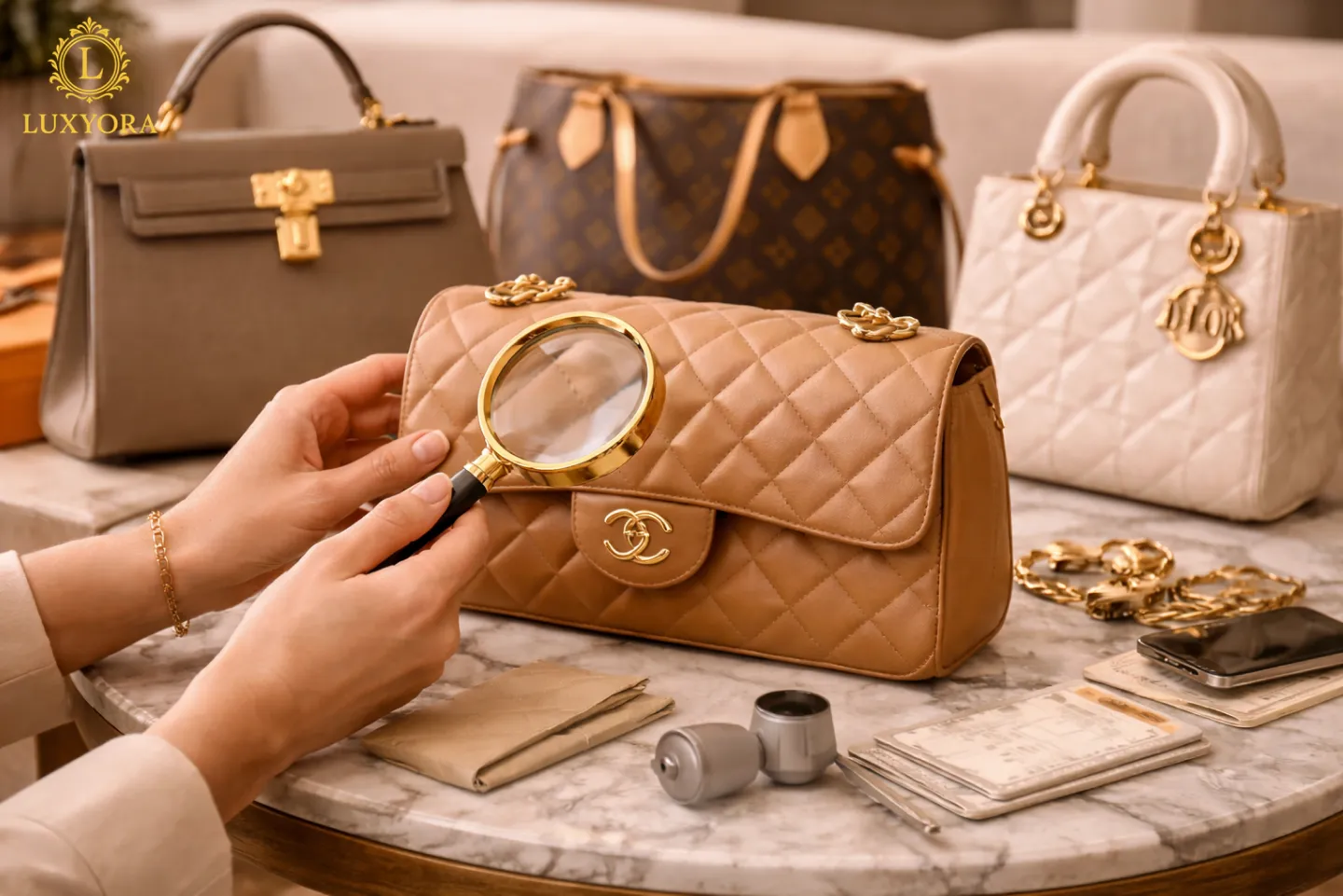
Let’s face it: designer bags have transcended accessory status. They are prized possessions, cultural signifiers, investment pieces, and heirlooms in the making. But their desirability has also made them a prime target for counterfeiters. Some fake bags are obvious knock-offs. Others are so convincing that even seasoned collectors pause before making a judgment.
Yet experts have an almost instinctual way of spotting the fakes, like sommeliers distinguishing vintages or horologists reading watch movements. This isn’t about elitism; it’s about trained observation.
Here’s how professionals instantly tell real from fake and what you can learn so that your next handbag purchase is both stylish and savvy.
1. The Materials Tell the First Truth
Even before a trained eye reads a brand’s code, it reads the materials. Authentic luxury bags rarely use generic leather or plastics in visible areas. Instead, they employ high-grade hides, distinctive textures, and finishes consistent with the label’s heritage.
Experts touch and feel:
- Leather surface: High-end leather should feel supple yet substantial. Fake leather often feels plasticky or overly smooth.
- Smell: Genuine leather has a rich, organic scent. Fakes often smell synthetic.
- Consistency: Real hides might have slight variations, a sign of natural material, whereas counterfeit bags often use uniform sheets that lack character.
Materials also include hardware. Brass or plated metal with weight, smooth finishes, and soft patina expectations are hallmarks of genuine pieces. Counterfeits often use cheap metal that feels light, clinks hollowly, or has uneven color.
2. Stitching - A Signature of Craftsmanship
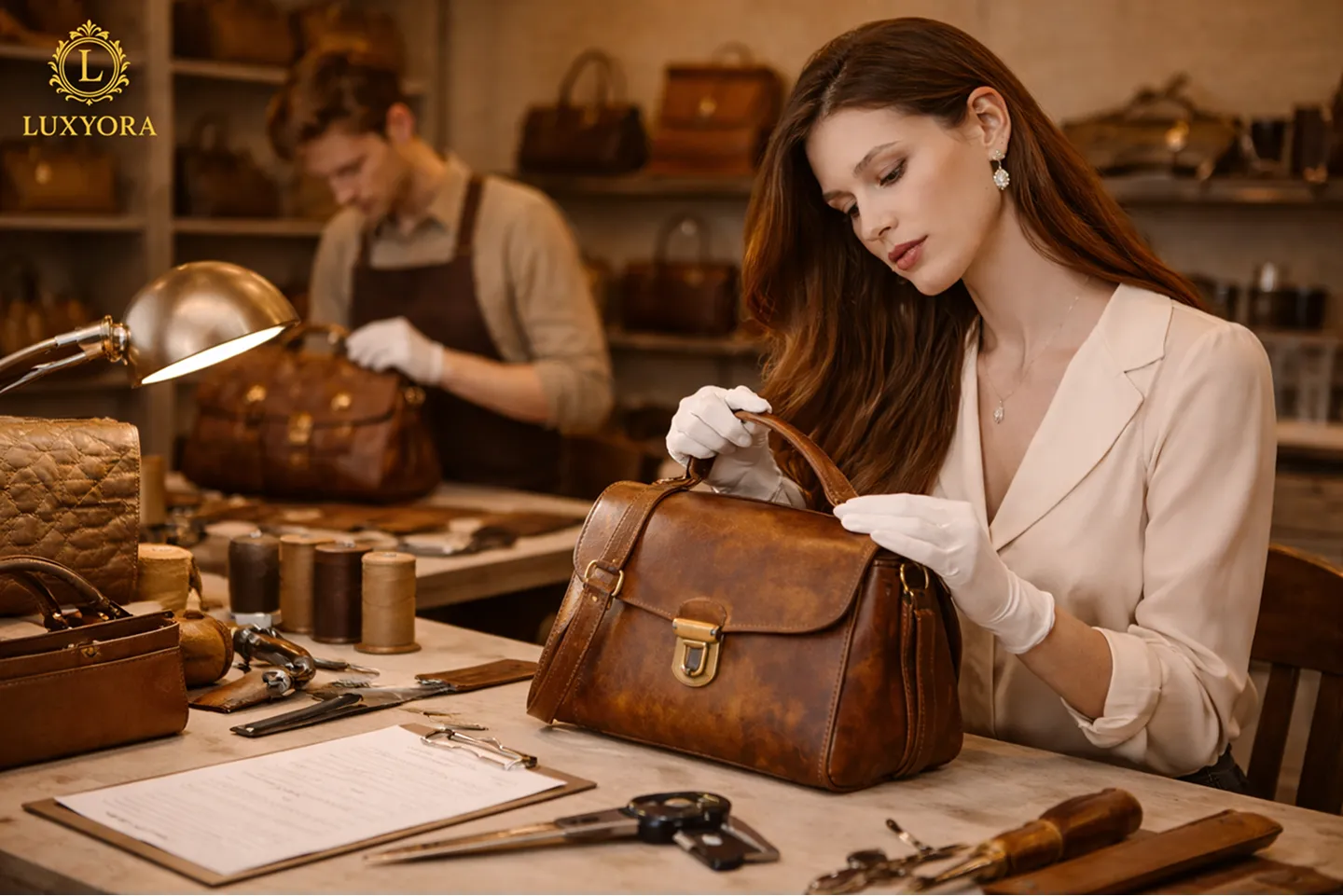
Stitching is the instant confidence test.
In authentic designer bags, stitching is precise, even, and purposeful:
- Thread tension remains consistent.
- Thread color is chosen to complement the design without jarring contrast.
- There are no loose ends, skipped stitches, or wavy seams.
Experts often look at corners and edges where stitching is most strained. In a genuine bag, corners remain sturdy, and the stitches are symmetrical. In fakes, rushed stitching often betrays itself with inconsistency, thread bunching, or gaps.
These details, invisible to untrained buyers, are nearly impossible to fake without substantial cost, which is why counterfeit products often cut corners here.
3. Logos and Branding - Tiny Details, Big Clues
Counterfeiters try hard with logos, but experts know where to look.
Genuine logos are:
- Perfectly centered and aligned.
- Made with consistent, high-quality materials that won’t peel or bubble.
- Accurately proportioned to that brand’s official specs.
Fonts matter too. Brands invest in custom lettering and precise spacing. Slight deviations in typeface, kerning, or size can signal a fake.
Hardware logos engraved, stamped, or cut should have crisp edges and consistent depth. Poor engraving, shallow stamps, or blurry text often indicate reproduction.
4. Linings: The Invisible Identity Card
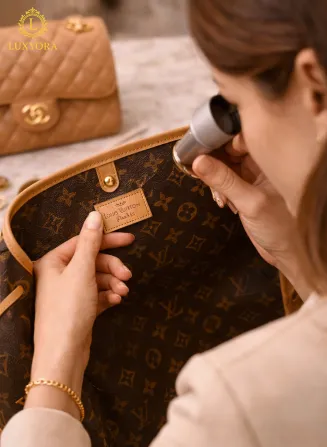
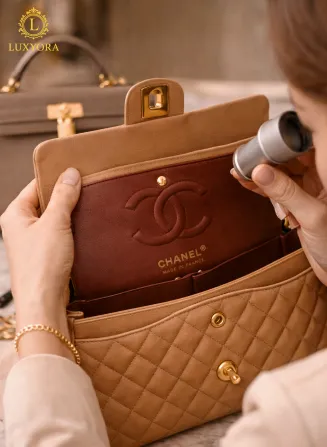
The interior lining of a bag is a secret ROI for experts. While the exterior gets all the glamour, the interior reveals attention to detail.
Luxury houses choose linings that:
- Complement the exterior design.
- Use high-quality fabrics or leather.
- Feature precise patterns or brand-specific detailing.
Fake bags may use cheap lining that feels slick or papery, with loose threads, missing logos, or generic patterns. Some counterfeiters reuse base materials to save cost, so if the inside feels as frail as the outside looks cheap, chances are the bag isn’t the real thing.
5. Hardware Quality and Functionality
High-end hardware isn’t just polished, it’s engineered.
Zippers should operate smoothly without catching. Clasps should click with confidence. Hinges on frames should feel sturdy.
Experts test:
- Smoothness of zippers.
- Weight and balance of handles and clasps.
- Consistency of metal finish, fading, tarnishing, or discoloration often signals a fake.
Even tiny screws and rivets matter. Their presence, size, placement, and finish should match brand standards.
6. Serial Numbers and Authentication Codes
Most contemporary luxury bags come with serial numbers, date codes, RFID chips, or other identifiers. Experts know how to read these:
- Correct formatting indicates brand legitimacy.
- Incorrect numbers, mismatched fonts, or inconsistent placements are red flags.
- Some brands embed tracking tech that cannot be replicated easily.
While fakes may mimic superficial codes, they rarely get the systemic standards right, and experts can tell at a glance.
7. Packaging Isn’t an Afterthought; It’s a Statement
Real luxury experiences extend beyond the bag. Authentic packaging dust bags, boxes, cards, envelopes, and ribbons have their own quality signature.
Genuine packaging materials:
- Are heavy, well-constructed, and clearly branded.
- Use specific textures and colors that align with the house’s identity.
- Include branded cards with consistent fonts and spacing.
Counterfeiters often focus on the bag but overlook packaging nuances or reproduce them poorly. Experts look at these secondary elements as confirmation.
8. Knowledge of Brand Specifics: The Expert Advantage
Each brand has a design language, a set of predictable standards that evolve but do not deviate wildly.
Experts memorize:
- Signature stitches (e.g., certain quilting patterns).
- Iconic hardware designs.
- Expected leather types each house uses.
- Historical changes in serial code formats.
This deep familiarity allows them to detect discrepancies that casual buyers would miss.
9. Price: Too Good to Be True Usually Is
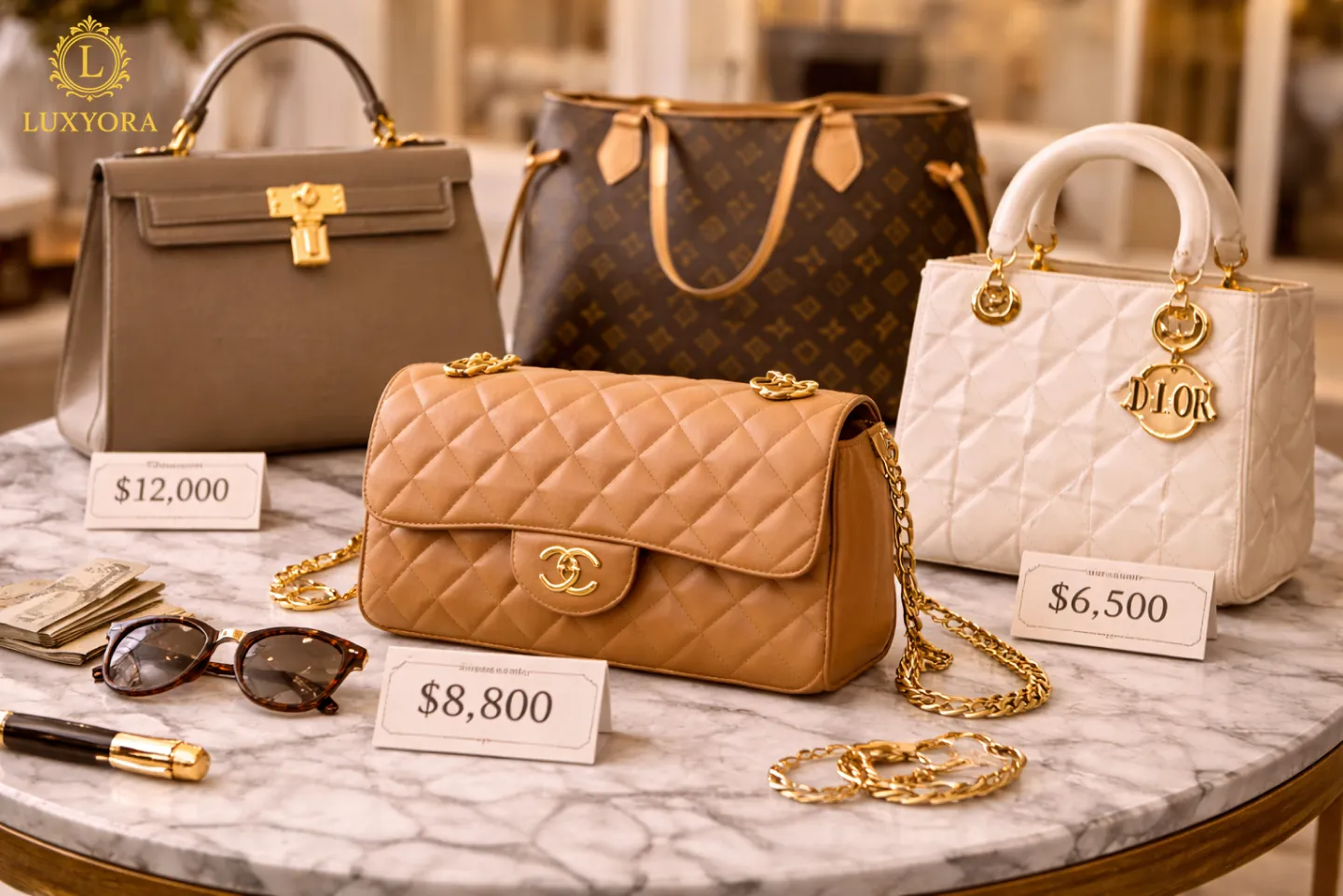
One of the most immediate authenticity checks is price context. Designer bags rarely discount deeply unless at authorized clearance. A steep markdown on a hyped piece is often a clue that the supply chain isn’t legit.
Experts always view price as a data point, not definitive proof, but paired with other indicators, it helps complete the picture.
10. The Intuition Factor: Trained Instinct
After years of handling authentic pieces, experts develop a sixth sense and an instinctive reaction when something feels off. This isn’t guesswork. It’s pattern recognition grounded in experience: materials, proportions, manufacturing logic, and even smell combine to trigger quick judgments.
This instinct is what makes an expert’s first glance far more informative than an average consumer’s prolonged inspection.
Why This Matters Beyond Collectors
Spotting a fake isn’t only about avoiding a bad purchase. It’s about:
- Protecting investment value.
- Supporting ethical creativity and human craftsmanship.
- Avoiding financing criminalized production and trade.
Counterfeit markets not only dilute brand integrity but also erode consumer confidence and undermine skilled artisans whose work makes luxury meaningful.
Luxyora Philosophy: Luxury is more than a name stitched on a label; it’s the harmony of craftsmanship, attention to detail, and integrity that withstands scrutiny.
References:
- Jackson, T. (2021). Luxury authentication and brand integrity. Fashion Press.
- Kapferer, J. -N. (2018). The future of luxury: Challenges and opportunities. Kogan Page.
- Kwok, S. (2020). Brand signaling and consumer perception. Journal of Consumer Studies, 32(4), 389–407.
- Liu, X., & Wright, M. (2022). Counterfeit culture: The global market for fake fashion goods. International Journal of Fashion Studies, 9(1), 15–33.
- Tungate, M. (2019). Fashion brands: Branding style from Armani to Zara (3rd ed.). Kogan Page.