How to Buy Clothes You’ll Still Wear Years Later | Luxyora
Trends are fun like champagne. But the wardrobe you actually live in? That’s the part of fashion that behaves more like skincare: consistent, intentional, and quietly transformative over time. The secret to buying clothes you’ll still wear years later isn’t having superhuman willpower or a perfectly colour-coded closet. It’s learning to spot the pieces that can handle real life and still feel like you.
Think of this as your luxury-minded, field guide to buying with longevity, style longevity, quality longevity, and “I can’t believe I still love this” longevity.
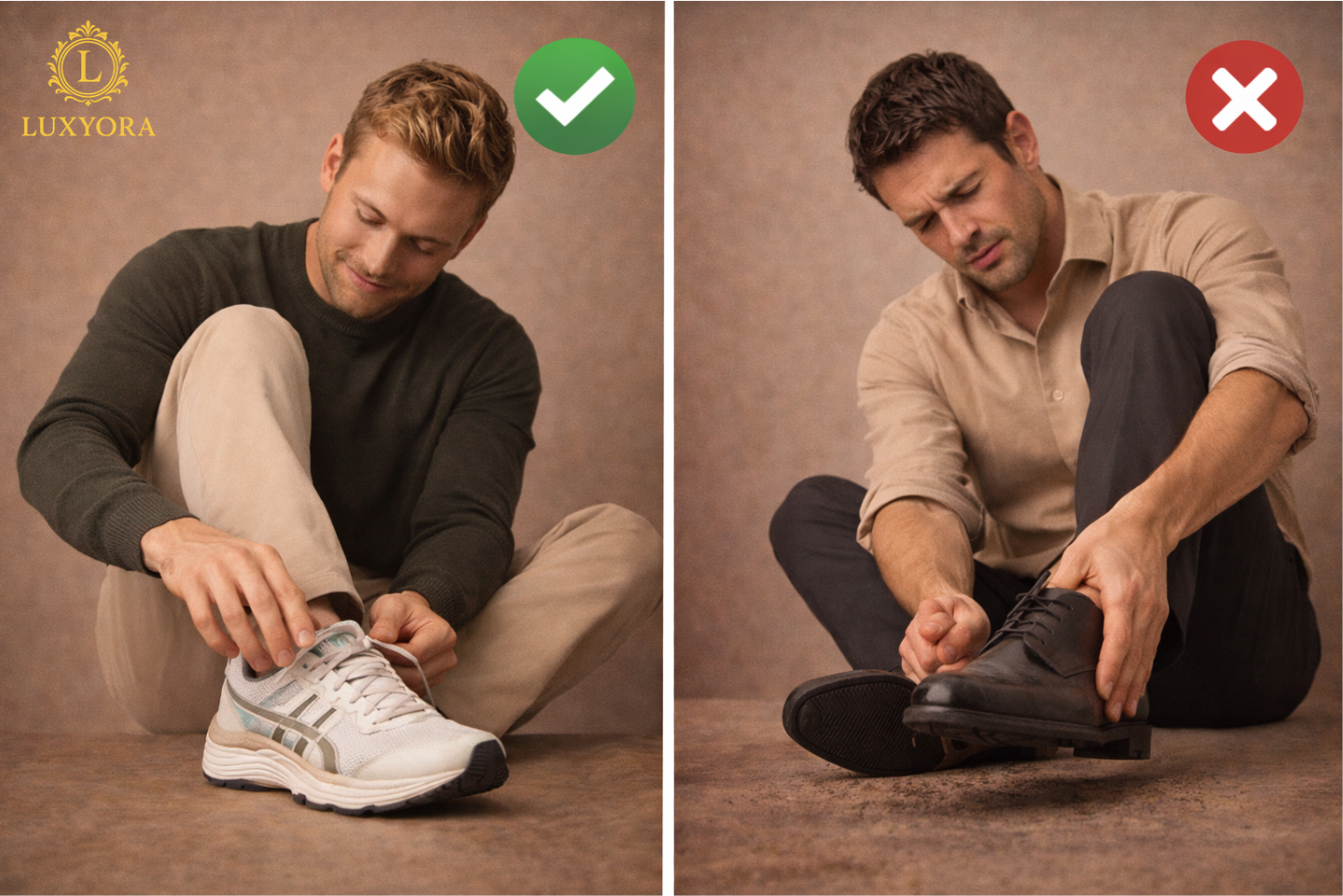
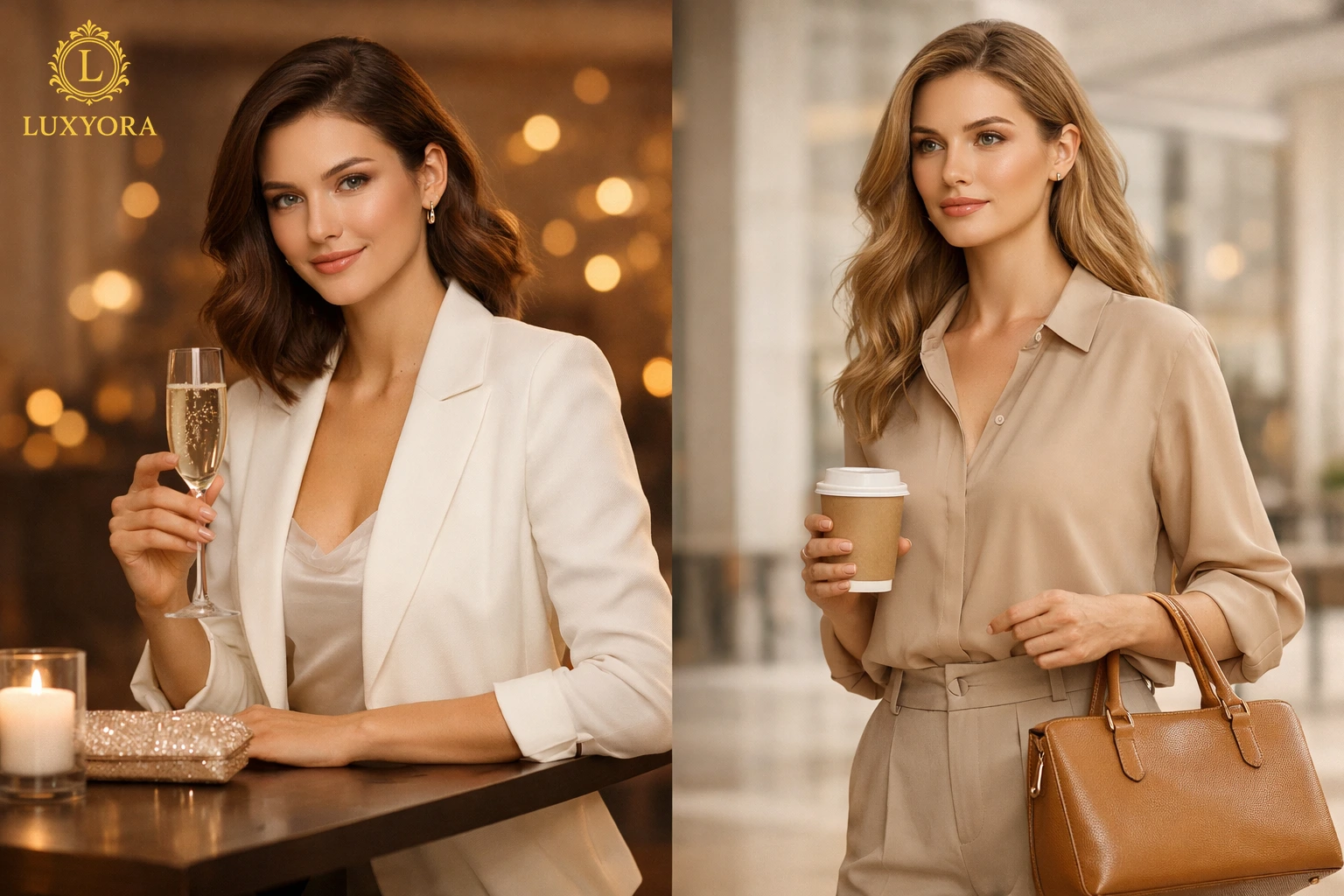
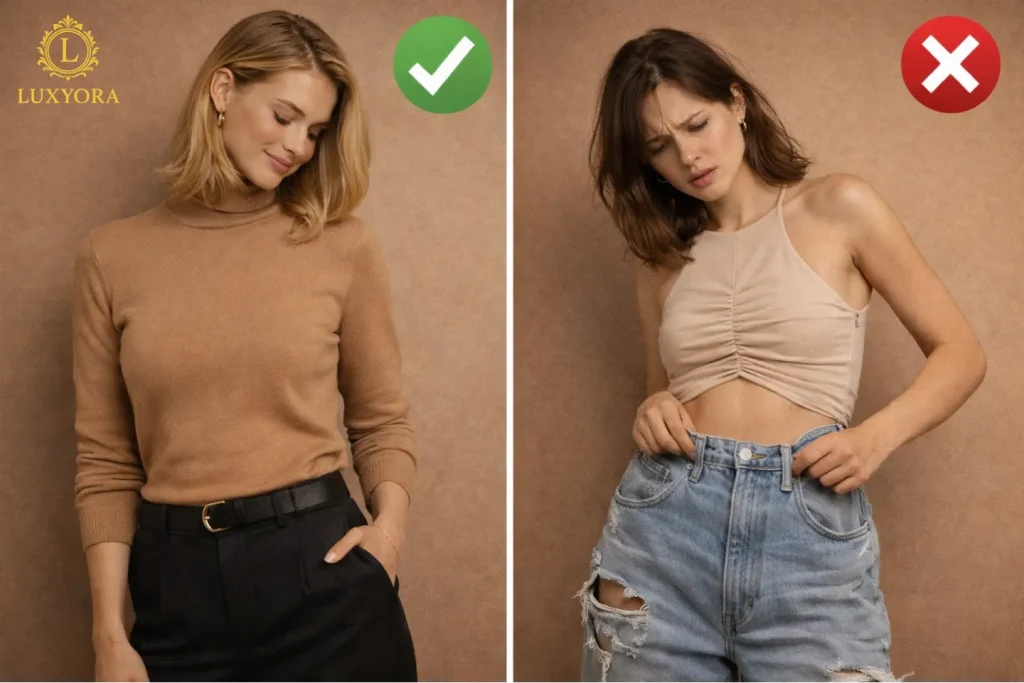
1) Shop for your real life, not your fantasy calendar
The biggest reason clothes get abandoned isn’t quality. It’s incompatible. The dress you bought for your imaginary Amalfi summer doesn’t stand a chance against your actual daily routine.
Try this quick “life filter” before you buy:
- Where will I wear this within 14 days?
- What shoes and bag would I pair with it using what I already own?
- Does it suit my climate and commute?
- Can I sit, walk, and move like a human?
If you can’t picture it in a normal week, it’s more likely to become a closet prop than a wardrobe staple.
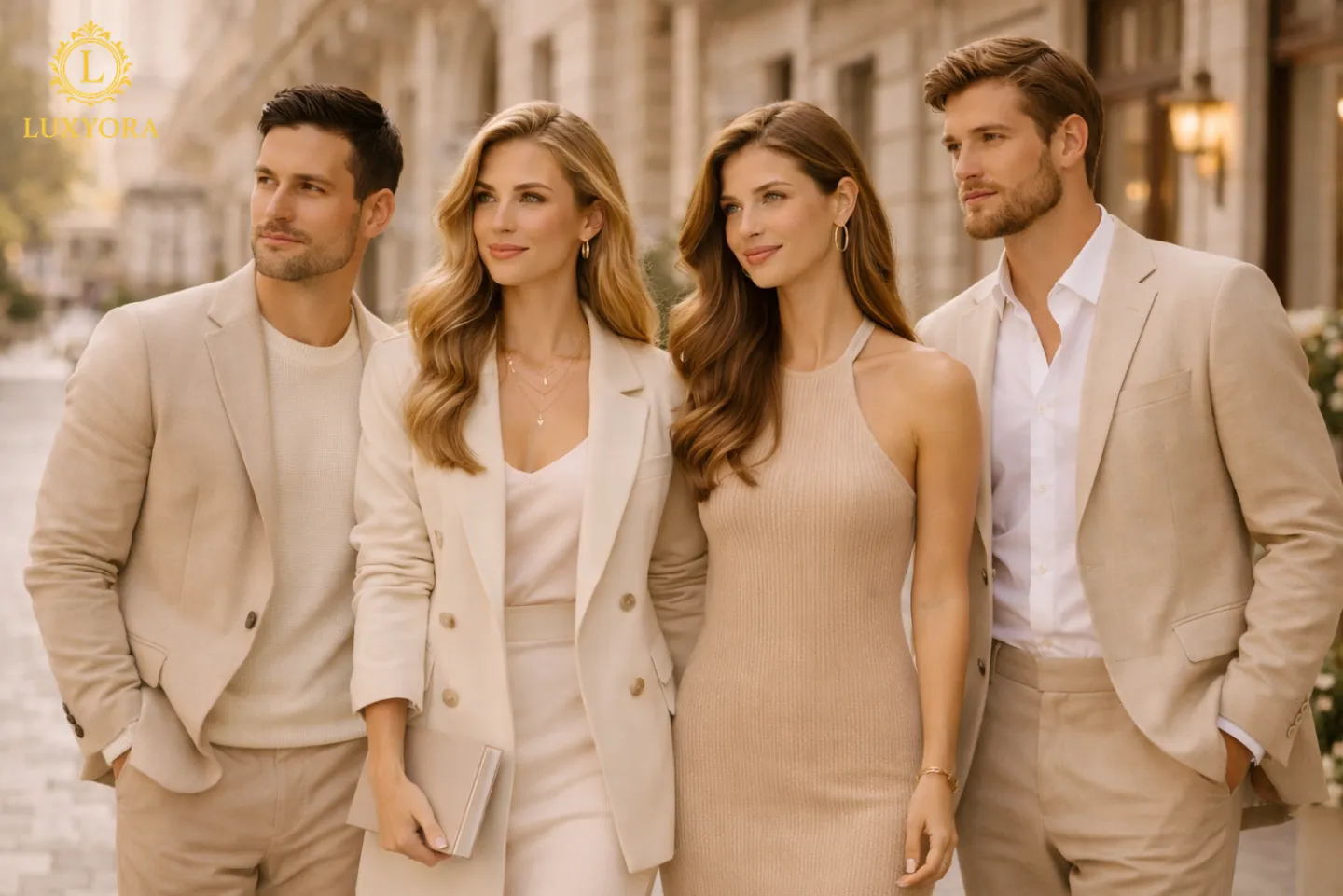
2) Build a “signature silhouette” and repeat it like a fashion editor
The most stylish people don’t wear everything. They wear their things on rotation, in variations. The fastest path to a long-term wardrobe is defining the silhouettes that always make you feel like the best version of yourself.
Examples:
- Straight-leg trousers + tailored knit
- Slip skirt + oversized blazer
- Crisp shirt + high-waisted denim
- Clean midi dress + structured coat
Once you know your winning shapes, you can buy with precision: fewer pieces, better choices, more outfits.
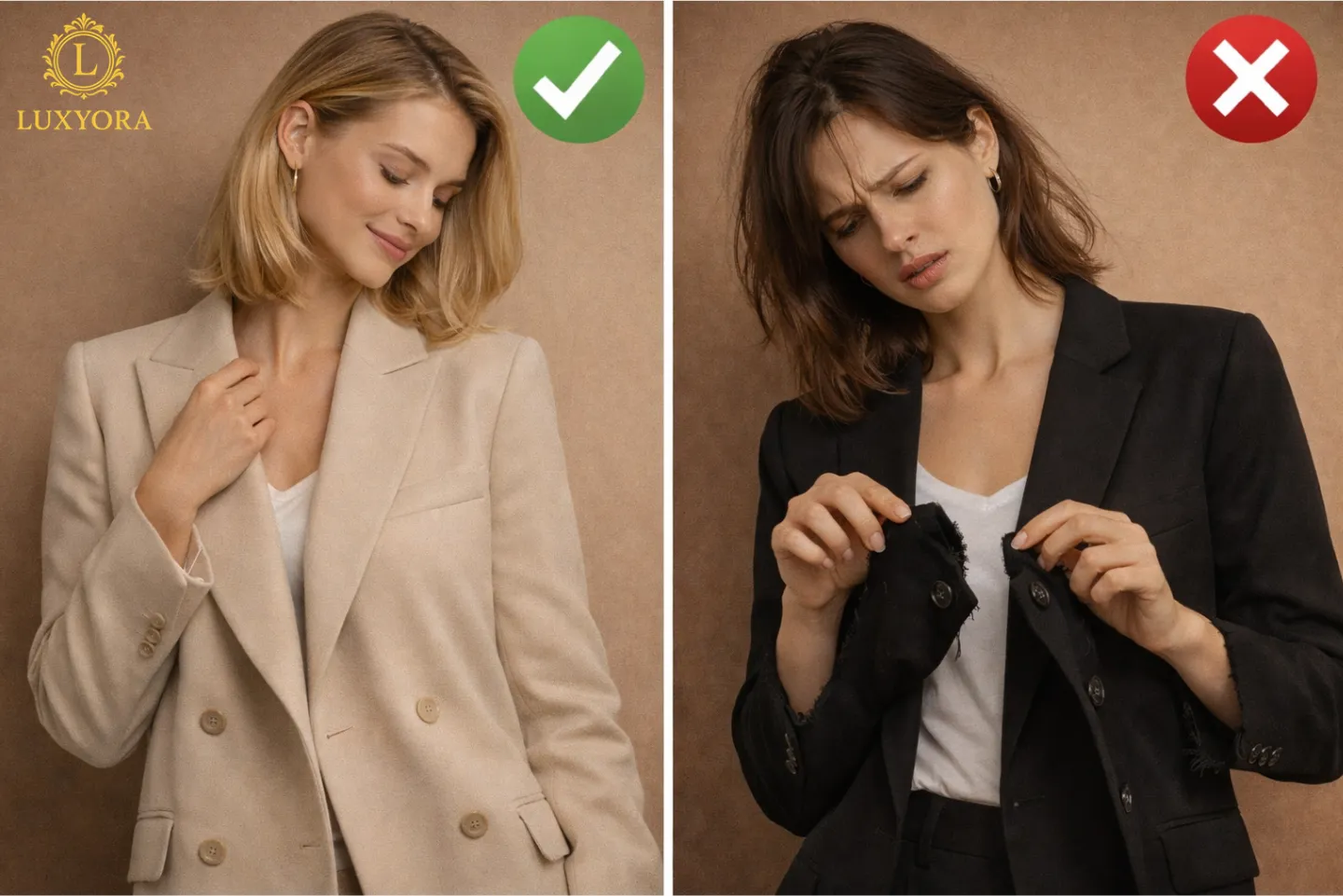
3) Prioritize fabric and construction over branding
A logo can’t save a garment that pills, twists, or loses shape by its third wash.
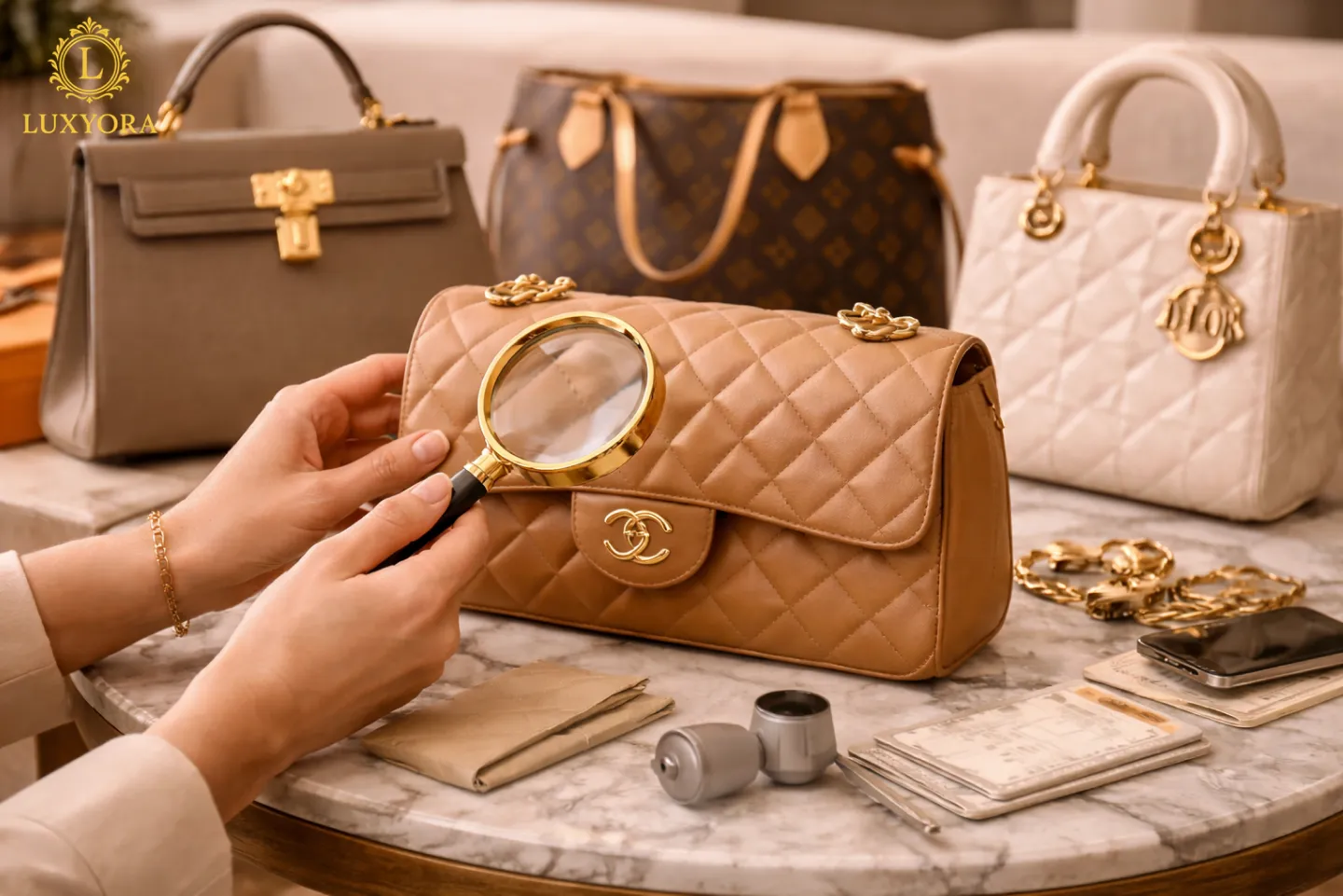
When you’re shopping in-store (or unboxing at home), do the “inside-out check”:
- Seams: neat stitching, no loose threads, clean finishes
- Hems: flat and even, not wavy
- Buttons/zips: smooth, sturdy, and secure
- Fabric recovery: scrunch test does it bounce back or stay crumpled?
4) Choose colors that aren’t allergic to time
If you want to wear something for years, it has to survive not just laundry but you evolving. The safest long-haul palette isn’t necessarily neutral; it’s repeatable.
Use the “three-outfit rule” with colour:
- Can this colour be styled at least three ways with your existing wardrobe?
- Does it work near your face (tops, jackets) without making you feel “off”?
- Does it play nicely with your everyday neutrals?
Pro tip: If you love trend colours, buy them in small doses (a top, a scarf, a bag) rather than in your biggest-ticket items like coats or suits.
5) Read care labels like you’re decoding a relationship contract
Longevity lives in the details: washability, resilience, and how fussy the piece is.
Care labels are standardised using systems such as the ISO textile care symbols (recently updated as ISO 3758:2023). If your lifestyle doesn’t support dry cleaning every other week, don’t buy a wardrobe that requires it.
The sweet spot: pieces that can be laundered gently, reshaped, and reworn without
6) Buy for “repairability” (yes, like a luxury handbag)
Clothing you keep for years is clothing you can maintain. Repairable garments tend to have:
- strong seams and seam allowances
- classic buttons and standard zips
- fabrics that don’t disintegrate after friction
- simple linings and accessible hems
And repairs aren’t just sentimental, they’re practical. Research and policy work around circular fashion consistently treats extended use and maintenance as a high-impact lever for sustainability.
7) Make “cost per wear” your quiet power move
Here’s the truth: the cheapest item is often the one you buy once.
One of the most-cited, consumer-friendly stats on longevity comes from WRAP’s clothing durability work: extending the lifespan of clothing by just nine months can reduce carbon, water, and waste footprints by up to 20%, alongside significant resource savings.
So yes, cost per wear is both a style strategy and a sustainability strategy:
- A ₹18,000 blazer worn 120 times = ₹150 per wear
- A ₹2,000 top worn 4 times = ₹500 per wear
Suddenly, the “investment piece” looks very logical.
8) Choose brands that can explain themselves
A garment that lasts should come from a brand that takes responsibility for its production. Transparency doesn’t automatically equal sustainability, but it’s a baseline for accountability, especially when you’re paying premium prices. The Fashion Transparency Index tracks how much major brands disclose about their supply chains and practices, and it repeatedly shows that public disclosure remains limited across the industry.
What to look for:
- clear fibre content and country-of-origin info
- repair programs or spare parts (buttons, patches, hemming services)
- credible sustainability reporting (not just aesthetic buzzwords)
- supply chain disclosure and measurable commitments
If a brand can’t tell you anything beyond vibes, you’re buying marketing, not longevity.
9) Shop slower, your future self will thank you
Longevity doesn’t happen in a rushed checkout line. It happens when you pause long enough to notice:
- Do I love this now, or do I love the idea of it?
- Would I buy it again at full price?
- Does it fit my wardrobe today?
If you’re unsure, leave it. The best long-term pieces don’t require convincing; they feel like relief.
Luxyora Philosophy: Buy like you’re curating a personal archive: fewer pieces, better choices, and beauty that holds up to time. True luxury is the outfit you reach for again and again because it still feels like you.
References:
- European Commission. (n.d.). Sustainable and circular textiles strategy. (Retrieved January 31, 2026). (Environment)
- European Commission. (n.d.). Ecodesign for Sustainable Products Regulation (ESPR). (Retrieved January 31, 2026). (European Commission)
- Fashion Revolution. (2023). Fashion Transparency Index 2023. (fashionrevolution.org)
- Fashion Revolution. (n.d.). Fashion Transparency Index (overview and archive). (Retrieved January 31, 2026). (fashionrevolution.org)
- Intertek. (2024, February 7). ISO published new version of care labelling standard ISO 3758:2023. (Intertek)
- International Organization for Standardization. (2023). ISO 3758:2023 Care labelling code using symbols. (ISO)
- WRAP. (2024, January 13). Extending product lifetimes: WRAP’s work on clothing durability (case study). (wrap.ngo)
- Ellen MacArthur Foundation. (n.d.). Circular economy for fashion: Overview. (Retrieved January 31, 2026). (ellenmacarthurfoundation.org)