How Royal Jewellery Shapes Modern Luxury Trends | Luxyora
Royal jewellery is the original influencer; only the “feed” was a throne room, the lighting was candlelit, and the audience was an entire nation watching for cues. Crowns, tiaras, collars, brooches, and ceremonial gems weren’t just decorative; they were strategy. They signalled legitimacy, lineage, diplomacy, and wealth so clearly that no translation was required.
Fast forward to modern luxury, and the spell still works. We may not live by court etiquette, but we absolutely live by imagery. And royal jewellery, with its silhouettes, stone choices, settings, and symbolism, quietly steers what looks “important” in the world of high-end style.
Here’s how royal jewels continue to shape modern luxury trends, one glittering detail at a time.
1) Royals wrote the blueprint for “statement” dressing
Before jewellery became an accessory, it was a message. A tiara wasn’t just a sparkle; it was a rank. A brooch wasn’t just styling; it was allegiance, occasion, or authority. That visual language created a design blueprint we still follow: the idea that one powerful piece can define a whole look.
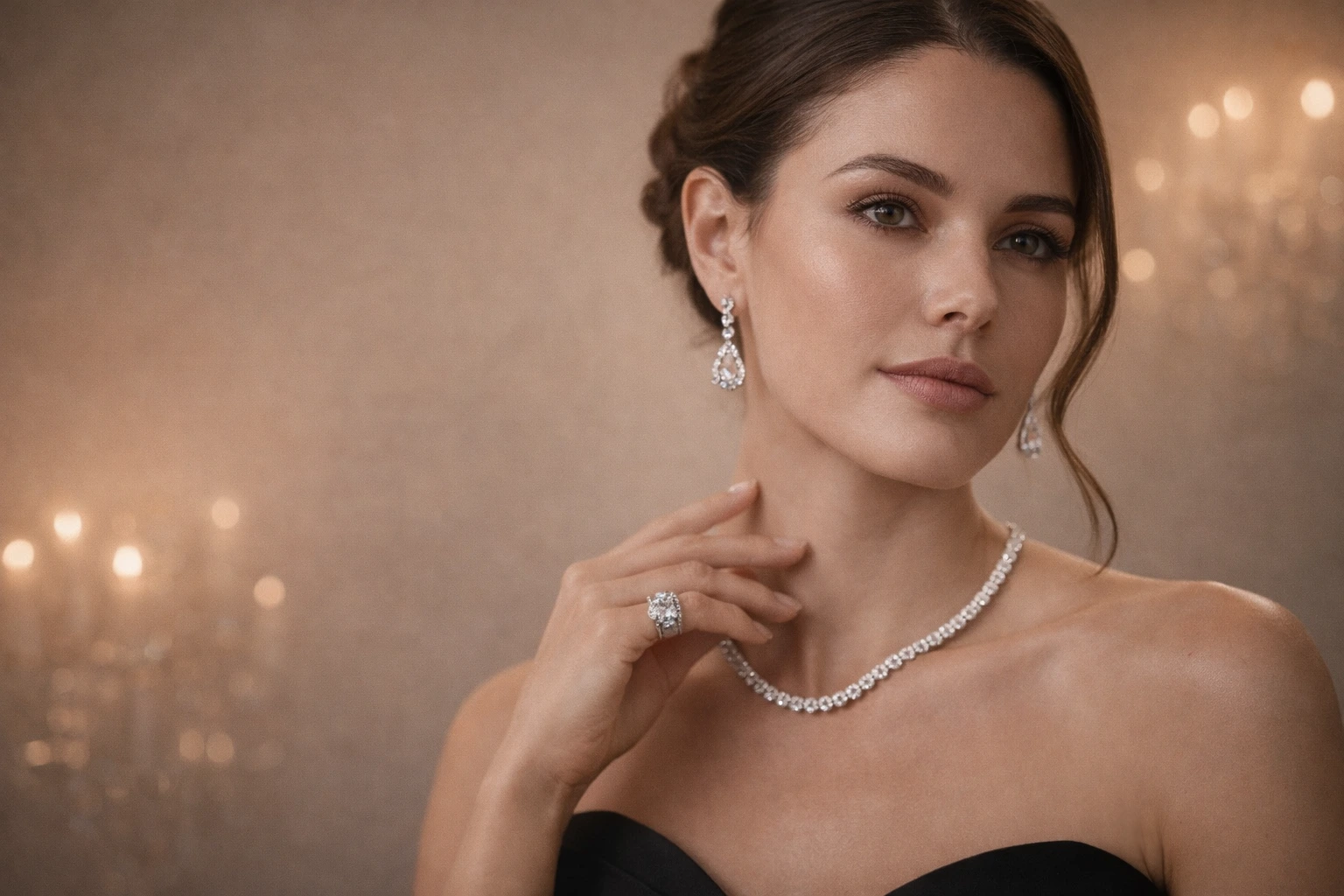
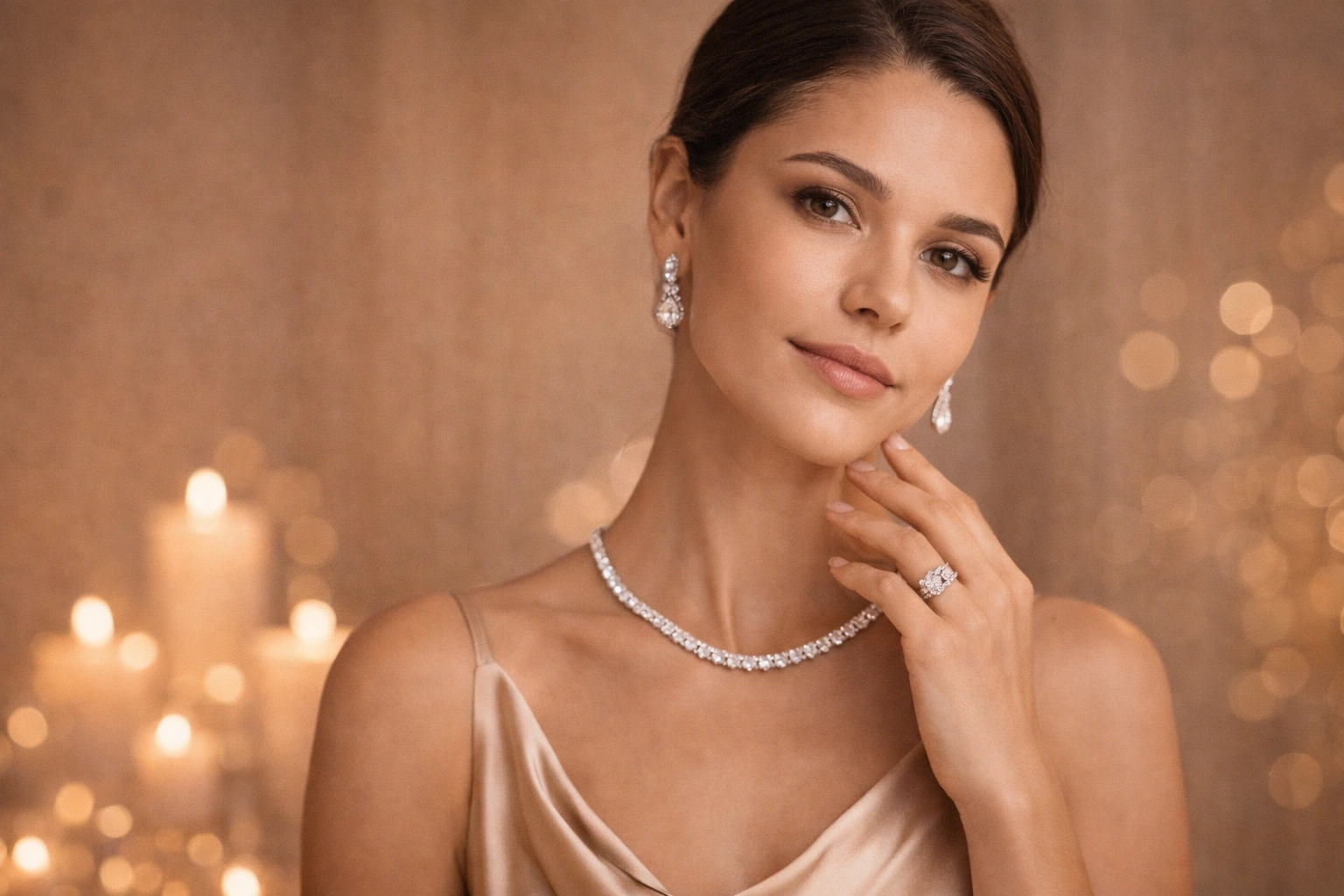
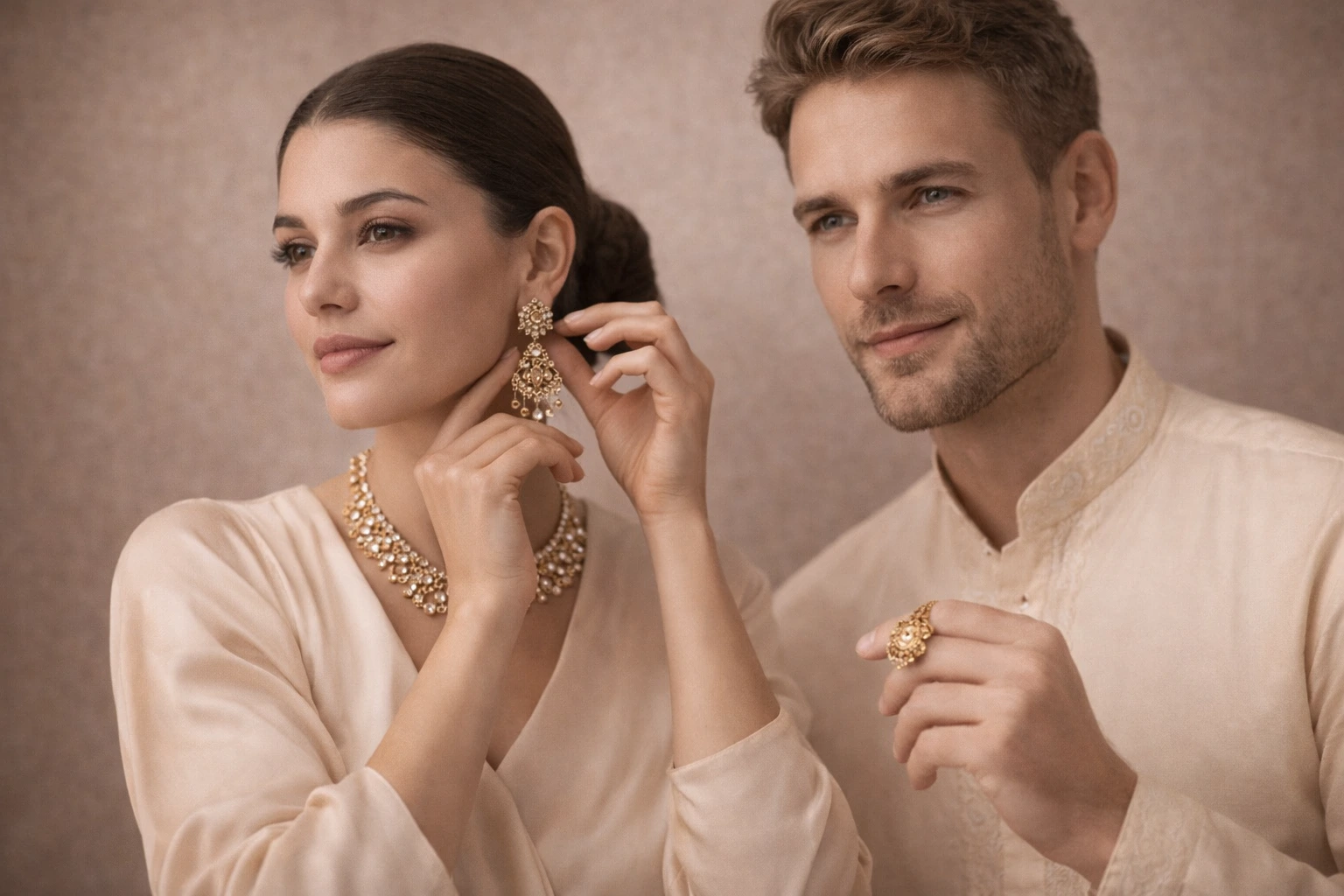
Modern luxury brands constantly echo this blueprint. The current obsession with “one hero jewel”, a standout necklace over a simple gown, an heirloom brooch pinned to an otherwise minimalist blazer, chandelier earrings that do all the talking, comes straight from royal logic. When you want to look significant, you choose something that looks historically significant.
2) Tiaras never disappeared, they evolved into modern headpieces
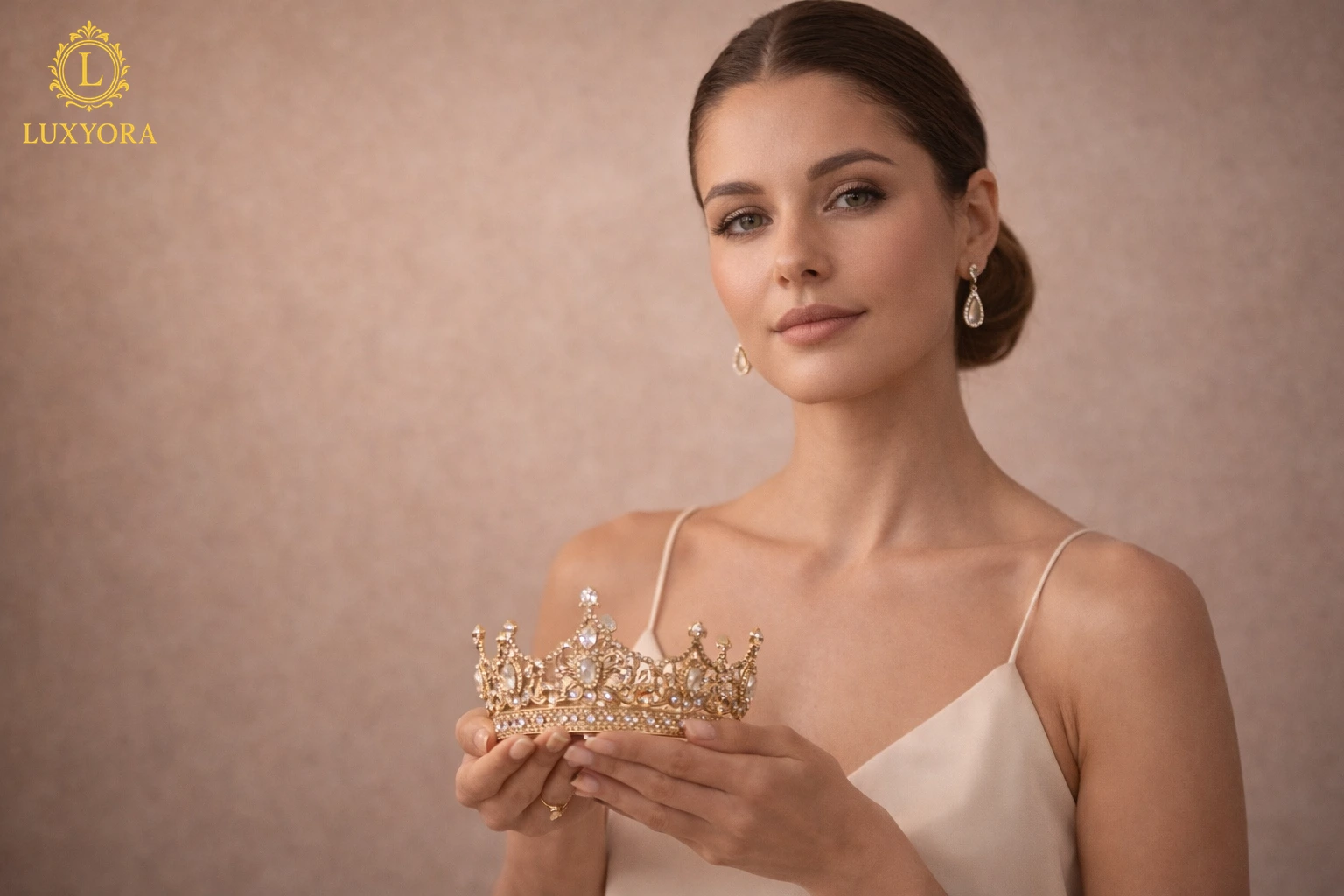
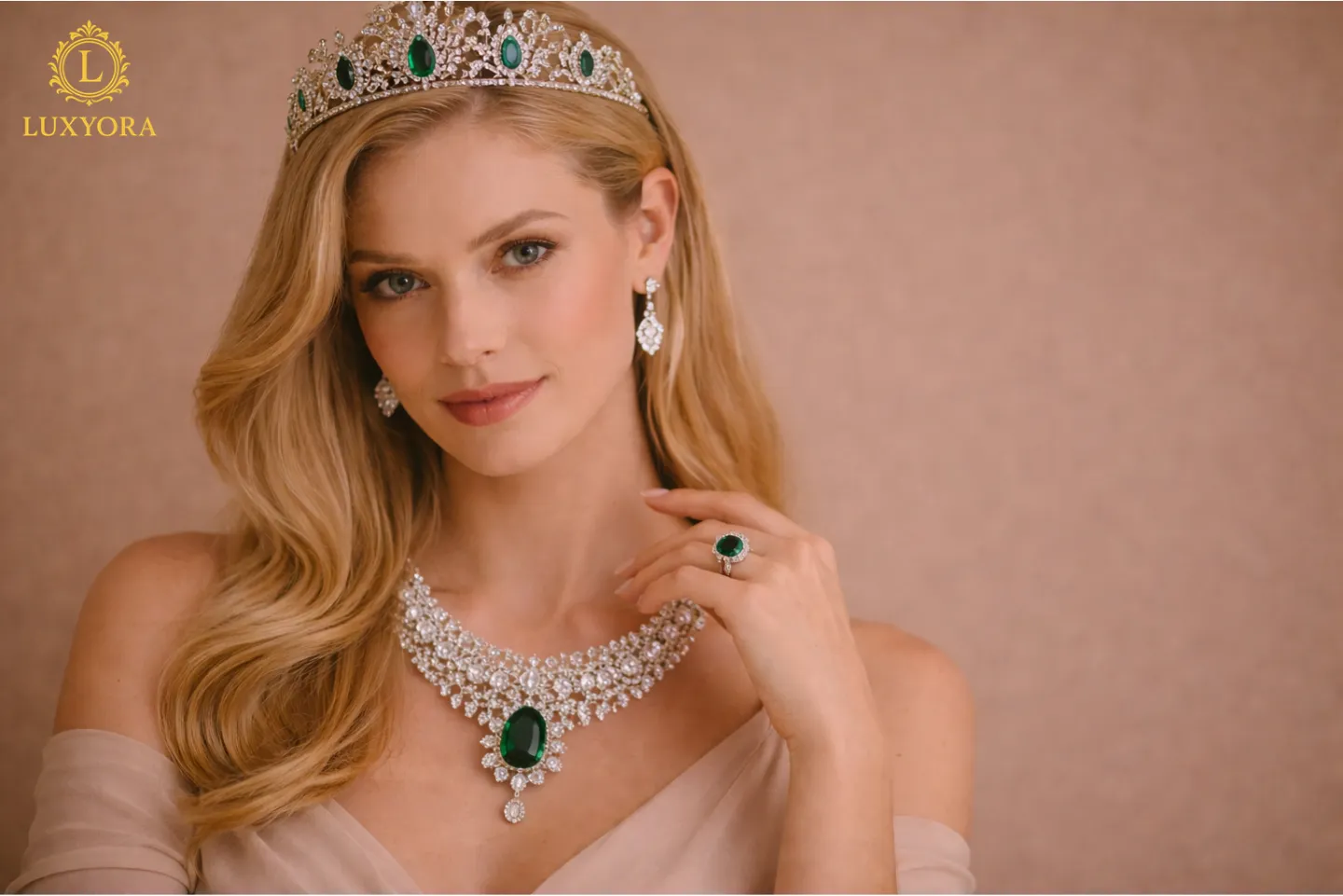
Tiaras are the ultimate royal trope, and they’ve been having a very public renaissance. Not necessarily as everyday wear (unless you’re truly committed to being iconic), but as inspiration.
Luxury’s modern headpiece trend, crystal hair vines, diamond headbands, sculptural clips, and celestial combs, borrows from tiara architecture: symmetry, height, and that “halo effect” that turns a person into a moment. Auction houses and jewellery institutions keep reinforcing the fascination by spotlighting tiaras’ craftsmanship and their social meaning, which helps feed modern demand for pieces that feel ceremonial and rare.
In short, we still want the feeling a tiara gives, even if we wear it in a subtler form.
3) Royal jewellery sets the tone for gemstone “hierarchies”
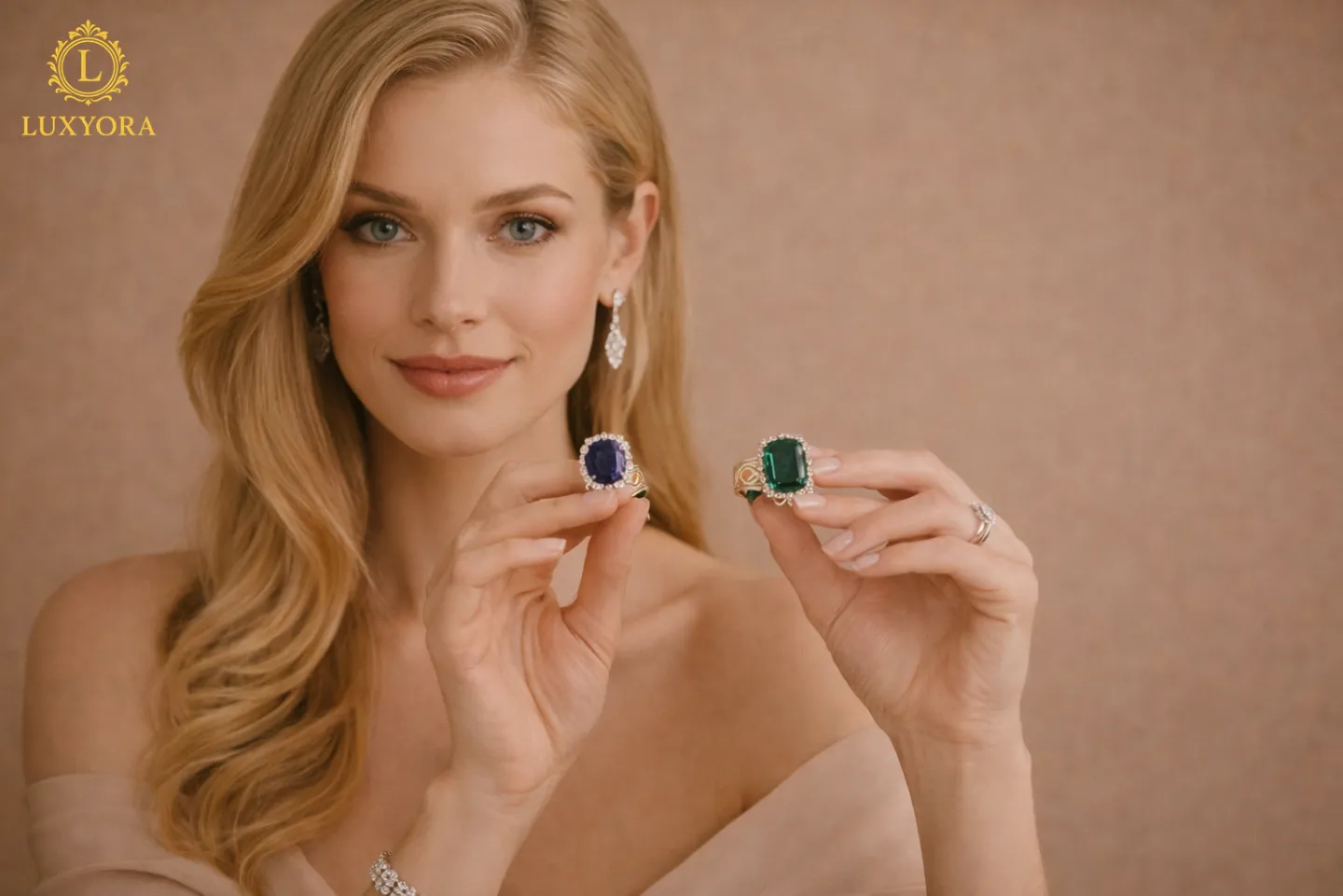
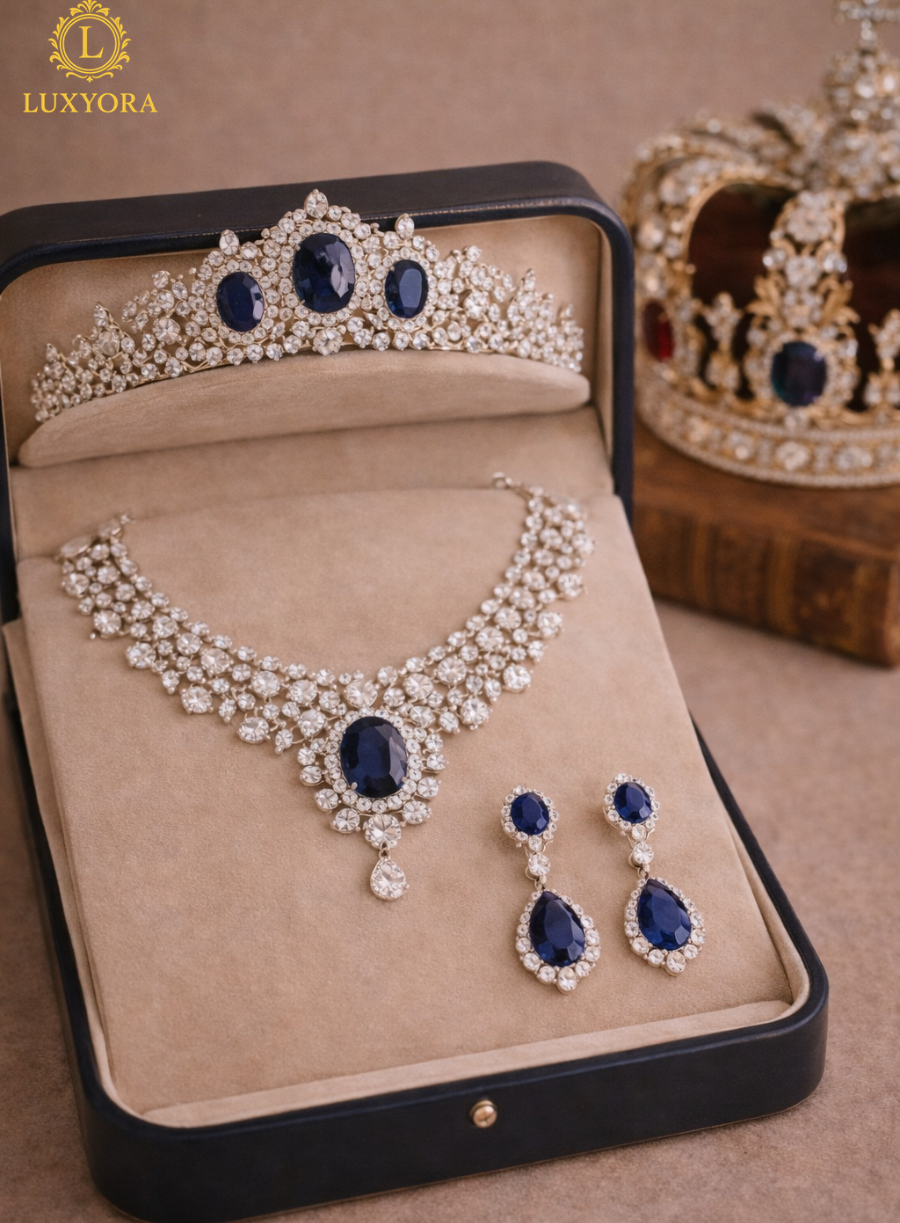
Royal collections have long positioned certain stones as power stones. Emeralds, rubies, sapphires, and diamonds appear again and again in state regalia and historic commissions not only because they’re beautiful, but because they are legible symbols of wealth and stability.
That hierarchy still influences what buyers consider “serious.” When a modern luxury house releases a high jewellery line heavy on vibrant emeralds or royal-blue sapphires, it doesn’t read as random; it reads as tradition and authority. Even newer trends in coloured gemstones are often framed through a royal lens: bold colour, clear provenance stories, and settings that feel ceremonial rather than casual.
4) The “heirloom aesthetic” is basically royal styling, rebranded
One of the biggest luxury trends right now is heirloom energy: vintage-inspired silhouettes, old-world craftsmanship, and pieces that look like they’ve lived a life before they ever touched your skin.
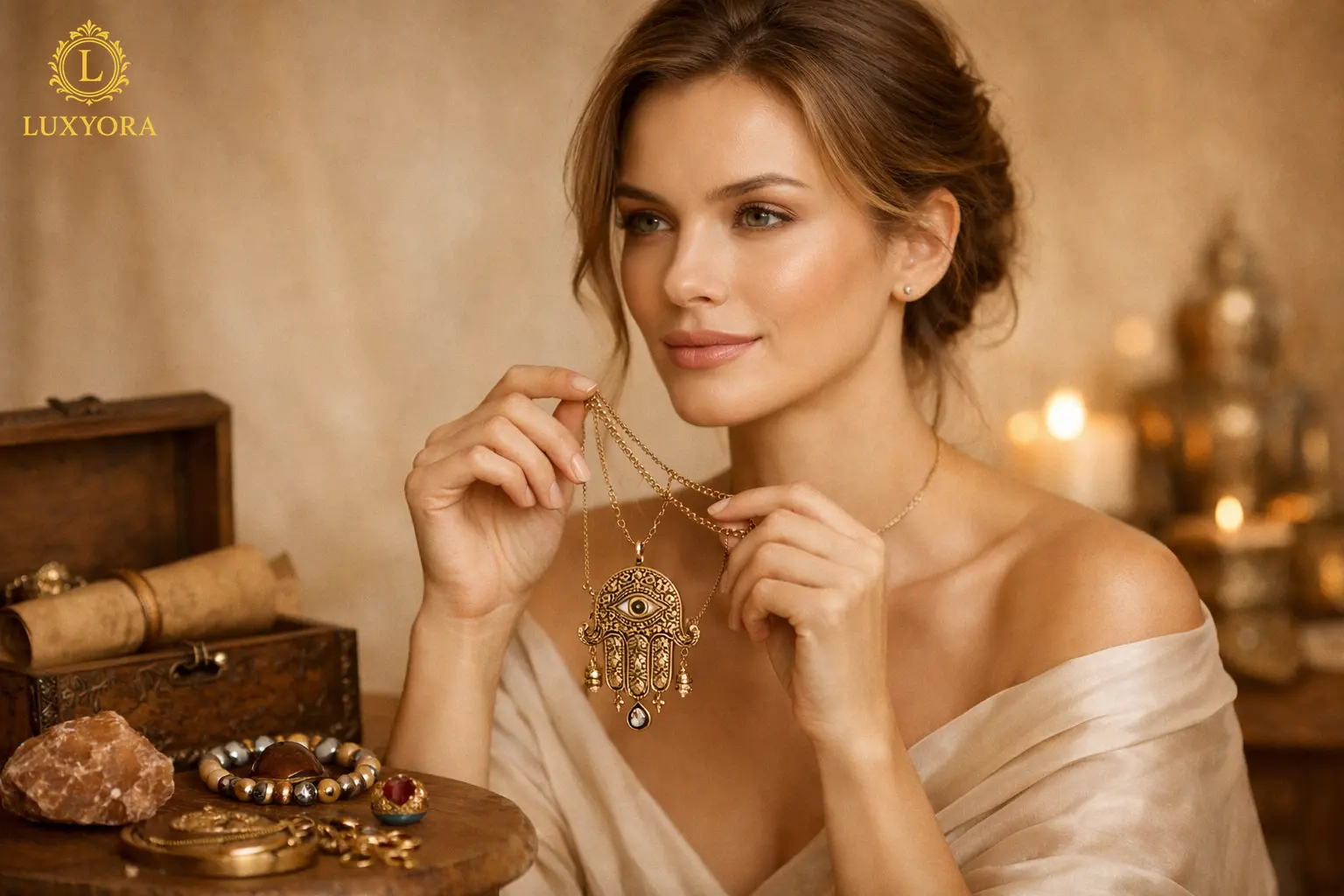
Royal jewellery is the highest form of heirloom storytelling. Royals are known for repeating pieces, modifying them, and passing them down, turning jewels into public narratives. Modern luxury has borrowed that entire philosophy. Today, buyers want jewellery that feels generational: substantial gold, meaningful stones, classic settings, and designs that can be worn for decades without feeling dated.
Even the modern interest in “recycling” and reworking vintage jewels mirrors historical royal practice; jewels were often adapted, reset, and transformed over generations rather than treated as untouchable museum pieces.
5) The rise of brooches is royal influence in disguise
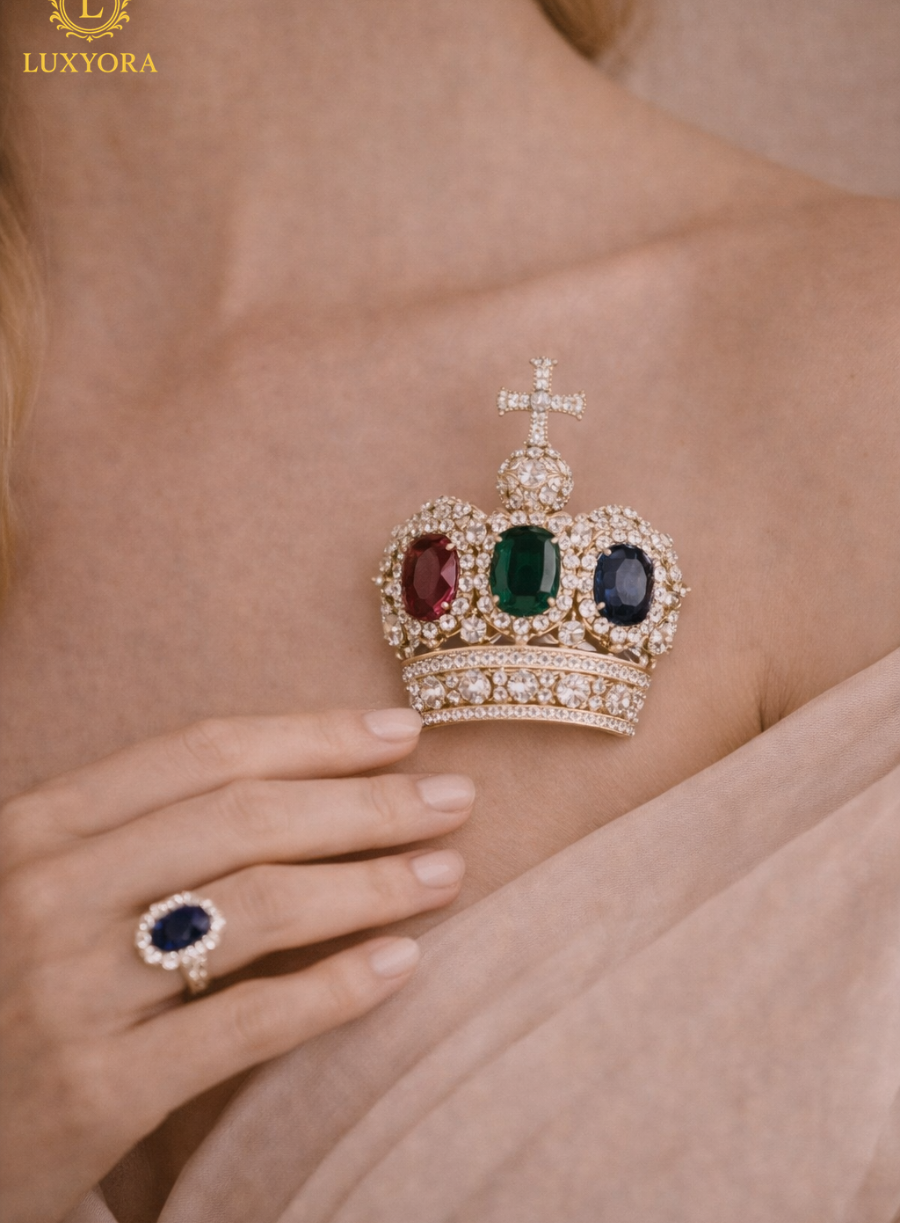
Brooches are back and not quietly.
What makes brooches feel modern again is exactly what made them powerful for royals: placement and symbolism. A brooch sits near the face, anchors fabric, and can instantly add structure, ceremony, or meaning to an outfit. Modern luxury has embraced this, turning brooches into high-impact styling tools for red carpets, formal events, and even minimalist tailoring.
The brooch revival also aligns with a bigger trend: jewellery that can be worn multiple ways. Royals often wore pieces strategically moved from the neckline to the shoulder to the sash because jewels were assets and symbols, not disposable accessories. Today, versatility is a luxury.
6) Royal jewellery is a masterclass in branding before brands
Royal jewellery didn’t just display wealth; it displayed identity. Specific motifs, settings, and commissions became part of a visual signature. That is basically modern branding, centuries early.
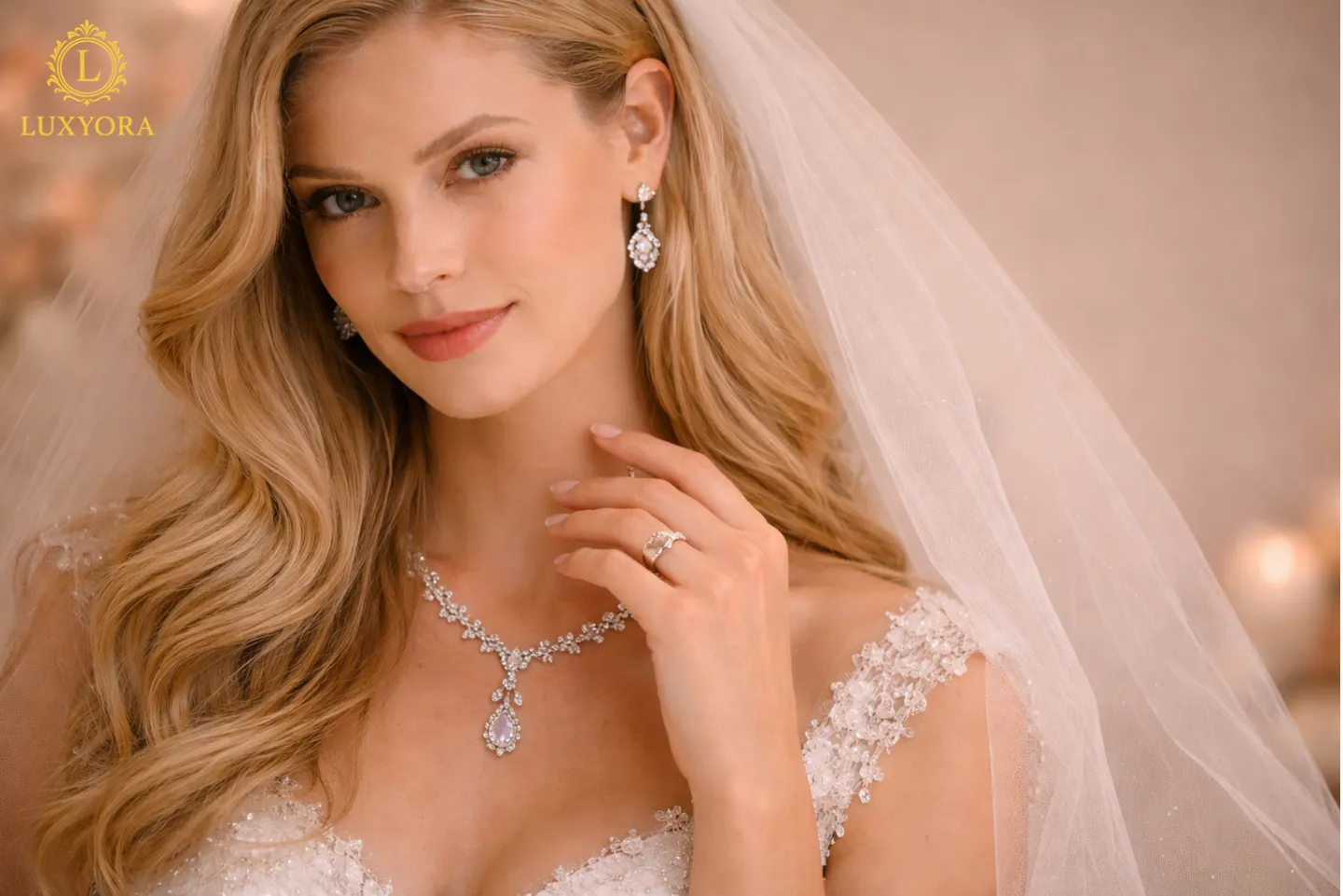
Luxury maisons love royal associations because they work like instant credibility. A piece that resembles a historic tiara silhouette or a coronation-style necklace design doesn’t just look ornate, it looks “authorised” by tradition. That’s why high jewellery often leans into regality: it borrows the psychology of legitimacy.
This isn’t about copying a crown; it’s about borrowing the feeling of a crown.
7) Museums and exhibitions keep the royal aesthetic “current”
A modern luxury trend needs two ingredients: desire and visibility. Major exhibitions and high-profile displays of dynastic and royal jewels refresh public appetite by presenting royal adornment as both historical and fantasy objects, designed to be worn, admired, and remembered.
When audiences see historic tiaras, coronets, and regal gems curated as art and power, it influences what they crave in contemporary pieces: more scale, more craftsmanship, more “story.” It also reintroduces archival motifs, scrollwork, floral sprays, fringe settings, and rivière necklaces back into the luxury imagination.
8) Social media transformed royal jewels into modern cultural currency
Today, royal jewellery circulates faster than ever. One public appearance can revive interest in a silhouette overnight. And because luxury is as much about cultural relevance as it is about materials, royal jewellery has become a reference point for “timeless” beauty that still feels contemporary.
This has a ripple effect:
- designers lean into royal-inspired shapes for instant recognition
- collectors seek pieces with provenance or historic echoes
- buyers shift toward “forever” pieces that photograph like icons
Royal jewellery, once seen by a select few, now influences trends at scale without losing the aura of rarity.
9) The ultimate legacy: jewellery as authority you can wear
Royal jewels endure because they were designed for permanence. They were made to outlive seasons, even outlive people. That’s exactly the mood modern luxury is chasing right now: fewer pieces, better pieces, stronger identity, deeper meaning.
When luxury feels noisy, royal jewellery offers a clean, commanding answer: craftsmanship, heritage, and presence. Not more, just more important.
Luxyora Philosophy: Royal jewellery reminds us that true luxury isn’t trend-driven, it’s legacy-driven. Wear what holds history in its structure, and you’ll never need to chase relevance.
References:
- Al Thani Collection. (2025). Dynastic Jewels: Power, prestige and passion, 1700–1950.
- Garrard. (2021). The Princess and the Pearl: Recycling royal jewels.
- Garrard. (n.d.). Jewellery of the Royal Family: A Garrard history (Part 1).
- National Jeweler. (2020, March 11). A new book is dedicated to Chaumet tiaras.
- Royal Collection Trust. (n.d.). The Crown Jewels.
- Royal Collection Trust. (n.d.). Tiara (RCIN 11356).
- Sotheby’s. (2024, September 24). The rich history and glamour of the tiara.
- Sotheby’s. (n.d.). Power & Image: Royal & aristocratic tiaras (digital exhibition catalogue).