How Luxury Brands Control Quality at Scale | Luxyora
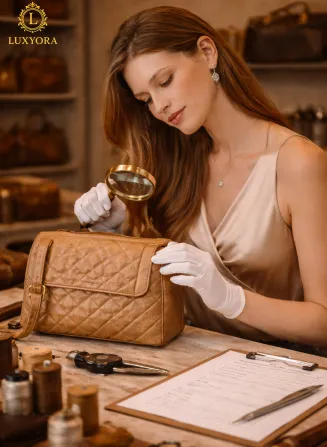
There’s a magic trick in luxury fashion that most outside the atelier never see. On the surface, luxury brands seem like ever-shifting visual feasts: new bags, new shoes, new colours, new collaborations. But behind the spectacle lies a disciplined, almost surgical regime of quality control. How do Maisons ensure that every stitch, every grain of leather, and every clasp meets expectations, especially when production is scaled across countries, suppliers, and product lines? The answer is as much a story of craft as it is of strategy.
The Luxury Paradox: Artisan Standards in Industrial Reality
At the heart of luxury quality lies a paradox: how do you retain artisanal excellence when demand is measured in tens of thousands of units or more?
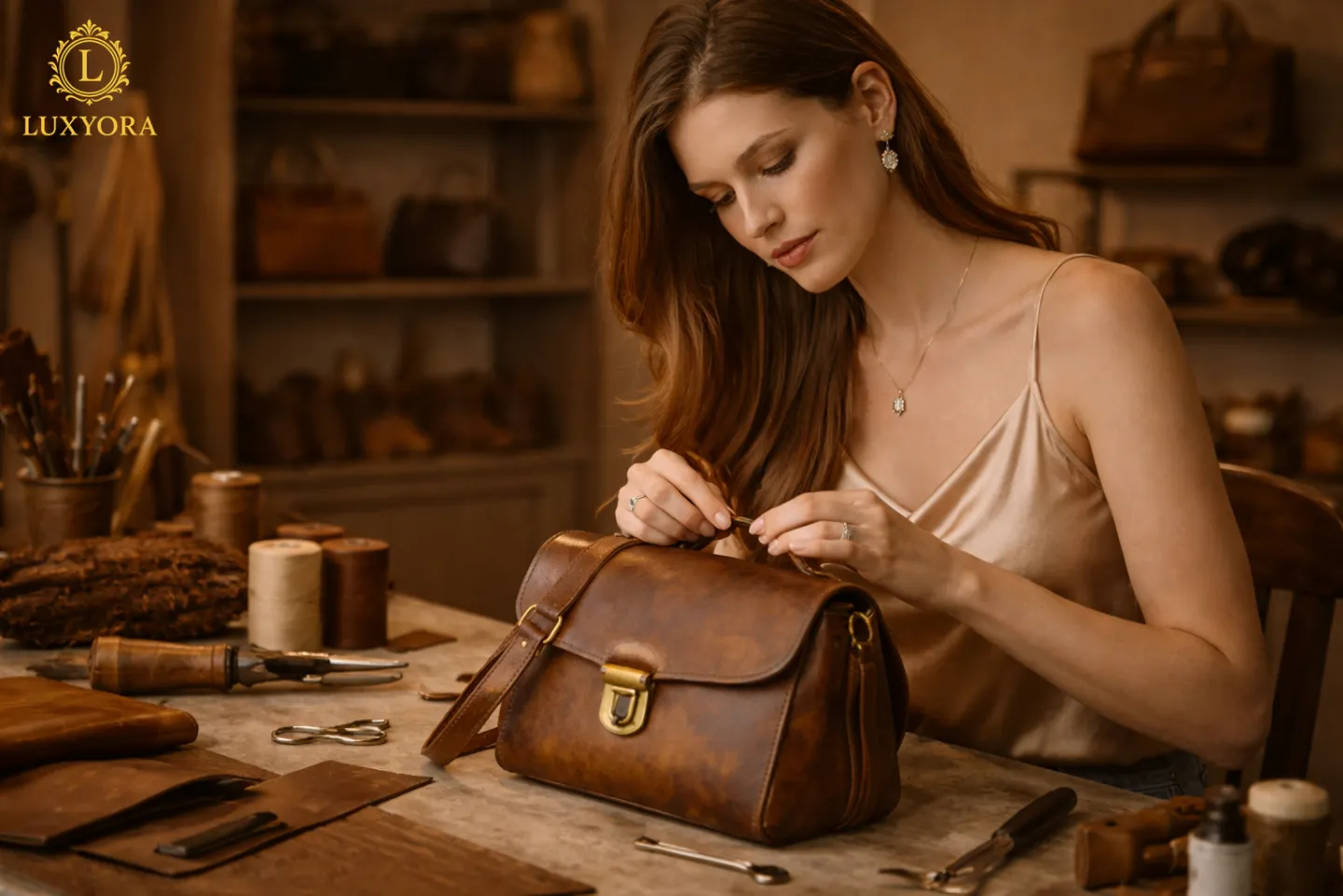
Most luxury houses embrace a dual-track philosophy. On the one hand, they preserve handcrafted traditions: hand-stitching, artisan finishing, and meticulous inspection. On the other hand, they use digital tools, data systems, and advanced workflows to bring precision and consistency across global operations.
This blend of heritage and high tech is not accidental. It’s a deliberate strategy born from centuries of craftsmanship, heightened by the pressures of global markets and discerning consumers.
Rigorous Material Standards: The Foundation of Quality
Quality starts even before a product is made. The sourcing of raw materials, leather, hardware, and textiles is where luxury brands draw their first line in the sand. Unlike fast-fashion producers, who may chase price, luxury brands chase pedigree and traceability.
Top brands maintain tight supplier relationships and require materials to pass exhaustive tests. These include colourfastness, tensile strength, texture consistency, and ageing behaviour. Sometimes hides are rejected not for flaws, but for too much variance, the exact kind of character that looks beautiful up close but threatens uniformity across a collection.
Increasingly, brands also evaluate materials on environmental and ethical grounds, reflecting modern consumer expectations for sustainability alongside quality. This adds a layer of complexity: handbags and garments now carry not just aesthetic value but also social and ecological accountability.
Precision Through Technology: Data, Sensors, and Digital Twins
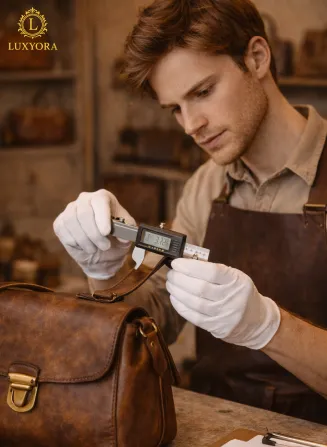
While handcraft remains central, luxury houses increasingly turn to modern tools to standardise and scale quality. What was once done entirely by eye is now augmented with digital measurement systems, real-time quality dashboards, and even AI-assisted defect detection.
Imagine a digital twin, a virtual replica of a product, that helps engineers compare factory output against an ideal standard. These systems can analyse millions of data points, from thread tension to metal density, and flag deviations before a piece ever leaves the workshop.
In some ateliers, fabric cutters use laser-guided machines to ensure pattern precision. Sensors measure stitching, and cameras detect colour shifts that a human eye might overlook after hours on the line. At every stage, there are checks invisible to the consumer, executed relentlessly.
Craftspeople as Quality Ambassadors
No matter how sophisticated technology becomes, humans remain the ultimate guardians of luxury standards.
Artisans with years, sometimes decades, of training still carry out the most critical stages of production. Some luxury brands operate internal academies or apprenticeship systems precisely to preserve this expertise. These programs don’t just teach skills; they pass on institutional standards and an embodied understanding of what feels, sounds, and should look right.
Often, a single craftsperson will complete a component or even an entire product. That concept, rarely seen in high-volume industrial fashion, helps maintain consistency in knowledge, ensure quality, and remain accountable. Most quality professionals in luxury will tell you that no technology can replicate the intuitive response of a seasoned artisan spotting an imperceptible fault.
Multi-Stage Quality Inspections: Redundancy with Purpose
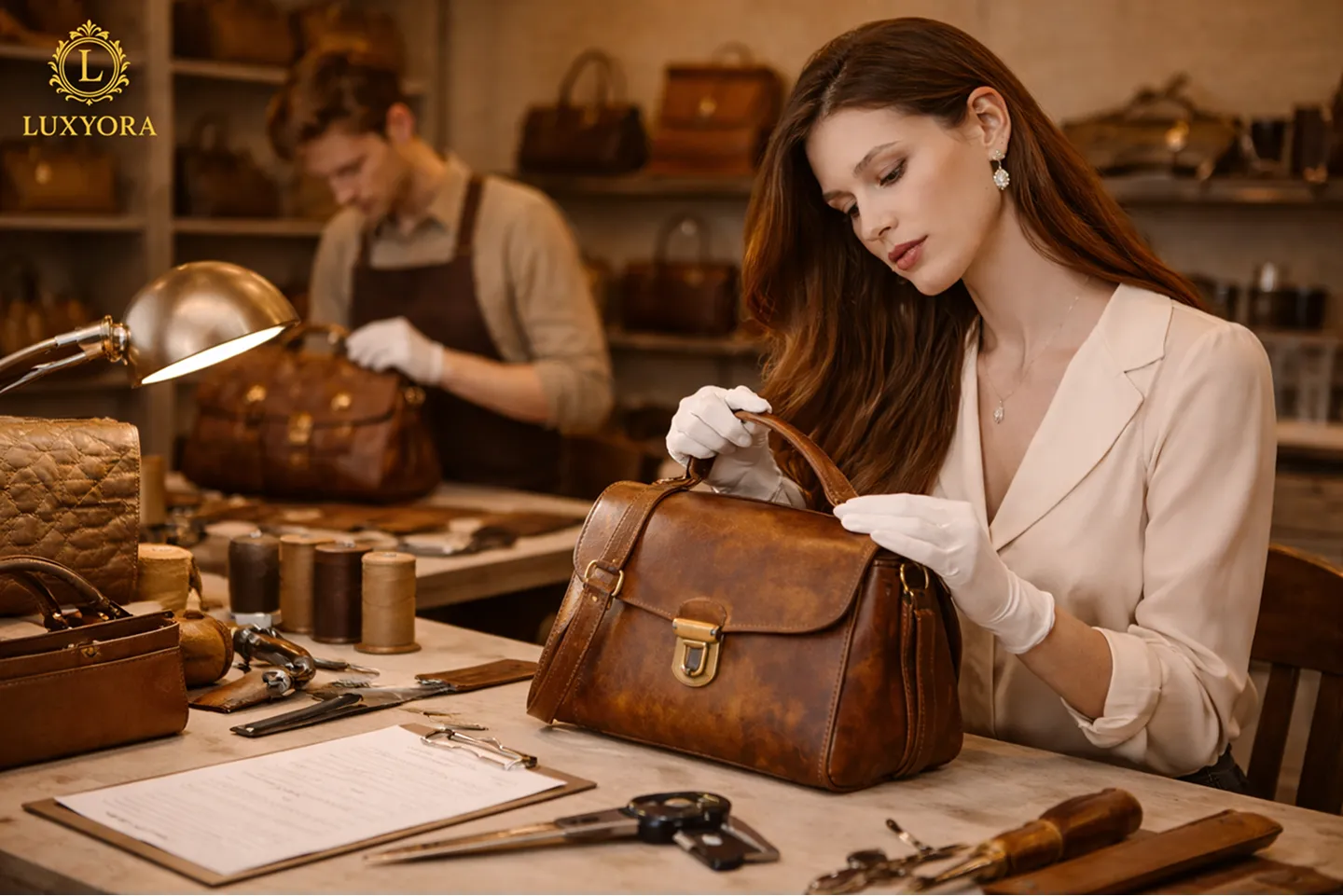
High fashion doesn’t rely solely on a final sweep of quality checks. Quality control is continuous, built into every step.
In well-run luxury production lines, a product passes through sequential inspections:
- Incoming inspection: materials are tested before they enter production.
- In-process checks: stitch quality, cut precision, and seam integrity are verified at each stage.
- Pre-finish validation: components like hardware and lining are inspected before assembly.
- Final audit: the finished product undergoes a multi-point approval checklist.
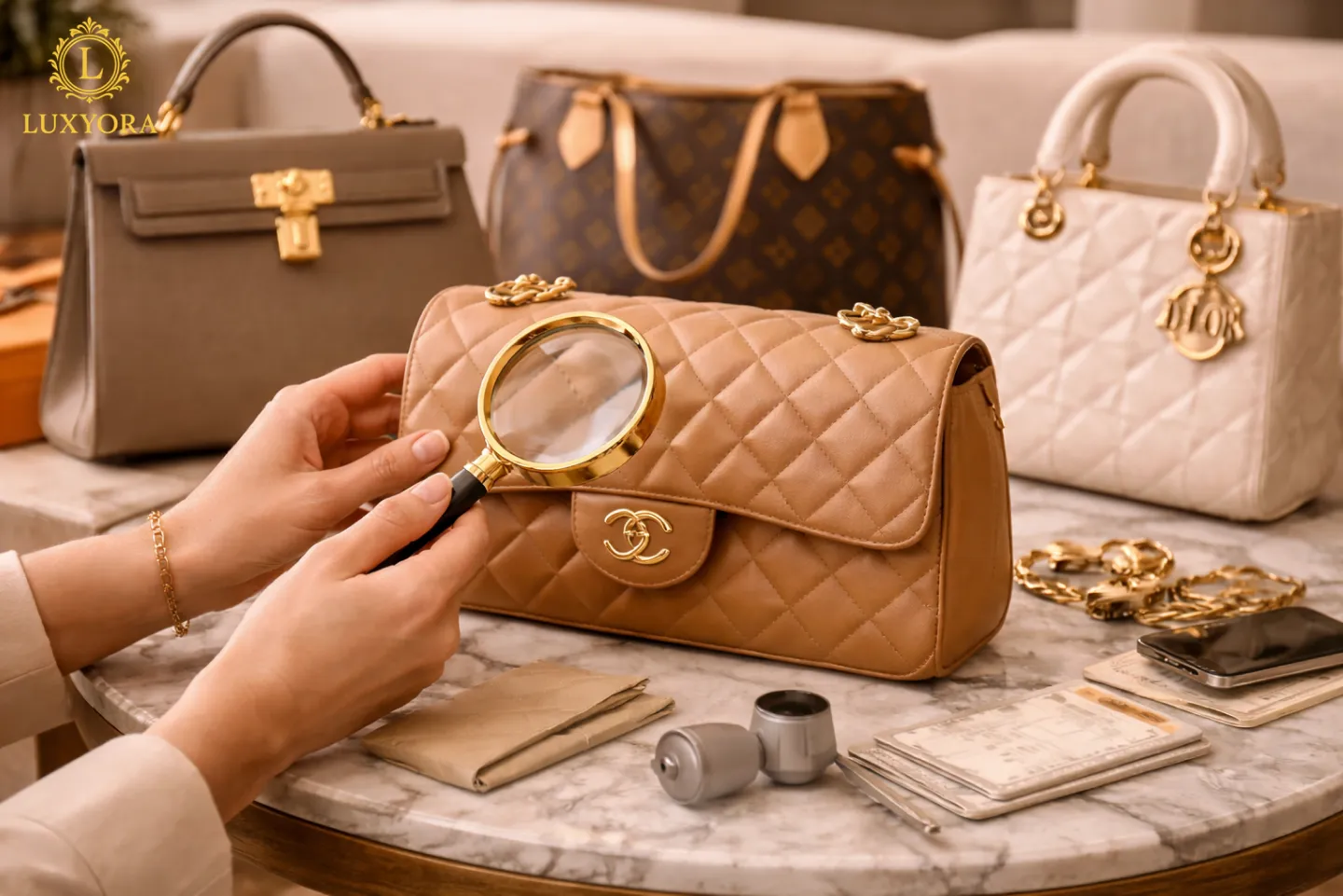
Rejects don’t just get scrapped. In many luxury workshops, repairs or rework are carried out by senior craftspeople. The idea isn’t waste its refinement.
This layered approach is essential when scaling quality because it prevents minor issues from compounding into major faults. Every stakeholder, from machine operator to senior quality manager, participates in this ecosystem of checks and balances.
Brand Heritage as a Quality Compass
Brand heritage isn’t just nostalgia; it’s a repository of quality codes.
Most luxury houses anchor their quality philosophy in a set of aesthetic and functional principles that transcend individual collections. This heritage framework informs everything from hardware finishes to stitching patterns, silhouette proportions, and even repair policies.
When brands replicate iconic styles season after season, they also replicate the quality standards associated with them. This creates consistency not just in look, but in customer trust, an asset more valuable than any runway moment.
Consumer Experience and Aftercare: Quality That Lives Beyond Purchase
Luxury quality doesn’t vanish at checkout. Post-purchase support, repairs, refurbishing, and lifetime servicing are now critical to how brands ensure quality longevity.
Repair services aren’t just about fixing issues; they’re extensions of quality principles. A bag that can be returned to workshop conditions years after purchase embodies confidence in construction and materials. It’s a commitment rarely seen in fast-fashion paradigms.
This aftercare is part of a larger trend: consumers increasingly view luxury as investment pieces rather than disposable fashion.
The Future of Quality: Sustainability, Transparency, and Innovation
Looking ahead, luxury quality control is evolving further. Sustainability metrics, ethical sourcing, and supply chain transparency are now quantifiable aspects of quality in and of themselves.
Brands now publish environmental performance data, lifecycle assessments, and traceability records not because they have to, but because quality now includes impact.
Technological innovation will continue to play a role, but not at the expense of human skill. If anything, technology augments craft, enabling artisans to maintain their standards even as demand and complexity grow.
Quality at scale in luxury isn’t a myth. It’s a discipline, a meticulous choreography of materials, machines, and humans.
Luxyora Philosophy: Quality isn’t just measured by what you see today, it’s judged by what endures tomorrow. True luxury marries timeless craft with purpose-built precision.
References:
- Rehn-Groenendijk, J., Lehmann, L., & Schenten, J. (2022). Handbook of leather design for sustainable development. Hochschule Darmstadt.
- Capellini, F., & Dus, C. (2021). Craftsmanship and digital technologies: New opportunities and challenges for design education. Craft Research, 12(1), 52–71.
- Abdelmeguid, A., Afy-Shararah, M., Salonitis, K., & Athanassopoulou, N. (2024). Insights into sustainability and circular economy trends in luxury fashion: Drivers shaping the landscape in the UK. Cleaner Engineering and Technology, 18, 100681.
- Leather Working Group. (2021). LWG standard P7: Leather manufacturer audit standard (Version 7). Leather Working Group.
- UNESCO. (n.d.). Traditional craftsmanship (Intangible Cultural Heritage domain description). UNESCO. (Content through 2024)