How Apparel Shapes the Way You Carry Yourself | Luxyora
There’s a particular kind of confidence that arrives the second your outfit clicks. Shoulders subtly roll back. Your stride turns smoother like you’re gliding through your day rather than negotiating with it. Nothing about your personality changed overnight… and yet, everything about your presence did.
That’s the quiet power of apparel: it doesn’t just decorate the body. It directs it. What you wear can shape posture, movement, mood, and the way you interact with other people, often without you noticing. Researchers who study dress and psychology increasingly treat clothing as a real player in how we perceive others and ourselves, not a superficial afterthought. Which means that “what you put on” often becomes “how you show up.”
Let’s unpack how.
1) Clothes act like a script your body follows
We talk about “putting on a look,” but your body hears something even more literal: a cue. Certain garments signal professional, relaxed, romantic, and powerful roles, and those signals can shape how you think and behave. This idea is linked to research on “enclothed cognition,” where clothing can influence psychological processes partly because of the symbolic meaning you attach to it.
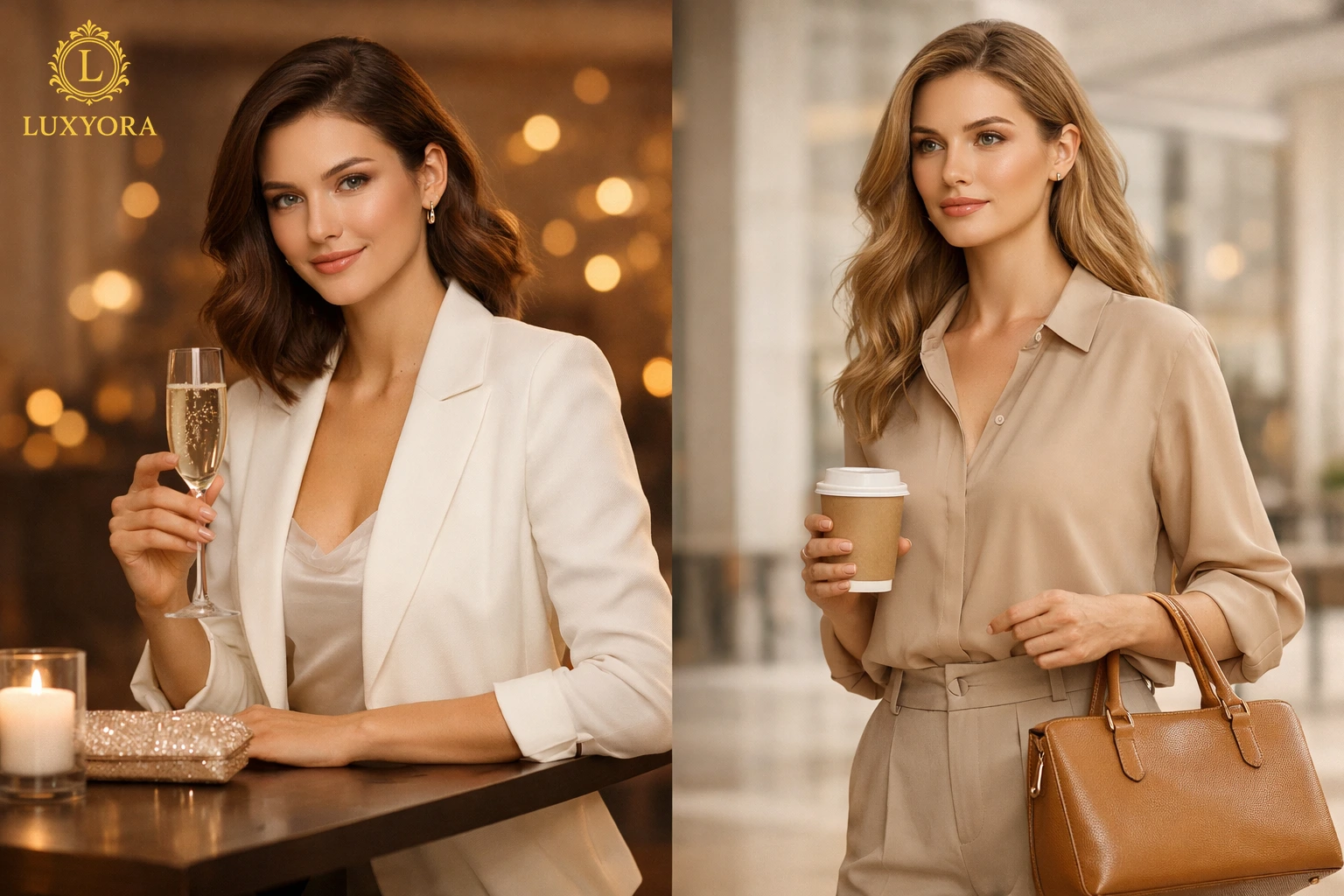
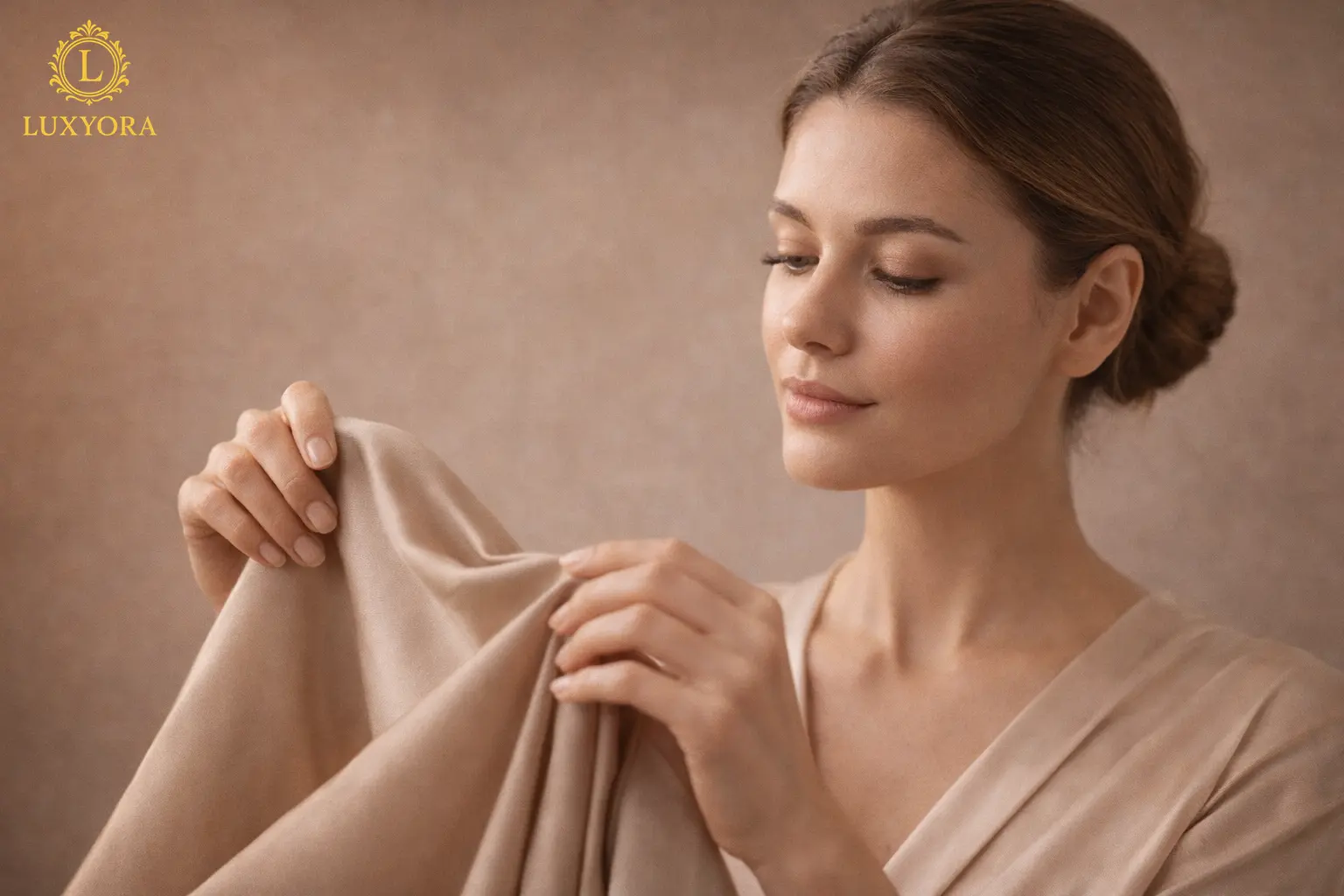
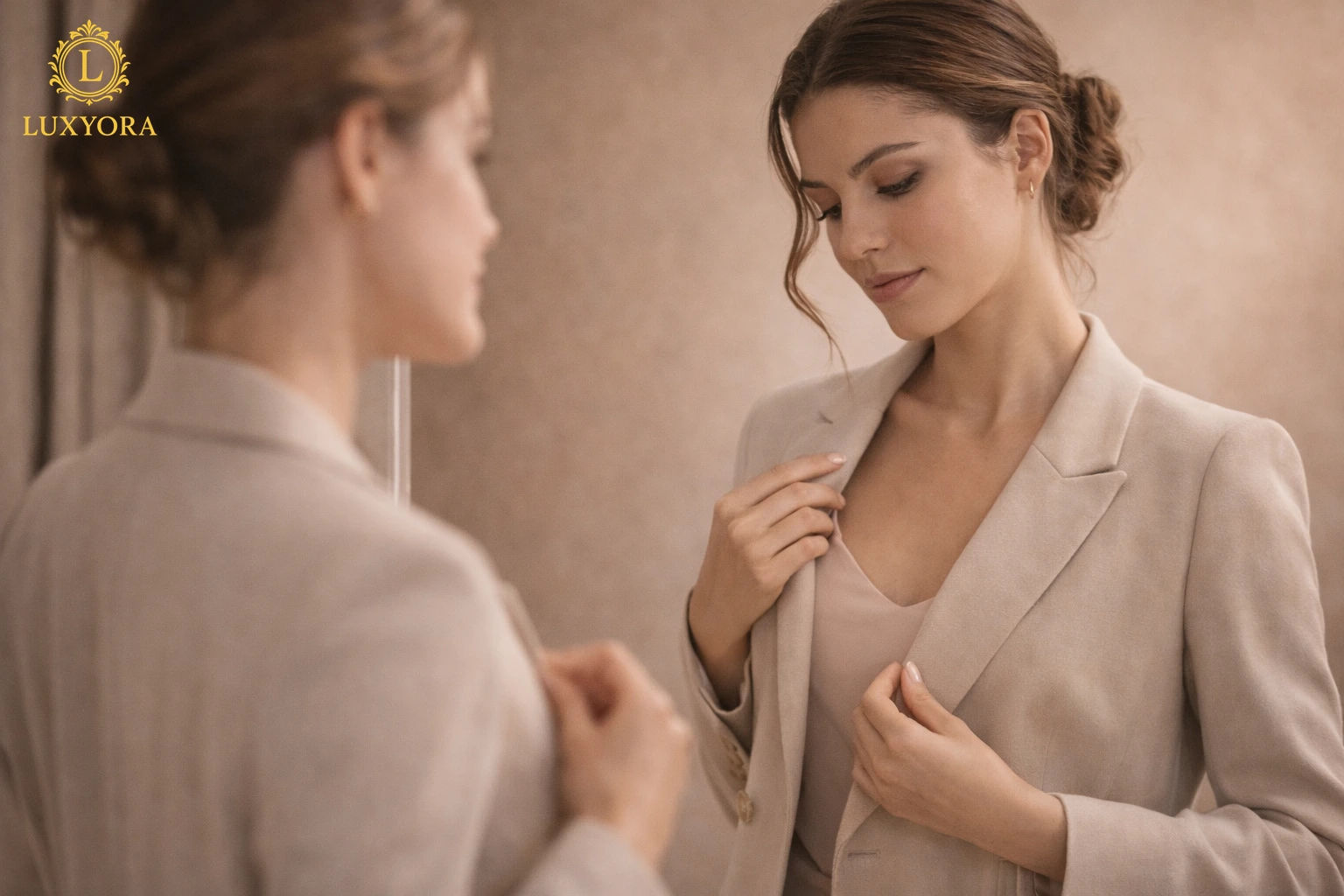
A crisp blazer can nudge you toward a more upright stance and a sharper tone in conversation. A soft knit set can encourage slower movement and a gentler social presence. Your outfit becomes a suggestion, and your nervous system, always hungry for context, takes it seriously.
2) Structure changes posture (and posture changes your mood)
Some clothes are basically posture trainers in disguise. Tailored jackets encourage you to square your shoulders because slouching disrupts the line. Pencil skirts and fitted trousers influence stride length. Heeled shoes shift weight forward and change how you balance (whether you love that effect or loathe it).
Even when there’s no “hard” structure, fit creates physical feedback. Too-tight clothing can make you guarded, adjusting, tugging, shrinking. A perfect fit tends to do the opposite: it frees you up. You move like you’re not apologizing for existing.
And here’s the subtle loop: when apparel shapes posture, posture can shape how you feel about yourself because your body position contributes to self-perception and social behavior. Fashion psychology work frequently highlights how clothing interacts with emotion, identity, and behavior, making it less about “style” and more about daily self-management.
3) Clothing influences how others respond and you respond back
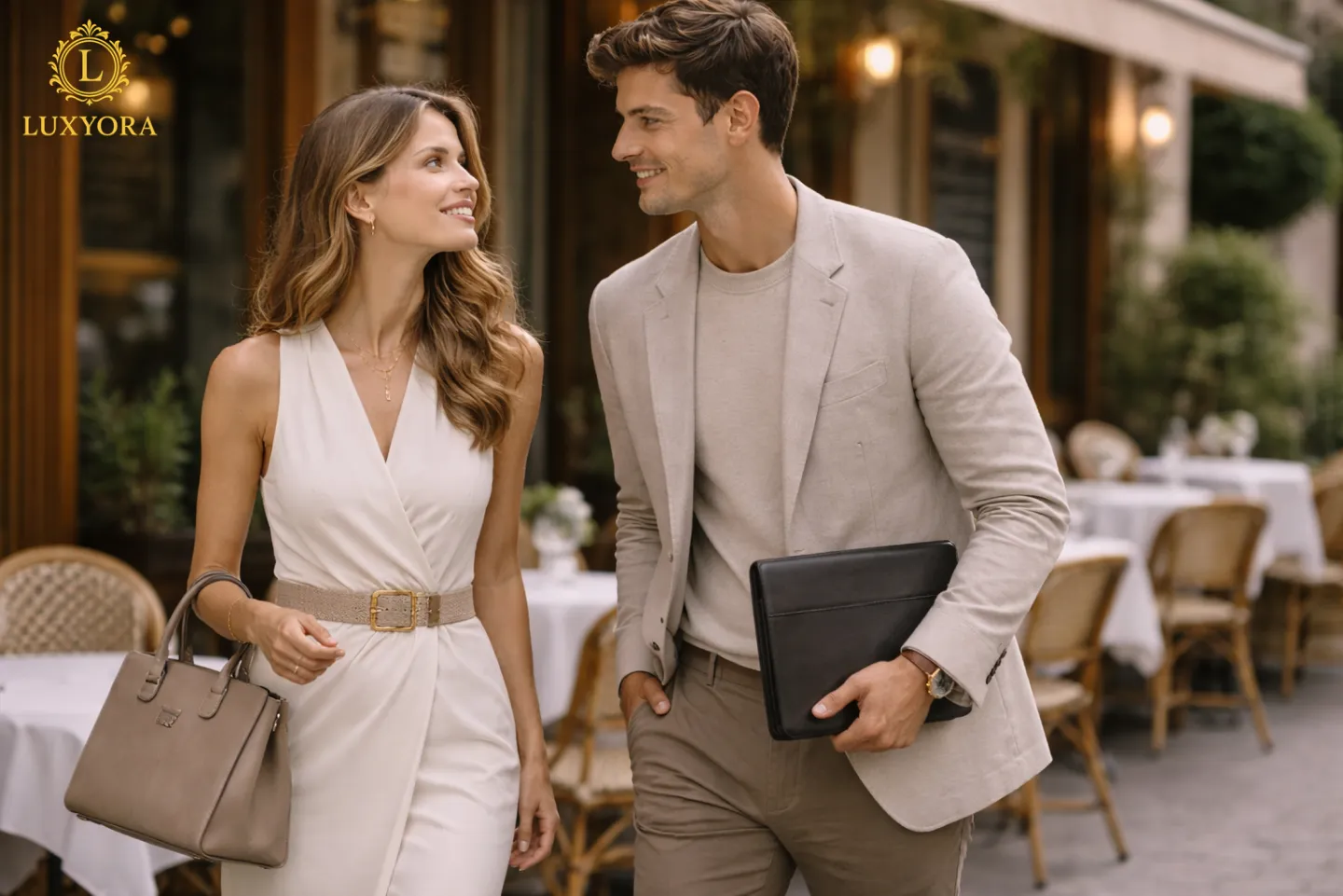
The way you carry yourself isn’t created in isolation. It’s social. People react to your outfit (sometimes consciously, often unconsciously), and that reaction feeds back into your confidence, your voice, and your physical presence.
There’s strong evidence that dress is central to first impressions and person perception people use clothing to make inferences about status, social category, cognitive state, and aesthetics. When someone treats you like you’re competent, stylish, or “important,” you often start behaving that way more naturally. When you feel underdressed or misread, you might become more self-conscious, tighter in your movement, less expressive.
So yes: apparel can literally change the social temperature around you and that changes your posture in real time.
4) Uniforms and “role dressing” can shift behavior
Ever notice how a uniform makes you feel like you’re “on”? Even if it’s not an official uniform, maybe it’s your gym set, your all-black work look, your signature jewelry, the effect can be similar. Clothing can create a boundary between roles: personal self vs. professional self, resting self vs. ambitious self.
Research in applied contexts supports the idea that clothing linked to institutions or roles can influence behavior. One study found that wearing certain uniforms (e.g., Red Cross) versus civilian clothes affected prosocial behavior and related psychological measures. You don’t need a uniform to get the mechanism, just a garment that means something to you.
Carolyn Mair’s work in fashion psychology highlights how fashion choices connect to motivations, identity, and emotion, meaning your style can express not only aesthetic preference, but personal priorities and needs. Sometimes you’re dressing for artistry. Sometimes you’re dressing for survival. Both are real.
This is why “dressing for the day you want” works when it works. It’s not magic. It’s priming.
5) Comfort isn’t casual, it’s communicative
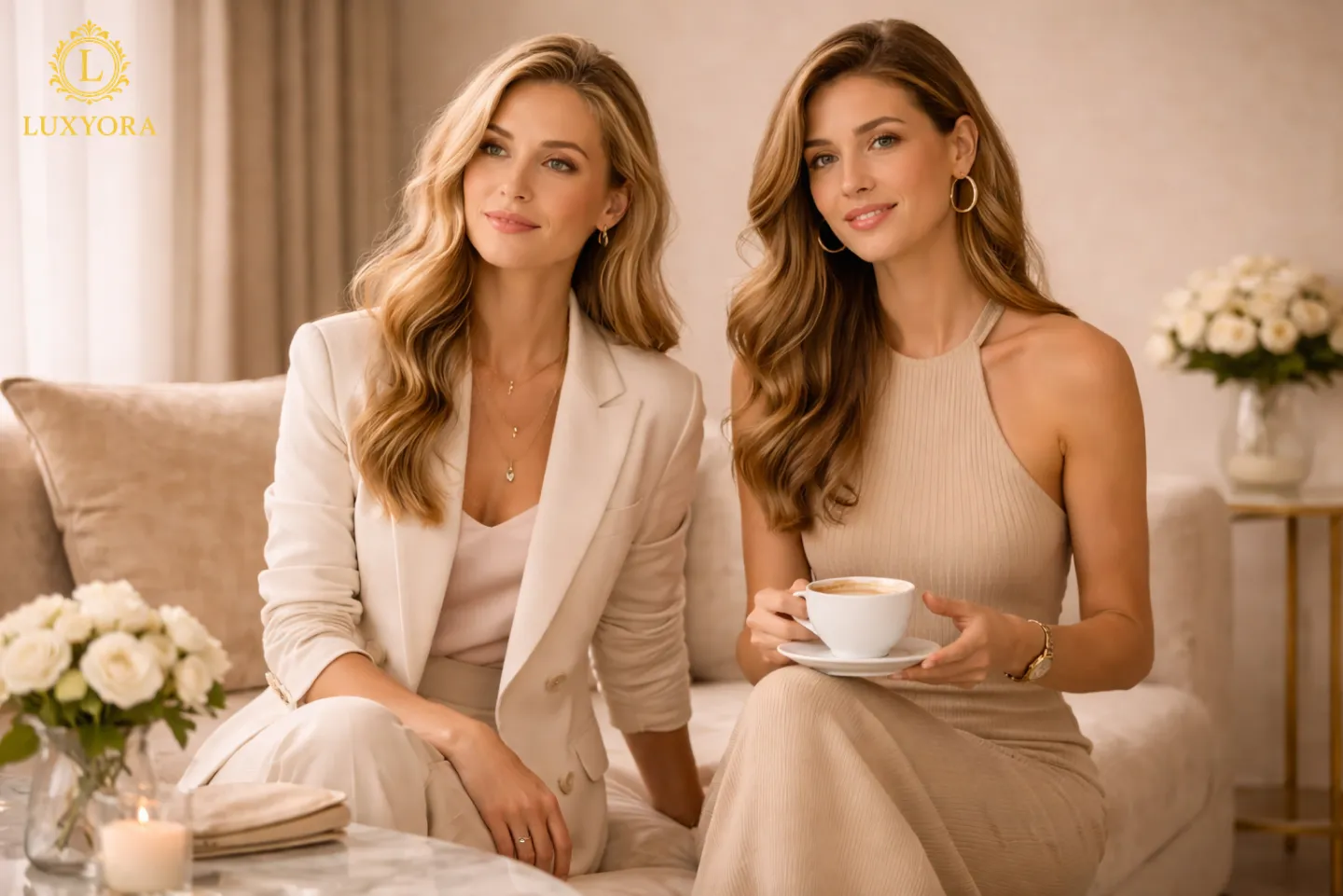
We often treat comfort like the opposite of style, but comfort is a message to your body: safe, soft, steady. When you’re physically at ease, your movements tend to open up. You take deeper breaths. Your shoulders lower. You appear calmer because you are calmer.
That said, comfort isn’t one-size-fits-all. For some people, “comfort” is a silky slip dress and delicate sandals. For others, it’s wide-leg trousers and a crisp tee. The point is: when clothing supports your body, your body returns the favor by carrying you with more ease.
6) The “best dressed” secret is not the trend, it’s alignment
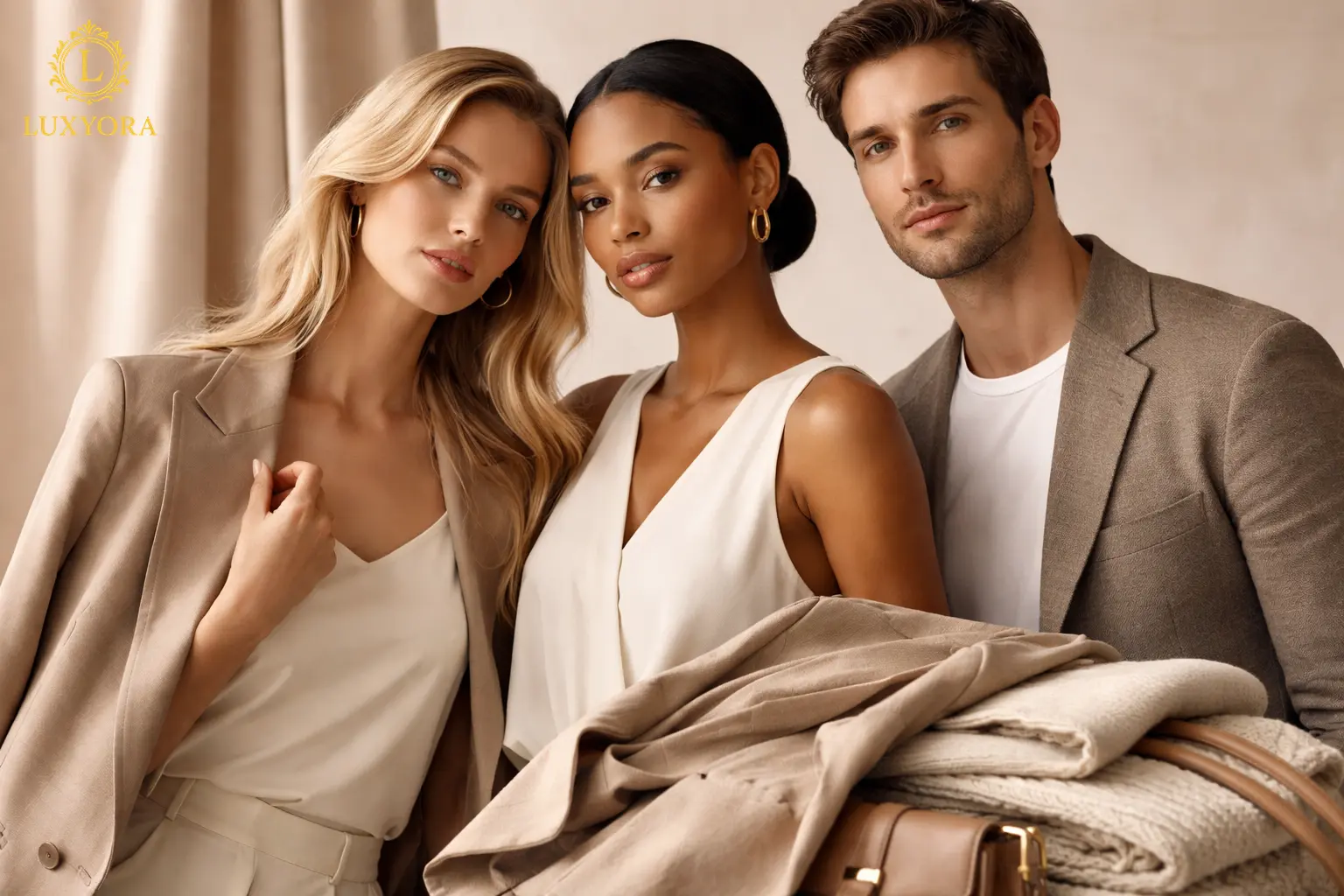
The most compelling presence is rarely about chasing what’s new. It’s about alignment: your outfit matches your intent. That’s why a minimalist look can feel magnetic, why neutrals can look expensive, and why a simple silhouette can read as powerful. When your clothing aligns with your identity (or the identity you’re practicing), you stop fidgeting and start inhabiting your space.
And that’s where apparel becomes quietly transformative: it helps you move through the world with less friction. Not because it changes who you are, but because it removes the static between your inner state and your outward expression.
A chic takeaway you can use tomorrow morning
If you want to change how you carry yourself, don’t start with “What do I want to wear?” Start with: “How do I want to feel in my body today?” Then dress as if your outfit is supporting that feeling through fit, fabric, structure, and symbolism.
Your clothes don’t just sit on you. They collaborate with you.
Luxyora Philosophy: Wear what helps your body tell the truth. When clothing supports your posture and purpose, confidence becomes a natural stance, not a performance.
References:
- Crutzen, C., Van der Linden, M., & colleagues. (2022). “What if it’s not just an item of clothing?” A narrative review integrating the white coat effect and enclothed cognition. Frontiers/PMC. (PMC)
- Hester, N., & Hehman, E. (2023). Dress is a fundamental component of person perception. Perspectives on Psychological Science. (SAGE Journals)
- Mair, C. (2018). The psychology of fashion. Routledge. (Routledge)
- Pech, G. P., & colleagues. (2023). Does the cowl make the monk? The effect of military and Red Cross uniforms on empathy for pain, sense of agency and moral behaviors. Frontiers in Psychology. (Frontiers)