Footwear Designed for Virtual and Augmented Spaces | Luxyora
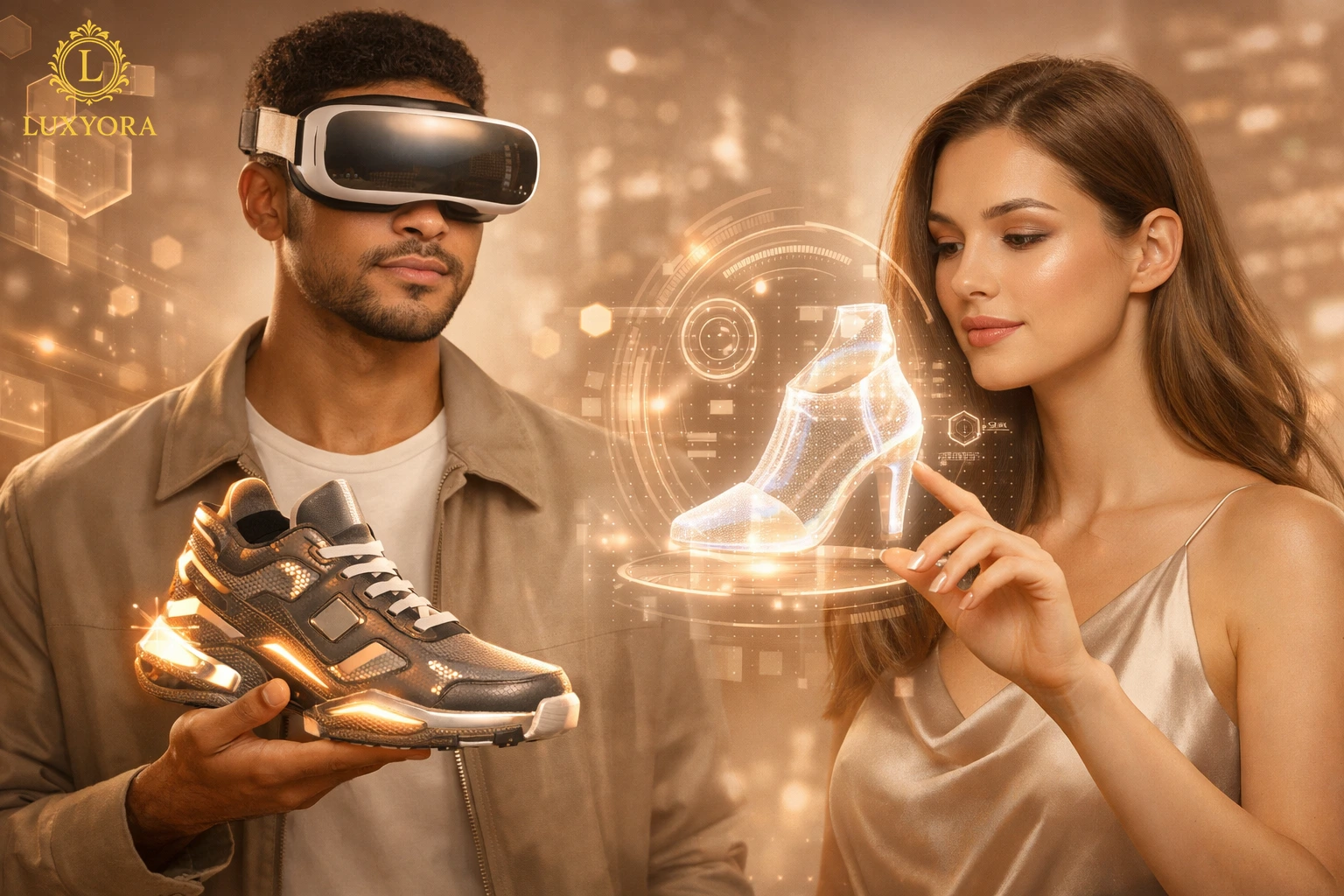
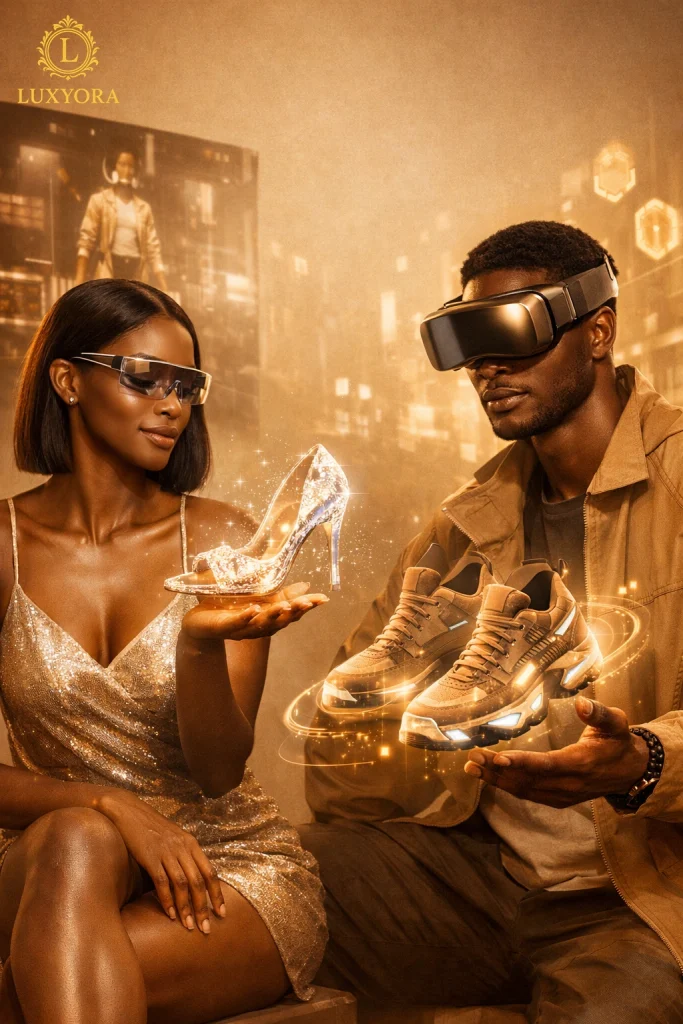
Remember the first time you tried on a pair of virtual sneakers in a digital game and thought, Wow, these look better than half my real-world collection? With the rapid rise of virtual and augmented reality, footwear has leaped from function to fashion into the realm of digital identity. Shoes that don’t physically touch the floor yet elevate your avatar’s presence are becoming a fascinating intersection of technology, self-expression, and culture.
In the same way that couture defines couture and streetwear writes its own rules, digital footwear is drafting a new grammar of style. Here, design is not just about thread and materials; it’s about pixels, performance, symbolism, and immersive experience. Let’s walk through this emerging landscape, where the boundaries between the physical and the virtual are fading, and where shoes are designed as much for screens and sensations as for soles and steps.
The Rise of Digital Shoes: More Than Pretty Pixels
Digital footwear isn’t just a quirky add-on to a character loadout. It’s a cultural phenomenon fueled by several forces:
- Gaming and avatars: From MMORPGs to social platforms like VRChat, avatars carry personality. Shoes become part of the identity signature visible to millions without ever touching real ground.
- Augmented reality (AR) fashion: Try-on filters and AR apps let users see digital footwear on their real feet in real time. The mesh may be virtual, but the psychological connection feels tangible.
- NFTs and digital ownership: Some digital shoes now exist as unique assets. Owning a limited edition virtual sneaker can be more than symbolism; it’s a collectible.
This trend reflects a broader cultural shift: clothes and accessories have always been semiotic tools (they signal status, taste, affiliation). In digital spaces, that signal becomes even more explicit because design has no physical constraints. This has opened creative doors that real-world shoemakers are only beginning to explore.
What Makes a Great Virtual Shoe?
Expect the criteria to be different from physical footwear but equally purposeful:
1. Narrative and identity
In virtual spaces, shoes are part of a story. They tell others where you’ve been, what you value, or what world you belong to. A glittering AR heel might signal glamour on one platform, while a kinetic sneaker that lights up with every avatar movement signals playfulness elsewhere.
2. Aesthetics unbound by physics
Real-world shoes need to balance these factors: balance, comfort, material limitations, and manufacturing feasibility. Virtual shoes need imagination first. Think levitating soles, dynamic color shifts, holographic finishes, or reactive qualities that respond to sound or movement.
3. Interaction design
In AR, design must adapt to real feet and movements. The shoe must track in real time and look natural. That requires computation, animation quality, and precise digital modeling. In VR or metaverse spaces, shoes often exhibit behaviors such as leaving glowing footprints or triggering effects.
4. Utility in space
In gaming, shoes can confer abilities, speed boosts, silent movement, or teleportation cues. In social or fashion AR, utility is less about stats and more about engagement and presence. A well-designed virtual shoe can increase your sense of embodiment in the space.
Physical Meets Virtual: A New Hybrid Reality
Luxury brands have been among the earliest adopters of digital fashion because they understand the power of storytelling. High fashion thrives on identity projection and myth-making, and digital fashion is a new canvas for that.
Designers are now creating digital shoes not just for avatars, but for augmented reality try-ons that complement physical products. Imagine scanning your foot with an AR app and seeing a 3D prototype of a shoe before it’s manufactured. This deepens consumer engagement, blurs the design-commerce divide, and changes the very idea of shopping.
This hybrid reality also invites playful experimentation. Some digital designs mirror real materials such as leather, suede, and woven textiles. Others defy material logic: boots made of stardust, sneakers that shift texture with your heartbeat, heels that levitate inches above the floor.
Emotional and Social Dimensions
People attach meaning to what they wear digitally and physically. Emotional value in digital shoes isn’t measured in cushioning or arch support; it’s measured in social currency and personal expression.
In virtual communities, rare or limited-edition digital footwear can become status markers, akin to owning a vintage designer piece in real life. There’s a psychological depth here: symbols matter, whether they’re sewn with thread or coded in pixels.
And the emotional connection isn’t trivial. Studies in digital identity emphasize how self-representation online influences well-being, confidence, and social perception. Virtual fashion spaces give users a playful, expressive outlet that resonates with deeper aspects of self-narrative.
Sustainability Impacts and Digital Alternatives
While the physical fashion industry grapples with environmental concerns, digital footwear offers a conscious alternative. Virtual shoes don’t require leather, rubber, adhesives, dyeing, or shipping. There’s no carbon footprint from materials, and no waste from manufacturing defects.
However, it’s important to recognize that digital experiences also have environmental costs, such as server use, energy for rendering, and device use. Still, these are often lower than those of producing physical goods. This reality invites a new question: can digital fashion help reduce waste by offering digital alternatives for occasions where physical products aren’t necessary? This nuanced intersection of digital luxury and sustainability is an unfolding narrative in fashion futures.
Challenges and Considerations
Of course, digital footwear isn’t without its challenges:
- Authenticity and value perception: Why pay for a virtual shoe? As digital communities grow, so does the value placed on digital ownership, just as people pay for domain names or virtual real estate.
- Platform compatibility: Shoes designed for one virtual world might not translate to another. Designers must balance brand universality with platform specificity.
- User experience and accessibility: Not everyone has access to AR/VR gear. Inclusive design ensures that digital fashion doesn’t become an exclusive enclave for the tech elite only.
- Intellectual property concerns: As with any digital asset, resale, replication, and authenticity tracking require robust frameworks often tied to blockchain technology.
These challenges are not roadblocks but design prompts. They push creatives, technologists, and strategists to innovate responsibly.
The Future of Where We Walk
Digital and augmented footwear isn’t a fleeting trend; it’s a paradigm shift. Just as the internet transformed communication and commerce, immersive technologies are transforming how we present ourselves, shop, socialize, and even move. Shoes, once purely functional companions, are now becoming digital artifacts. They reflect identity, affiliation, mood, and story without ever touching asphalt.
As avatars, social spaces, virtual events, and hybrid worlds expand, footwear designed for these spaces will continue to evolve in form, function, and cultural significance. The future isn’t about real vs. digital; it’s about an integrated presence, where our style footprints span both physical and virtual worlds.
Luxyora Philosophy: Footwear in virtual and augmented spaces is not just decoration, it is identity. When the digital and physical converge, the soul of style walks everywhere.
References:
- Belk, R. (2018). Possessions and the extended self in a digital world. Journal of Consumer Behaviour, 17(4), 323–327.
- Kapferer, J.-N. (2019). The luxury strategy: Break the rules of marketing to build luxury brands (2nd ed.). Kogan Page.
- Khalifa, M., & Shen, R. (2020). Digital fashion and metaverse experiences: Impact on design, commerce, and sustainability. Fashion and Sustainability Journal, 5(2), 117–136.
- Nadini, M., Alessandretti, L., Di Giovanni, R., et al. (2021). Mapping the NFT revolution: Market trends, trade networks, and visual features. Scientific Reports, 11, 20902.
- Park, H., & Lin, L. (2021). Exploring consumer adoption of AR fashion experiences in mobile contexts. Journal of Retailing and Consumer Services, 61, 102577.
- Sandin, G., & Peters, G. M. (2018). Environmental impact of textile reuse and recycling: A review. Journal of Cleaner Production, 184, 353–365.
No amount of resoling or repair can restore alignment, balance, or form. When the shoe no longer supports your foot properly, it’s more than cosmetic—it’s biomechanical inefficiency.