Unstructured Blazers for Men: Modern Businesswear Evolution | Luxyora
There was a time when businesswear followed strict rules: rigid tailoring, padded shoulders, and formal silhouettes that projected authority but rarely comfort. Today, a new chapter in menswear is unfolding, one defined by effortless elegance, flexibility, and refined minimalism. At the center of this shift is the unstructured blazer, a garment that has quietly transformed modern professional dressing.
The unstructured blazer is more than a trend. It represents a broader evolution in the philosophy of menswear where craftsmanship meets comfort, and style aligns with the realities of modern life. As workplaces become more dynamic and hybrid environments blur the line between professional and personal style, the unstructured blazer has emerged as the defining garment of contemporary business attire.
This article explores the design philosophy, craftsmanship, materials, and cultural shift behind unstructured blazers, offering a deeper understanding of why this garment has become essential to modern businesswear.
The Shift from Rigid Tailoring to Relaxed Sophistication
For decades, traditional business attire emphasized structure. Jackets were heavily canvassed, shoulders padded, and silhouettes engineered to create an imposing presence. While these designs conveyed formality and authority, they often sacrificed comfort and natural movement.
Modern professionals, however, increasingly prioritize versatility and ease. The rise of flexible workplaces, creative industries, and global mobility has encouraged clothing that feels refined yet relaxed.
The unstructured blazer reflects this shift perfectly. Instead of rigid internal construction, it removes or reduces elements such as:
- Shoulder padding
- Heavy canvassing
- Thick linings
- Stiff interfacings
The result is a jacket that drapes naturally along the body, allowing fabric to flow with movement rather than restricting it.
This evolution mirrors a broader cultural transformation in businesswear where confidence is expressed through understated sophistication rather than formality alone.
What Defines an Unstructured Blazer?
An unstructured blazer may appear simple at first glance, yet its design involves carefully considered tailoring decisions. The hallmark of this garment lies in minimal internal construction combined with refined external tailoring.
Minimal Shoulder Construction
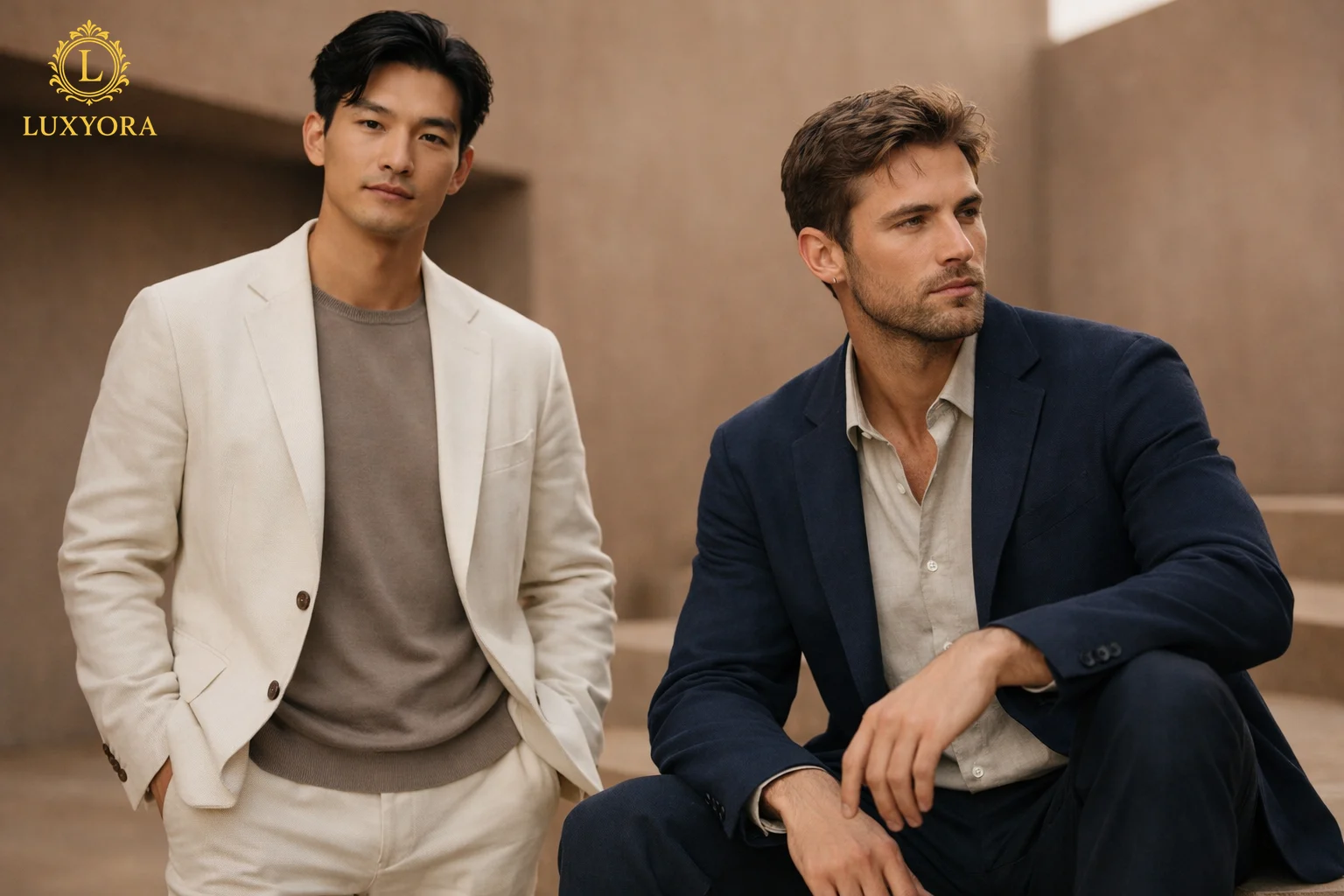
Traditional jackets rely on padded shoulders to create a strong silhouette. Unstructured blazers instead use soft shoulder lines, allowing the jacket to follow the wearer’s natural shape.
This subtle change creates a relaxed elegance that feels modern and approachable.
Lightweight Internal Structure
Rather than full canvassing, many unstructured blazers incorporate partial canvas or fused construction. This reduces bulk while still preserving enough structure to maintain shape.
The jacket maintains form without feeling heavy.
Breathable Fabric and Reduced Lining
Unstructured blazers often feature half-lining or no lining at all. This enhances airflow, making the garment ideal for long workdays or transitional seasons.
The lighter interior also contributes to the jacket’s signature drape.
Natural Draping Silhouette
The overall shape is intentionally softer. Instead of rigid angles, the blazer flows naturally across the shoulders and torso, producing a silhouette that feels effortless yet polished.
The Craftsmanship Behind Unstructured Tailoring
Despite its relaxed appearance, an unstructured blazer requires exceptional tailoring precision. Removing internal structure means the fabric itself must carry the garment’s shape.
This demands mastery in several areas of garment construction.
Precision Pattern Cutting
Tailors must carefully engineer patterns to ensure the jacket drapes correctly without internal reinforcement. Small adjustments in seam placement and panel shaping dramatically influence the final silhouette.
A poorly cut, unstructured blazer will collapse or wrinkle, making pattern accuracy critical.
Advanced Fabric Handling
Soft fabrics behave differently during cutting and stitching. Skilled tailoring techniques ensure the cloth maintains balance throughout the garment.
Even subtle elements such as sleeve pitch or armhole depth require meticulous attention.
Hand Finishing
High-quality unstructured blazers often include hand-finished elements like:
- Hand-set sleeves
- Pick stitching along the lapels
- Hand-shaped collars
These details enhance durability and give the blazer its refined character.
Fabric Innovation and Material Selection
Material choice plays a defining role in the success of an unstructured blazer. Without rigid internal support, the fabric itself must provide fluidity, resilience, and elegance.
Modern textile development has dramatically expanded the possibilities.
High-Twist Wool
High-twist wool fabrics are a popular choice for unstructured jackets. Their tightly spun fibers create natural resilience, allowing the garment to resist wrinkles while maintaining breathability.
These fabrics perform especially well in warmer climates.
Wool-Linen Blends
Blending wool with linen produces an ideal balance between structure and airflow. The linen component introduces a relaxed texture, while wool provides shape retention.
This combination perfectly complements the aesthetic of modern businesswear.
Stretch Wool
Advances in fiber technology have introduced stretch wool fabrics that incorporate elastic fibers. These materials allow greater mobility without compromising elegance.
The result is a blazer that moves naturally with the wearer.
Textured Natural Fibers
Other luxurious materials used in unstructured tailoring include:
- Silk blends
- Cotton twill
- Lightweight cashmere
Each fabric contributes a unique texture and character to the final garment.
The Role of Unstructured Blazers in Modern Businesswear
Today’s professional landscape is far more fluid than in previous decades. Hybrid workplaces, creative industries, and global collaboration have reshaped expectations around dress.
The unstructured blazer has become the perfect garment for this new environment.
The Smart-Casual Revolution
The rise of smart casual business attire has blurred the boundaries between formal and relaxed clothing. Unstructured blazers bridge this gap elegantly.
They can be worn with:
- Tailored trousers for meetings
- Knitwear for transitional seasons
- Dark denim for creative offices
This adaptability makes them a cornerstone of modern professional wardrobes.
Comfort for Long Workdays
Traditional suits were rarely designed with comfort in mind. In contrast, unstructured blazers prioritize mobility and breathability.
This makes them ideal for professionals who travel frequently or work across multiple environments throughout the day.
Effortless Versatility
One of the greatest strengths of the unstructured blazer is its ability to transition seamlessly between contexts.
A single jacket can function equally well for:
- Client presentations
- Evening networking events
- Casual weekend gatherings
This versatility reflects the changing rhythm of modern life.
Styling the Unstructured Blazer
While the design is inherently relaxed, styling choices determine how the blazer communicates professionalism.
Refined Minimalism
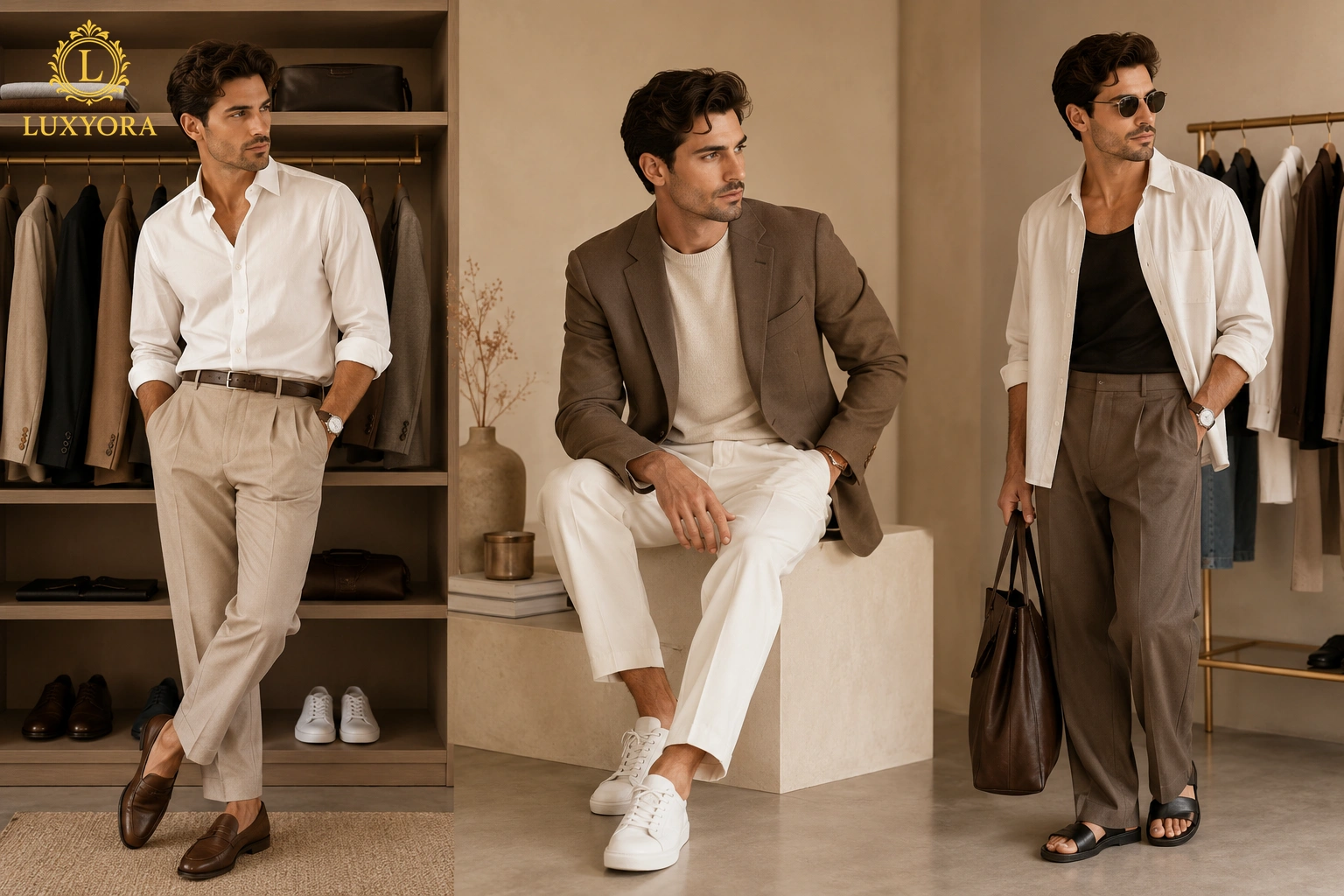
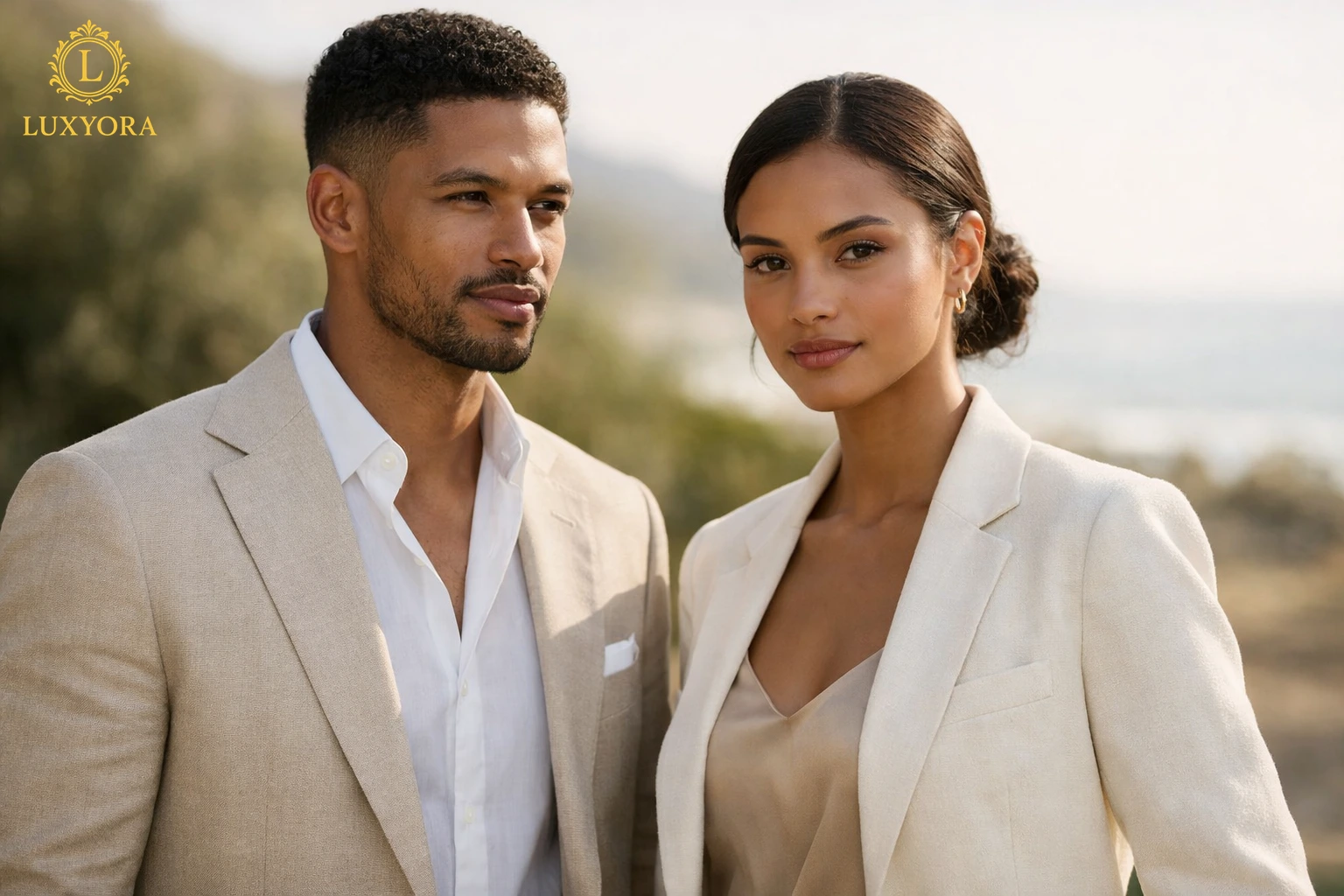
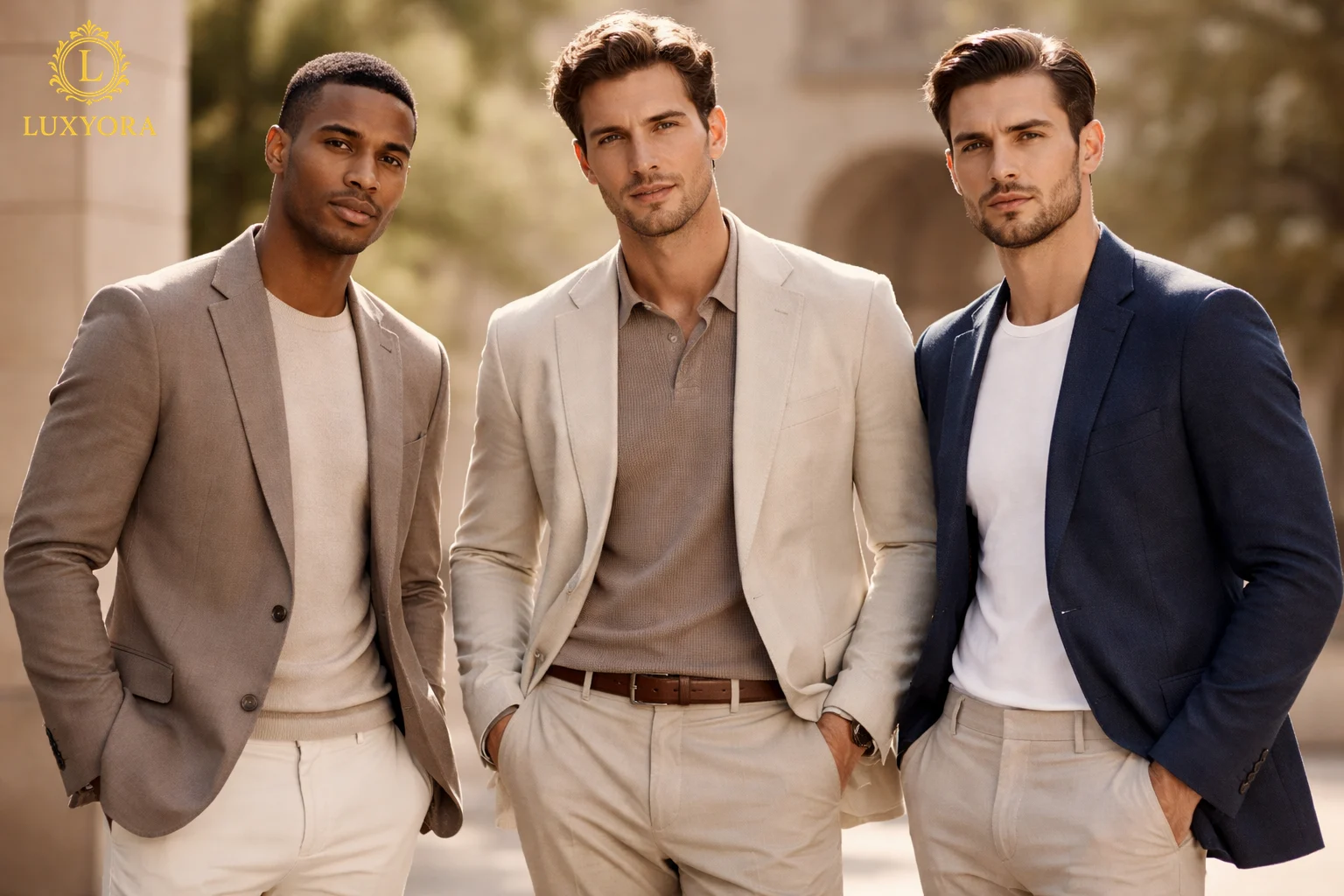
Modern styling often favors simplicity. Neutral palettes such as charcoal, navy, camel, and soft earth tones create a sophisticated visual language.
Paired with clean lines and subtle textures, these colors enhance the jacket’s elegance.
Layering with Knitwear
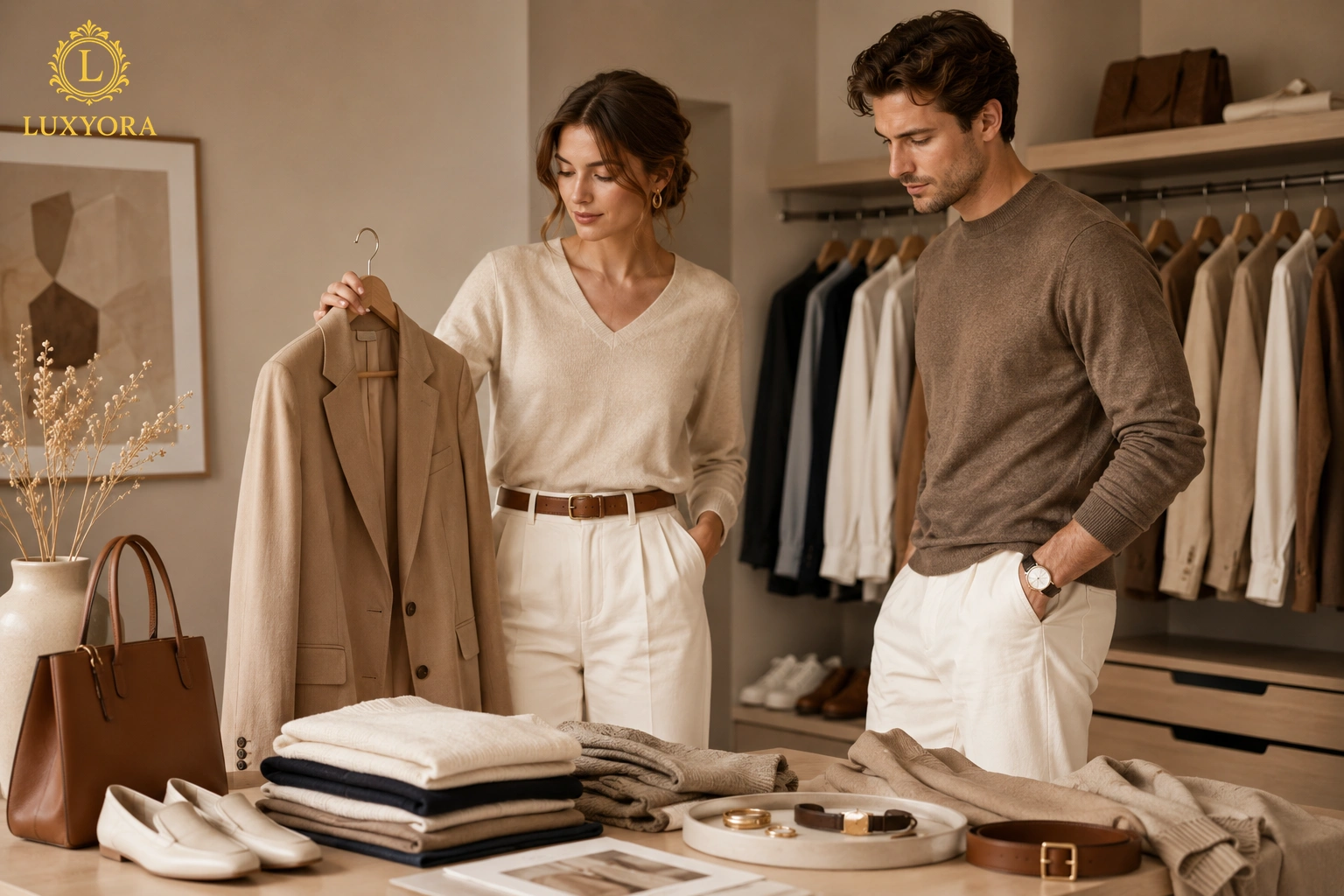
Lightweight sweaters or fine-gauge knits complement the softness of unstructured tailoring. This layered approach introduces depth without excessive formality.
Layering with Knitwear
Lightweight sweaters or fine-gauge knits complement the softness of unstructured tailoring. This layered approach introduces depth without excessive formality.
Tailored Trousers and Relaxed Denim
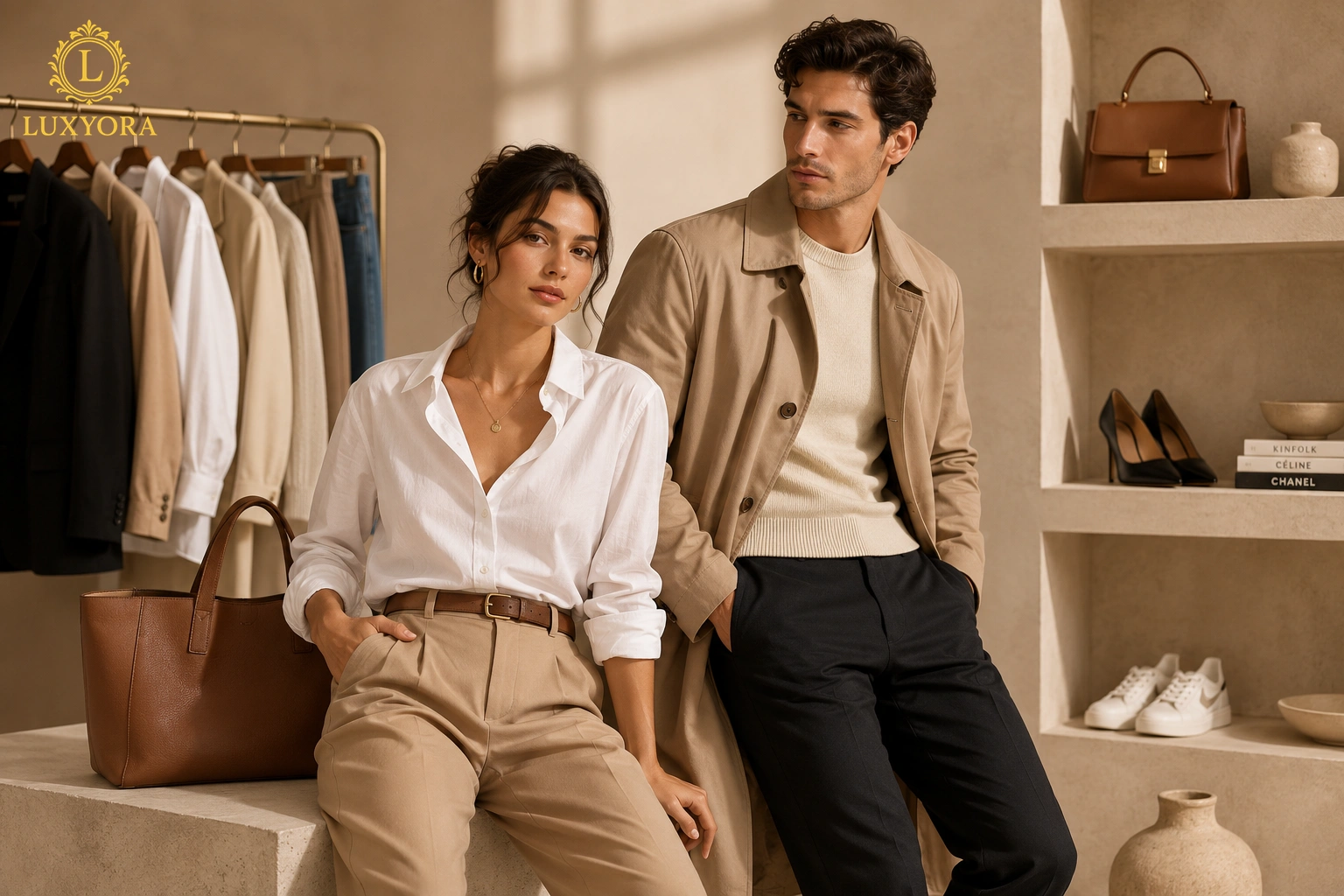
The unstructured blazer thrives in contrast styling. Combining refined tailoring with casual elements produces a balanced aesthetic.
For example:
- Blazer + tailored trousers = business-ready
- Blazer + premium denim = smart casual refinement
Sustainability and the Future of Modern Tailoring
Another factor driving the popularity of unstructured blazers is the growing emphasis on sustainability.
Lighter construction typically requires fewer materials and less energy-intensive manufacturing processes. Additionally, the garment’s versatility encourages longer wardrobe lifecycles.
Many modern tailoring workshops now focus on:
- Natural fibers
- Low-impact dyeing techniques
- Durable craftsmanship
This shift aligns with a broader movement toward conscious luxury, where quality and longevity replace disposable fashion.
The Cultural Symbolism of the Unstructured Blazer
Beyond craftsmanship and comfort, the unstructured blazer carries cultural significance.
It symbolizes a new approach to leadership and professionalism, one that values authenticity and adaptability over rigid formality.
In many ways, the garment reflects the mindset of modern professionals:
- Confident without excess
- Sophisticated without rigidity
- Elegant without effort
The unstructured blazer communicates refinement while remaining approachable, making it one of the most relevant garments in contemporary menswear.
Why the Unstructured Blazer Defines Contemporary Elegance
Fashion often evolves through subtle shifts rather than dramatic revolutions. The rise of the unstructured blazer illustrates how small design changes can reshape an entire category of clothing.
By removing unnecessary structure and emphasizing fabric quality, tailoring precision, and versatility, designers have created a garment perfectly suited to modern life.
In today’s world, elegance is no longer defined by stiffness or formality. Instead, it emerges from a balance between comfort and refinement, tradition and innovation.
The unstructured blazer embodies that balance beautifully.
Luxyora Philosophy: True luxury lies in garments that move with life rather than restrict it. The unstructured blazer reminds us that elegance is most powerful when it feels natural.
References:
Black, S. (2018). Sustainable fashion and textiles: Design journeys. Routledge.
Gwilt, A. (2020). A practical guide to sustainable fashion. Bloomsbury Publishing.
Kim, E., & Damhorst, M. (2019). Fashion consumption and comfort expectations in contemporary workwear. Journal of Fashion Marketing and Management, 23(3), 389–404.
McNeil, P., & Karaminas, V. (2020). The fashion industry and its careers. Bloomsbury Publishing.
Udale, J. (2020). Textiles and fashion. Bloomsbury Visual Arts.
Wilson, E. (2019). Fashion: A Cultural History. Bloomsbury Academic.