Soft Tailoring Suits for Women: Relaxed Structure in Luxury Fashion | Luxyora
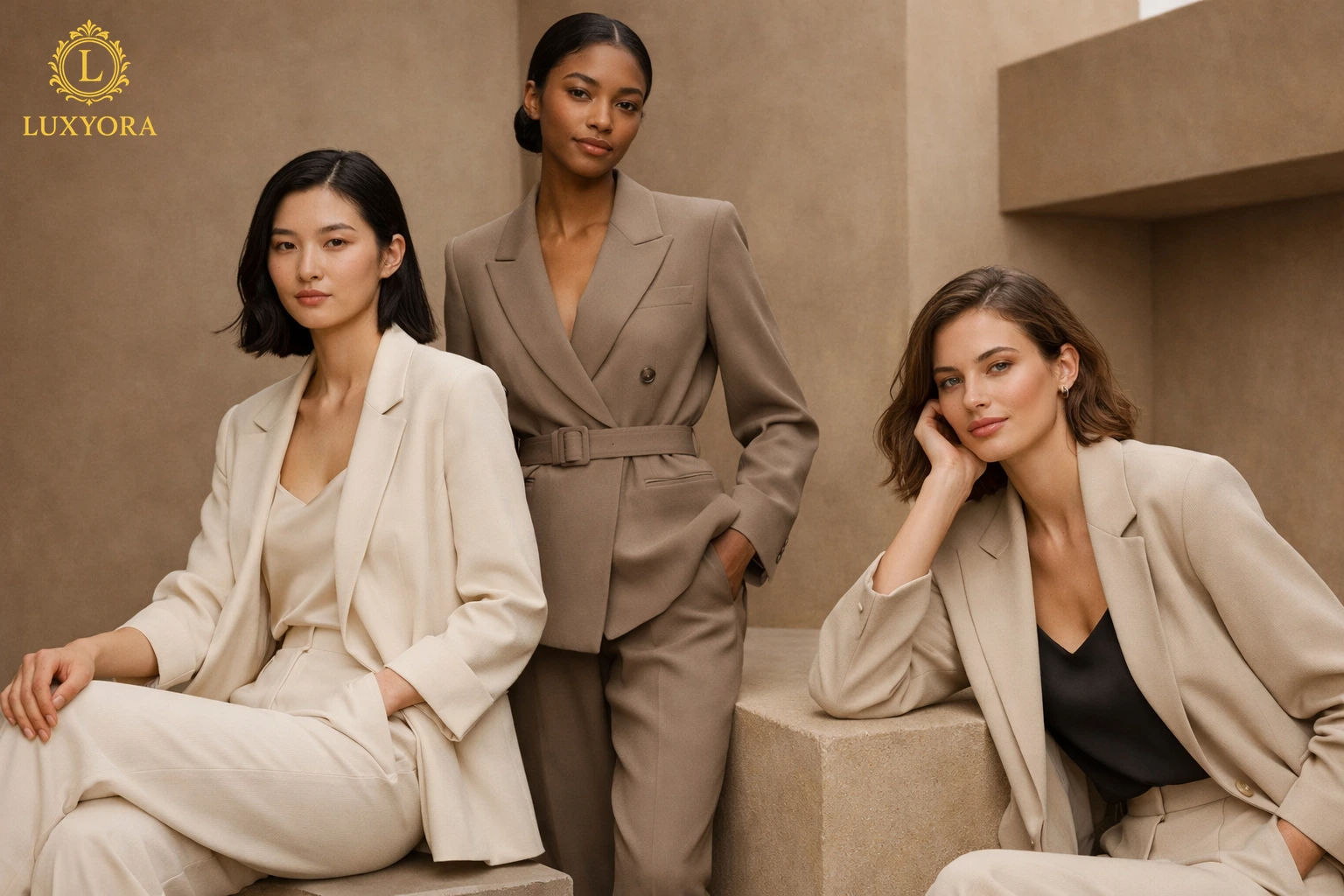
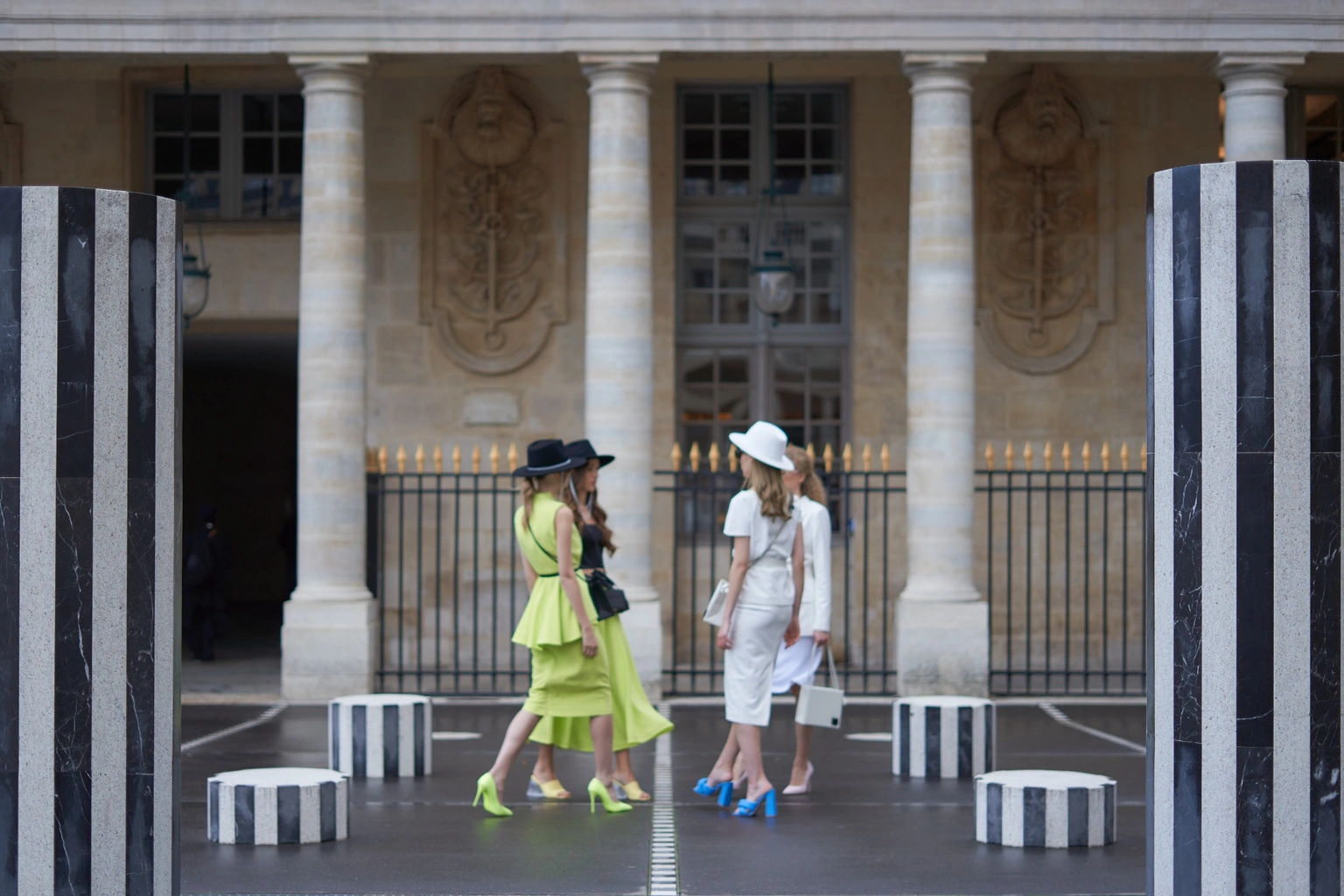
Soft tailoring suits for women have emerged as one of the most compelling evolutions in contemporary luxury fashion. The shift from rigid power dressing toward relaxed structure reflects a broader cultural transformation, one that values fluidity, comfort, and quiet confidence without sacrificing refinement. Today’s luxury suits no longer rely on stiff canvassing or exaggerated shoulder padding to command authority. Instead, they achieve elegance through subtle structure, premium materials, and meticulous craftsmanship.
Soft tailoring represents a balance between architectural precision and natural movement. It allows garments to drape with the body rather than impose rigid silhouettes upon it. The result is a modern suit that feels effortless yet sophisticated, embodying the understated luxury that defines contemporary fashion aesthetics.
Understanding Soft Tailoring in Women's Luxury Suits
Soft tailoring refers to the construction of garments that maintain form without heavy internal structure. Unlike traditional tailoring, which relies on thick interfacing, shoulder pads, and rigid canvassing, soft tailoring uses lighter construction methods that allow fabrics to flow naturally.
In luxury women’s suits, this technique produces silhouettes that appear relaxed but remain sharply refined. The shoulders are often lightly structured or entirely unpadded, while waist shaping is achieved through subtle pattern engineering rather than restrictive seams.
The appeal of soft tailoring lies in its quiet sophistication. The suit retains its polished appearance but moves fluidly with the wearer, creating a sense of ease that resonates with modern luxury consumers.
Key characteristics of soft tailored suits include:
- Minimal internal padding
- Flexible canvassing or partial canvassing
- Lightweight lining or unlined construction
- Fluid drape from high-quality fabrics
- Natural shoulder lines
Together, these elements create a garment that feels both luxurious and effortlessly modern.
The Evolution of Relaxed Structure in Women’s Fashion
The concept of soft tailoring is rooted in a long history of tailoring traditions. Early women’s suits in the twentieth century borrowed heavily from menswear tailoring, emphasizing strong shoulders and structured silhouettes that symbolized authority and professionalism.
However, the fashion landscape began shifting significantly in the late 2010s. Consumers increasingly sought clothing that reflected comfort, authenticity, and personal expression rather than rigid formality.
The rise of relaxed tailoring coincided with several cultural shifts:
- The blending of workwear and leisurewear
- Increased demand for versatile wardrobes
- Greater emphasis on sustainable, long-lasting garments
- A preference for understated luxury over overt branding
Soft tailoring suits became the ideal response to these evolving preferences. They maintained the elegance of traditional tailoring while embracing modern comfort and fluidity.
Fabric as the Foundation of Soft Tailoring
In luxury tailoring, fabric selection is the foundation of structure. Soft tailoring relies heavily on textiles that possess natural drape and resilience.
Fine Wool and Wool Blends
High-quality wool remains the most widely used material for luxury suits. Fine merino wool, tropical wool, and wool-silk blends provide breathability, wrinkle resistance, and natural elasticity.
These fibers allow the suit to retain shape without heavy structural reinforcement.
Silk and Silk Blends
Silk-infused fabrics add a subtle sheen and fluidity, enhancing the relaxed structure of soft tailoring. Silk blends also improve comfort by regulating body temperature and creating a smooth feel against the skin.
Linen and Linen Blends
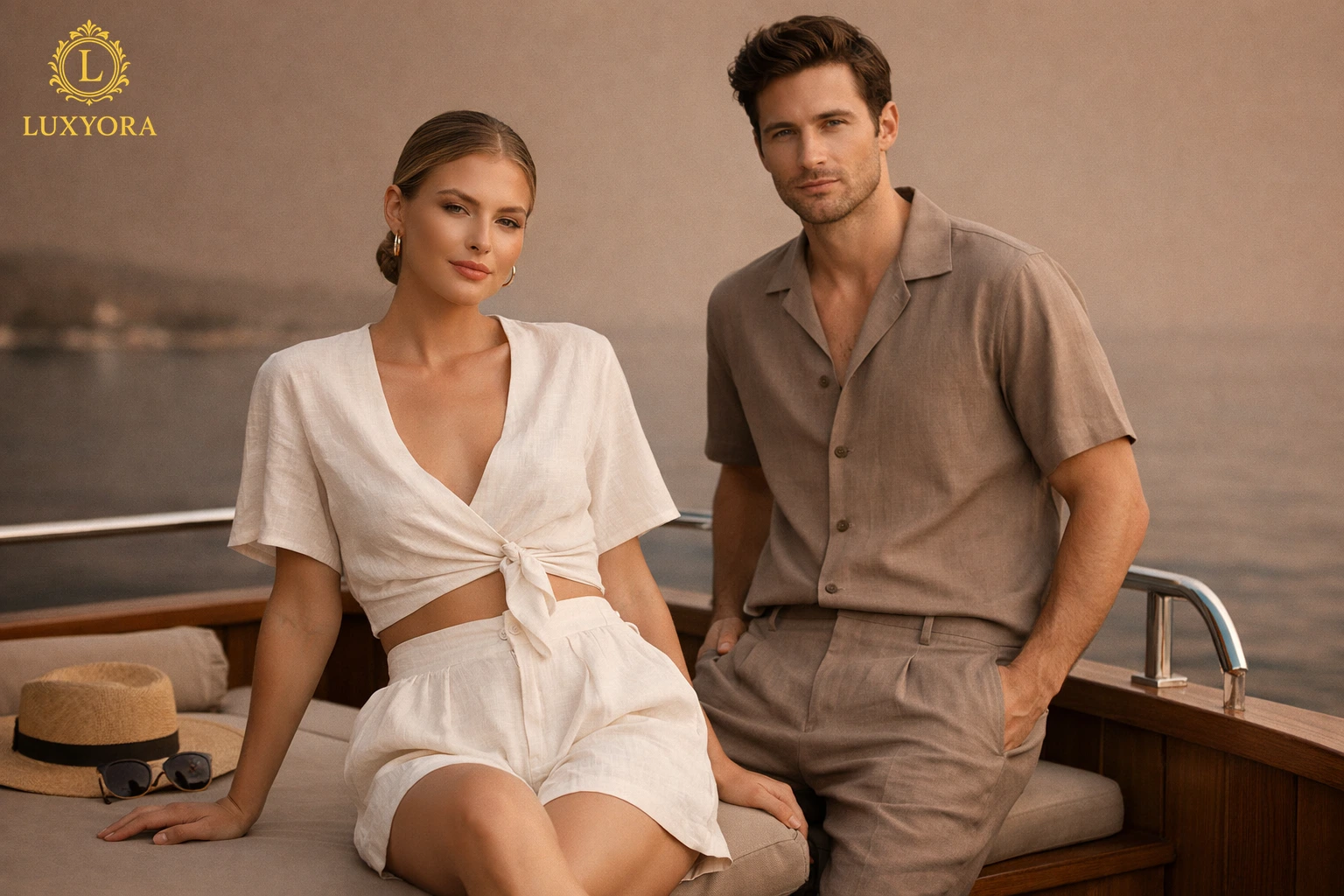
Linen brings a natural, airy aesthetic to soft tailoring. When blended with wool or silk, linen creates a refined texture that balances casual elegance with tailored sophistication.
Sustainable Textiles
The Craftsmanship Behind Soft Tailored Suits
Despite their relaxed appearance, soft tailored suits require exceptional craftsmanship. Achieving a natural drape while maintaining structural integrity demands precise tailoring techniques.
Pattern Engineering
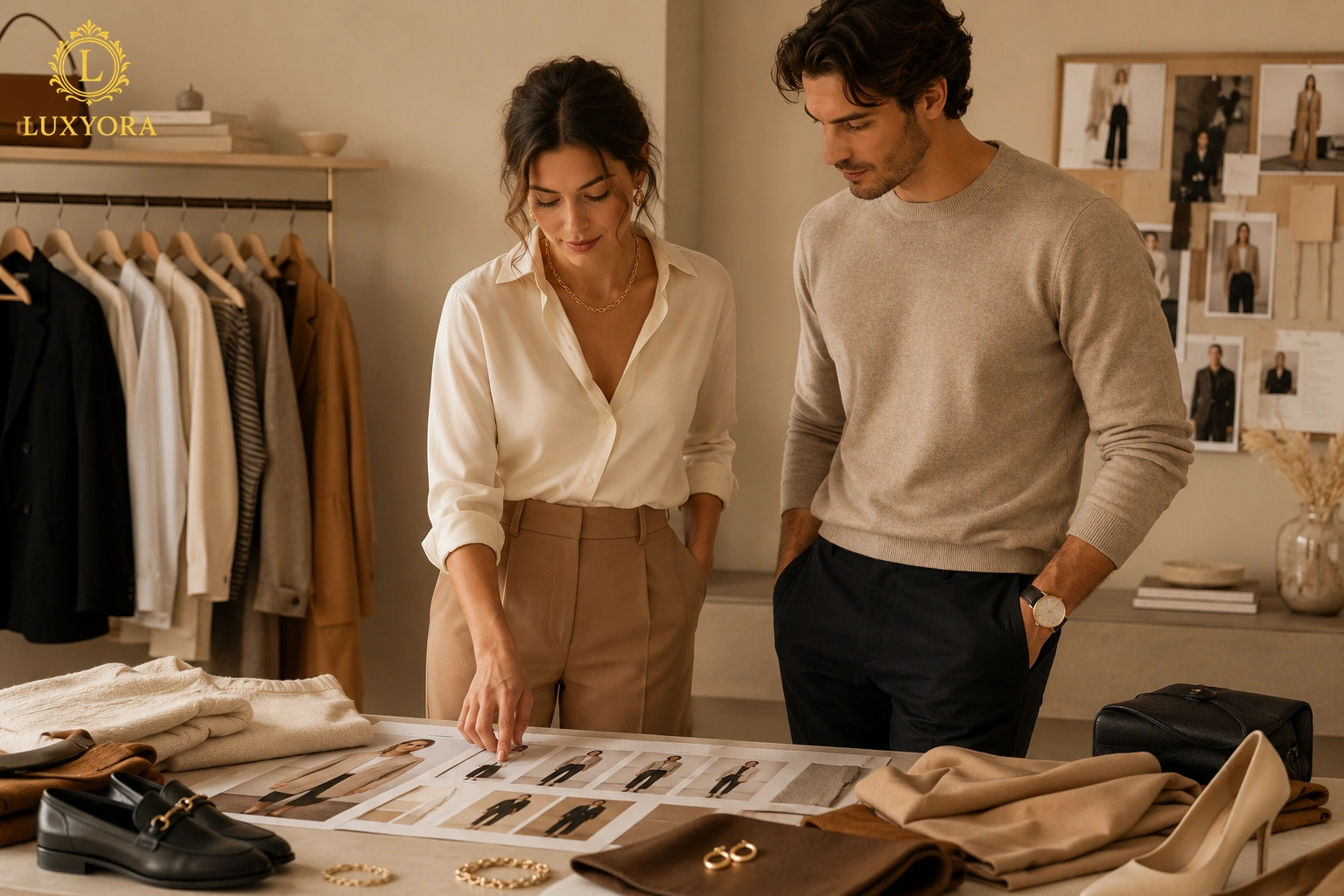
The silhouette of a soft, tailored suit begins with advanced pattern cutting. Tailors carefully shape panels to follow the body’s natural contours rather than relying on stiff internal supports.
Lightweight Interfacing
Instead of heavy canvassing, soft tailoring often uses lightweight fusible interfacing or partial canvassing to maintain form while preserving flexibility.
Hand Finishing
Luxury suits frequently incorporate hand-finished details such as:
- Hand-stitched lapels
- Pick stitching along edges
- Hand-set sleeves
These elements ensure both durability and aesthetic precision.
Natural Shoulder Construction
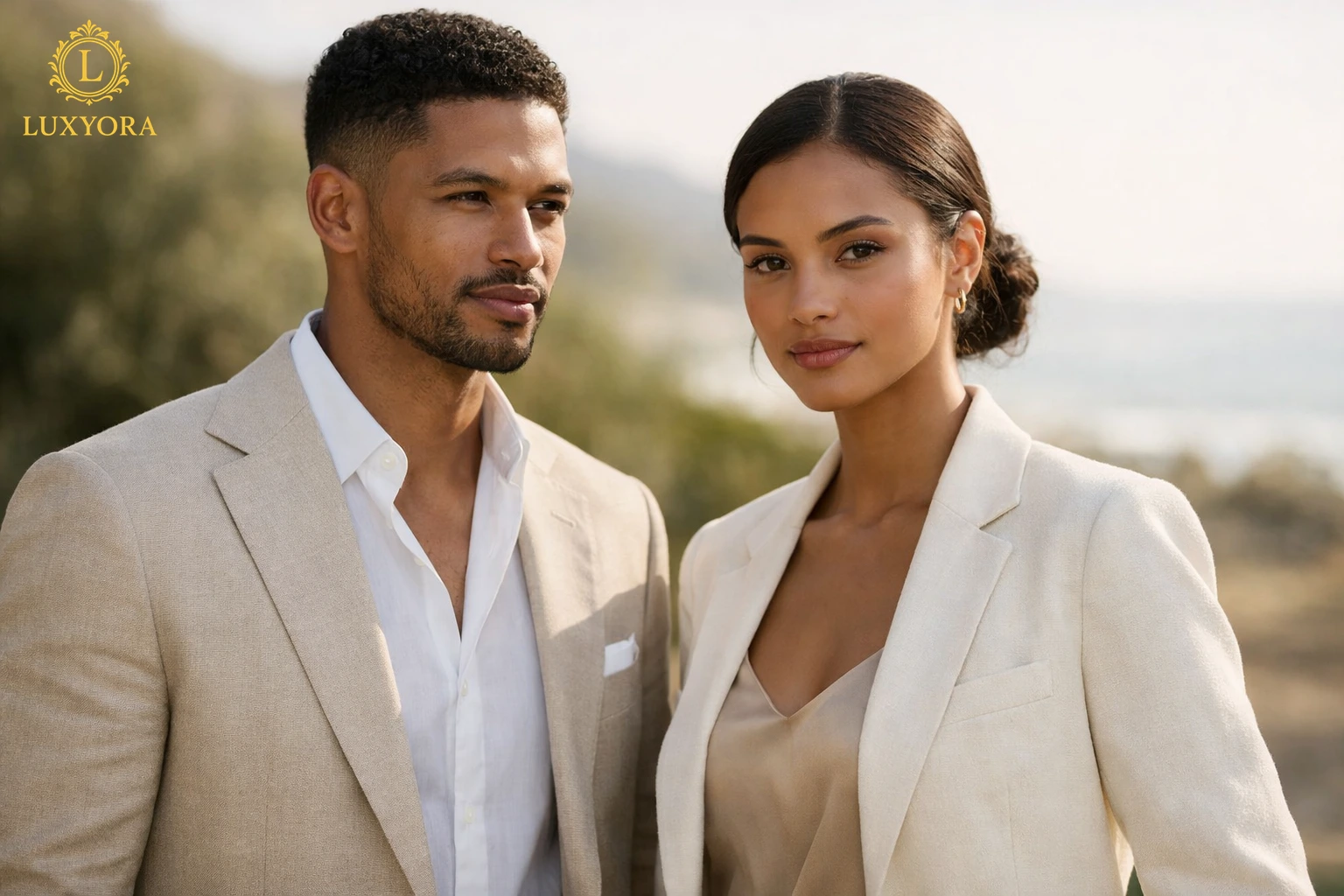
The natural shoulder is one of the defining features of soft tailoring. Without thick padding, the shoulder line follows the wearer’s frame, producing a relaxed yet refined silhouette.
Silhouette Innovations in Soft Tailored Suits
Soft tailoring allows designers to experiment with new silhouettes that feel contemporary yet timeless.
Relaxed Blazers
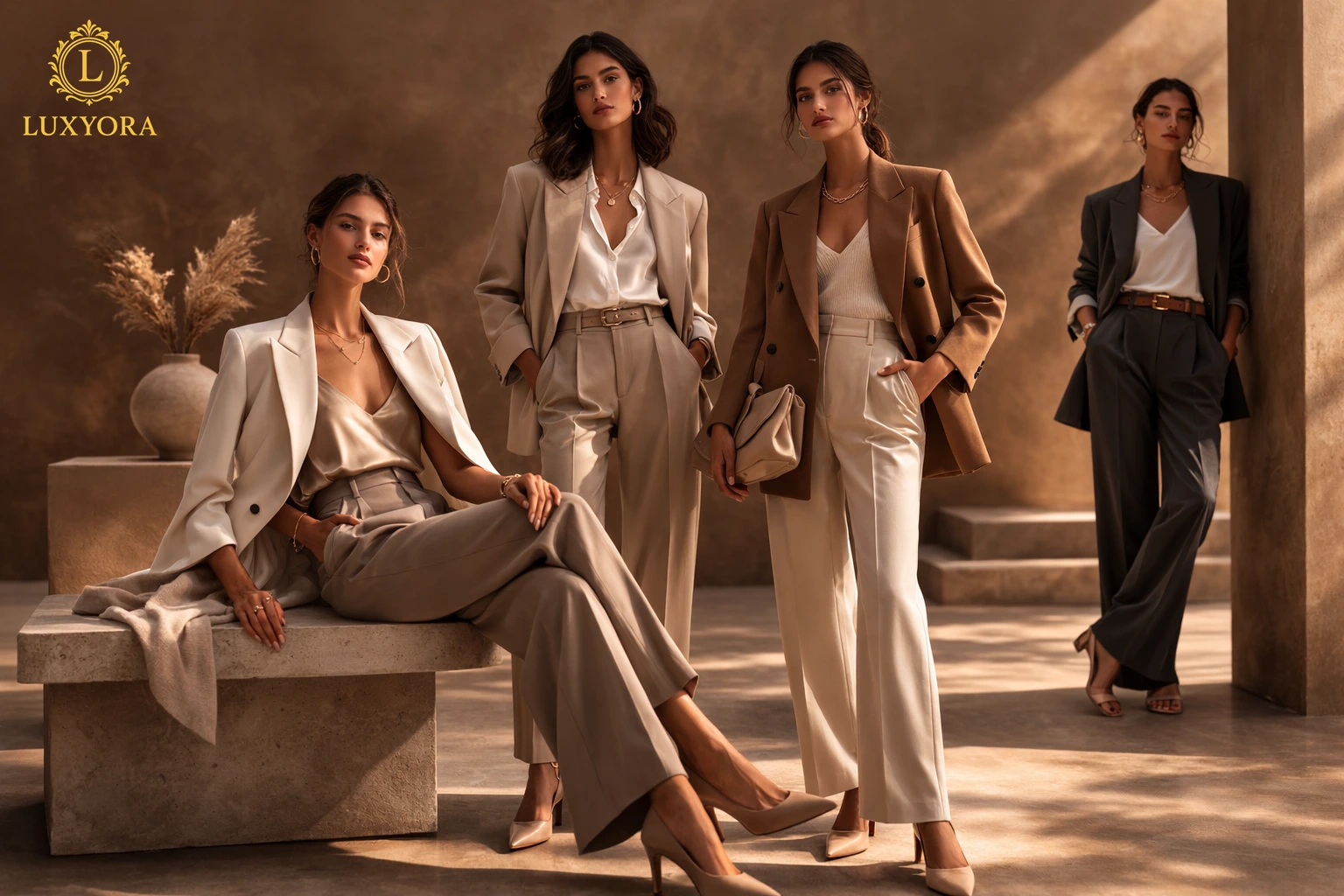
Relaxed blazers feature elongated lines, minimal structure, and fluid lapels. They can be worn open or belted, offering versatility that aligns with modern wardrobes.
Wide-Leg Tailored Trousers
Wide-leg trousers complement the relaxed structure of soft tailoring by creating balance within the suit. Their fluid movement enhances the effortless elegance of the ensemble.
Cropped Jackets
Cropped jackets introduce a modern proportion to soft tailoring. By shortening the jacket length, designers highlight the waistline while maintaining the relaxed aesthetic.
Double-Breasted Soft Jackets
Double-breasted silhouettes traditionally appeared highly structured. Soft tailoring reinterprets them with flexible construction, allowing the garment to drape naturally without stiffness.
The Psychological Appeal of Relaxed Luxury
Fashion is not only about aesthetics, but it also shapes emotional experience. Soft tailoring suits create a psychological shift in how the wearer feels within the garment.
Traditional structured suits often evoke formality and authority. While powerful, they can feel restrictive. Soft tailoring introduces a sense of calm confidence. The suit moves with the wearer rather than controlling posture or movement.
This subtle change transforms the suit into a symbol of modern empowerment, one that values comfort, individuality, and quiet elegance.
The relaxed structure also aligns with the growing philosophy of “quiet luxury,” where sophistication is expressed through craftsmanship and material quality rather than overt design statements.
A beautifully tailored suit speaks softly, but every accessory, fabric, and finishing touch determines whether the look feels truly luxurious. Learn more in The Do’s and Don’ts of Quiet Luxury Dressing.
Styling Soft Tailoring Suits in Modern Wardrobes
Soft tailored suits offer remarkable versatility, allowing them to transition seamlessly between professional and casual environments.
Minimalist Professional Styling
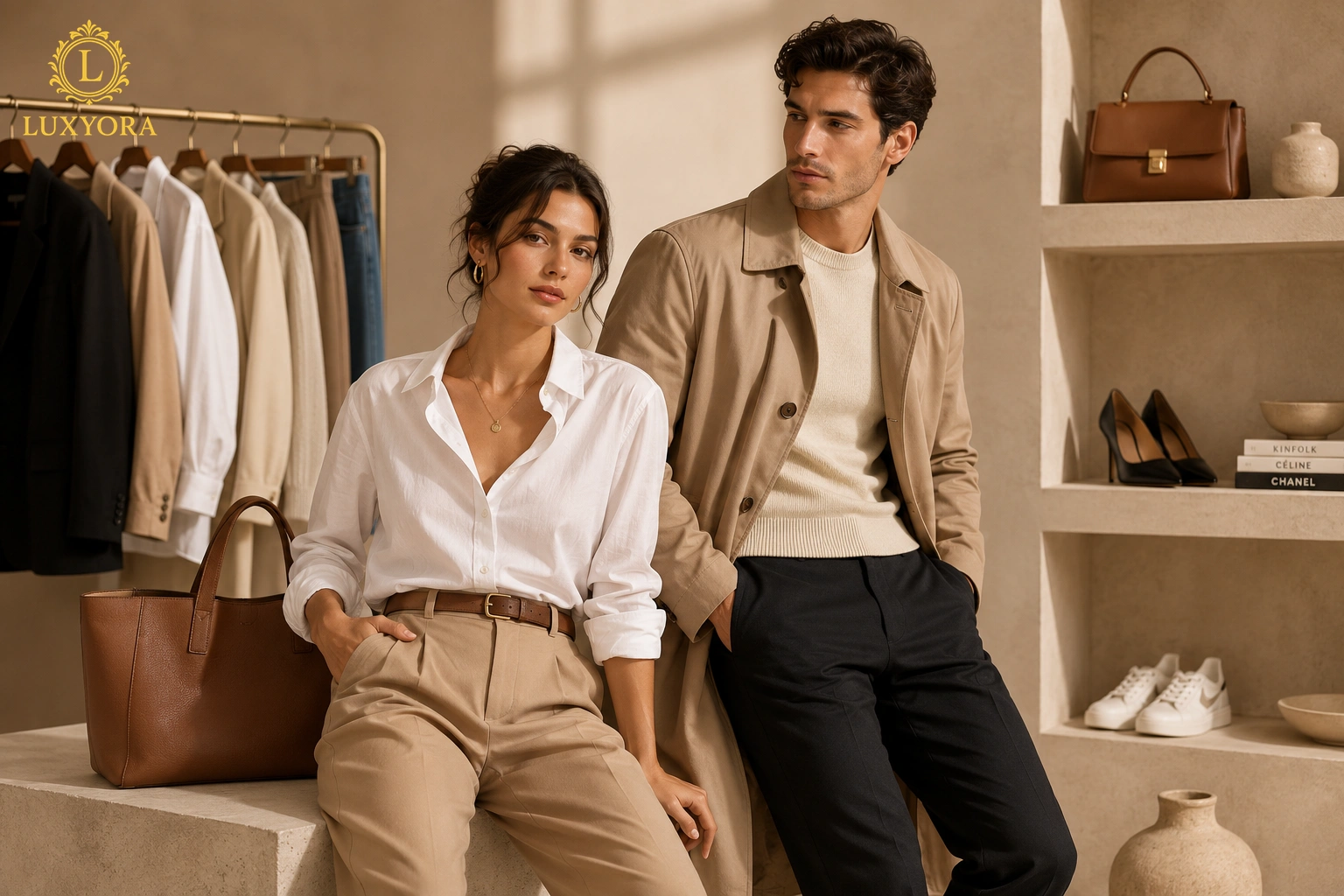
Pairing a soft, tailored blazer with wide-leg trousers creates a refined yet relaxed professional ensemble. Lightweight blouses or fine knit tops enhance the fluid silhouette.
Casual Luxury Styling
For a more relaxed approach, the blazer can be styled with tailored shorts or layered over a simple dress. The result is polished without appearing overly formal.
Evening Elegance
Soft tailored suits also translate beautifully into evening wear. Silk camisoles, fluid trousers, and softly draped jackets create a sophisticated alternative to traditional formal attire.
Sustainability and Longevity in Soft Tailoring
Luxury fashion increasingly prioritizes longevity over rapid trend cycles. Soft tailored suits align with this philosophy because their relaxed structure keeps them stylistically relevant across seasons.
High-quality construction and durable fabrics extend the lifespan of these garments, encouraging consumers to invest in pieces that remain in their wardrobes for years.
Furthermore, the adaptability of soft tailoring reduces the need for multiple specialized garments. A single well-crafted suit can serve multiple styling purposes, supporting a more sustainable approach to fashion consumption.
The Future of Soft Tailoring in Luxury Fashion
The future of luxury tailoring is likely to continue embracing softness, fluidity, and craftsmanship. Advances in textile technology will further enhance the comfort and performance of soft, tailored garments.
Innovations may include:
- Stretch-infused natural fibers
- Advanced sustainable textiles
- Temperature-regulating fabrics
- Digitally engineered pattern cutting
As consumer preferences evolve toward authenticity and longevity, soft tailoring suits will remain central to luxury fashion narratives. They embody a refined balance between structure and ease, offering garments that feel as elegant as they appear.
Luxyora Philosophy:True luxury is not defined by rigidity or excess, but by harmony between craftsmanship, comfort, and timeless elegance. Soft tailoring reminds us that sophistication often whispers most powerfully when it moves naturally with the wearer.
References:
Black, S. (2019). Sustainable fashion materials: Innovation and future directions. Bloomsbury Publishing.
Gwilt, A. (2020). Fashion design for living: Designing for sustainability. Routledge.
Rissanen, T., & McQuillan, H. (2018). Zero-waste fashion design. Bloomsbury Academic.
Fletcher, K., & Tham, M. (2019). Earth logic: Fashion action research plan. The JJ Charitable Trust.
Clark, H., & Brody, J. (2021). The fashion system. Bloomsbury Visual Arts.