Mechanical Watches vs Smart Watches – Why Watch Lovers Are Split Between Them | Luxyora
Ask a room full of watch lovers what belongs on a “proper” wrist, and you’ll get two very different love stories sometimes from the same person.
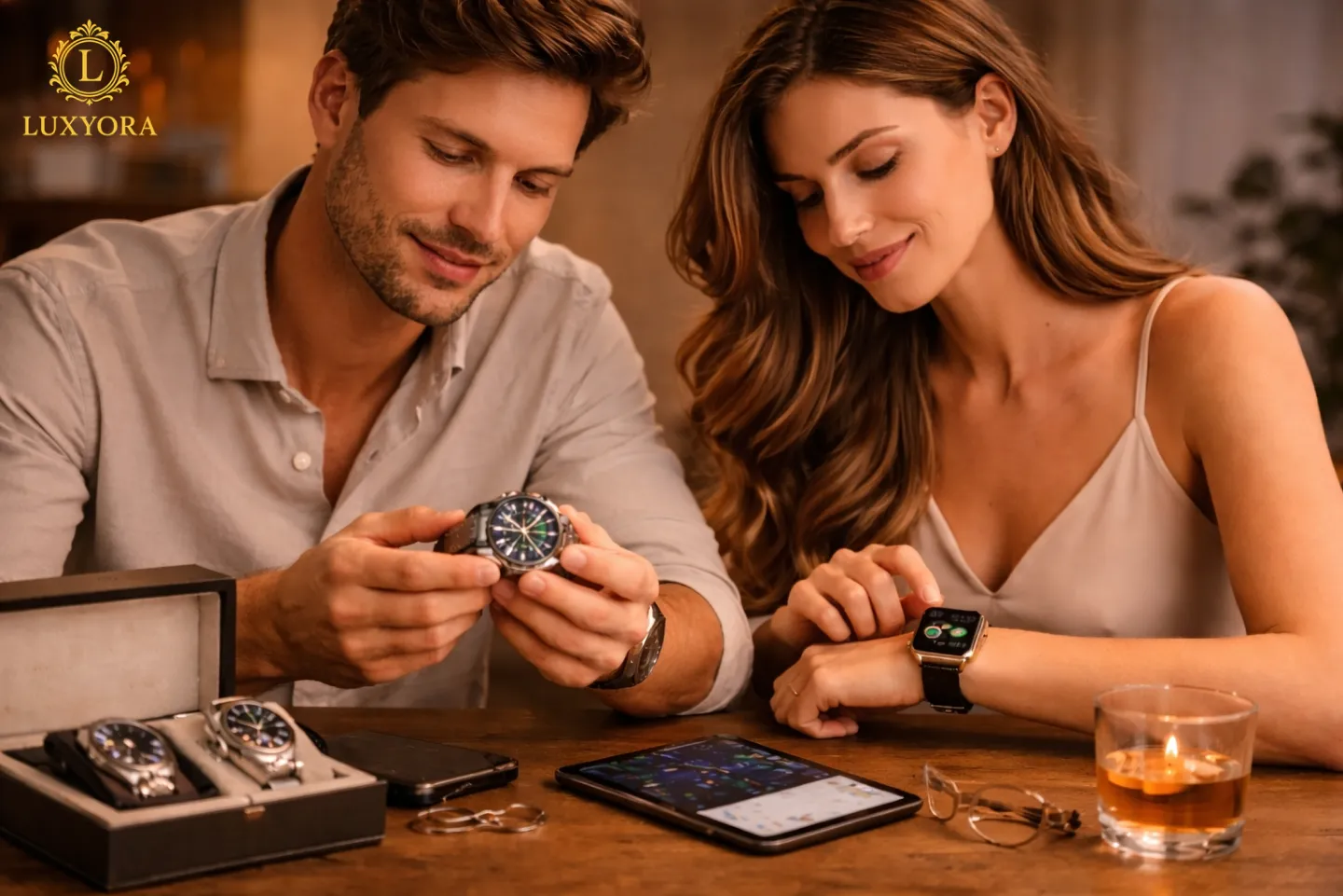
On one side: mechanical watches. Tiny universes of gears and springs, engineered to outlive trends, powered by motion and obsession. On the other hand, smartwatches. Sleek, data-driven companions that don’t just mark minutes, they monitor your pulse, your sleep, your stress, your entire “am I okay?” in real time.
The split isn’t really about time. It’s about what you want your wrist to mean.
Mechanical watches are emotional objects (and that’s the point)
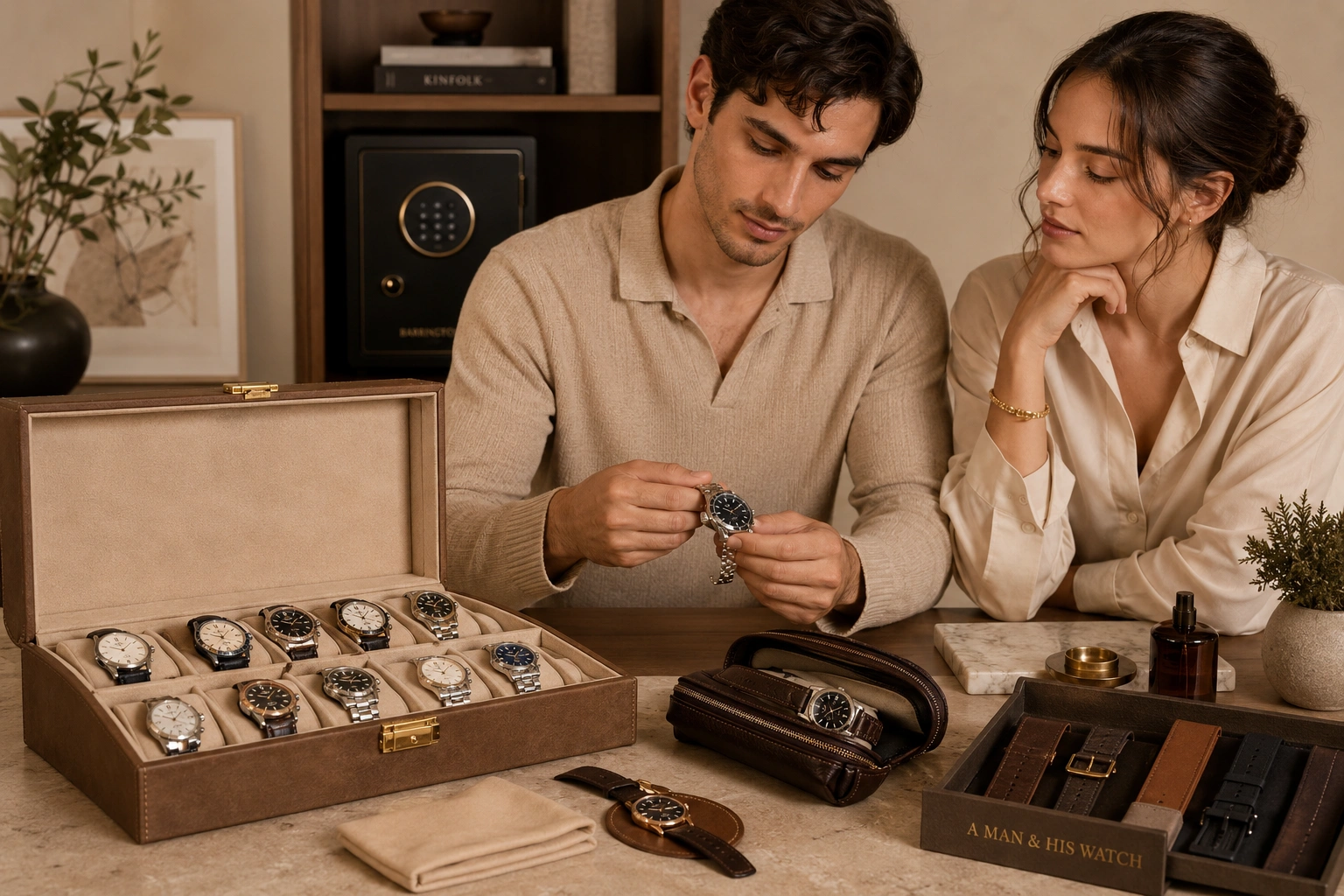
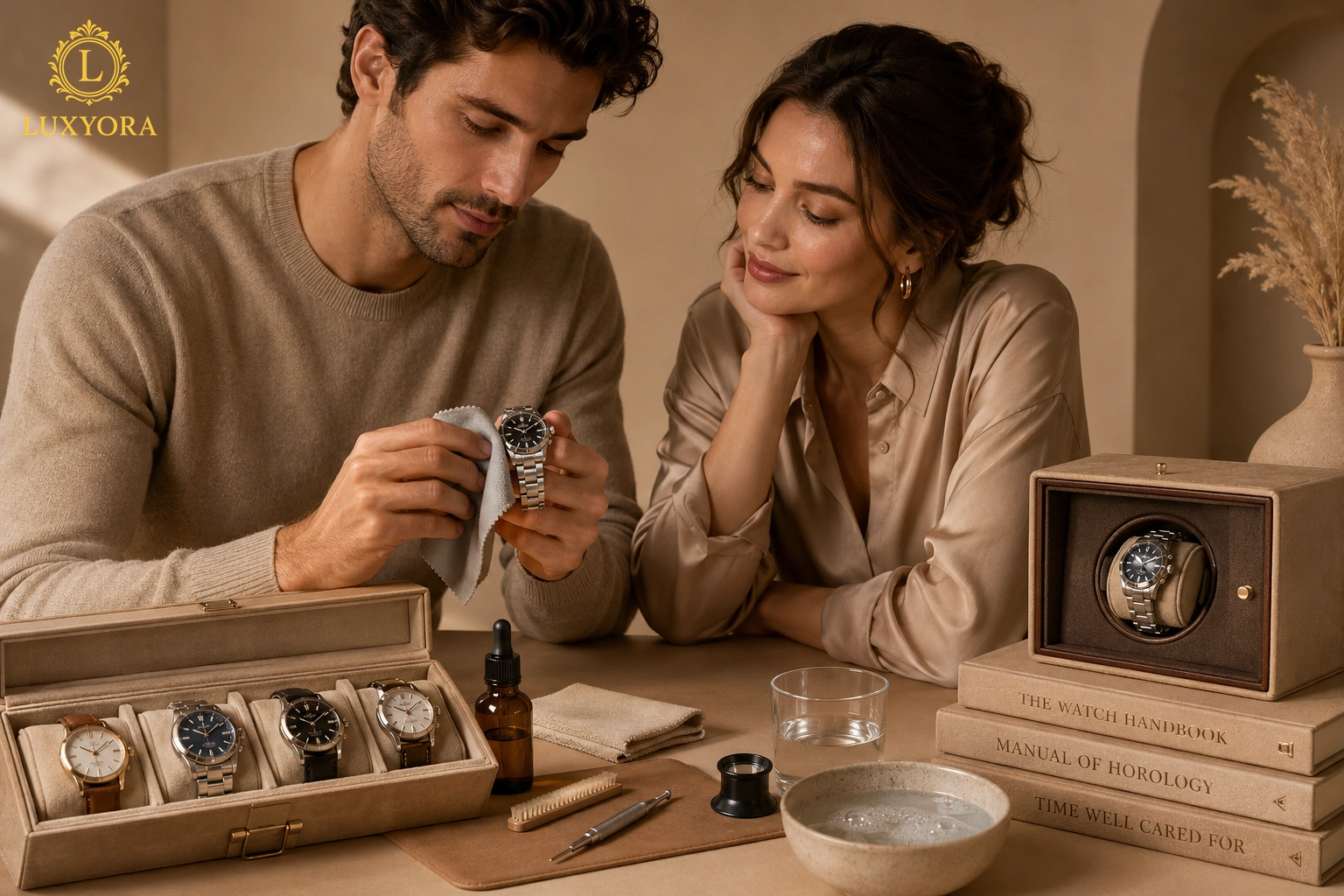
Mechanical watches ask you to care. You wind them, service them, baby them through airport security like a small heirloom with a heartbeat. And in return, they offer something technology can’t quite replicate: craft as comfort. The reassurance that this object is not trying to update itself overnight, not trying to gamify your life, not trying to become your phone.
For many enthusiasts, mechanical watches are a form of resistance against disposable design, against the constant churn of “new.” They represent continuity. They’re often purchased to mark life milestones, then quietly become the milestone itself: the watch you wore when you got the job, had the baby, moved cities, healed, started over.
There’s also a very practical reason mechanical watches keep their glow: the luxury watch industry has remained remarkably resilient by leaning into heritage, scarcity, and high-ticket desirability. Swiss watch exports, for example, still sit in the tens of billions of francs annually, proof that the appetite for mechanical prestige is very real, even when economic conditions shift.
At a time when intelligence is becoming invisible and everything seems to move faster, it’s unexpected that tiny gears, springs, and human craftsmanship continue to hold attention. Discover why tradition continues to earn a place on the modern wrist in Why Mechanical Watches Still Matter in an AI-Driven World.
Smartwatches are functional intimacy (and people love that too)
Smartwatch fans don’t usually fall in love with a movement; they fall in love with feedback. The smartwatch is the most personal device you own because it lives on your skin, all day. It sees your patterns: the nights you sleep well, the meetings that spike your heart rate, the weeks you’re moving more, the months you’re not.
And unlike a mechanical watch, a smartwatch’s value isn’t symbolic; first, it’s behavioural. It helps you do things: respond faster, navigate easier, train smarter, and recover better. It can be a gentle nudge or a firm coach, depending on your mood and settings.
The big turning point was health. Features like irregular rhythm notifications and on-wrist ECG capabilities moved wearables into “serious” territory, supported by large-scale studies and regulatory pathways that helped legitimise certain functions as meaningful screening tools (not diagnoses, but prompts for awareness). In other words, the smartwatch became less of a “cute gadget” and more of a “quiet guardian.”
A watch no longer simply tells you where the day is going, it quietly records how you live it. Somewhere between style accessory and personal dashboard, the wrist has changed more than most people realise. Discover From Timekeeping to Data Tracking: The New Role of Smartwatches.
The real divide: heirloom mindset vs upgrade mindset
This is the psychological fault line underneath the debate.
Mechanical-watch people often buy with an heirloom mindset. They want permanence. They like objects that can be repaired, passed down, and remembered. A mechanical watch may feel “complete” in a way technology rarely does because it’s finished when you buy it, not waiting for a software patch to become itself.
Smartwatch users tend to adopt an upgrade mindset. They’re comfortable with iteration. A device that gets better every year doesn’t feel like a flaw; it feels like progress. They aren’t bothered by charging, syncing, or switching models because their relationship is with the function, not with the device.
And this is why the split can feel strangely personal: one side hears “planned obsolescence” and flinches; the other hears “no heart-rate sensor” and shrugs.
Style: romance vs minimalism vs stealth wealth
Let’s be honest, watches are about taste. Even smartwatches, now that bands, materials, finishes, and dial faces have turned them into shape-shifters.
Mechanical watches communicate identity through design language: a diver hints at adventure, a dress watch whispers restraint, a chronograph suggests precision and pace. They’re fashion signals with cultural weight.
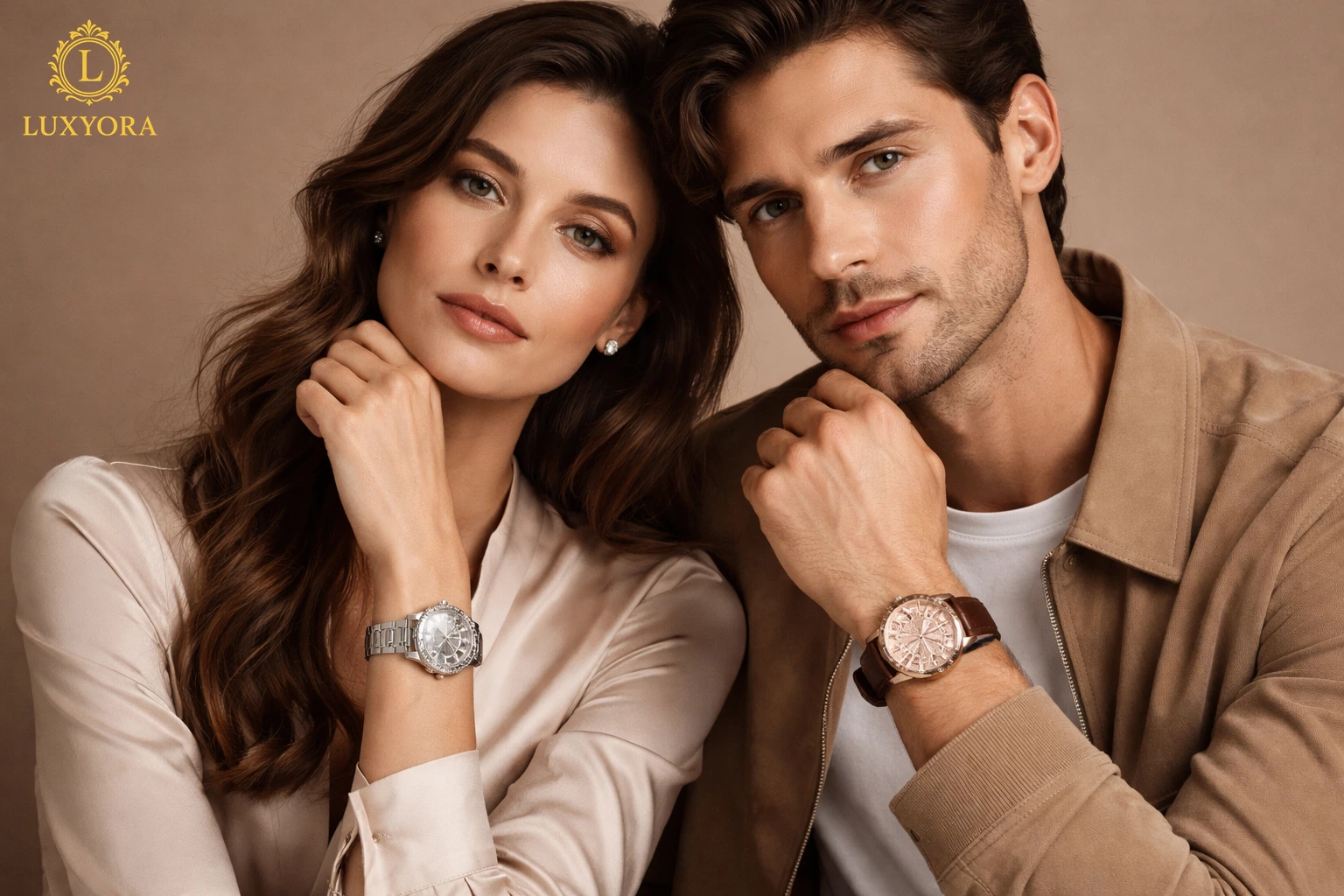
Smartwatches, meanwhile, communicate modernity. They say: I’m connected, I’m tracking, I’m optimising. In some circles, a smartwatch can read as practical confidence, especially when paired with tailored clothing and a refined band. The aesthetic has matured. The vibe isn’t “gym only” anymore; it’s “life, but efficient.”
Status isn’t one thing anymore
Watch status used to be simple: mechanical luxury at the top, quartz at the bottom, end of story. But the world shifted.
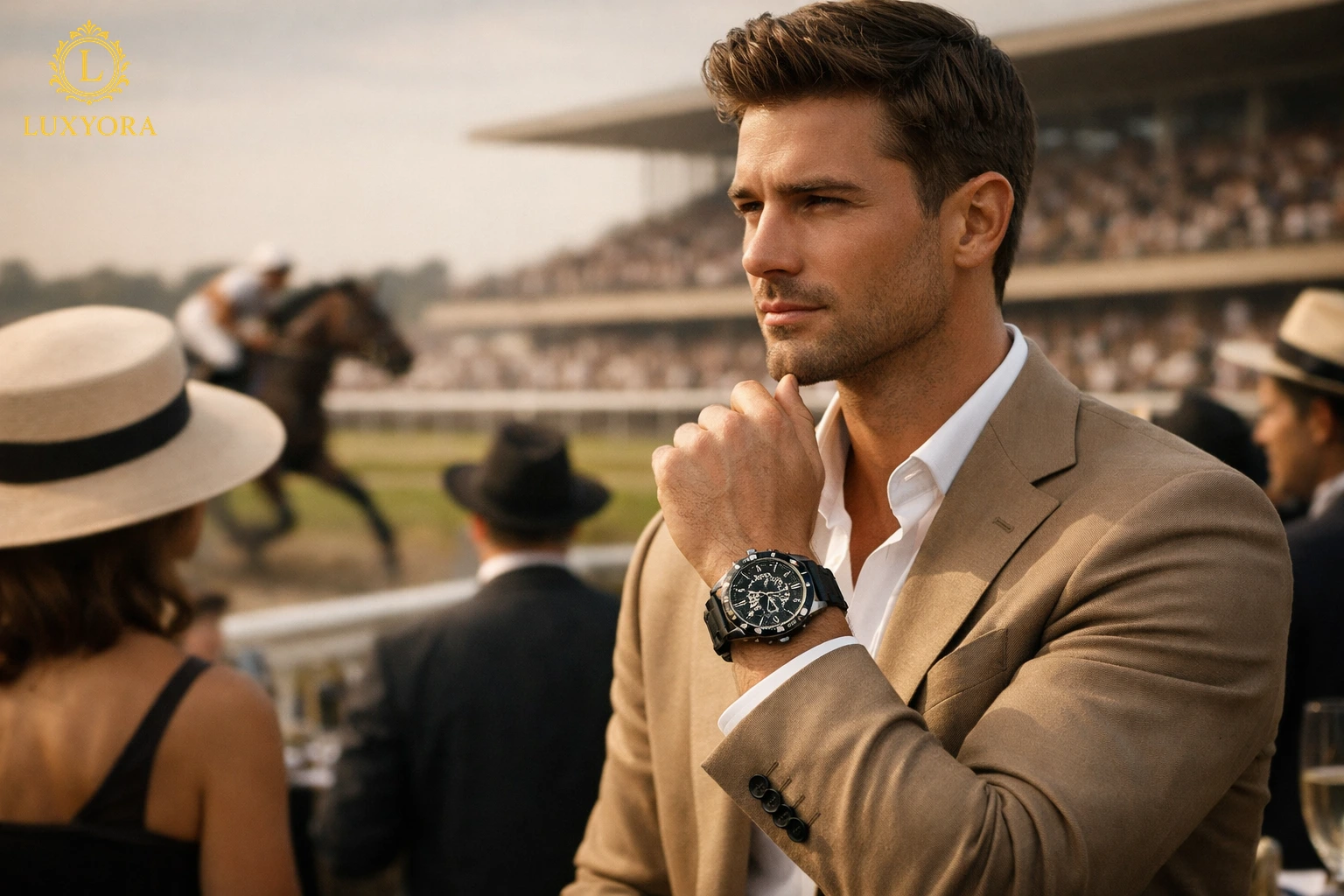
Smartwatches created a new kind of status, one rooted in lifestyle and capability. Owning the “right” smartwatch can signal productivity culture, wellness culture, and even tech literacy. Mechanical watches still dominate in traditional luxury signalling, but smartwatches dominate in utility signalling, and those are two different social currencies.
At the same time, the mechanical market has evolved into a more complex ecosystem: primary sales, vintage, and the booming pre-owned segment, including certified pre-owned programs designed to increase trust and transparency. That matters because it reframes mechanical watches not only as emotional purchases but also as considered ones where provenance, authentication, and long-term value play starring roles.
Privacy and presence: the quiet reason some people opt out
Here’s where the smartwatch can lose people, especially watch lovers who see the wrist as sacred.
A smartwatch is always listening in small ways: to motion, to heart rate, to location, to routine. Even when companies build safeguards, the fact remains: data is intimate. For some, that’s empowering. For others, it’s exhausting.
Mechanical watches offer a different luxury: presence. No notifications. No metrics. No gentle scolding about your bedtime. Just time beautifully, silently, yours.
The truth: most enthusiasts end up owning both
The most modern take isn’t choosing a side. It’s curating a wardrobe.
Mechanical for evenings, events, and the parts of life you want to feel timeless. Smartwatch for travel, training, busy days, and health awareness. One is about the poetry of time; the other is about the performance of time.
And maybe that’s the new era of watch culture: not a fight, but a rotation. Not loyalty to a category, but devotion to what the object does for you emotionally or practically when you wear it.
Luxyora Philosophy: Luxury isn’t choosing between tradition and technology, it’s choosing what serves your life with elegance. Wear the watch that matches your moment, and let your wrist tell the truth you actually want to live.
References:
- Deloitte. (2024). Deloitte Swiss Watch Industry Insights 2024: Spotlight on the pre-owned market. Deloitte. (Deloitte)
- Fédération de l’industrie horlogère suisse FH. (2024). Annual report 2024. (FH Schweiz)
- Fédération de l’industrie horlogère suisse FH. (2025, January 30). Swiss watch exports in 2024. (FH Schweiz)
- International Data Corporation (IDC). (2024, December 16). Wearables to face continued growth while giving way to other emerging device categories, according to IDC. (my.idc.com)
- Perez, M. V., Mahaffey, K. W., Hedlin, H., Rumsfeld, J. S., Garcia, A., Ferris, T., Balasubramanian, V., Russo, A. M., Rajmane, A., Cheung, L., Hung, G., Lee, J., Kowey, P., Talati, N., & Turakhia, M. P. (2019). Large-scale assessment of a smartwatch to identify atrial fibrillation. The New England Journal of Medicine, 381(20), 1909–1917. (New England Journal of Medicine)
- U.S. Food and Drug Administration. (2018). De Novo classification request for ECG App (DEN180044). (New England Journal of Medicine)