Can Jewellery Be Both Sustainable and Luxurious? | Luxyora
Luxury jewellery has always promised permanence. The kind of permanence that doesn’t wrinkle, doesn’t fade, and doesn’t need a trend cycle to justify its place in your life. Sustainability, meanwhile, asks a different kind of question: What did it cost the world for this beauty to exist, and can we do better?
For years, those two ideas were treated like opposites: sustainability as “less,” luxury as “more.” But the modern buyer, savvy, values-led, and frankly bored of vague marketing, has changed the rules. Today, the most compelling luxury isn’t just about sparkle. It’s about provenance, craftsmanship, longevity, and trust.
So, can jewellery be both sustainable and luxurious? Yes, when sustainability is built into the design, sourcing, and afterlife of the piece, not sprinkled on top like glitter.
Luxury is already halfway to sustainability (when it’s done right)
Here’s the part that doesn’t get said enough: fine jewellery should be naturally aligned with sustainability because it’s meant to last. Unlike disposable accessories, a well-made ring or necklace is designed for decades, often generations. That durability is a sustainability win, provided the materials and supply chain behind it are responsibly managed.
Luxury’s best qualities craftsmanship, repairability, timeless design, emotional longevity are also the qualities that reduce waste. The problem isn’t the existence of luxury jewellery. It’s when luxury behaves like fast fashion: unclear sourcing, overproduction, and storytelling that’s all shine and no substance.
The real sustainability test is the supply chain story
Jewellery’s sustainability isn’t one issue; it’s a web. Metals pass through mines, traders, refiners, manufacturers, and retailers. Stones pass through their own complex route. Each step carries potential risks from environmental impact to human rights concerns to weak traceability.
That’s why “responsible sourcing” has become the backbone of modern jewellery sustainability. Industry frameworks and standards increasingly focus on due diligence, risk assessment, and third-party assurance across the supply chain. When a brand can show how it identifies risks and verifies sourcing practices, the sustainability claim becomes more than a vibe.
Recycled metals: chic, circular, and… complicated
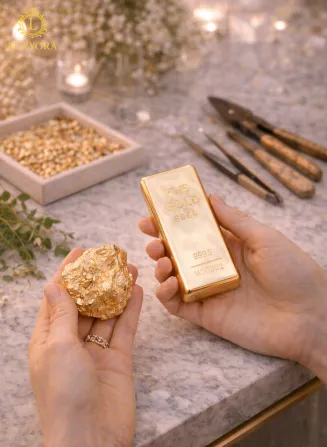
Recycled gold and silver have become the darling of sustainability messaging, and for good reason: using recycled metals can reduce demand for newly mined material and support a more circular model. Many luxury houses now spotlight recycled content as part of their materials strategy.
But recycled doesn’t automatically mean “problem solved.” Definitions and verification matter. If “recycled” is loosely defined, it can create room for confusion or worse, greenwashing. The most credible approach is for brands to define what they mean, verify their inputs, and communicate clearly, without pretending that any one material choice erases the rest of the footprint.
Luxury doesn’t need perfect purity. It needs honesty and proof.
Lab-grown diamonds: sustainable hero or just different?
Lab-grown diamonds are one of the biggest conversations in jewellery right now because they sit at the intersection of tech, affordability, and claimed environmental benefits. They also force luxury to confront an uncomfortable truth: sometimes what we’re buying isn’t just a diamond; it’s meaning, rarity, and tradition.
Lab-grown diamonds can reduce certain mining-related impacts, but they still require energy-intensive production, and their sustainability profile depends heavily on energy sources and manufacturing practices. The “sustainable” claim is strongest when brands back it with transparent information, responsible energy use, and clear disclosure.
Sustainable luxury goes beyond recycled metals, it begins with understanding how today’s diamonds are transforming the industry. Discover the guide in Ethical Sparkle: The Rise of Sustainable and Lab-Grown Diamonds.
In other words: lab-grown can absolutely be part of sustainable luxury when it’s not sold as magic.
Traceability is the new status symbol
Old luxury used to whisper, “I can afford this.” New luxury says, “I know exactly what this is.”
Traceability, especially for precious metals, has become a major lever for sustainable credibility. Chain-of-custody systems aim to track materials through the supply chain with defined requirements and assurance processes. When done well, traceability doesn’t diminish luxury. It elevates it. It turns a purchase into a confident decision rather than a leap of faith.
And yes, the market is moving in that direction: industry bodies and bullion markets are pushing for stronger transparency tools, including digital systems to improve data integrity and oversight of responsible sourcing.
Craftsmanship is sustainability’s quiet powerhouse
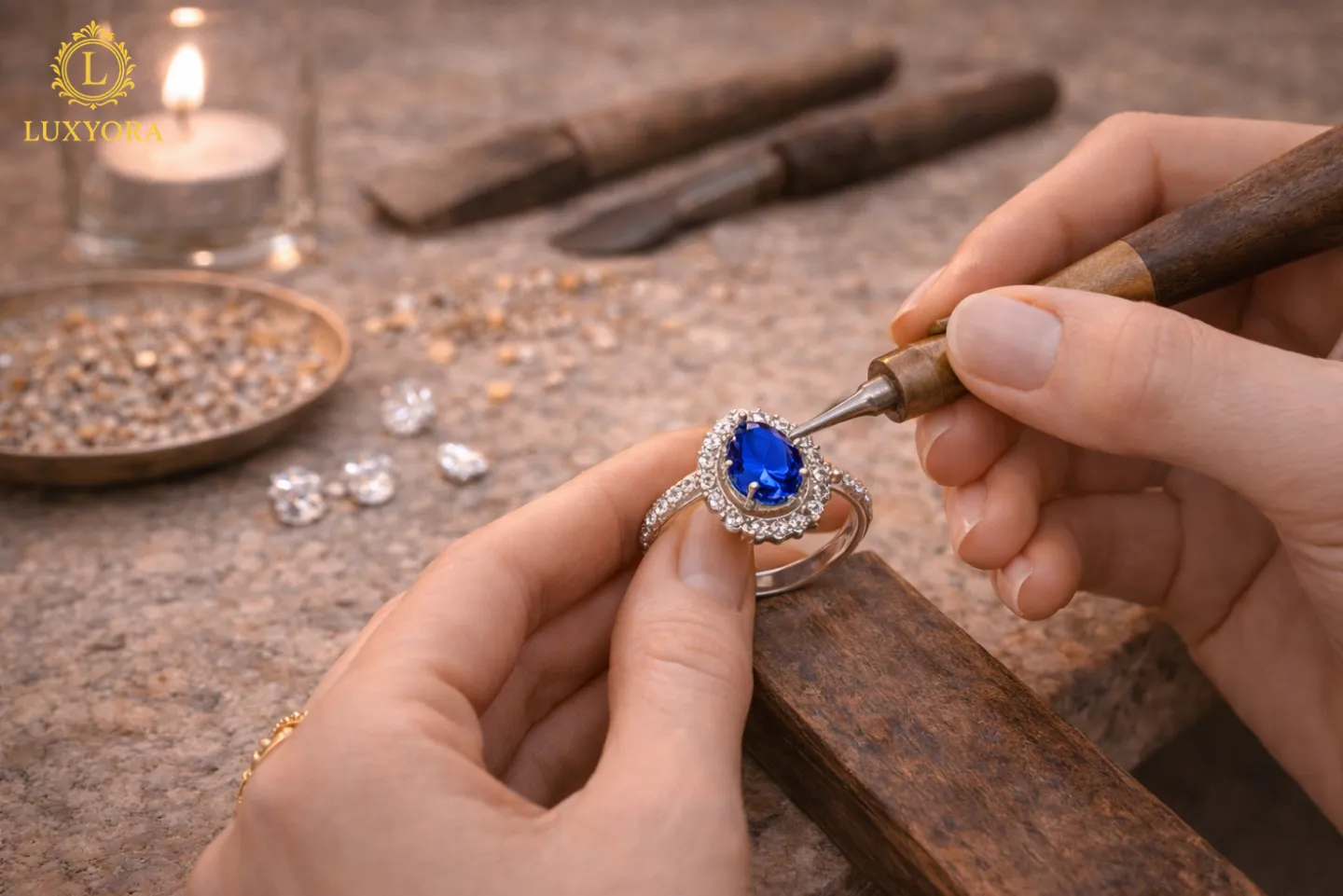
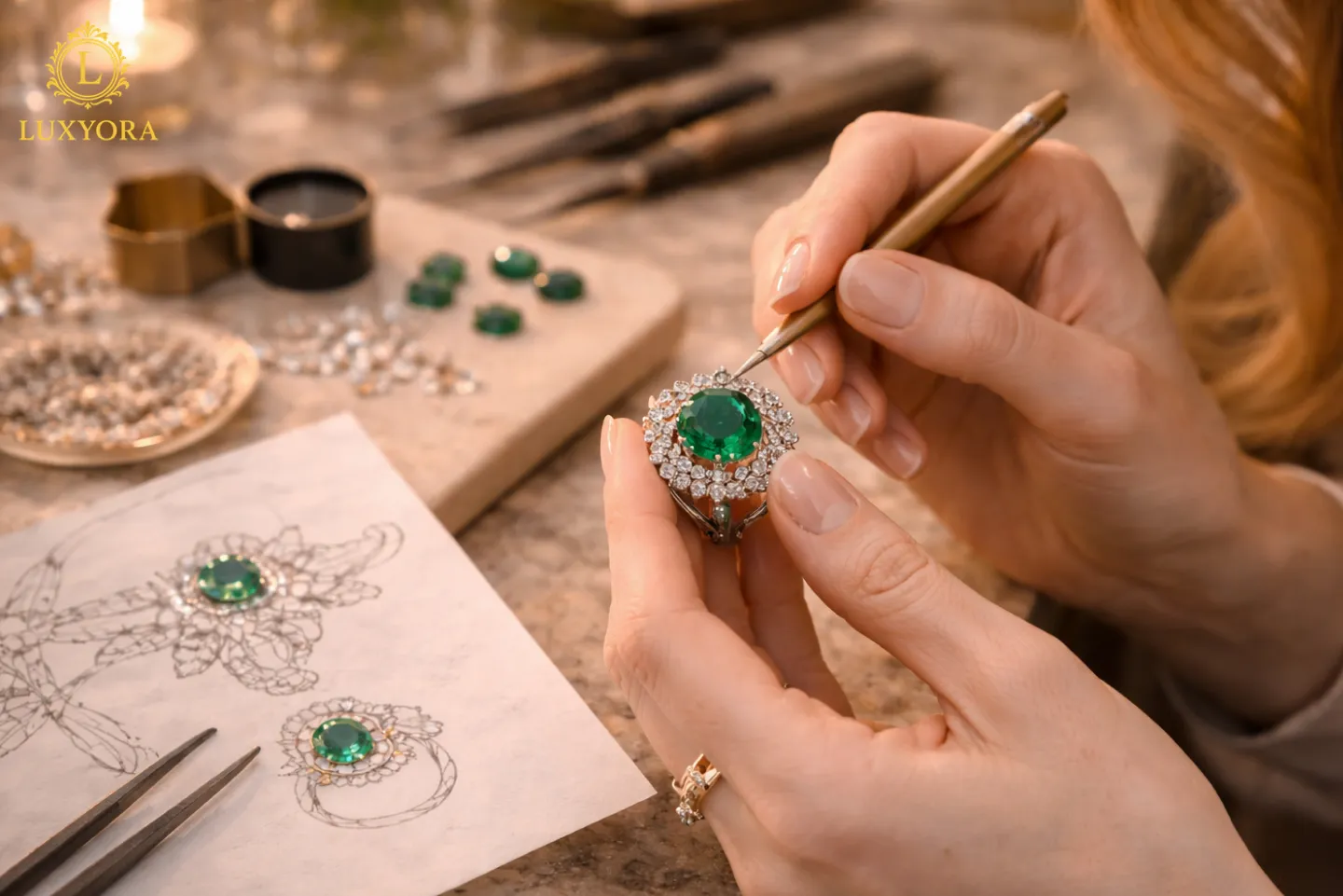
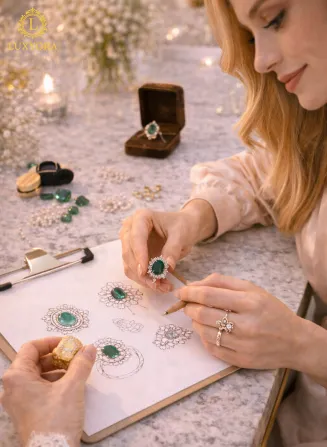
If sustainability is the “what,” craftsmanship is the “how.” Because a jewel that’s beautifully made is one you keep, repair, and eventually pass on.
Craft also enables smarter design decisions:
- Lower-profile settings that snag less (and last longer).
- Strong clasps and joints that don’t fail after a season.
- Modular designs that can be updated instead of replaced.
- Finishes that age well, developing character rather than damage.
Luxury that can be repaired is luxury that doesn’t become waste.
Circular luxury: resale, redesign, and heirloom thinking
Sustainable jewellery isn’t only about making new things responsibly; it’s also about keeping existing things in circulation. That’s why resale, vintage, and redesign services have become part of the modern luxury landscape.
An heirloom reset is one of the most emotionally and environmentally elegant choices available: you keep the material, keep the story, and refresh the design for a new chapter. It’s sustainability with heart, and it looks extremely good on the hand.
The finest sustainable jewellery choices often combine heritage with investment potential, proving that timeless pieces can serve more than one purpose. Discover more in Heirloom Jewellery: Turning Family Treasures into Modern Statements and The Hidden Rules That Decide Jewellery’s Resale Price.
What “sustainable luxury” actually looks like in practice
If you’re evaluating whether jewellery is truly sustainable and luxurious, look for these signals:
- Clear standards or frameworks (and ideally, third-party assurance).
- Responsible sourcing due diligence with defined policies and risk processes.
- Traceability for metals (or transparent limitations when full traceability isn’t possible).
- Transparent disclosure about materials (natural vs. lab-grown, treatments, recycled definitions).
- Design for longevity: comfort, durability, repair services, warranties.
- Circular options: buy-back, resale partnerships, redesign/repair programs.
- No miracle claims: sustainability language should be specific, not poetic.
Sustainable luxury isn’t a single promise. It’s a system.
So, can jewellery be both sustainable and luxurious?
Yes. And in the best cases, the two ideas actually reinforce each other. Sustainability pushes luxury to be more precise, more transparent, and more intentional. Luxury pushes sustainability to be more beautiful, more desirable, and more lasting.
The future belongs to jewellery that doesn’t just sparkle under lights but stands up to questions.
Luxyora Philosophy: Luxury is not the opposite of responsibility; it’s responsibility made breathtaking. When beauty is paired with proof, a jewel becomes something you can wear with pride as well as pleasure.
References:
- Bain & Company. (2023). Long live luxury: Converge to expand through turbulence (Bain–Altagamma Luxury Goods Worldwide Market Study). Bain & Company.
- CIBJO. (2019/2022). The Responsible Sourcing Blue Book (Responsible Sourcing Policy and guidance). The World Jewellery Confederation (CIBJO).
- Deloitte. (2023). Global powers of luxury goods 2023. Deloitte.
- London Bullion Market Association. (2021). Responsible Gold Guidance (Version 9). LBMA.
- London Bullion Market Association. (2023). LBMA–LME Guide (Version 2). LBMA & London Metal Exchange.
- McKinsey & Company. (2021). State of fashion: Watches and jewellery. McKinsey & Company.
- OECD. (2016/2024). OECD due diligence guidance for responsible supply chains of minerals from conflict-affected and high-risk areas (Updated edition). OECD Publishing.
- Responsible Jewellery Council. (2019). RJC Code of Practices (COP) 2019 (Version 1.2). Responsible Jewellery Council.
- Responsible Jewellery Council. (2024). RJC Chain-of-Custody (COC) Standard (10 Dec 2024). Responsible Jewellery Council.
- Reuters. (2025). London Bullion Market Association launches digital database for gold bars (Commodities report). Reuters.
- World Gold Council. (2019). Responsible Gold Mining Principles. World Gold Council.