The Jewellery Pieces That Never Lose Their Worth | Luxyora
There’s “pretty,” and then there’s proof. In jewellery, the pieces that keep their worth aren’t always the loudest, the trendiest, or the most complicated. They’re the ones that hold up under real-world scrutiny: resale platforms, auction specialists, gold markets, gemstone grading labs and the quiet but relentless force of buyer demand.
Because here’s the truth: jewellery value isn’t only about sparkle. It’s about liquidity (how easily it sells), trust (how easily it’s verified), and timeless design (how long it stays desirable). When those three align, a piece doesn’t just look expensive, it behaves expensive for years.
So, which jewellery pieces practically refuse to lose their worth?
1) High-karat gold essentials
If you want the closest thing to a “value floor” in jewellery, start with gold you can weigh and verify. Classic gold pieces especially higher karat tend to hold value because their worth is anchored to a globally traded commodity. That doesn’t mean every gold item is an investment, but it does mean gold jewellery is less likely to crash to zero.
The strongest “forever” silhouettes are the ones that never need defending:
- Solid gold chains (clean links, timeless thickness, no fragile hollow construction)
- Gold bangles and cuffs with sturdy clasps
- Classic hoops and simple gold studs
The secret is build quality. Hollow, ultra-light pieces can dent easily and resell poorly. Solid construction and clear hallmarks make buyers comfortable and comfort supports price.
2) Diamond studs that play well with everything
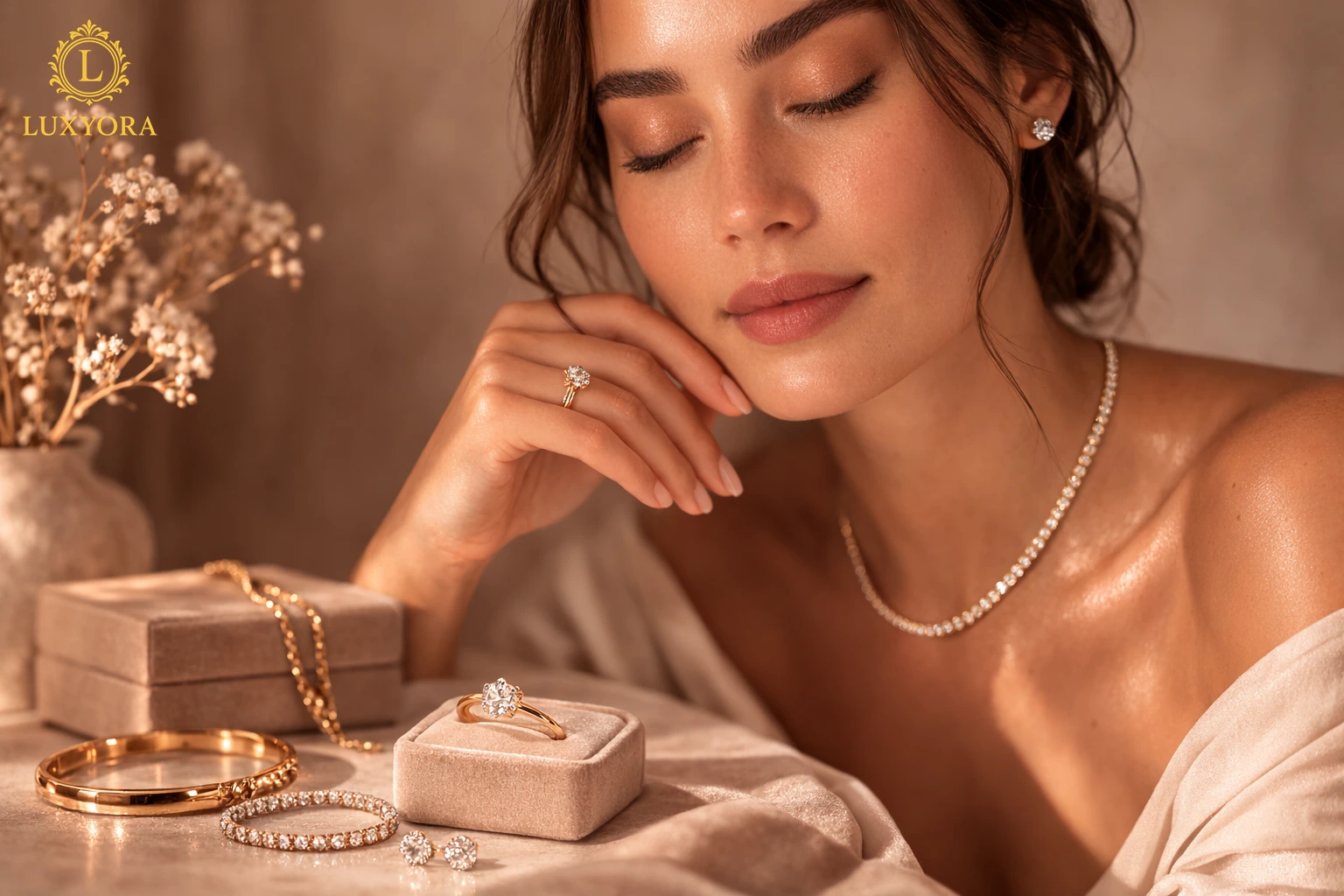
Diamond studs are the white T-shirt of fine jewellery: universally flattering, endlessly wearable, and always in demand. The resale market loves them because they’re easy to understand and easy to sell.
What keeps studs strong over time:
- Natural diamonds with reputable grading reports
- A classic cut (round tends to be the most liquid)
- Matching stones with good symmetry and comparable grading
- A clean setting in durable metal (18K gold or platinum)
Studs don’t need a trend cycle to be relevant. They’re seasonless, which makes them resilient.
3) The tennis bracelet
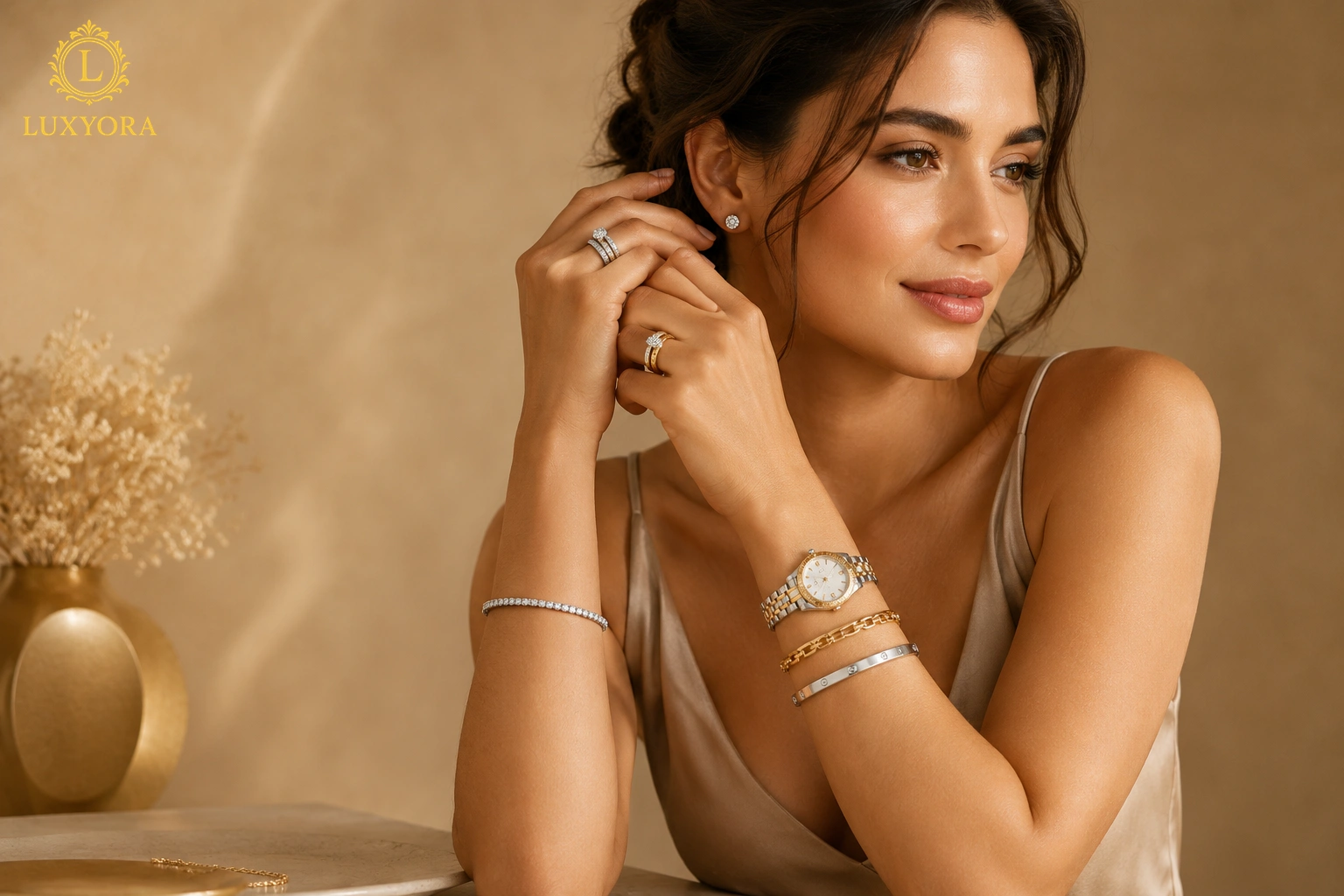
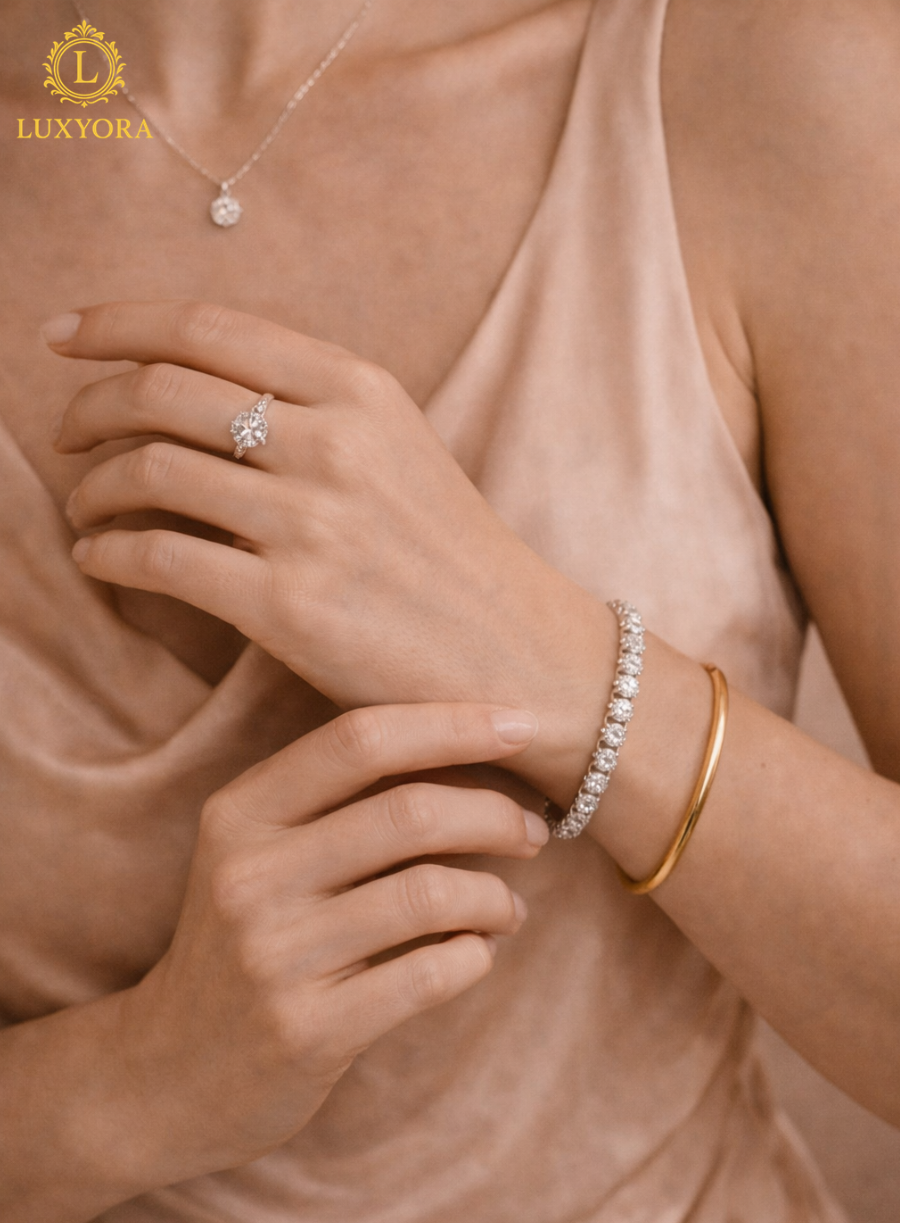
Few pieces scream “quiet luxury” like a line of diamonds that looks effortless but is engineered to survive real life. Tennis bracelets hold value because they’re both timeless and practical: they layer well, they suit every style, and buyers understand what they are within seconds.
What makes a tennis bracelet hold worth:
- Secure, well-made links and clasp (construction matters more than people think)
- Consistent diamonds (color and clarity that don’t “jump” from stone to stone)
- A classic, clean silhouette, not overly ornate settings that date quickly
- Documentation for higher-value bracelets
It’s one of the rare jewellery pieces that can feel casual and high-end at the same time, which keeps demand broad.
Long-lasting value rarely begins with materials alone. Often, the pieces that hold their worth share one unexpected quality, discover it in Why Some Jewellery Designs Feel Timeless.
4) A classic solitaire diamond ring
Solitaire rings hold value when they’re built around a stone the market understands and trusts. The ring itself is the frame; the diamond is the asset.
A solitaire that “never loses worth” usually has:
- A natural diamond with a widely recognised grading report
- Strong cut quality (cut is what keeps a diamond’s light performance and desirability alive)
- A classic setting that doesn’t trap the design in one era
- A size and quality range that remains liquid (meaning there are plenty of buyers)
The resale reality: the stone carries most of the financial weight. But a well-crafted setting in platinum or 18K gold protects that stone, and protection is valuable.
5) Iconic house jewellery
Some jewellery holds value because of the materials. Some hold value because of market obsession.
Heritage maisons have pieces that behave like luxury “blue chips”, recognisable motifs with ongoing demand, strong brand service ecosystems, and a resale market that already knows what it wants. In resale data, certain brands and signature collections consistently show high retention, sometimes even exceeding the original purchase price in high-demand periods.
What protects value here:
- Icon status (widely recognised designs)
- Clear authenticity markers and documentation
- Condition and complete set (box, papers, receipts can matter)
- Continued brand desirability in the secondary market
If you’re buying branded jewellery for value retention, think “classic, not seasonal.” Limited runs can win big too, but classics are the easier bet.
Time doesn’t reward every jewellery piece equally. There’s a subtle formula behind what gains desirability and what doesn’t. Explore it in Why Some Jewellery Increases in Value While Others Don’t.
6) Signed vintage and antique jewels
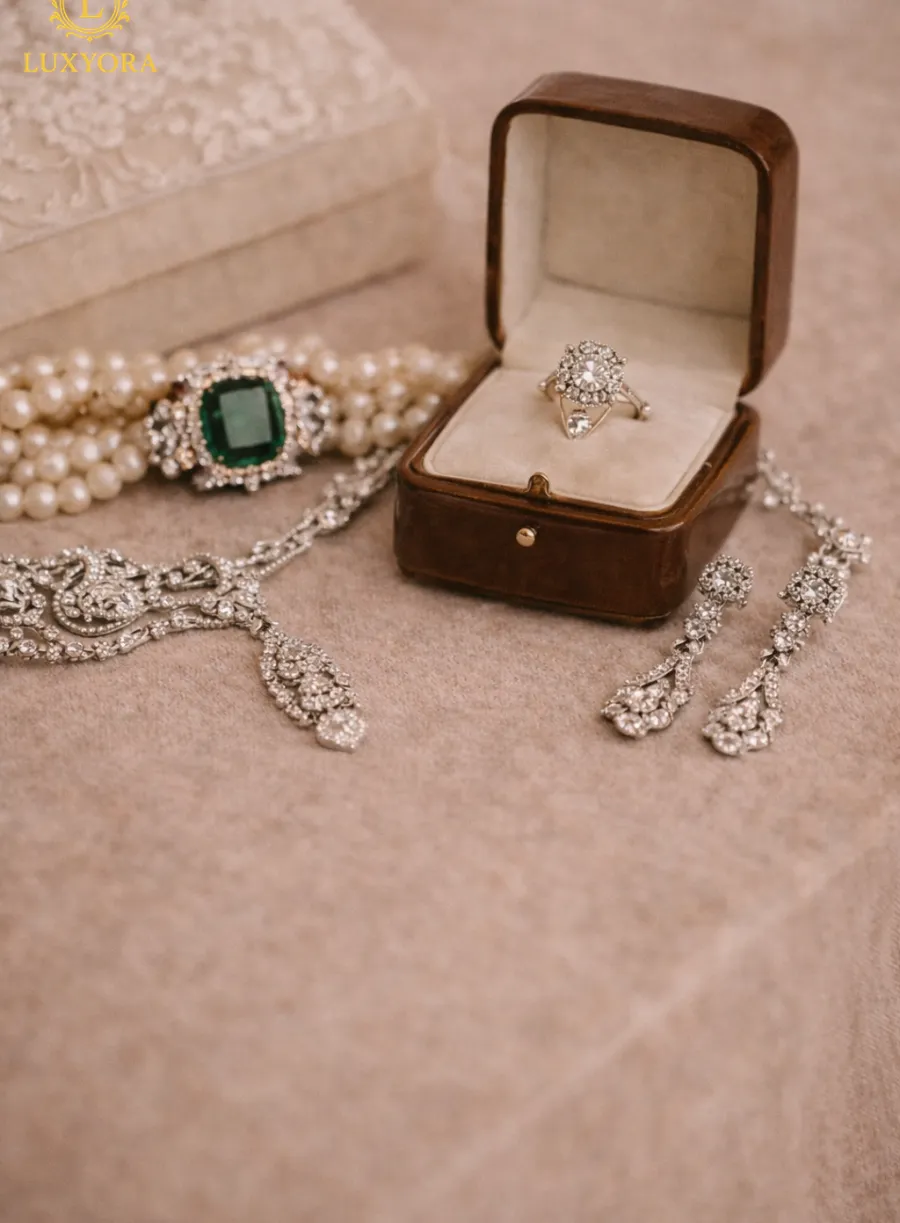
Vintage and antique jewellery can be extraordinary value-holders because the true supply is finite. Pieces from important eras, especially with maker signatures, hallmarks, or documented provenance, can become more desirable over time simply because fewer intact examples remain.
The pieces that stay strong decades later tend to have:
- Period-true construction and craftsmanship
- Minimal modern alterations
- Clear hallmarks, maker’s marks, or credible documentation
- Strong collector demand (certain eras and design languages have permanent fan bases)
In other words: when a piece is both beautiful and historically “correct,” the market treats it like a collectable, not just jewellery.
Not every old jewellery piece becomes priceless. Yet some seem to gather meaning, prestige, and value over time. Explore the details that make the difference in What Makes Antique Jewellery So Valuable Decades Later?
7) Exceptional colored gemstone “centerpieces”
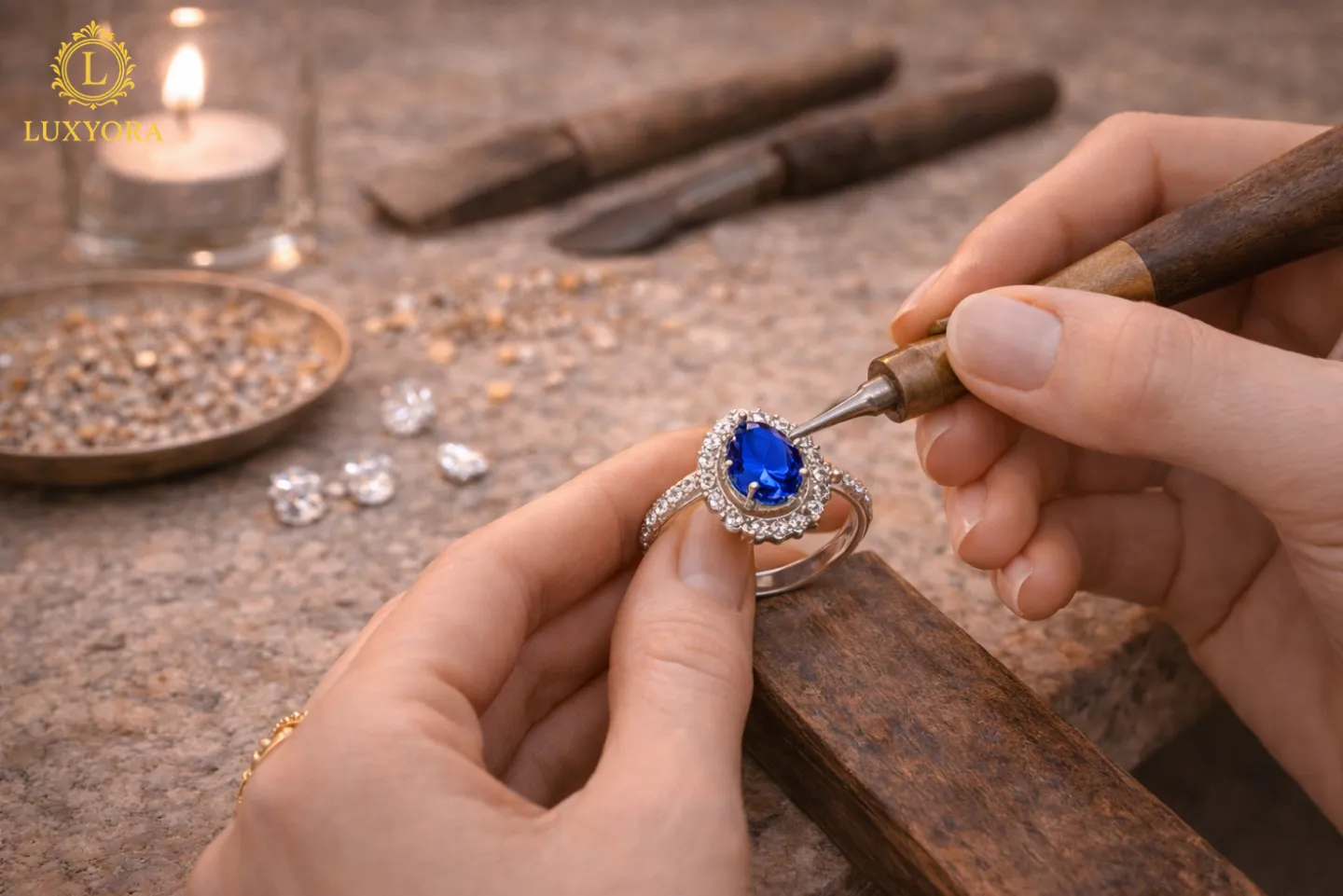
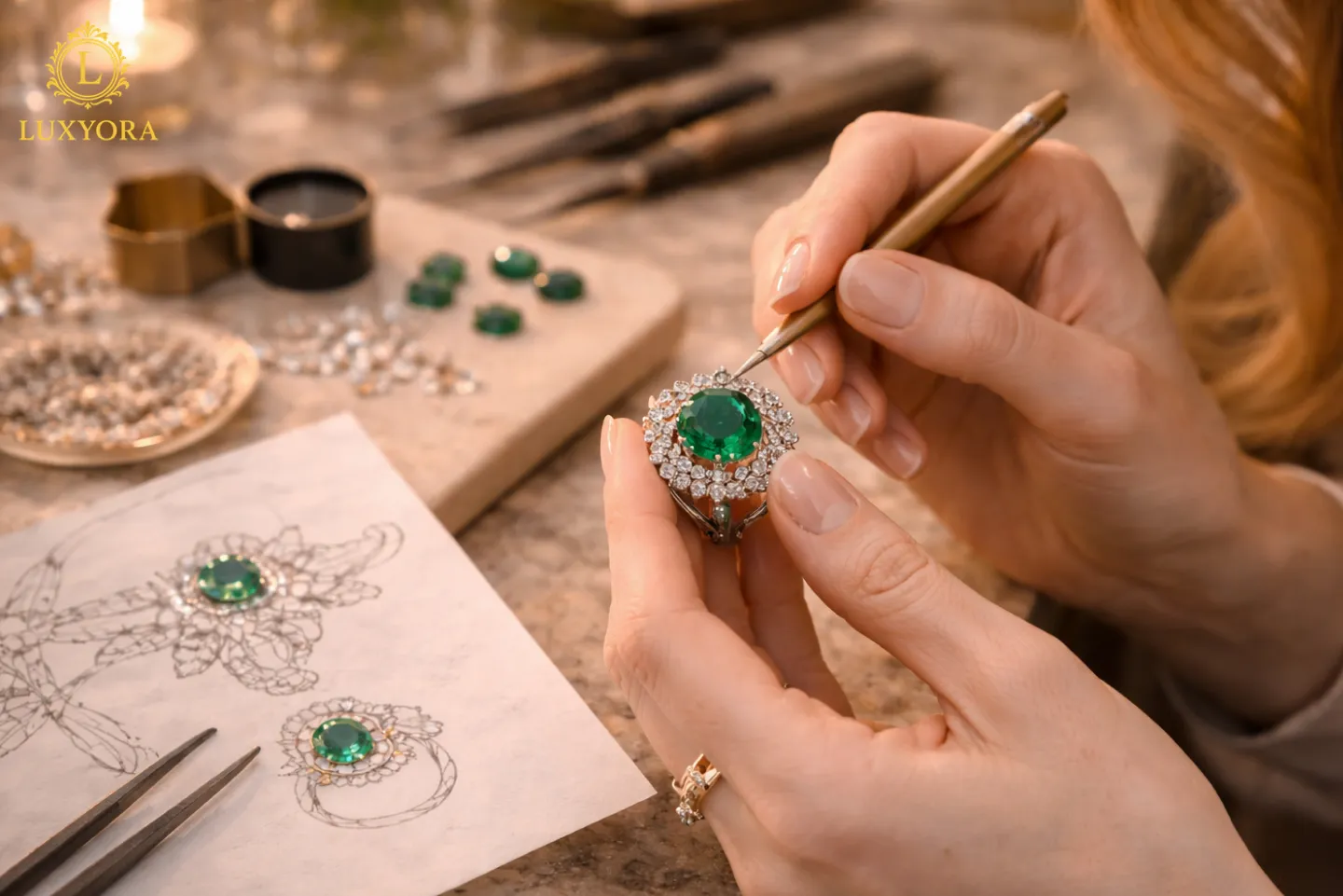
Fine coloured gemstones, emeralds, sapphires, rubies can be value monsters when the quality is genuinely rare. The catch is that coloured stones are more complex than diamonds: their origin, treatments, and colour quality can dramatically affect their price.
The colored gemstone pieces most likely to hold value:
- High-quality stones with strong colour and good transparency
- Sensible treatment profiles (disclosed, documented)
- Reputable lab reports, especially at higher price points
- Classic designs that keep the focus on the stone
A truly exceptional coloured stone isn’t just beautiful; it’s rare. And scarcity is the language collectors understand.
The future of jewellery value may not sparkle in the way you expect. A growing fascination with colour is changing how collectors think, discover more in Are Coloured Gemstones the Next Big Investment Trend?
8) “Quiet luxury” pieces with serious craftsmanship
Not everything needs a famous logo to hold worth. Some jewellery retains value because it’s impeccably made, unmistakably fine, and designed to wear for decades without looking dated.
These are the under-the-radar winners:
- Clean, architectural gold pieces with weight and structure
- Diamond line necklaces and simple pendants with quality stones
- Minimalist platinum pieces with excellent finishing
Resale buyers can spot quality. They pay for it because quality reduces repair risk and reduces regret.
Some jewellery seems to hold its value effortlessly, but the reason often goes beyond craftsmanship or precious materials. There’s a quieter set of factors at play, revealed in The Hidden Rules That Decide Jewellery’s Resale Price.
What doesn’t hold worth as reliably
To protect your jewellery’s long-term value, it helps to know the common traps:
- Overly trend-driven designs that date quickly
- Fragile construction (thin prongs, delicate links, weak clasps)
- Heavy personalisation (engravings, major modifications)
- Missing documentation on high-value stones and branded pieces
- Unclear authenticity or questionable provenance
The market isn’t heartless; it’s cautious. It discounts uncertainty.
The Luxyora way to buy “forever value”
If you want jewellery that doesn’t lose its worth, buy pieces with built-in trust:
- Choose timeless silhouettes that always have buyers
- Prioritise solid construction and durable settings
- Keep every document (certificates, receipts, service records)
- Buy the best stone quality you can reasonably afford
- Treat the condition like currency, because it is.
Luxyora Philosophy: The jewellery that keeps its worth is the jewellery that keeps its integrity, crafted to endure, easy to trust, and impossible to forget.
References:
- Boston Consulting Group. (2024, May 29). The future of the natural diamond industry. Boston Consulting Group.
- Bain & Company, & Antwerp World Diamond Centre. (2021). Brilliant under pressure: The global diamond industry 2020–21. Bain & Company.
- CIBJO – The World Jewellery Confederation. (2022). CIBJO diamond blue book 2022-1.
- Gemological Institute of America. (n.d.). How GIA grades diamonds. GIA 4Cs.
- Rebag. (2024). The 2024 Clair Report: The value of watches & jewelry.
- Rebag. (2025). The 2025 Clair Report: The value of watches & jewelry.
- Responsible Jewellery Council. (2019). Code of practices.
- Sotheby’s. (2024, June 20). Essential buyer’s guide to tennis bracelets. Sotheby’s.
- World Gold Council. (2024, January 31). Gold demand trends: Full year 2023. World Gold Council.