The Hidden Rules That Decide Jewellery’s Resale Price | Luxyora
Jewellery resale is a little like dating in a very glamorous city: everyone claims they want “the real thing,” but what they actually chase is a mix of status, certainty, and that hard-to-define spark called desirability. Two rings can look similar on your hand, with the same shimmer, same gold glow and still perform wildly differently the moment they enter the resale world. One sells in a week. The other gets politely ignored, then price-dropped into oblivion.
So what’s really going on behind the velvet curtains of the secondary market? Here are the quiet rules that decide what your jewellery is worth when it’s time to sell.
1) Resale price is “buyer confidence” in a number
Retail pricing is storytelling: brand heritage, craftsmanship, boutique lighting, champagne energy. Resale pricing is more clinical. Buyers pay for what they can verify and what they can resell again if they change their mind. That means your piece is being evaluated for two things at once:
- How easy it is to trust (authenticity, documentation, condition)
- How easy it is to move (demand, recognisability, liquidity)
The strongest resale performers feel “safe” to buy even from a stranger because the market already agrees on what they are and what they’re worth.
2) Signature houses create a “shortcut to value”
In resale, recognisable names function like instant credibility. When a piece is from a major heritage house, buyers often assume a baseline of quality and design relevance. That doesn’t mean every branded piece appreciates, but it does mean branded pieces can hold value better because the market is already trained to want them.
This is also why “icon” designs those motifs everyone can identify across a room, often outperforming more niche or seasonal collections. The resale market loves a classic that can be explained in one sentence.
3) “Signed” jewellery isn’t just signed, it’s proven
A maker’s mark can add serious value, but only if it’s clear, verifiable, and matched to the right era and craftsmanship. In the auction world, specialists will scrutinise stamps, construction details, and archival records, because a signature can materially change pricing. Think of it as the difference between “inspired by” and “the original.”
If your signature is worn down or ambiguous, resale value can wobble. In jewellery, tiny details matter.
4) Condition is everything, and repairs can be complicated
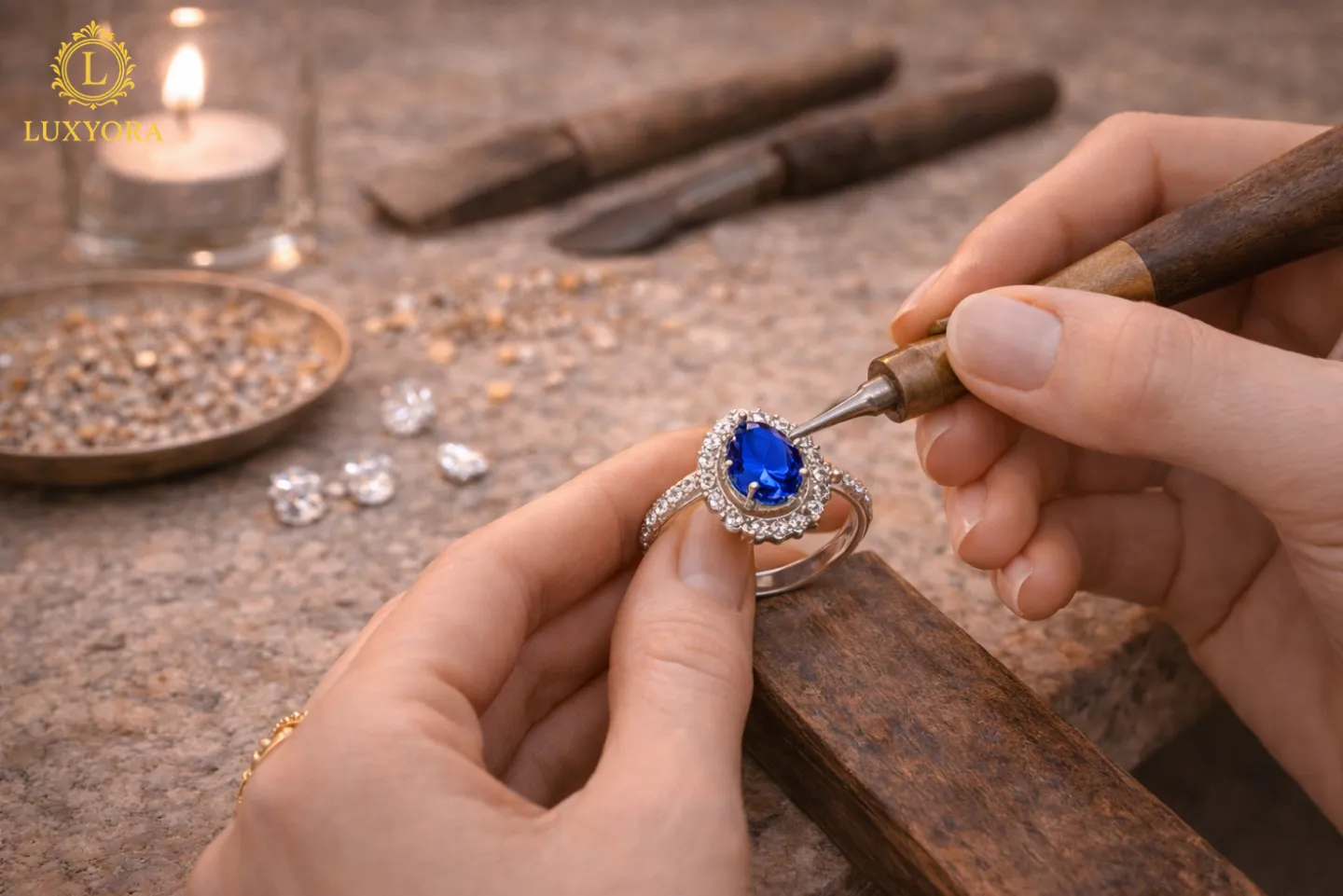
Resale buyers don’t just ask, “Is it beautiful?” They ask, “Is it intact?” Prongs, clasps, hinges, pavé, enamel, and settings are all stress points. A piece that’s been loved hard can still sell, but it may sell at a discount if it needs work.
And here’s the tricky part: repairs aren’t always neutral. A repair done by the original brand (with service documentation) can be reassuring. A repair done elsewhere, especially if it alters the original design or materials, can make buyers nervous, particularly with vintage or collectable pieces.
5) Documentation is the quiet superpower
If you want a higher resale price, you want fewer buyer questions. So, always keep the below with you safe and ready.
- Original receipts
- Certificates and lab reports
- Brand service records
- Packaging (yes, boxes can matter)
- Any provenance paperwork, if relevant
Resale is a trust economy. Documentation reduces uncertainty, and uncertainty is what forces prices down.
A beautiful piece of jewellery tells one story but its certification tells another. Discover the details worth understanding before making your next treasured purchase in How to Verify Jewellery Certification.
6) Gemstone treatments can change the entire conversation
This is where resale gets very “insiders only.”
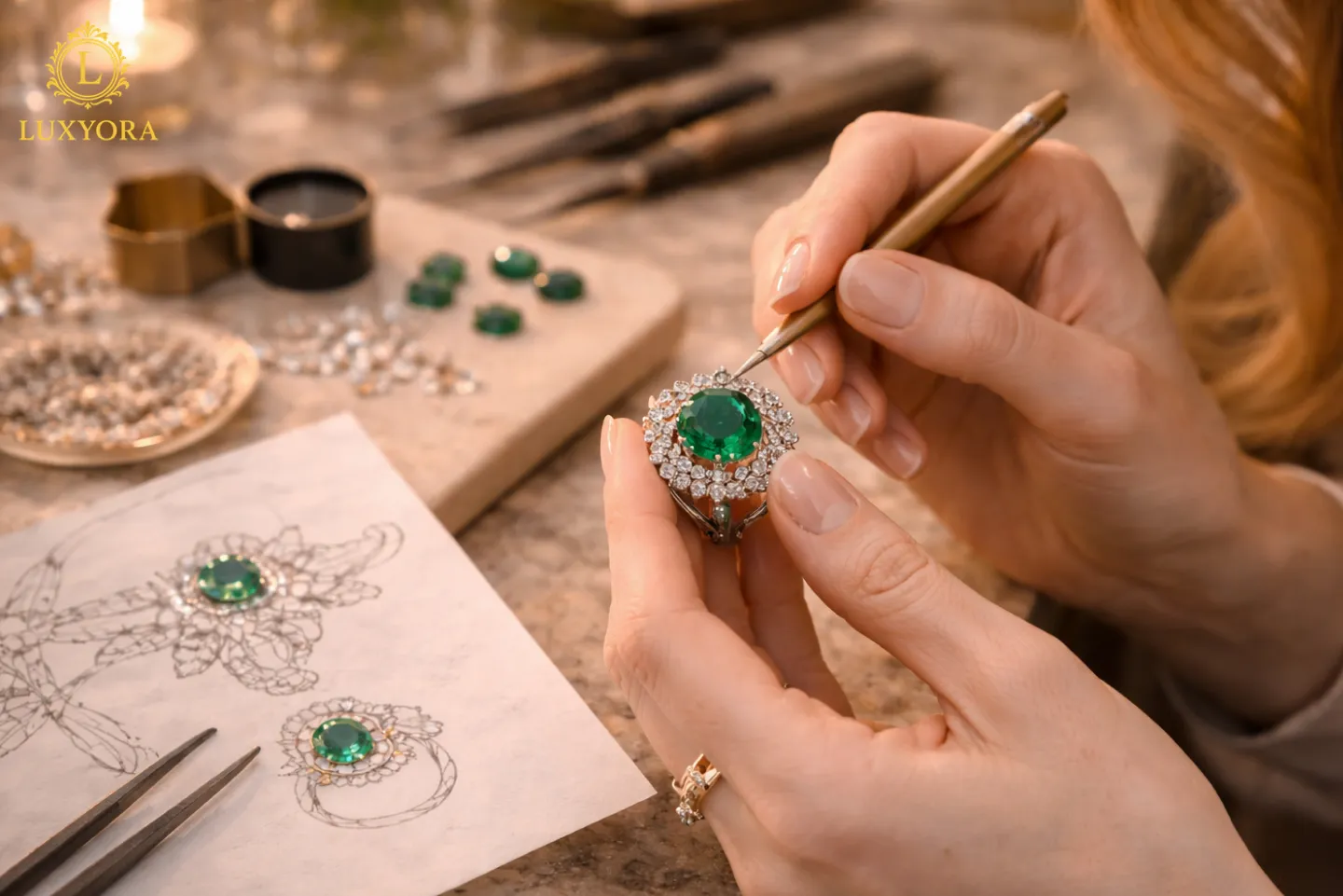
Fine gemstones are valued not just for color and size, but also for treatments and enhancements. Many treatments are common and accepted, but they still affect pricing because they affect rarity. An untreated stone with exceptional color can attract a premium. A heavily treated stone can be less valuable, even if it looks stunning.
The same logic applies to origin reports and traceability. When a stone’s story can be supported by credible documentation, buyers often feel better paying more.
From timeless classics to vibrant statement pieces, the gemstones we choose often reveal more than our style preferences. Step into the symbolism hidden beneath the sparkle in The Meaning Behind Every Gemstone: What Your Jewellery Says About You.
7) Natural vs. lab-grown can reshape resale expectations
Lab-grown diamonds can be gorgeous, and they’ve opened the door to bigger looks for more people. But resale pricing often follows a different logic than retail: buyers look at ongoing supply and price trends. When supply can scale quickly, and market prices shift rapidly, resale value can soften.
This doesn’t mean lab-grown pieces have no resale value, just that the resale “rules” are different, and the price stability buyers expect from scarce natural materials may not apply in the same way.
The future of fine jewellery isn’t only about what shines, it’s about the story behind the sparkle. Step into the world of changing values and modern craftsmanship in Ethical Sparkle: The Rise of Sustainable and Lab-Grown Diamonds.
8) The metal matters, but craftsmanship matters more
Gold is gold… until it isn’t.
Metal content sets a baseline floor, especially for high-purity gold or platinum. But resale buyers rarely pay luxury-level premiums for a piece that’s essentially “melt value plus design.” What adds lift above the baseline is:
- superior finishing
- durable construction
- brand desirability
- and, importantly, the central stone (if there is one)
If a piece is poorly made, with thin prongs, unstable settings, or flimsy links, its resale future gets fragile fast.
9) Alterations can shrink your buyer pool
Resizing is common. But heavy customisation can turn a widely desirable piece into a very specific one. Think engravings, personalised motifs, altered settings, or swapped stones. The more personal the piece becomes, the fewer buyers will feel it fits their story.
If you want strong resale, timeless and “original condition” tends to win.
10) Resale channel changes the final number more than people think
Here’s the part nobody loves to admit: the resale “price” depends on where you sell.
- Auction can achieve remarkable results for rare, signed, or provenance-rich pieces, but it’s selective and fee-structured.
- Luxury resale platforms often move faster, with clearer pricing models, but they may prioritise items they know will sell quickly.
- Dealers can be efficient and knowledgeable, but they need margin to operate.
- Peer-to-peer may fetch more, but trust and authentication become your burden.
So when someone says, “This necklace resells for X,” the real question is: Where? Under what conditions? With what proof?
11) The market has moods, and jewellery has seasons
Yes, jewellery resale has trends. Certain cuts, eras, stones, and silhouettes surge in demand, often influenced by pop culture, runway cycles, and what’s happening at major auctions. The strongest pieces are those that can survive trend waves because they’re anchored in rarity, maker reputation, or exceptional quality.
Trends may shift and seasons may change, but some jewellery pieces continue to hold their allure and their value year after year. Discover the timeless investments in The Jewellery Pieces That Never Lose Their Worth.
In other words: the market can be fickle, but it’s rarely random.
How to protect your resale value, starting now
If you love jewellery and also want to be smart about its future, treat your pieces like tiny heirlooms-in-training:
- Keep documentation together
- Service pieces properly (ideally through the brand for collectible items)
- Avoid heavy alterations on widely recognisable designs
- When buying, prioritise quality you can prove, not just sparkle you can photograph
Because in resale, beauty opens the door, but proof closes the deal.
Luxyora Philosophy: Luxury holds its value when it holds its integrity, choose pieces with real craft, clear provenance, and timeless desire, and the market will follow your taste
References:
- CIBJO – The World Jewellery Confederation. (2021). Laboratory-grown diamond guidelines.(Reference)
- Christie’s. (n.d.). An expert’s guide to signed jewellery. (References)
- Gemfields. (2025). Understanding the global supply of emerald, ruby and sapphire. (References)
- Gemological Institute of America. (2024, December 2). Laboratory-grown diamond trends | GIA research. (Reference)
- McKinsey & Company. (2024, November 26). The diamond industry is at an inflection point. (Reference)
- Rebag. (2024). The 2024 Clair Report: The value of watches & jewelry (PDF). (Reference)
- Responsible Jewellery Council. (2019). Code of practices (Version 1.2). (Reference)
- Sotheby’s. (2024). Jewelry auctions: Department overview (2024 sales highlights).(Reference)
- The Fine Art Group. (2022). Jewelry market report: First half of 2022. (Reference)